
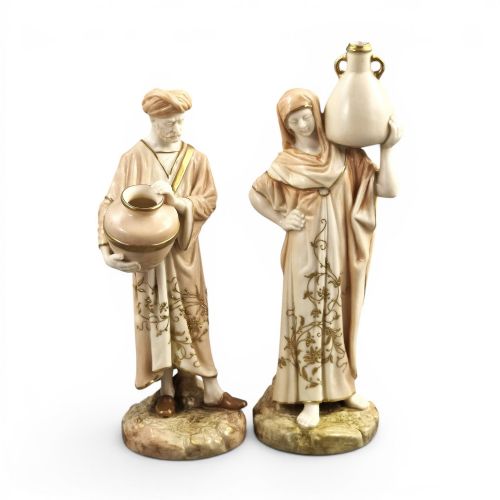


Antique Porcelain Water Carriers
These antique porcelain water carriers are sculptural figural works capturing orientalist and turn-of-the-century themes, sought after for their intricate hand-painted detail and dramatic presence.
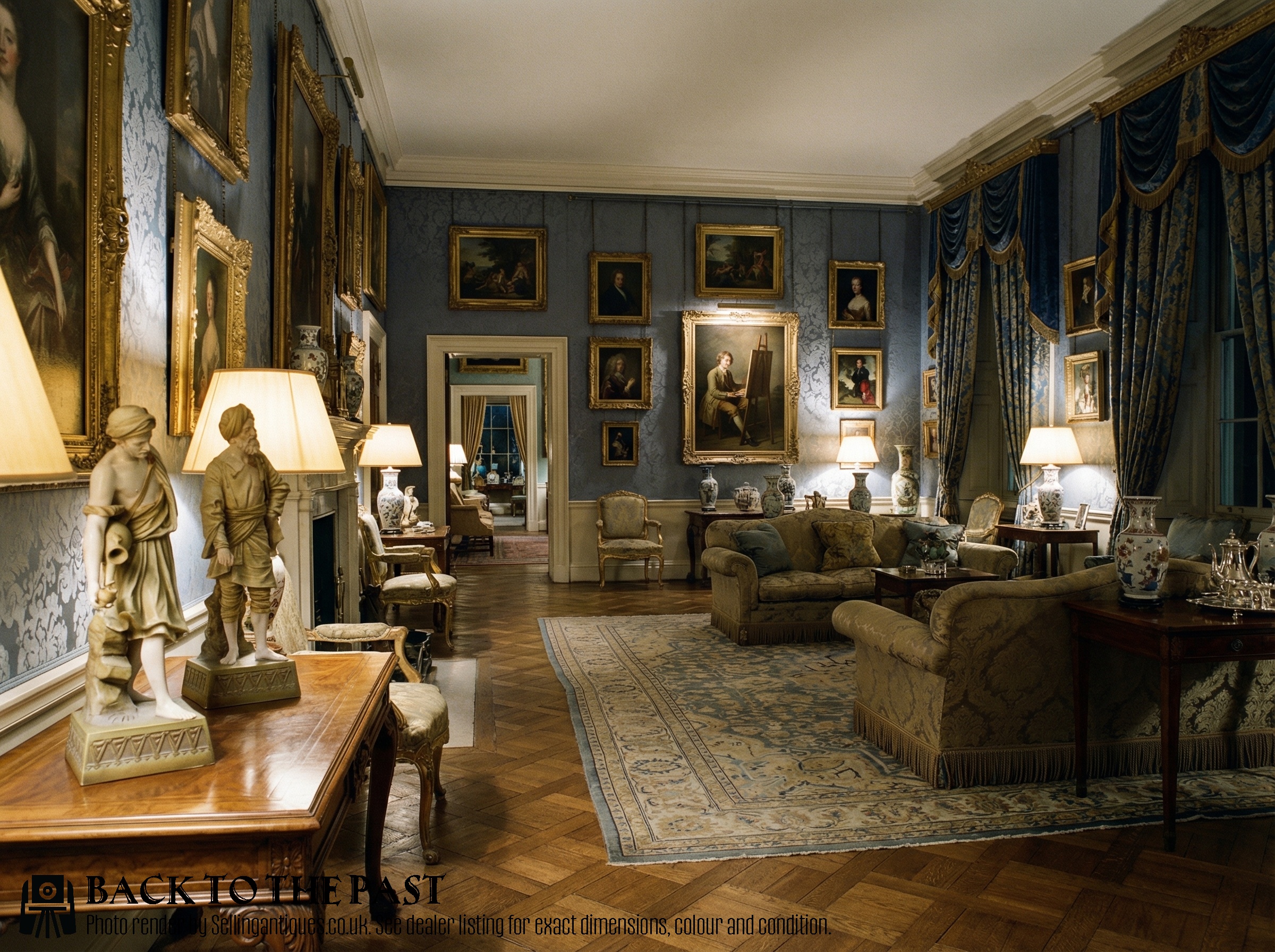
Antique Porcelain Water Carriers
Antique porcelain water carriers represent figural ceramic works shaped into human forms bearing vessels, heavily influenced by Victorian Orientalism and Art Nouveau styles. When you search for antique porcelain water carriers, you encounter decorative figurines produced across the nineteenth and early twentieth centuries.
The majority of pieces on this page stem from the Victorian and Edwardian eras, spanning years from eighteen-eighty to nineteen-twenty. Makers translated contemporary fascination with Eastern travels into porcelain sculpture, depicting figures holding jugs or wicker baskets.
Forms vary from large pairs of figures to individual figurines designed for mantelpieces and display cabinets. These sculptures range from biscuit porcelain creations to glazed and gilded ceramic compositions.
How they were made
Decorators applied enamels, gilt, and gold leaf by hand to highlight garments, hair, and carried water vessels. Specialised treatments such as patent metallic finishes added distinctive sheens to specific nineteenth-century outputs.
What varies in quality
Quality rests in the crispness of the moulding and the subtlety of the hand-painted enamels, where finer examples preserve sharp facial expressions and delicate folds of fabric. Superior pieces display meticulous application of gilt and gold leaf that accentuates the contours without obscuring the underlying porcelain texture.
Scale and ambition separate standard decorative figurines from exceptional works, with large pairs and marked prototypes demonstrating greater sculptural skill. The nuance in coloration, especially within the blush ivory and orientalist palettes, dictates the aesthetic standing of each piece.
Royal Worcester·James Hadley·Royal Dux·Turn Porcelain
The Antique Porcelain Water Carriers Glossary
- Bisque
- Unglazed porcelain with a matte, tactile surface resembling marble. It allows fine sculptural details to remain crisp and unclouded by glossy glazes.
- Biscuit Porcelain
- Another term for unglazed ceramic material fired once to vitrify the body while retaining a porous, stone-like texture. Makers favoured this surface for delicate figural work.
- Enamel
- Opaque vitreous composition applied to fired porcelain for surface decoration. Skilled painters used it to render patterned garments and naturalistic skin tones.
- Gilding
- The application of gold leaf or powdered gold paint to ceramic highlights. It catches ambient light and emphasises architectural or costume details.
- Orientalism
- A nineteenth-century artistic movement drawing inspiration from Middle Eastern and North African cultures. It heavily influenced the clothing and accessories depicted on these figures.
Antique Porcelain Water Carriers: Frequently Asked Questions
What periods do these figures date from?
These ceramic figures primarily date from the nineteenth century through the early twentieth century, encompassing the Victorian and Edwardian eras. The production dates span from eighteen-eighty to nineteen-twenty.
Most examples reflect the design movements of their specific decade, such as Victorian Orientalism and Art Nouveau styles.
How were water carrier figurines used?
These pieces served purely as decorative ornaments within domestic interiors during the Victorian and Edwardian periods. They occupied prominent positions on mantelpieces, sideboards, and occasional tables.
Rather than functioning as actual vessels, the depicted jugs and baskets formed integral sculptural components of the figural composition.
What materials make up these sculptures?
Manufacturers utilised porcelain, ceramic, and bisque or biscuit porcelain to form the primary body of each figure. Artisans then enhanced these ceramic bases using enamel colours and application of gilt or gold leaf.
Specialised finishes, including patent metallic treatments, appear on specific nineteenth-century outputs to alter the surface sheen.
How do I identify a Hadley piece?
James Hadley pieces often bear specific signatures or marks associated with his work at Royal Worcester. They frequently feature blush ivory grounds and detailed orientalist subject matter.
Stylistic hallmarks include fine modelling of drapery and distinct nineteenth-century patent metallic finishes on the ceramic surface.