


Bohemian Art Porcelain Ornaments
Bohemian art porcelain ornaments bring sculptural presence to a room, spanning delicate water nymphs and figures from the late nineteenth century onwards.
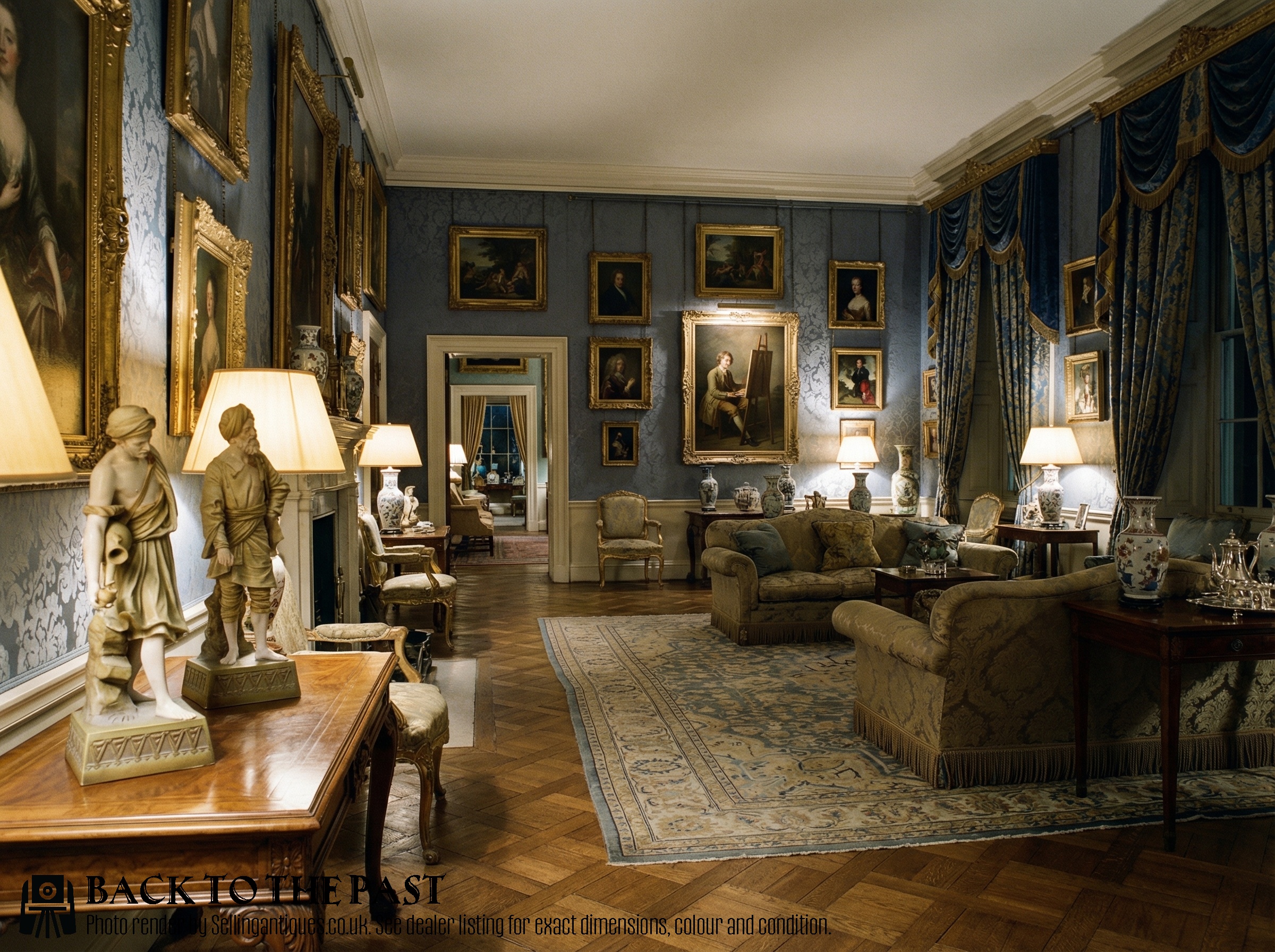
Bohemian Art Porcelain Ornaments
When you search for bohemian art porcelain ornaments, you encounter a distinct selection of figural sculptures, busts, and pairs dating from the nineteenth century into the twentieth century. These pieces predominantly take the form of decorative figurines depicting women with jugs or baskets, animal figures such as setters, and mythological subjects like water nymphs.
The objects originate primarily from key manufacturing names such as Royal Dux, Ernst Wahliss, and Turn, capturing major design movements including Art Nouveau and Art Deco. Figures carrying puppies or kittens and watercarriers represent the most common subjects met within this grouping.
Spanning periods from the eighteen-nineties through to nineteen-thirty, these ornaments capture the sculptural shifts of the era. They range from naturalistic depictions of young girls to stylised Art Deco nudes.
How they were made
The makers utilised porcelain, ceramic, and biscuit porcelain to form the body of these ornaments, employing moulding and modelling techniques to achieve detailed figures and busts. Bisque porcelain, prized for its matte finish, appears frequently alongside glazed surfaces.
Surface ornamentation relies on enamel and gilt or gold leaf applied to accentuate specific details of drapery, hair, and accessories. These materials combine to create the distinctive aesthetic associated with Turn-Teplitz productions.
Listings feature porcelain, ceramic, and biscuit porcelain across periods from the nineteenth century to nineteen-thirty.
What varies in quality
The distinction between standard output and superior examples rests upon the crispness of the modelling in the porcelain and ceramic bodies. Finer pieces display sharper definition in facial expressions, drapery folds, and animal forms.
The application of enamel work and gilt or gold leaf also differentiates the range, with better items showing careful hand-painting rather than mechanical uniformity. Scale and ambition, such as large pairs and complex figure groups, separate modest ornaments from major studio achievements.
Royal Dux·Ernst Wahliss·Turn
The Bohemian Art Porcelain Ornaments Glossary
- Biscuit porcelain
- Unglazed ceramic material fired once, known for its matte, marble-like texture. It allows sculptural details to remain crisp and unmasked by glossy coatings.
- Art Nouveau
- Design style popular between eighteen-nineties and nineteen-tens characterised by fluid, organic lines and floral motifs. This aesthetic heavily influences busts and female figures of the period.
- Art Deco
- Modernist style emerging in the nineteen-twenties and nineteen-thirties favouring geometric precision and streamlined forms. Figures from this era display a distinct shift away from nineteenth-century curves.
- Gilt
- Application of gold leaf or gold paint to highlight specific decorative areas on ceramics. It provides contrast against the white porcelain or coloured enamel bodies.
- Turn-Teplitz
- Regional ceramic production centre in Bohemia associated with numerous figures and busts. Pieces bearing this association reflect the high technical skill of local factories.
Bohemian Art Porcelain Ornaments: Frequently Asked Questions
What periods do these bohemian art porcelain ornaments cover?
The listings span from the late nineteenth century through the Art Nouveau period and into the nineteen-twenties and Art Deco eras. Most items date from around eighteen-nineties to nineteen-thirty.
Production methods and artistic styles shifted during these decades, moving from ornate mythological water nymphs towards stylised modernist figures.
How do I identify Art Nouveau bohemian porcelain?
Art Nouveau examples typically feature flowing hair, naturalistic floral elements, and soft drapery reminiscent of works by makers like Ernst Wahliss. Subjects often include water nymphs and female busts with organic curves.
The modelling prioritises asymmetry and movement, setting these pieces apart from later geometric designs.
Where were these ceramic ornaments made?
These pieces originate from Bohemia, a region renowned for its porcelain and ceramic factories operating in towns such as Teplitz. Prominent factories and studios produced figures for export across Europe and beyond.
Names like Royal Dux became synonymous with this regional tradition of sculptural ceramic manufacturing.
How should I display large porcelain figure groups?
Large pairs and multi-figure groups require a stable surface with adequate depth, such as a sturdy sideboard or dedicated console table. Their substantial scale and detailed modelling from all angles mean they benefit from being placed where light can catch the enamel and gilt.
Keeping them away from high-traffic edges protects delicate extremities like fingers, baskets, and animal forms.