



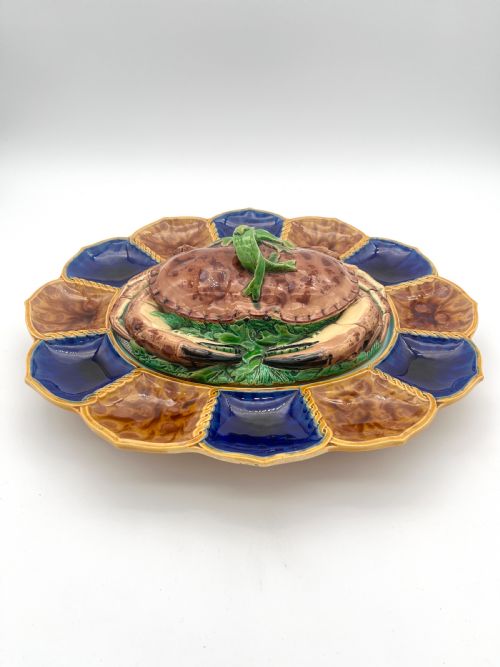
19th Century Ceramic Platter
A 19th century ceramic platter brings the robust utility and varied ornamentation of the 1800s directly to the table.
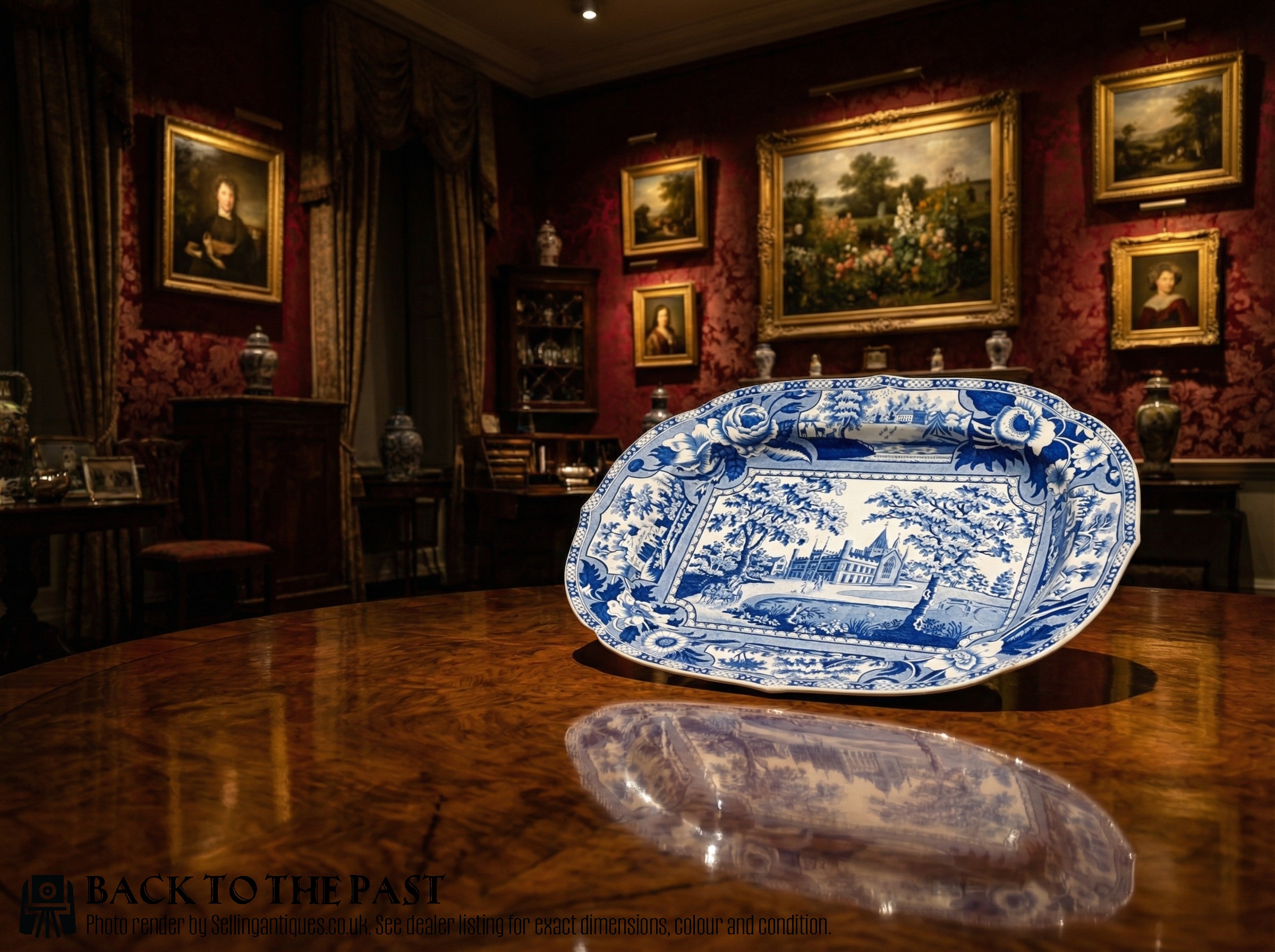
19th Century Ceramic Platter
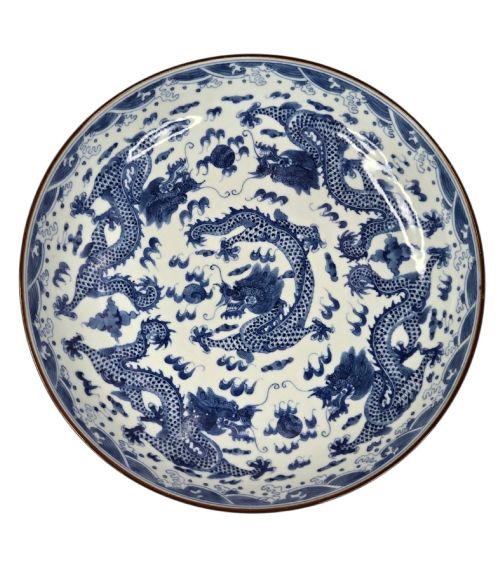
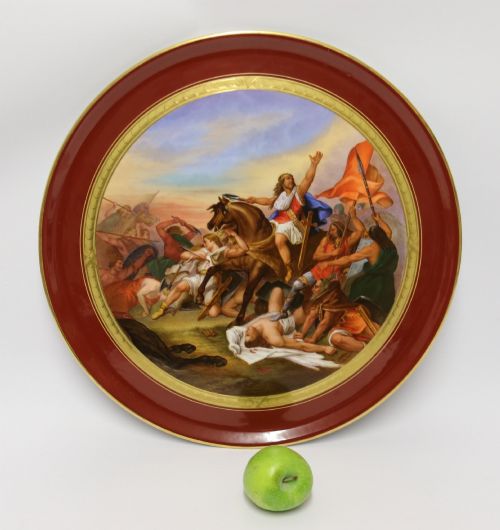
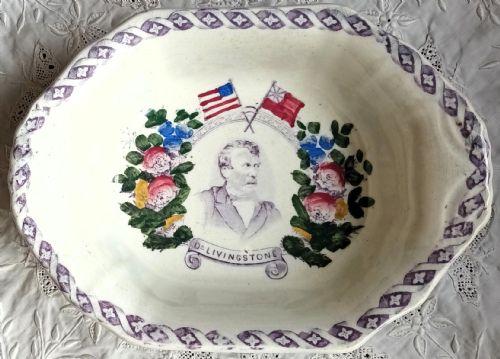
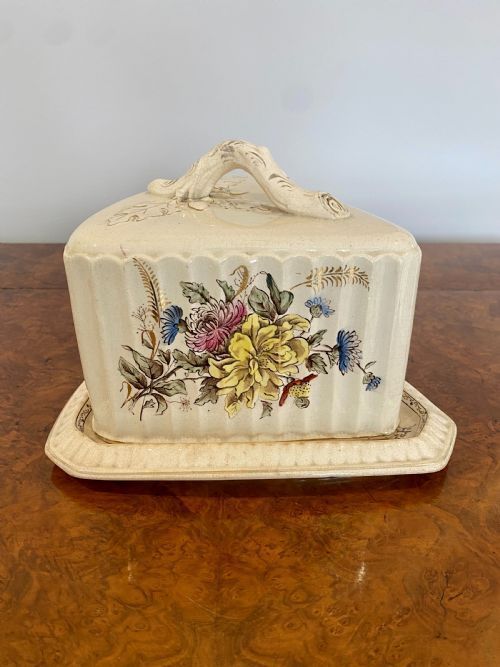
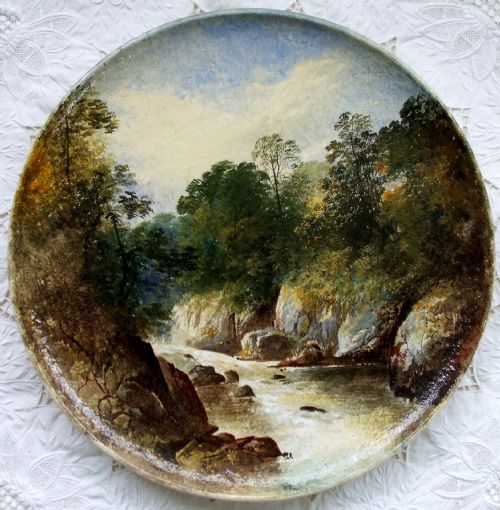
A 19th century ceramic platter encompasses serving dishes, decorative chargers, meat plates, and trays produced across the 1800s. These pieces originate from English factories, French porcelain houses, Chinese dynasties, and Japanese kilns.
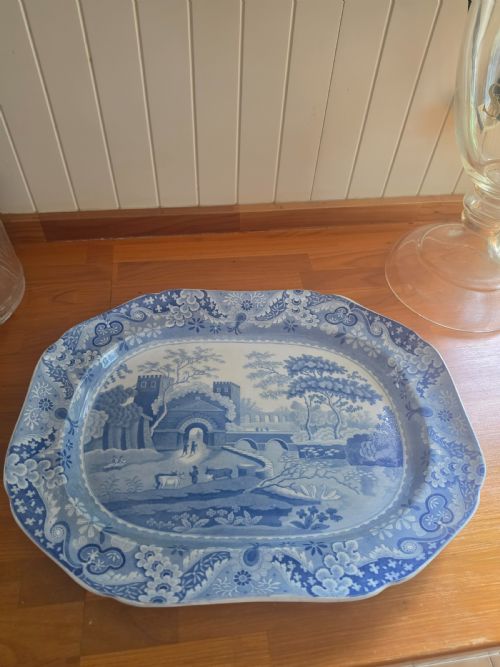
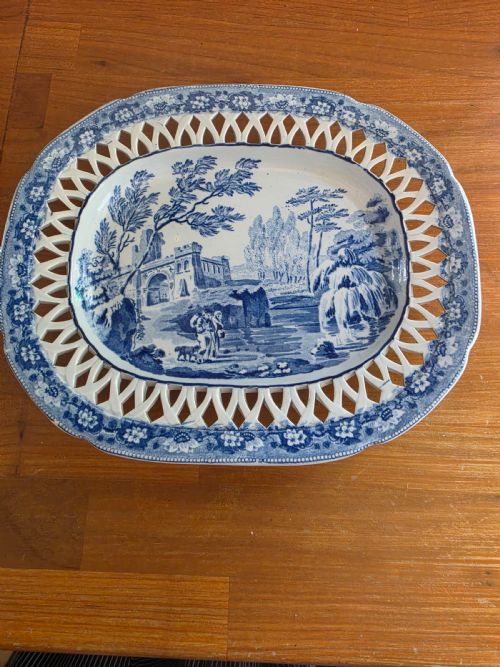
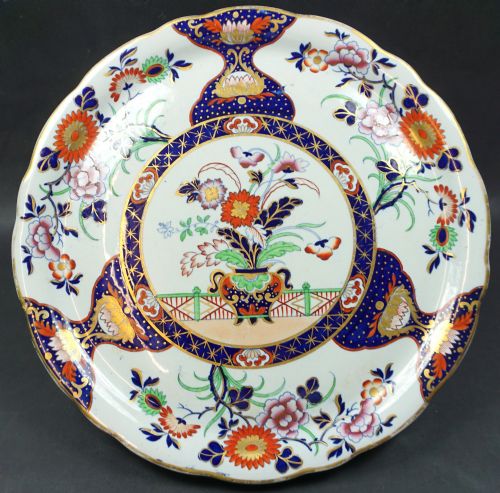
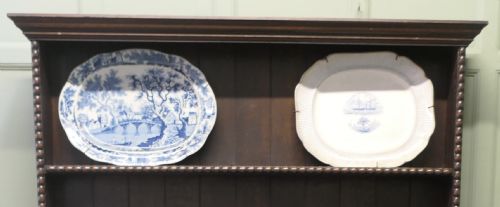
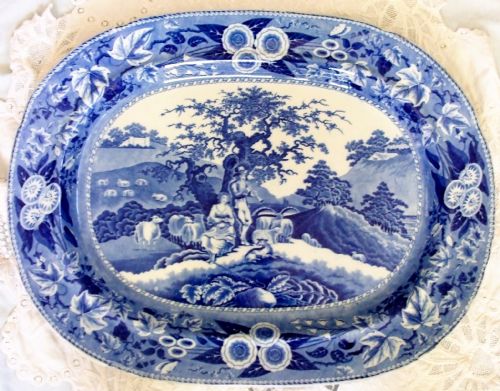
Buyers encounter transfer-printed earthenware, blue and white Staffordshire scenes, hand-painted porcelain, and bold Japanese Imari patterns. The forms range from large oval meat platters to deep decorative chargers.
English ironstone and stoneware appear alongside delicate Paris porcelain and vibrant Chinese Canton wares. Every piece reflects the utilitarian needs and decorative ambitions of Georgian and Victorian households.
Materials and Techniques
Potters utilised earthenware, porcelain, stoneware, and ironstone as the primary bases for these serving vessels. Glazes sealed the porous clay bodies, while underglaze blue and white transfer printing allowed for repeatable, intricate pictorial designs.
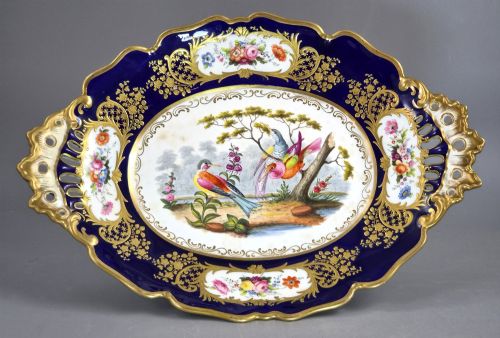
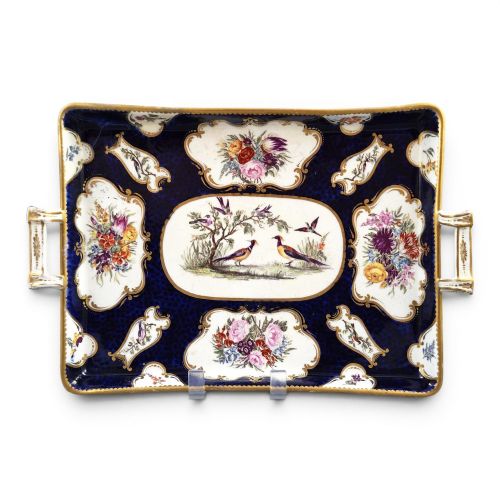
Hand-painting and gilding frequently supplemented printed outlines, adding gold leaf and enamel highlights to botanical subjects, exotic birds, and historic scenes. Kiln firing fixed these colours beneath or above the glaze surface.
The listings span the 19th century, featuring Georgian, Regency, and Victorian periods alongside Japanese Meiji and Qing dynasty origins.
Judging Quality
Quality rests upon the crispness of the transfer print or the skill of the hand-painted brushwork. Superior pieces display steady lines, balanced compositions, and well-preserved gilt accents without rubbing.
The clarity of the ceramic body and the smoothness of the glaze also separate ordinary utilitarian items from finely potted display chargers and cabinet plates.
H & R Daniel·Coalport·Spode·Davenport·Hicks & Meigh·Copeland·Minton·John Ridgway·Sevres
The 19th Century Ceramic Platter Glossary
- Transfer printing
- A method of applying a printed design to pottery by transferring it from an engraved copper plate onto tissue paper and then onto the clay. This technique revolutionised mass production of blue and white patterns.
- Imari
- A style of Japanese porcelain featuring a distinctive palette of underglaze blue, iron red, and gold. European makers frequently copied these vibrant motifs.
- Ironstone
- A heavy, durable type of earthenware patented in the early 19th century. It resists chipping and served as a robust substitute for porcelain.
- Charger
- A large decorative plate or platter. These items were often displayed upright on sideboards rather than used for serving food.
- Flow blue
- A Staffordshire pottery style where the cobalt blue pigment intentionally blurred or bled into the white glaze during firing. This created a soft, atmospheric effect on plates and serving dishes.
19th Century Ceramic Platter: Frequently Asked Questions
Were 19th century platters used for everyday dining?
Many large earthenware and ironstone meat platters served practical functions at family dinners and large feasts. Their durable construction handled heavy joints of meat and frequent washing.
Finer porcelain chargers and hand-painted French or Japanese pieces remained reserved for display or special dessert courses. The presence of knife marks or heavy wear often indicates regular table use.
How do I distinguish English transferware from Chinese export porcelain?
English transferware typically employs earthenware or ironstone bodies with repeating printed landscapes, ruins, or botanical borders. The blue sits under a clear glaze on a heavier fabric.
Chinese export pieces, such as Canton Famille Verte or Qing dynasty porcelain, feature hand-painted enamels directly on a finer white porcelain base. The weight and ringing tone of the material differ significantly.
Can I use antique serving platters for food today?
Most 19th century ceramic platters are safe for serving dry or cold foods. Modern dishwashers and microwaves should be avoided to protect old glazes, hand-painted enamels, and fragile gilt edges.
Ironstone and sturdy earthenware tolerate gentle hand washing well. Delicate porcelain chargers are best kept for display rather than active dining use.
What does Imari style mean on a 19th century platter?
Imari refers to Japanese porcelain designs characterised by strong underglaze blue combined with iron red, green, and gold detailing. These bold patterns proved immensely popular in Europe throughout the Victorian era.
Both authentic Japanese imports and British ceramic factories produced wares in this distinctive aesthetic. The palette remains bright and instantly recognisable.