




19th Century Bronze Faun
A 19th century bronze faun brings classical mythology into the home, offering the spirited energy of antiquity through fine metalwork.
19th Century Bronze Faun
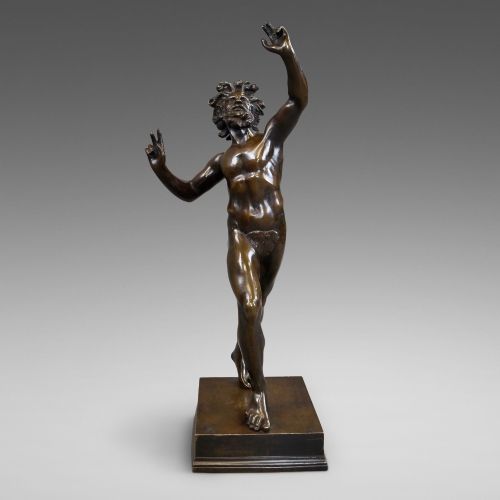
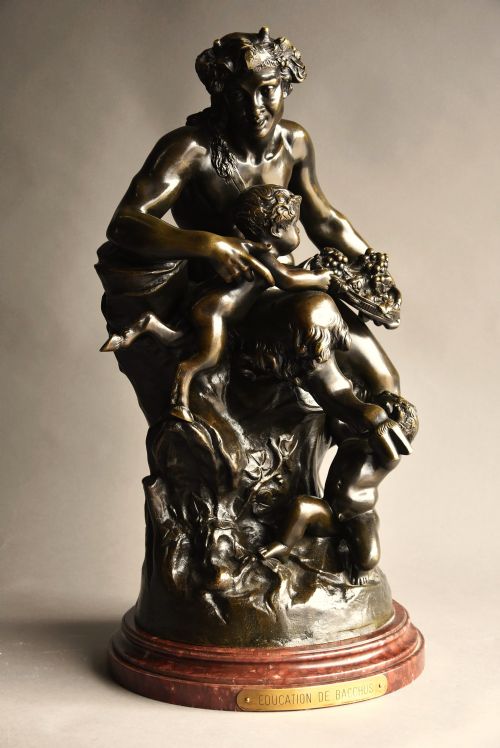
A 19th century bronze faun represents mythological subjects inspired by classical antiquity, most notably the famous discoveries at Pompeii. These sculptures typically depict dancing figures, youthful followers of Bacchus, or groups including infants and cymbals.
Most examples found here are Grand Tour souvenirs or reductions, brought back by travellers touring Italy during the Victorian period. Italian and French foundries produced these pieces in varying sizes to satisfy the nineteenth-century appetite for classical culture.
Materials and Technique
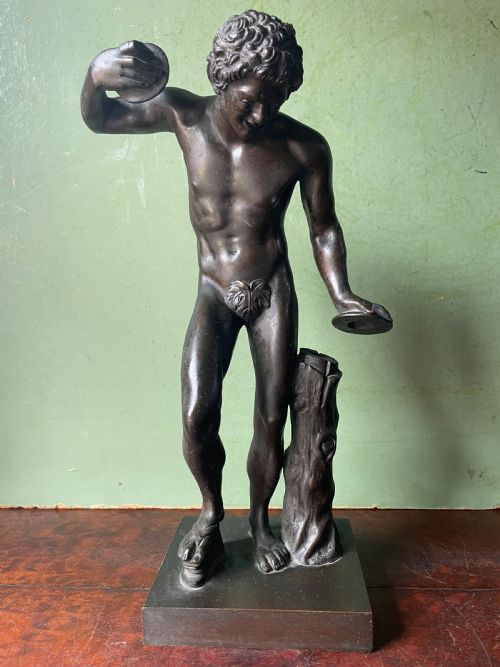
Surfaces were frequently treated with chemical solutions to create patinated bronze finishes, ranging from deep dark tones to green hues resembling excavated antiquities. Some pieces were also set onto heavy marble or stone bases to provide stability and visual contrast.
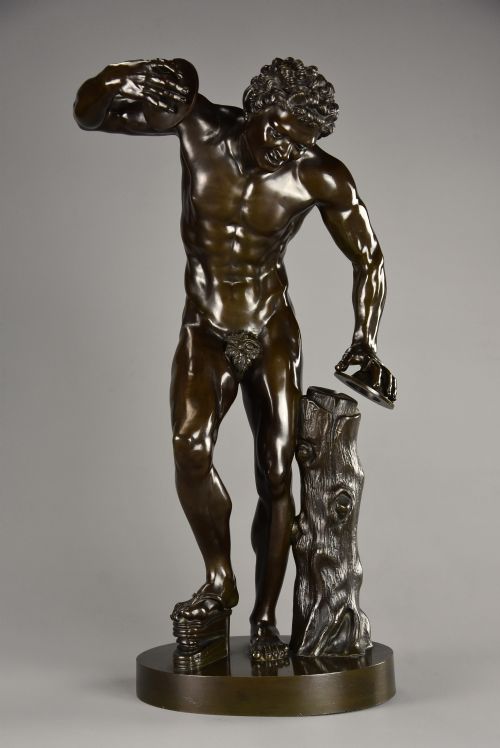
Several fauns are caught mid-dance with cymbals or flutes, perpetually frozen in a nineteenth-century party.
Judging Quality
The refinement of the chasing separates standard souvenir castings from superior workshop productions. Finer examples display crisp detail in the fingers, facial expressions, and anatomical contours without the blurring often seen in secondary copies.
The choice of patination and the integration of the figure with its base contribute significantly to the overall presence of the sculpture. Heavier metal gauge and secure mountings indicate greater care during the manufacturing process.
Claude Michel Clodion·Augusto Rivalta·Duchemin
The 19th Century Bronze Faun Glossary
- Grand Tour
- A traditional trip through Europe undertaken by upper-class young men during the eighteenth and nineteenth centuries to study arts and antiquity. Souvenirs purchased along the way form a distinct category of decorative art.
- Patinated bronze
- Metal treated with chemical solutions to alter its surface colour and appearance. This process protects the bronze while simulating the aged look of ancient artefacts.
- Reduction
- A smaller scale copy of a large classical sculpture or monument. These were popular domestic ornaments in nineteenth-century homes.
- Neoclassical
- An artistic movement drawing inspiration from the classical art and culture of ancient Greece and Rome. It prioritises proportion, symmetry, and mythological subject matter.
19th Century Bronze Faun: Frequently Asked Questions
What is a Grand Tour faun?
These figures are nineteenth-century bronze souvenirs modelled after famous archaeological discoveries in Italy, particularly the Dancing Faun of Pompeii. Travellers purchased them as mementoes of their cultural journeys.
They served as tabletop ornaments and cabinet sculptures, reflecting the Victorian fascination with classical antiquity and mythological subjects.
How do I care for bronze sculpture?
Keep the metal clean by dusting gently with a soft, dry brush to prevent dirt accumulation on the patinated surface. Avoid liquid polishes or abrasive cloths, which can damage the historic finish.
Place the sculpture away from direct sunlight and excessive humidity to preserve the stability of both the bronze and any attached marble bases.
Are these pieces solid bronze?
Many nineteenth-century castings are produced in solid bronze, while larger groups or specific foundry editions may utilise hollow construction techniques. The weight and internal structure often depend on the size of the piece and the foundry of origin.
Inspect the underside or base where possible to observe the thickness of the metal and the method of attachment.
Why do some fauns have green patination?
Green patination was deliberately applied by nineteenth-century foundries to mimic the appearance of ancient bronzes that had oxidized underground for centuries. This finish aligned with Victorian tastes for authentic-looking antiquities.
Other examples feature dark brown or black patinas, reflecting different workshop traditions in France and Italy.