


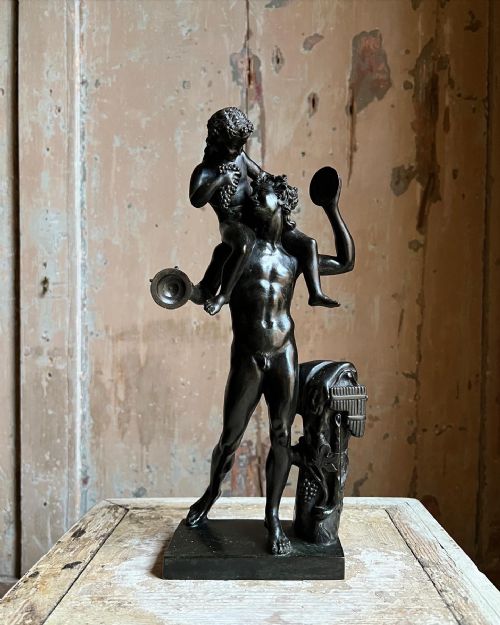


Satyr Bronze Figurine
A satyr bronze figurine captures the spirited mythological subject in cast metal, bringing classical sculpture into nineteenth-century interiors.
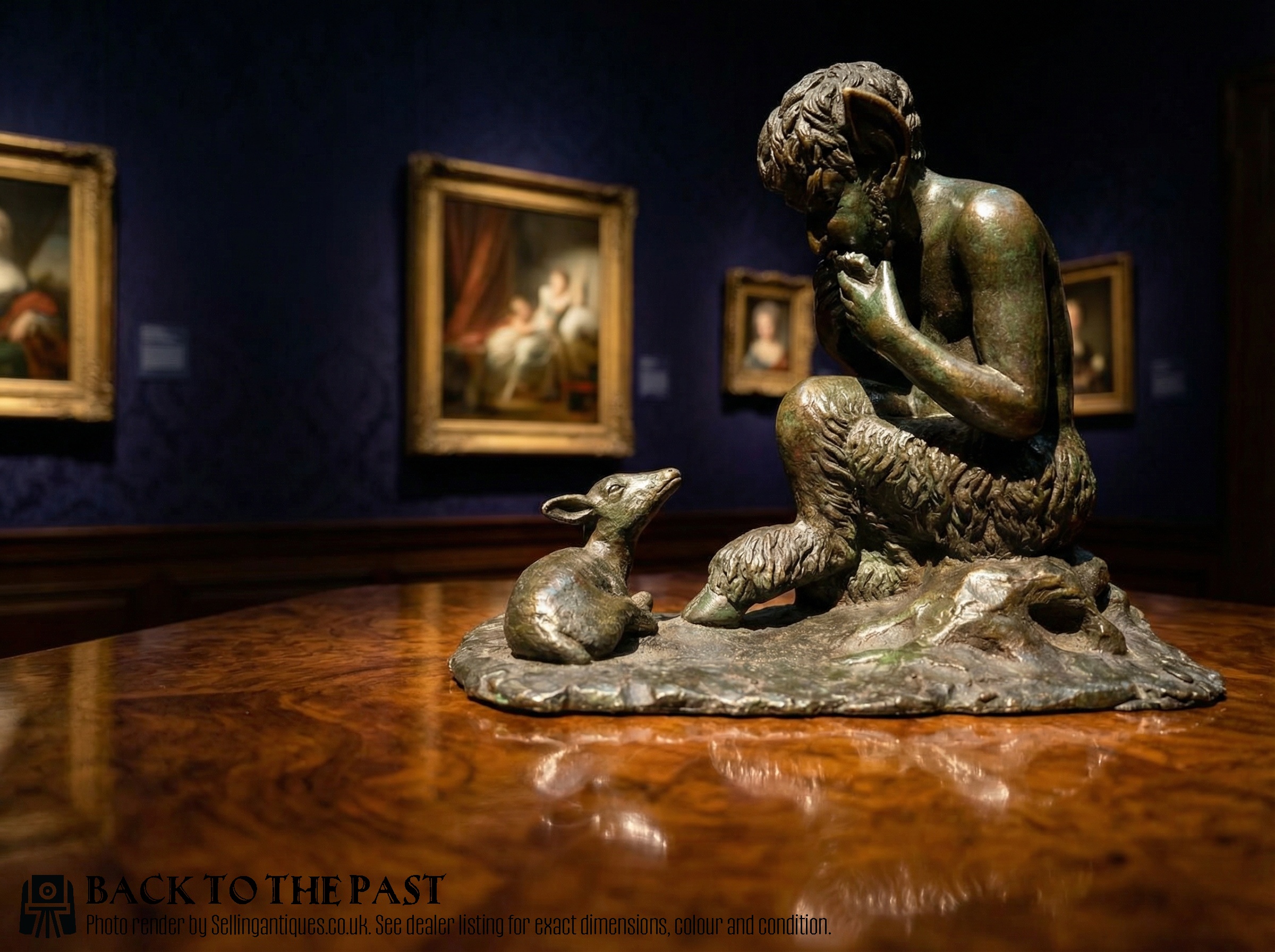
Satyr Bronze Figurine
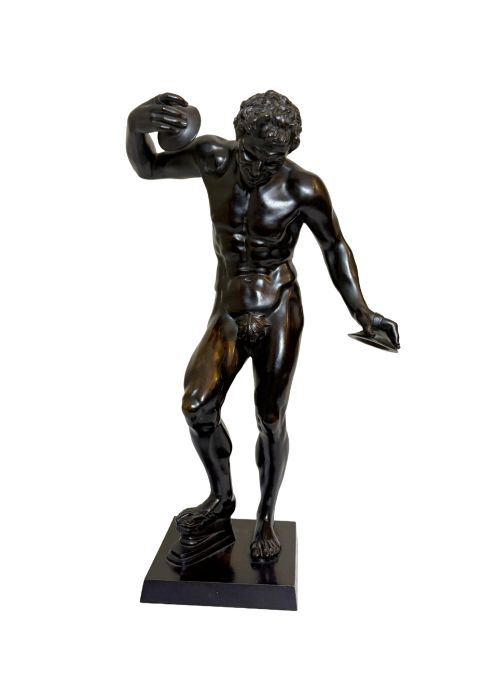
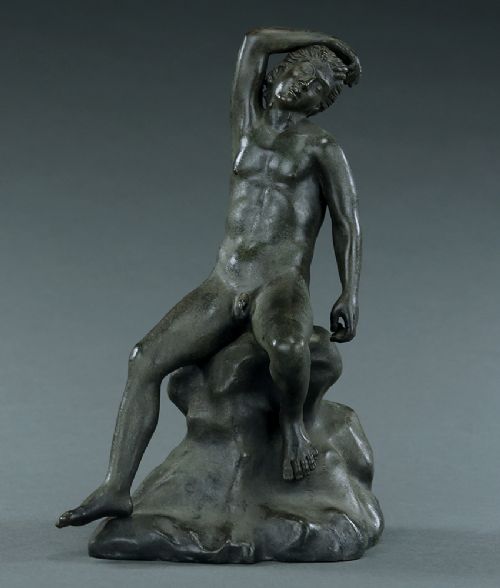
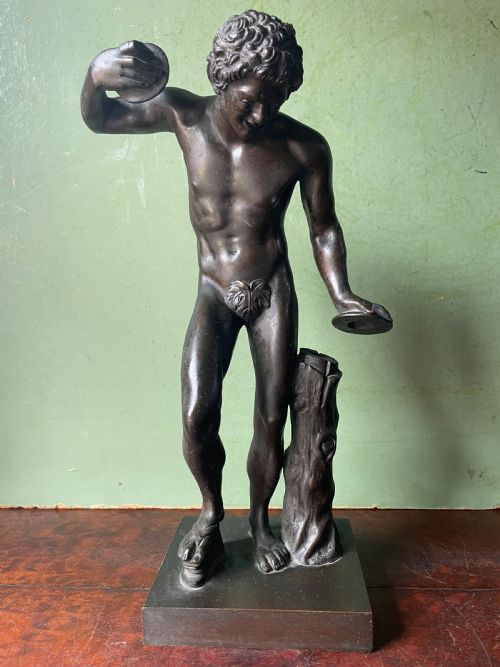
A satyr bronze figurine represents mythological figures such as fauns, Pan, and Bacchus in dynamic poses including dancing with cymbals or playing pipes. These sculptures draw heavily upon classical antiquity and the excavations at Pompeii, translating ancient marble and bronze discoveries into cabinet-sized works.
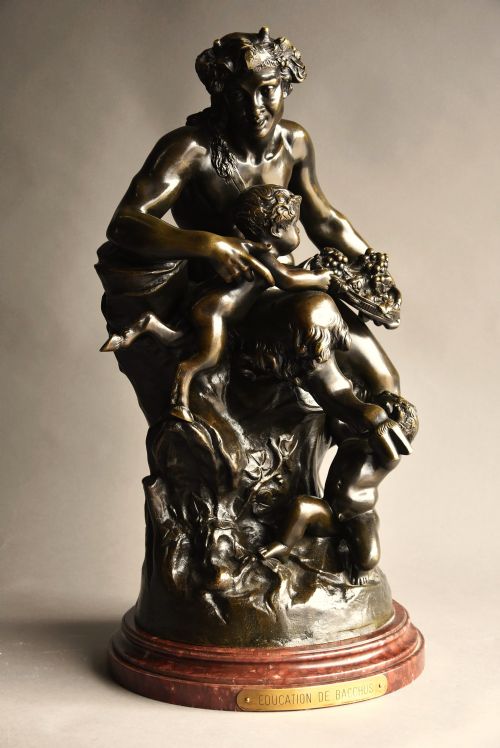
The versions most commonly met on this page originate from nineteenth-century European foundries, frequently created as Grand Tour souvenirs for travellers returning from Italy. They range from single figures like the dancing faun to multi-figure groups after classical models and makers such as Clodion.
How they were made
These figures are produced in bronze using traditional casting methods, often receiving patination or verdigris treatments to emulate the appearance of recovered antiquity. Many are mounted upon integral or separate marble bases that provide stability and contrast to the dark metal.
Modelled as reductions after famous museum pieces, the sculptures rely on precise chasing and finishing of the cast surface to define musculature, drapery, and facial expressions.
Nineteenth-century styles on this page span Neoclassical, Rococo Revival, and Classical Revival.
What varies in quality
The standard of a casting is defined by the crispness of the detail in the chasing and the subtlety of the patination, which distinguish a spirited reduction from a softer, more commercial souvenir. Finer examples retain sharp definition in hair, fingers, and instrumentation.
The weight of the bronze and the quality of the marble plinth also indicate the care taken in the workshop during assembly.
Claude Michel Clodion
The Satyr Bronze Figurine Glossary
- Patinated Bronze
- Bronze treated with chemical solutions to produce a specific surface colour and tone. This finish protects the metal and enhances the sculptural depth.
- Grand Tour
- A cultural journey undertaken by nineteenth-century Europeans to antiquity sites in Italy. Souvenirs bought along the way included bronze reductions of famous sculptures.
- Verdigris
- A green patina formed naturally on copper and bronze over time or applied artificially. It mimics the appearance of long-buried ancient artefacts.
- Reduction
- A smaller scale copy of a larger or monumental sculpture. These were popular for display in nineteenth-century domestic interiors.
Satyr Bronze Figurine: Frequently Asked Questions
What is a Grand Tour bronze?
A Grand Tour bronze is a nineteenth-century souvenir cast in metal after famous classical sculptures found in Italian museums and excavations. Travellers collected these reductions to display their classical education and travels upon returning home.
They typically depict mythological subjects like dancing fauns and satyrs, scaled down for domestic display on desks, cabinets, or mantelpieces.
How old are these bronze figures?
The pieces available here generally date from the nineteenth century, spanning the Victorian era and the decades around eighteen-eighty and eighteen-ninety. They draw inspiration from much older Roman and Greek prototypes discovered at Pompeii and Naples.
Foundries of this period specialised in reproducing these classical forms using traditional metal casting and patination techniques.
How do I care for a bronze sculpture?
Bronze requires minimal maintenance beyond occasional dusting with a soft, dry brush to prevent particulate accumulation. Avoid using chemical polishes, which can strip away the historical patination applied to the metal surface.
Keeping the figurine in a stable environment away from excessive moisture protects both the bronze and any fitted marble base.