
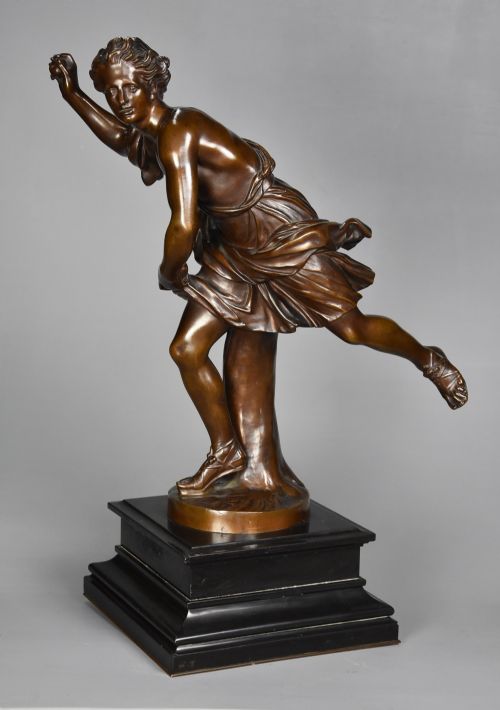



Greek Mythology Bronze
Greek mythology bronze figures capture ancient deities and heroes through classical revival artistry that brings nineteenth-century grandeur directly into your collection.
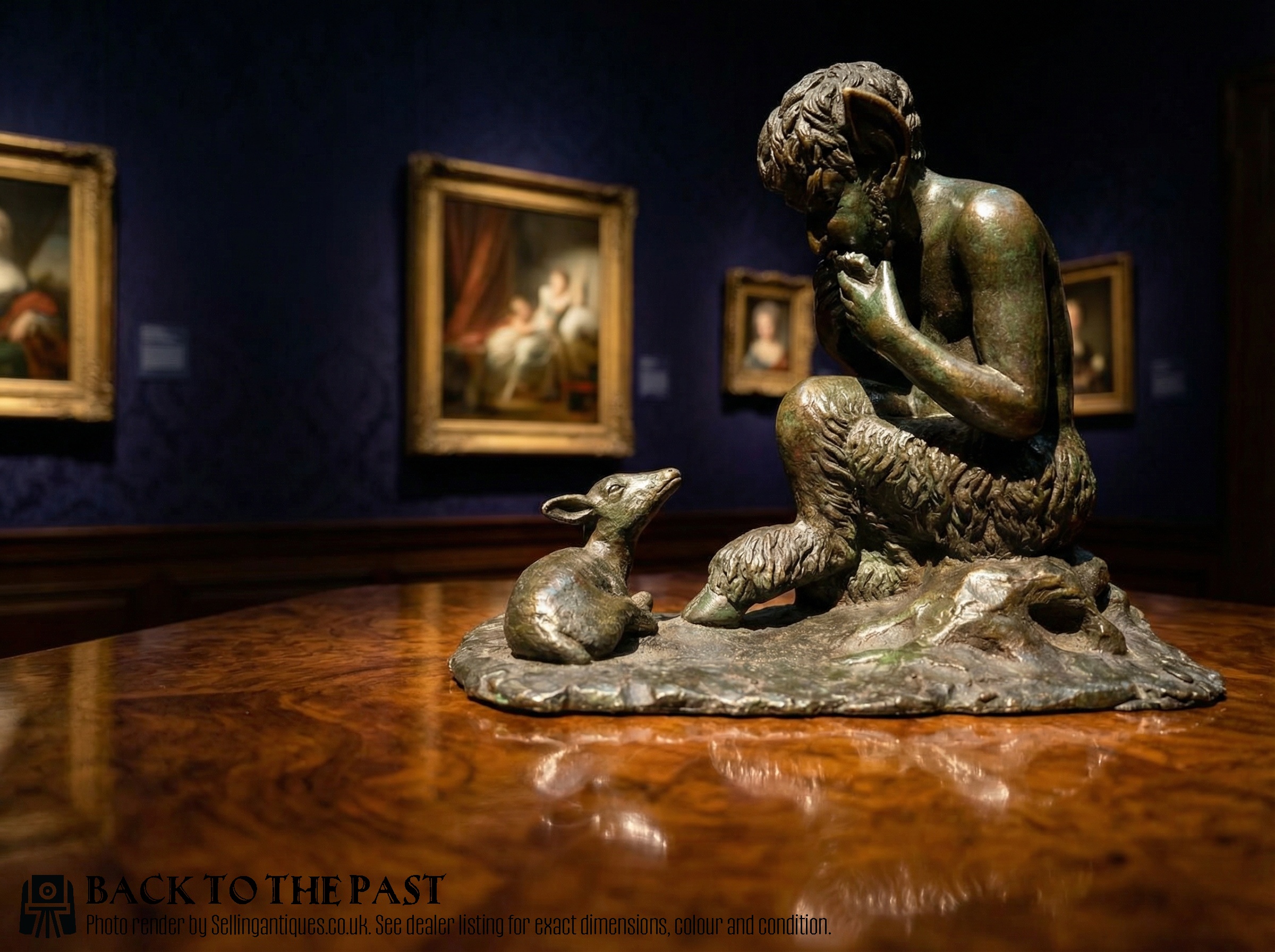
Greek Mythology Bronze
When you search for greek mythology bronze, you encounter nineteenth-century interpretations of ancient classical figures cast in metal. These pieces depict mythological subjects including gods, heroes, and tragic figures from antiquity.
The most common versions on this page are nineteenth-century Grand Tour souvenirs and gallery casts depicting deities such as Apollo, Athena, and Zeus. Sculptures take the form of full figures and portrait busts modelled after classical originals.
Originating predominantly from European foundries and Italian workshops, these works reflect the nineteenth-century fascination with classical antiquity. Neoclassical and classical revival styles dominate the forms available here.
Materials and construction methods
Foundries utilised traditional bronze casting techniques to render complex mythological figures with high fidelity. Surfaces received various finishes, ranging from rich patinas to verdigris effects that mimic ancient burial states.
Many sculptures incorporate complementary materials to enhance their visual weight and presence. Sculptures frequently rest upon bases of marble, ebonised wood, or incorporate gilt bronze and ormolu mounts.
Listings feature nineteenth-century bronze sculptures paired with marble and ebonised wood bases, executed in neoclassical and classical revival styles.
Distinguishing quality in castings
The quality of the foundational materials also dictates value, particularly the density and selection of the marble base and the stability of the patination. Maker signatures or foundry stamps add significant attribution weight to specific bronze pieces.
Barbedienne·Messina Roma·Franz Iffland
The Greek Mythology Bronze Glossary
- Grand Tour
- A cultural journey undertaken by wealthy young Europeans through Italy during the eighteenth and nineteenth centuries. Souvenirs purchased on these travels often included small-scale bronze sculptures of classical figures.
- Patina
- The chemical colouration or surface film that develops on bronze over time or through intentional chemical application. Foundries produced patinas ranging from dark brown to aged verdigris.
- Ormolu
- Finely ground high-carat gold applied to a bronze object using a mercury amalgamation process. This technique created a brilliant golden finish seen on decorative mounts and select portrait busts.
- Neoclassical
- An artistic movement spanning the eighteenth and nineteenth centuries inspired by the art and culture of classical antiquity. It prioritises solemnity, proportion, and mythological subjects.
Greek Mythology Bronze: Frequently Asked Questions
What is a Grand Tour bronze?
A Grand Tour bronze is a nineteenth-century souvenir sculpture purchased by travellers visiting classical sites in Italy. These smaller figures reproduced famous ancient statues for private display at home.
Such pieces allowed collectors to bring classical antiquity into domestic interiors without owning museum-scale antiquities.
How do I identify mythological figures?
Figures are identified through their traditional attributes, such as instruments, animals, or specific items held in their hands. For example, Pan plays pipes to a fawn, while Apollo appears with laurel or solar iconography.
Inscriptions on the base or associated literature frequently confirm the precise identity of the deity or hero depicted.
How should I clean bronze figures?
Bronze sculptures require minimal intervention and should only be dusted gently with a dry, soft cloth. Avoid using water, oils, or commercial metal polishes, as these substances can strip the historic patina.
Preserving the original surface finish maintains both the historical integrity and the aesthetic character of the piece.