


Classical Bronze Ornament
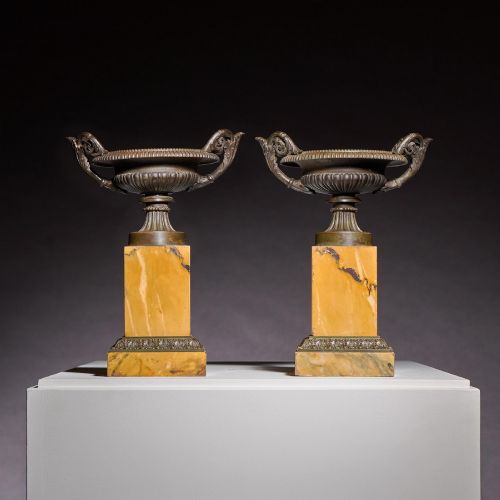
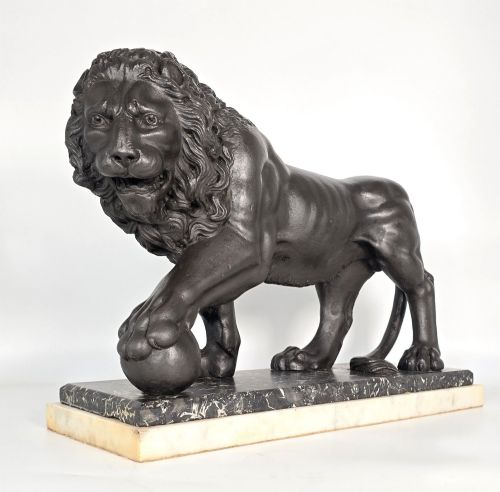
These pieces of classical bronze ornament bring the tactile weight of antiquity into a room, drawing on centuries of myth, architecture, and sculpture.
Classical Bronze Ornament
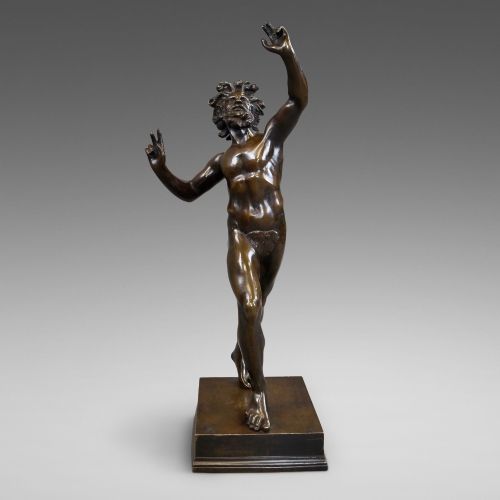
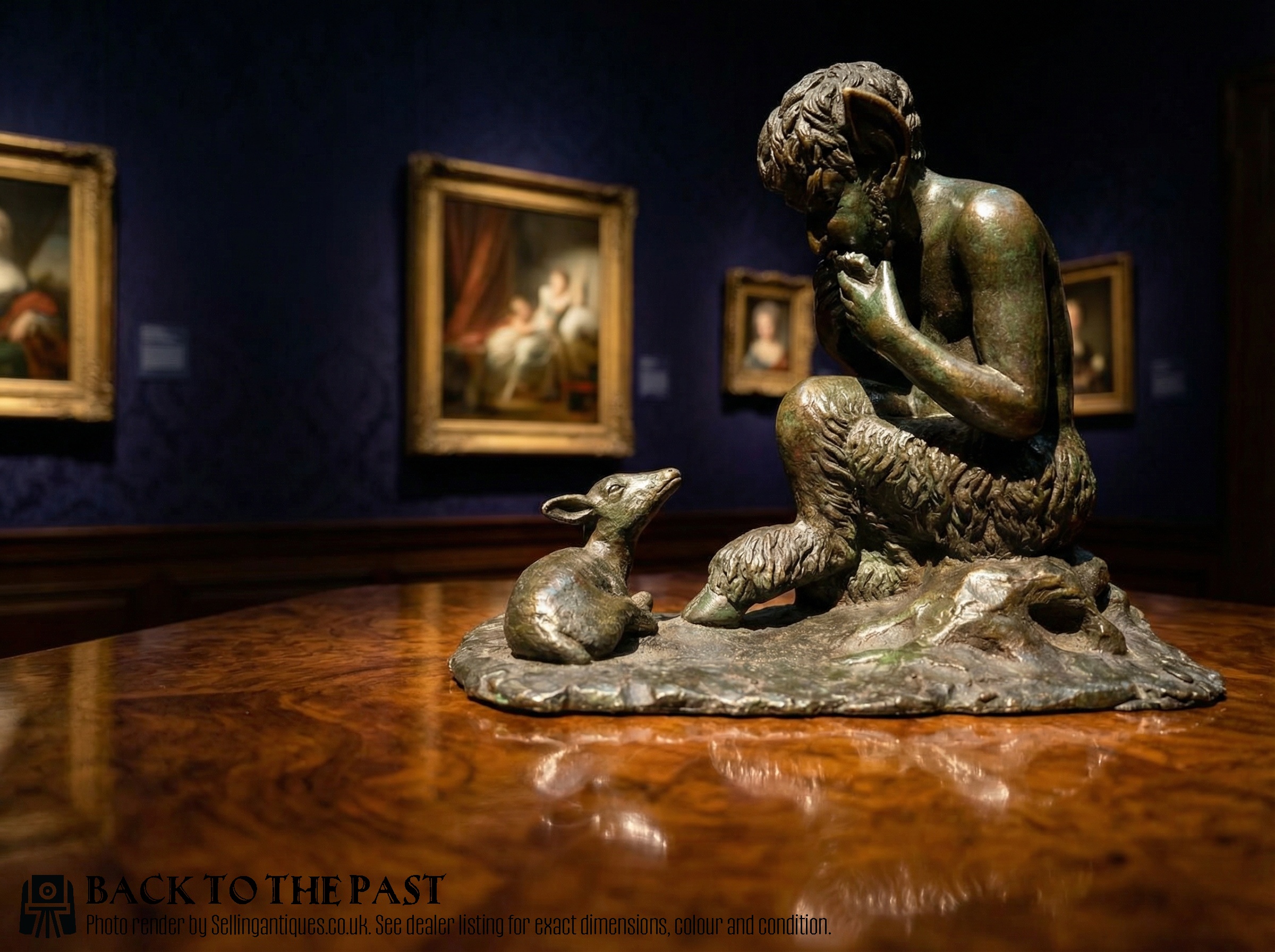
A classical bronze ornament represents figures, architectural models, and decorative objects drawn from ancient Greek and Roman mythology, history, and design. These works span the nineteenth century, including Grand Tour souvenirs, French figural casts, and Neoclassical ewers.
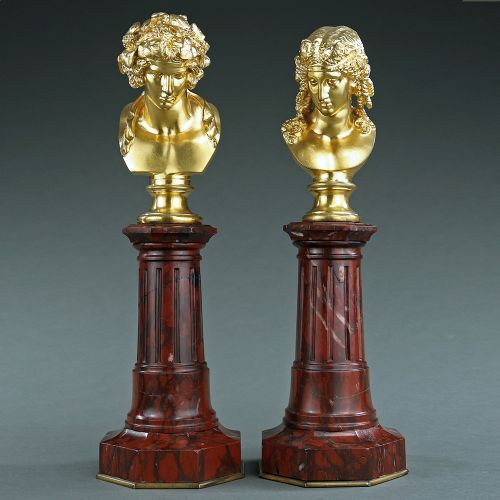
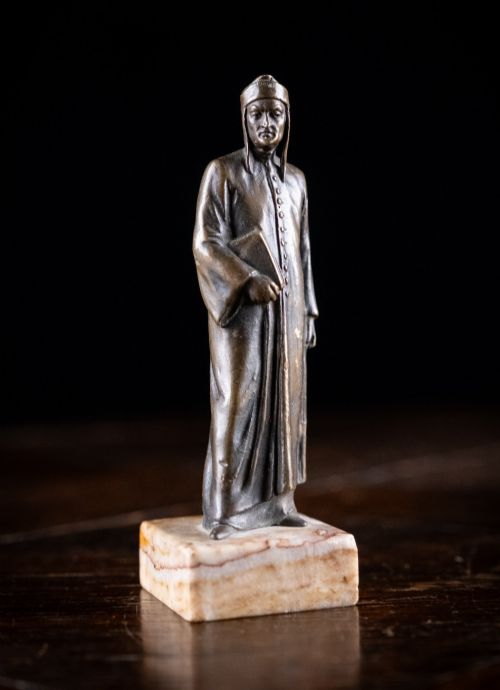
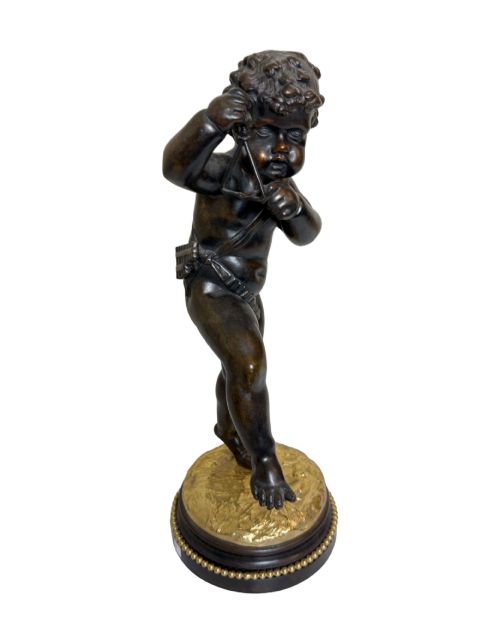
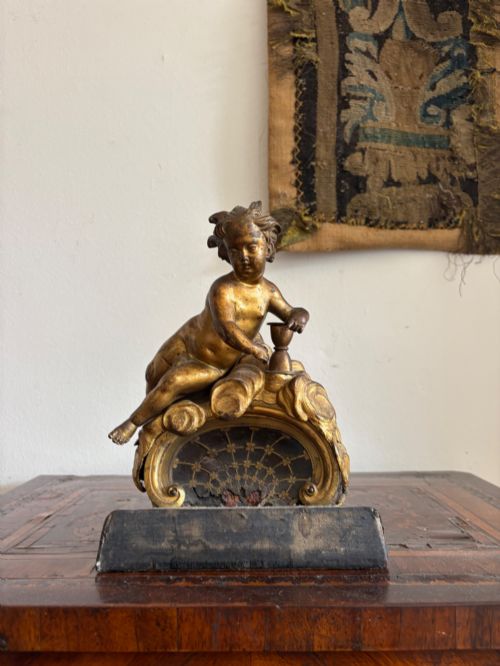
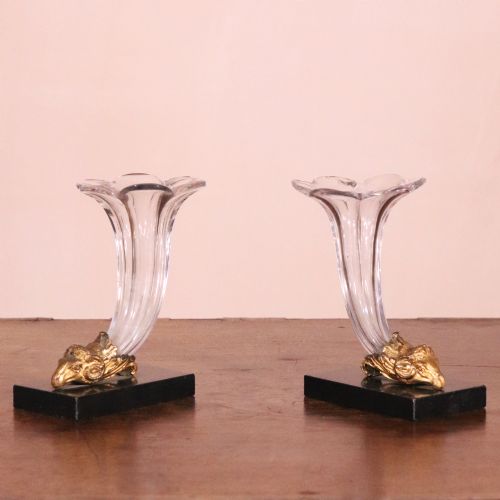
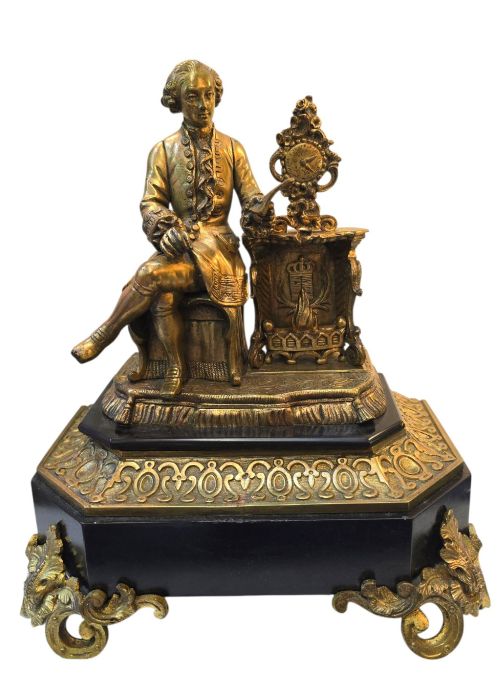
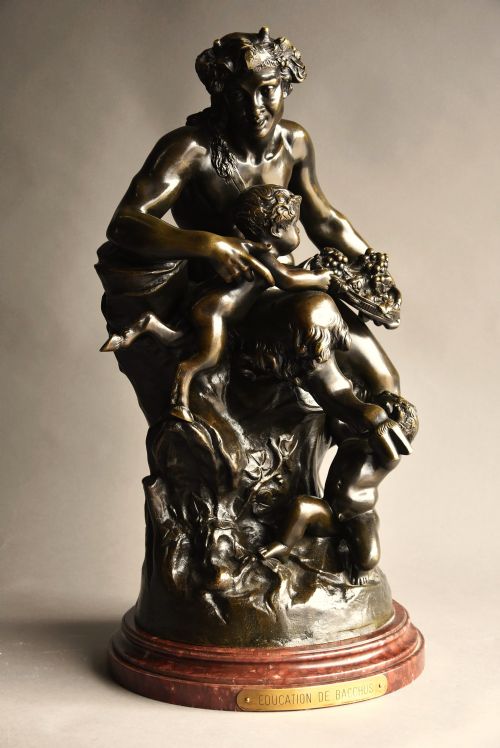
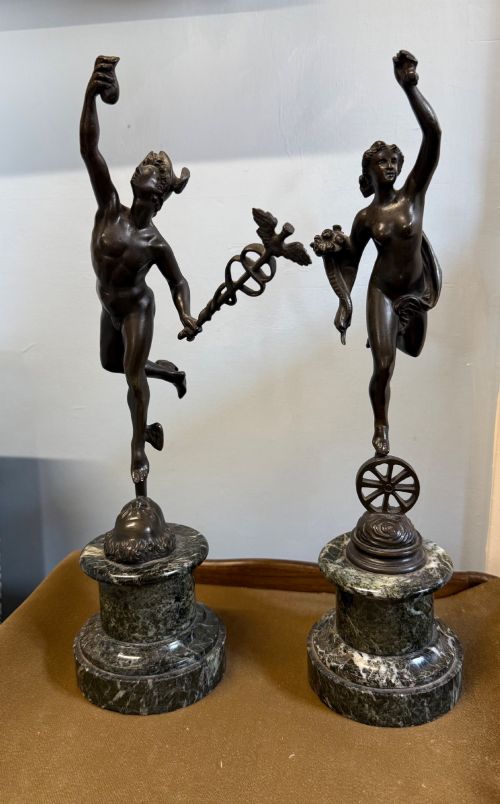
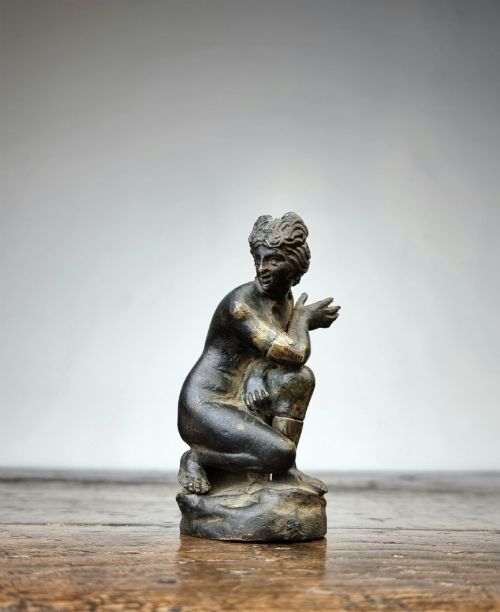
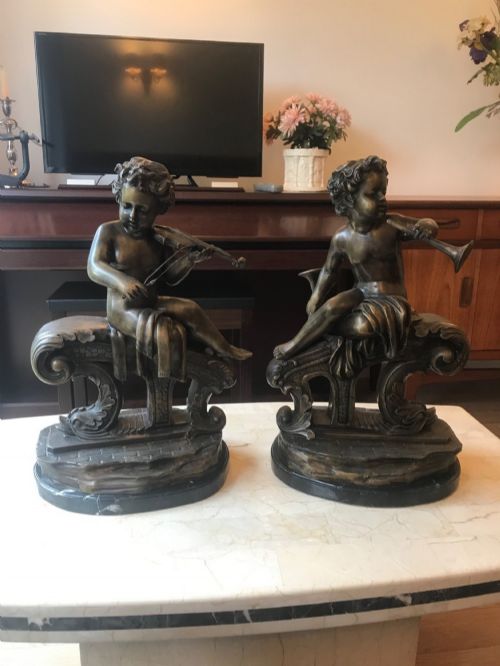
Most examples found here take the form of small sculptures, busts, putti, and decorative mounts cast in patinated bronze or gilt bronze, often mounted on marble bases. Subjects range from classical deities and historical heroes to dancers and animals.
The aesthetic looks back to antiquity and the Renaissance, filtered through later nineteenth-century French and Italian workshops. Buyers encounter everything from small souvenir figures to large decorative groups intended for mantelpieces and display tables.
How they were made
Foundries produced these pieces using the lost-wax method or sand casting, capturing fine details in the metal before finishing the surface. Artisans applied patinated finishes ranging from dark green to rich brown, or utilised mercury gilding and ormolu to highlight specific details.
Listings feature nineteenth-century French and Italian works alongside earlier eighteenth-century and later twentieth-century examples.
What varies in quality
The precision of the metal-chasing separates standard decorative castings from superior works, particularly in the rendering of facial expressions, hair texture, and musculature. Fine hand-finishing reveals crisp details that lesser production runs leave soft or muddy.
The choice and preparation of associated materials dictate overall refinement, such as the selection of richly variegated Siena marble for bases rather than plain stone. The depth and stability of the patina, or the genuine quality of the ormolu application, further define the standing of an individual piece.
Moreau Family·Émile Louis Picault·Emile Carlier·Aurore Onu Cymbal Dance·C J R Colinet·Charles Crozatier·Auguste Moreau·Claude Michel Clodian
The Classical Bronze Ornament Glossary
- Ormolu
- Gilded bronze, usually produced by applying a mixture of gold and mercury to the metal surface. This technique creates a bright, lasting golden finish characteristic of French decorative objects.
- Patina
- The surface coloration and sheen developed through age or chemical treatment. Artisans deliberately produced dark green or brown patination on bronze to mimic excavated antiquities.
- Grand Tour
- A traditional trip through Europe undertaken by travellers in the eighteenth and nineteenth centuries. Souvenirs collected along the way included bronze reductions of famous classical sculptures and architectural models.
- Spelter
- A zinc alloy used as a less expensive substitute for bronze. Spelter figures were frequently painted or bronzed to resemble genuine metalwork.
- Campana urn
- A classical bell-shaped vessel form derived from ancient pottery and marble prototypes. These urns appear frequently in decorative metalwork and mantel ornaments.
Classical Bronze Ornament: Frequently Asked Questions
What is a Grand Tour bronze?
A Grand Tour bronze is a small-scale souvenir cast in Italy or France during the nineteenth century, reproducing famous ancient sculptures, ruins, or architectural monuments for travellers.
These pieces allowed collectors to bring classical antiquity back to their homes, serving as refined ornaments for libraries, studies, and drawing rooms.
How do I distinguish bronze from spelter?
Bronze is heavier, colder to the touch, and rings with a distinct tone when struck gently, whereas spelter is a softer zinc alloy that feels lighter and shows a more brittle fracture if damaged.
Closer inspection often reveals the warmer, more flexible chisel work possible in genuine bronze compared to the softer details found on spelter castings.
Why are many figures mounted on marble?
Marble plinths and bases provide visual weight and stability to statues and decorative objects, creating a clear architectural boundary between the bronze figure and the surface below.
Coloured stones such as Siena marble were particularly favoured during the nineteenth century to add richness and contrast to Neoclassical compositions.
How should I care for patinated bronze?
Dust the surface regularly with a soft, dry brush and avoid applying commercial metal cleaners or oils that can strip the historic patina.
Keeping the ornament in a stable environment away from excessive moisture preserves the chemical finish applied by the foundry.