


Small Bronze Desk Ornament
A small bronze desk ornament brings the weight and detail of classical and animalier sculpture to your workspace.
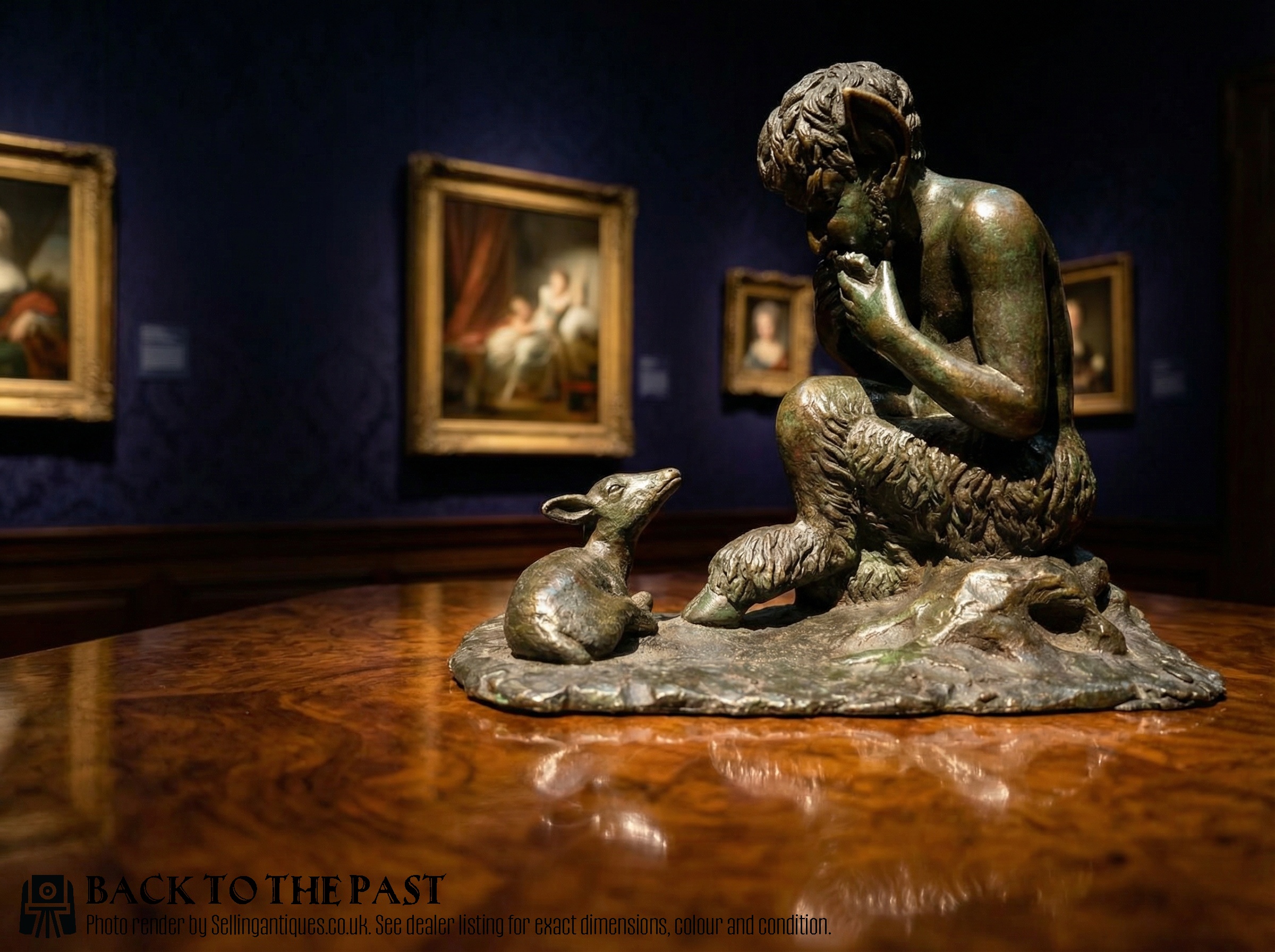
Small Bronze Desk Ornament
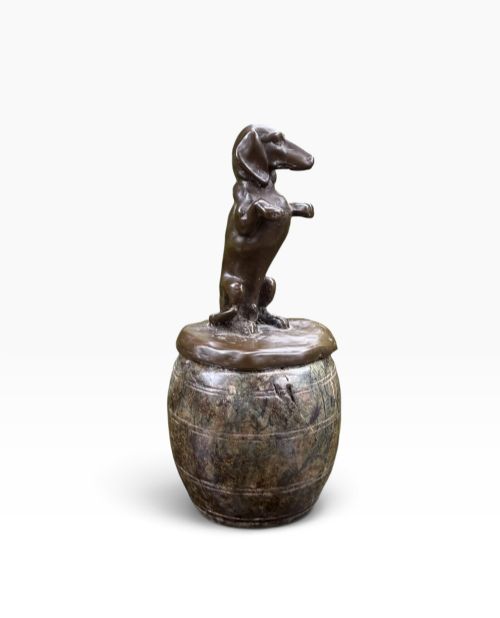
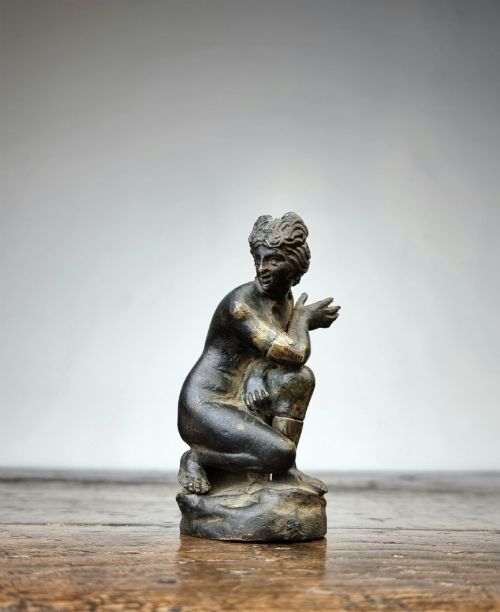
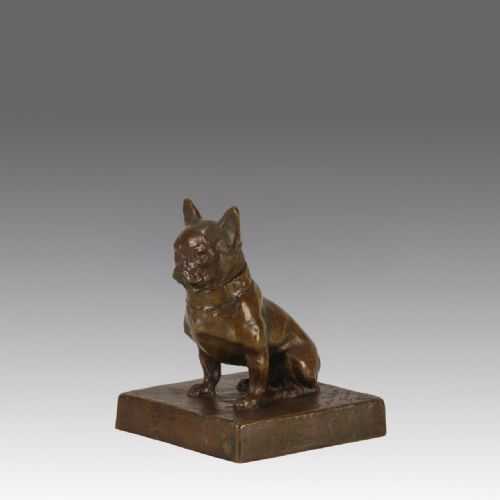
A small bronze desk ornament is a compact sculptural object designed for a writing table or cabinet. You encounter works ranging from animalier dog studies and cold painted figures to classical deities and Grand Tour souvenirs. These desk ornaments appear across periods from the seventeenth century through the early twentieth century.
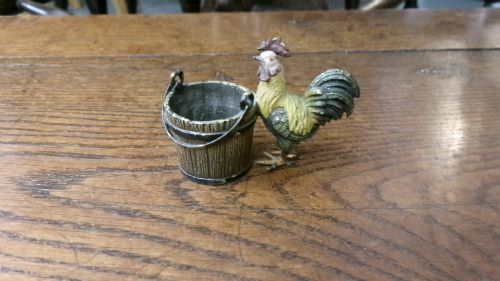
The selections on this page span Victorian animalier pieces, Edwardian cold painted novelties, and classical revivals. Buyers find subjects including dogs, frogs, mythological figures, and provincial farm characters. Each piece serves as a tactile desktop accessory or miniature statuette.
How they were made
These items are cast in bronze, occasionally utilising cold painted polychrome finishes to add colour to figures such as cockerels and frogs. Metalworkers shape the alloy to capture fine textures in animal fur and human drapery.
Several figures are mounted on contrasting bases made from marble or alabaster, anchoring the metalwork and providing a stable foundation for desk use.
Current listings feature materials including bronze, marble, paint, alabaster, and brass across periods from the seventeenth to the twentieth century.
What varies in quality
The preservation of original cold painted surfaces dictates the desirability of Vienna bronzes and animalier studies. Subtle patination and integrated stone bases elevate certain works above standard production.
The Small Bronze Desk Ornament Glossary
- Animalier
- A nineteenth-century artistic focus on the realistic depiction of animals, particularly predators and domestic dogs. Sculptors in this tradition studied anatomy closely.
- Cold painted bronze
- A technique where bronze figures are painted with cold enamel paints rather than fired in a kiln. This finish is delicate and easily abraded.
- Grand Tour
- A traditional trip through Europe undertaken by upper-class young men in the eighteenth and nineteenth centuries. Travellers collected small bronzes as portable mementos.
- Alabaster
- A fine-grained stone used frequently for sculpture bases and ornamental objects. It offers a smooth, translucent surface that contrasts with dark metal.
Small Bronze Desk Ornament: Frequently Asked Questions
What is a cold painted bronze?
Cold painted bronze refers to metal figures decorated with unfired paint layers rather than traditional heat-set enamels. This method allowed makers to produce brightly coloured subjects like exotic birds and playful frogs.
Because the paint is applied cold, these pieces require careful handling to preserve the surface pigment over time.
How do I date a small bronze?
Dating relies on stylistic clues, the character of the metal patina, and any associated mounting materials like marble or alabaster. Animalier subjects often point to nineteenth-century French workshops.
Examining the underside for casting marks and wear patterns also helps determine the age of the piece.
Where were Grand Tour bronzes made?
Grand Tour bronzes were typically cast in workshops across Italy and France for foreign travellers. These items recreated famous classical sculptures seen during European travels.
Collectors sought them out as scholarly ornaments for libraries and desks.
Can I use these as paperweights?
Many of these small sculptures functioned historically as desk accessories and paperweights. Their solid metal weight makes them practical for holding down correspondence.
However, delicate extremities or fragile painted surfaces require gentle placement on the desk.