


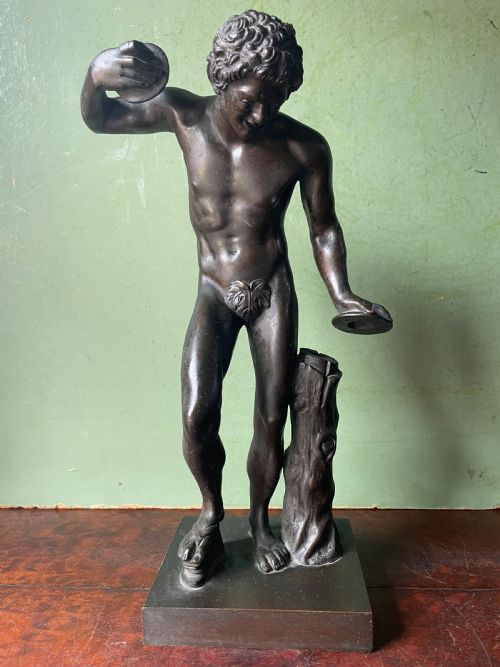


Bronze Faun Figurine
A bronze faun figurine captures classical mythology in cast metal, bringing the sculptural elegance of antiquity into nineteenth-century domestic interiors.
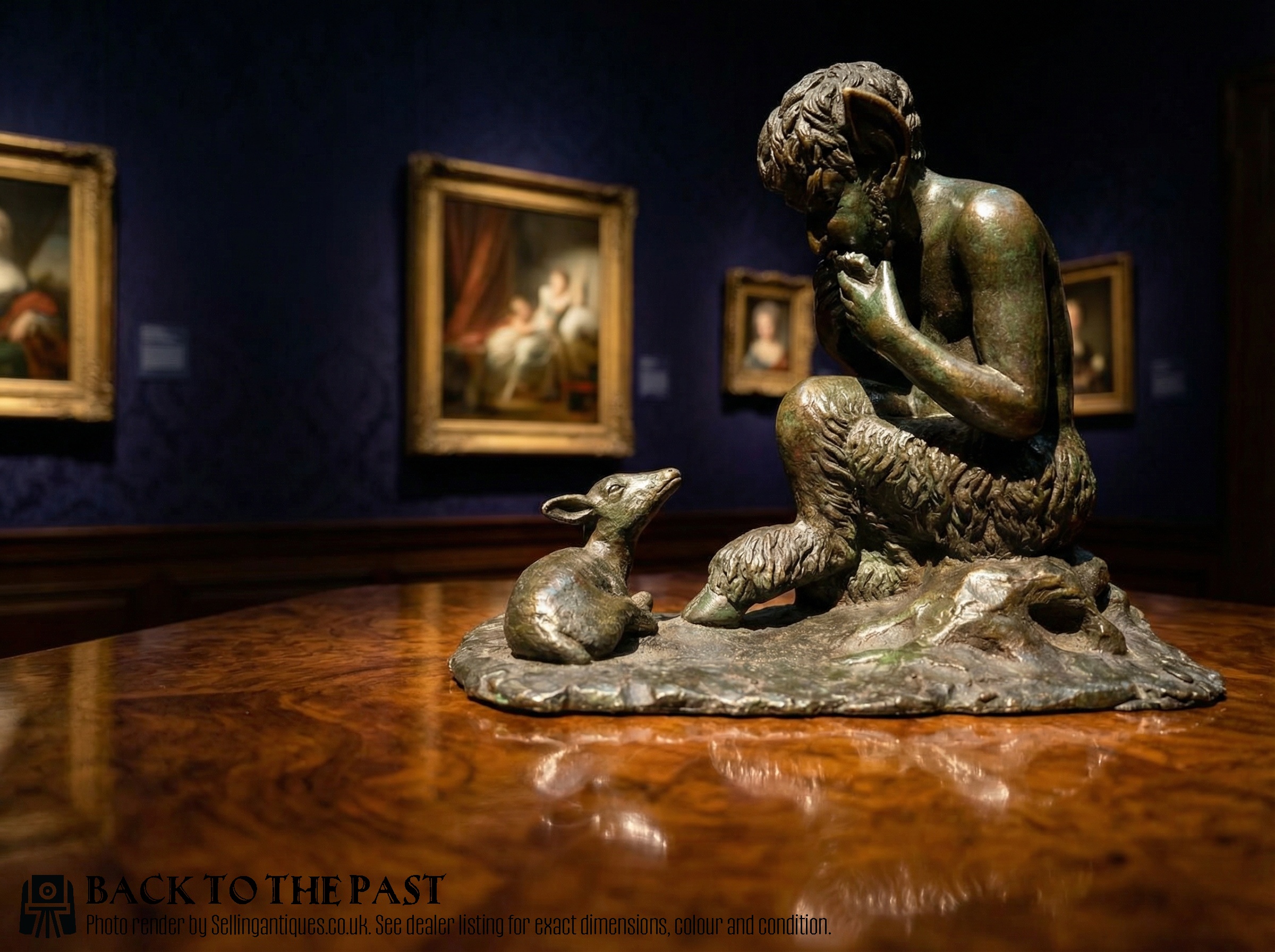
Bronze Faun Figurine
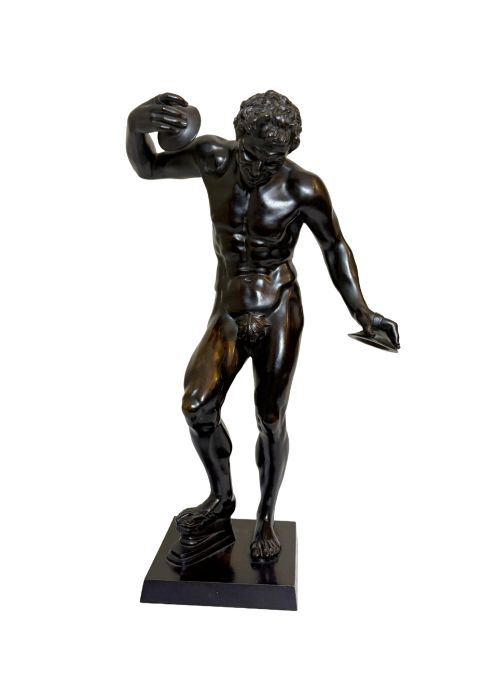
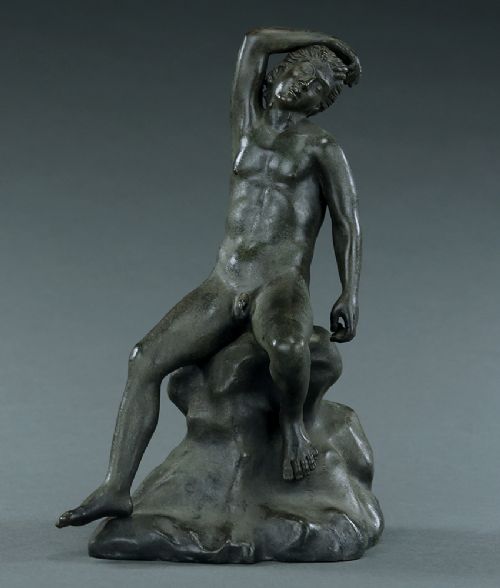
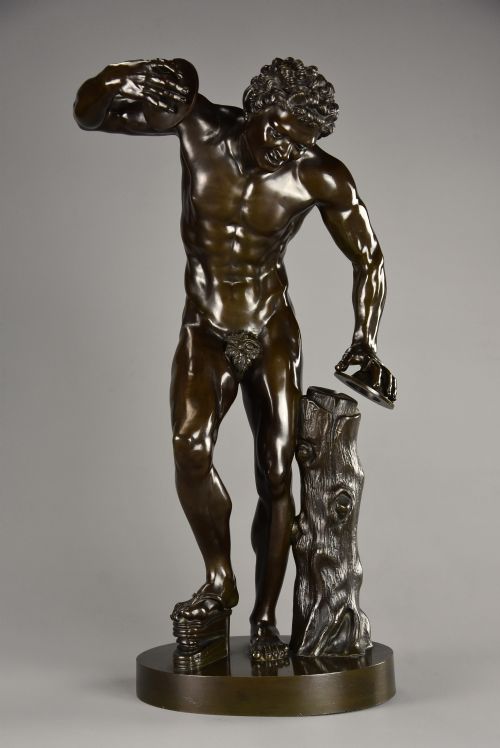
A bronze faun figurine represents mythological subjects inspired by classical antiquity, frequently taking the form of dancing figures, sleeping youths, or flute players. These works emerge predominantly from nineteenth-century European production, particularly as Grand Tour souvenirs acquired by travellers in Italy. Buyers searching for a bronze faun figurine encounter numerous interpretations of ancient discoveries such as the famous sculpture from Pompeii. The most common versions on this page are nineteenth-century cast bronze reductions of classical prototypes, often mounted on marble or stone bases.
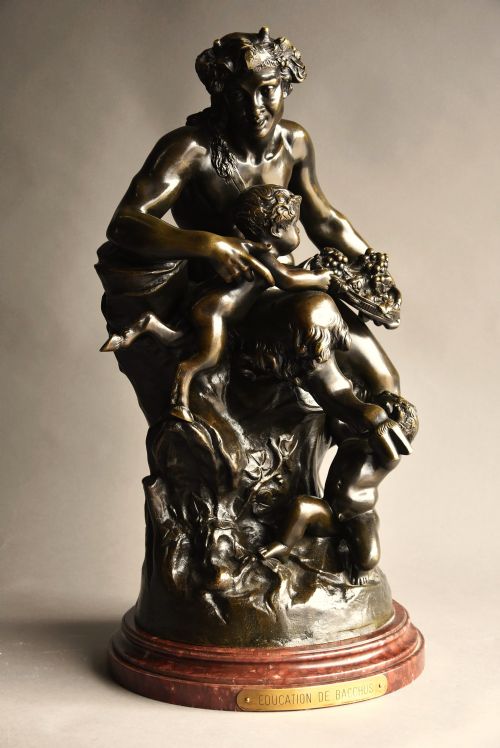
The sculptural forms range from solitary dancers with cymbals or clappers to group compositions featuring satyrs and pan figures. Many pieces reflect Neoclassical, Classical Revival, and Rococo Revival tastes that dominated European artistic production during the Victorian era. The iconography draws heavily upon the imagery of Bacchus and mythological woodland scenes, translating large-scale ancient monuments into cabinet-sized bronzes.
Materials and casting methods
These figures are realised primarily through metal casting, utilising copper-alloy bronze to achieve durable and expressive sculptural forms. Makers applied chemical treatments after casting to produce varied surface finishes, ranging from dark patinated bronze and green patinated bronze to bright verdigris highlights. The resulting patination protects the metal while emulating the aged surfaces of excavated antiquities.
Many bronzes are secured to heavy integral or separate bases made of marble or stone, providing both stability and a formal architectural contrast to the metal figures. The casting process frequently involves reduction techniques, scaling down monumental classical statues to portable sizes suitable for display on nineteenth-century tables and mantelpieces.
Pan occasionally stops his piping long enough to watch a bronze faun dance circles around a marble column.
Distinguishing quality in nineteenth-century casts
Surface patination also separates works of higher ambition from standard commercial output. Masterful applications of patination create depth and tonal variation across the bronze, whereas inferior pieces present a flat, uniform colour. Additionally, the quality of the mounting - particularly the density and polish of the associated marble or stone base - reflects the original maker's investment in the complete object.
Claude Michel Clodion·Duchemin
The Bronze Faun Figurine Glossary
- Grand Tour
- A traditional journey through Europe, chiefly Italy, undertaken by upper-class young men in the eighteenth and nineteenth centuries to study arts and antiquity. Souvenirs purchased along the way included small bronze sculptures after famous ancient works.
- Neoclassical
- A Western cultural movement drawing inspiration from the art and culture of classical antiquity. In sculpture, it manifests in balanced compositions, idealised human forms, and direct references to Greek and Roman archetypes.
- Patination
- The process of applying chemical treatments to the surface of metal to alter its colour and texture. This finish protects the bronze and simulates the aged appearance of ancient artefacts.
- Reduction
- A smaller copy of a larger sculpture, achieved through mechanical pantographic scaling or skilled modelling. This technique allowed nineteenth-century workshops to reproduce monumental public sculptures as portable cabinet pieces.
Bronze Faun Figurine: Frequently Asked Questions
What is a Grand Tour bronze figurine?
A Grand Tour bronze figurine is a nineteenth-century souvenir cast in metal after ancient classical sculptures discovered in Italy. Travellers collected these portable reductions to commemorate their cultural journeys across Europe.
These pieces typically depict mythological figures like dancing fauns, satyrs, and classical deities. They served as decorative items for studies, libraries, and drawing rooms.
How can I identify a nineteenth-century cast?
Nineteenth-century casts are characterised by the composition of the bronze metal, the style of the patination, and the construction methods used for the base. Examining the underside often reveals the physical traits of period casting techniques.
Stylistic markers such as Classical Revival aesthetics and specific finishing methods also help contextualise the piece within the Victorian period. Maker stamps or foundry marks may appear on the bronze surface or base.
What are fauns and satyrs usually depicted doing?
Fauns and satyrs in these sculptures are typically shown engaged in celebratory or musical activities. Common motifs include dancing, playing pipes, holding cymbals, or participating in Bacchic revelry.
These energetic poses reflect the theatrical and mythological interests of nineteenth-century Neoclassical design. The figures capture the spirit of classical antiquity through dynamic movement and expressive gestures.
How do I care for a bronze figurine with a marble base?
Care involves keeping the bronze clean using a soft, dry cloth to remove dust without disturbing the patination. Avoid applying chemical polishes or modern cleaning agents directly to the metal surface.
The stone or marble base should also be dusted gently with a dry cloth. Maintaining a stable indoor environment away from excessive moisture preserves both the metal and the stone mount.