



Dancing Faun of Pompeii
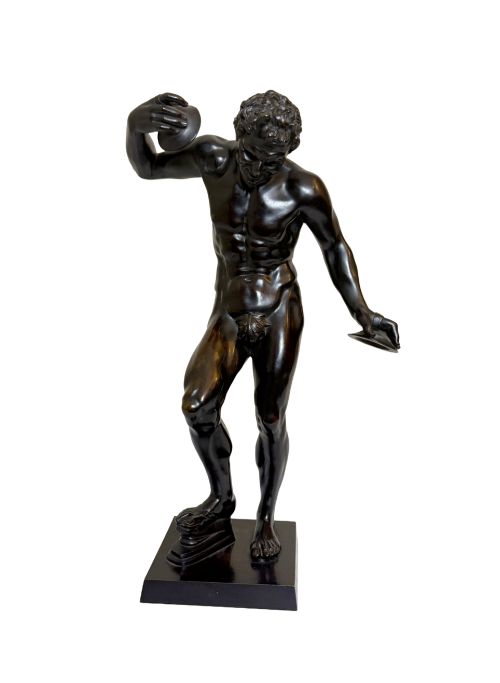
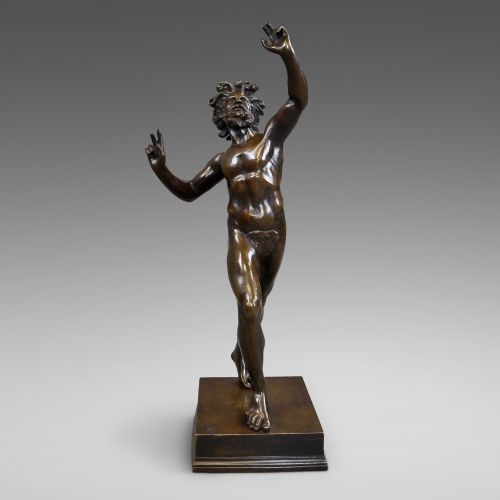
These dancing faun of pompeii figures capture the spirit of classical antiquity, bringing the famous Neapolitan bronze into nineteenth-century studies and libraries as grand tour souvenirs.
Dancing Faun of Pompeii
A dancing faun of pompeii is a classical sculpture reduction modelled after the celebrated antique original discovered at the House of the Faun. These nineteenth-century pieces served as tangible mementos for travellers undertaking the grand tour across Italy.
You are most likely to meet bronze and patinated bronze figures on this page, alongside occasional plaster examples. Most date from the Victorian era, specifically spanning the decades between eighteen-fifty and eighteen-ninety.
The standard form depicts the mythological figure caught mid-dance, often holding cymbals or striking an energetic pose. These works reflect the nineteenth-century enthusiasm for classical revival aesthetics and archaeological discoveries.
What varies in quality
The sharpness of the casting distinguishes finer souvenir reductions from simpler commercial copies. Details in the facial expression, musculature and fingers reveal the skill of the nineteenth-century foundry worker.
Surface patination plays a significant role in the visual appeal of each bronze. Rich, carefully applied patinas survive intact on better examples, whereas inferior pieces display uneven wear or later recolouring.
Dancing Faun of Pompeii Retail Price Guide 2026
Typical asking prices for dancing faun of pompeii among the pieces listed under this phrase on Sellingantiques today, from the lower quarter to the upper quarter. They describe what is for sale here now, not the wider market.
Listings for the dancing faun of pompeii span the Victorian era, featuring works in bronze, patinated bronze, metal, and plaster under grand tour and neoclassical styles.
Duchemin
The Dancing Faun of Pompeii Glossary
- Grand Tour
- A traditional trip through Europe undertaken by upper-class young men in the eighteenth and nineteenth centuries. It focused on the arts and classical antiquities of Italy.
- Reduction
- A scaled-down sculptural copy of a well-known full-size monument or statue. These reductions allowed collectors to display famous antiquities at home.
- Patinated Bronze
- Bronze metal treated with chemical solutions to produce a specific surface colour. This finish protects the metal and mimics the appearance of ancient buried bronzes.
- Neoclassical
- The dominant decorative and artistic style of the late eighteenth and nineteenth centuries. It drew direct inspiration from the classical art and architecture of ancient Greece and Rome.
Dancing Faun of Pompeii: Frequently Asked Questions
What is a dancing faun of pompeii?
It is a nineteenth-century sculptural reduction of the famous ancient roman bronze discovered in Pompeii. Travellers purchased these figures as souvenirs during their travels in Italy.
The subject depicts a mythological faun dancing with expressive movement, often holding cymbals. These pieces brought classical antiquity into Victorian domestic interiors.
How old are these bronze figures?
The examples listed here date from the nineteenth century, largely spanning the Victorian period between eighteen-fifty and eighteen-ninety. They were produced as demand for classical souvenirs peaked among European travellers.
Foundries in Italy and across Europe cast these reductions after the ancient original housed in Naples. The age reflects the era of the grand tour rather than the classical period itself.
What materials were used to make them?
Bronze and patinated bronze form the vast majority of these sculptural works. Foundries utilised metal casting techniques to achieve detailed reductions of the antique original.
Plaster also appears among the listings as an alternative medium for interior display. Marble bases or components sometimes accompany the metal figures.
How do I display a grand tour bronze?
These sculptures suit placement on desks, mantelpieces or dedicated an tables where their detail can be appreciated up close. Their modest scale allows them to integrate easily into studies or libraries.
Keep them away from direct heat sources and moisture to protect the bronze patina. Dust gently with a soft dry cloth without using harsh cleaning agents.