
1930s Table Light
A 1930s table light brings clean lines and industrial utility to a room, offering functional illumination rooted in period design.
1930s Table Light
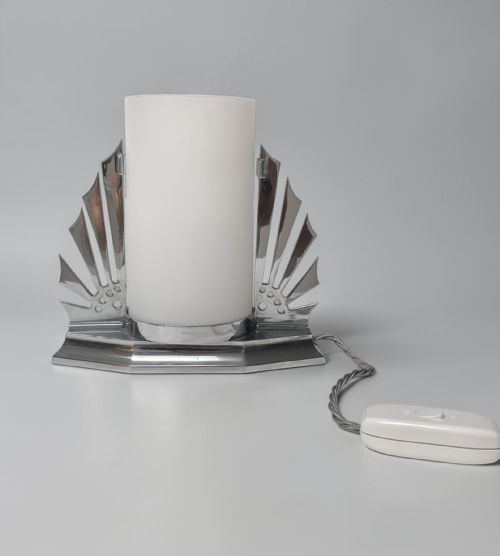
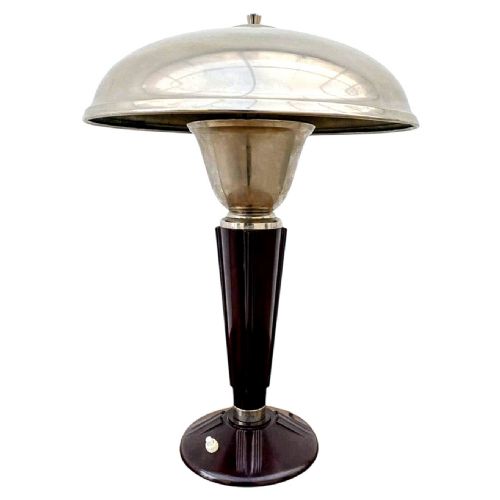
When you search for a 1930s table light, you are looking at domestic lighting that bridges traditional craftsmanship and early modern industrial design. The pieces available on this page reflect the prominent aesthetic movements of the period, specifically Art Deco and Machine Age styles, originating from British, French, and American workshops.
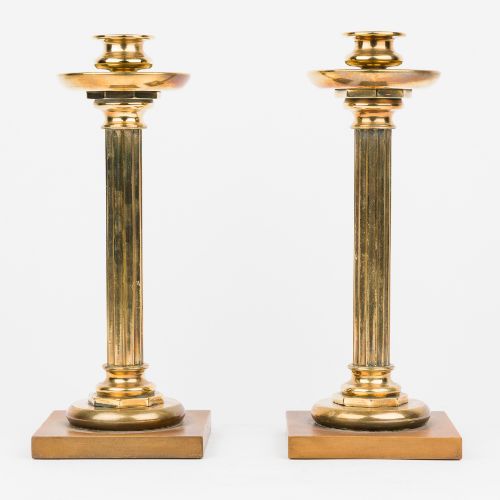
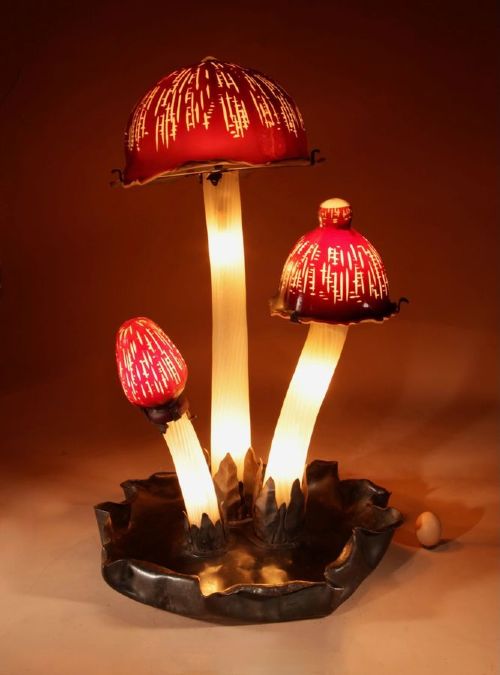
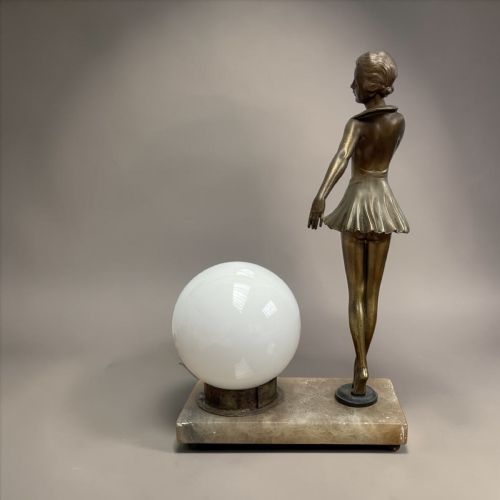
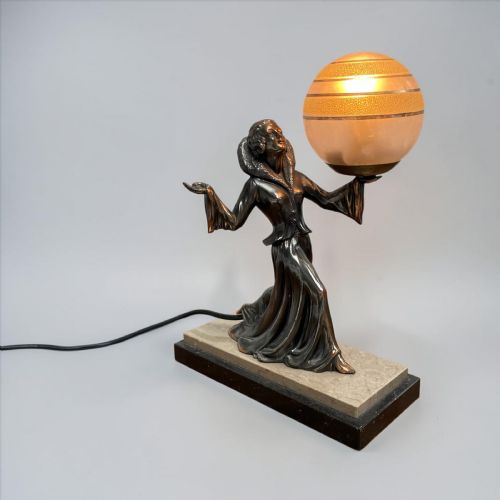
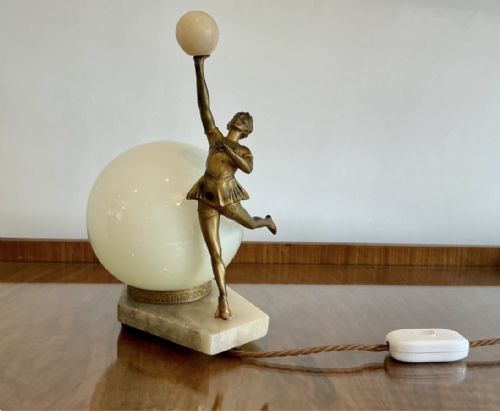
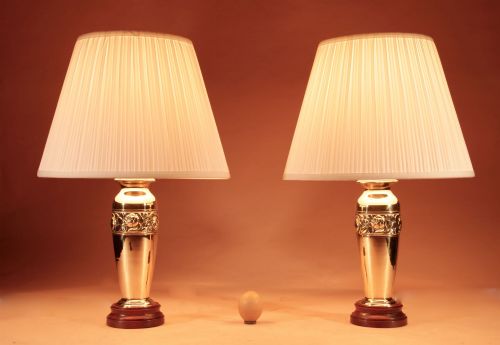
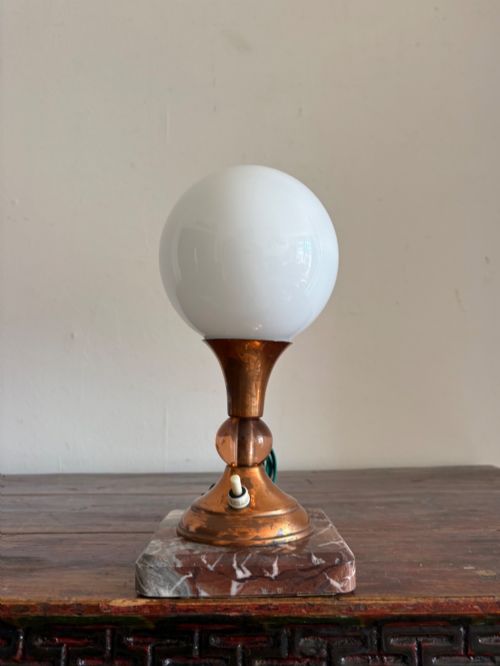
You are most likely to meet forms constructed from durable metals like chrome and brass, alongside moulded glass and heavy marble bases. These lamps frequently double as sculptural figures or architectural elements, ranging from simple adjustable desk lamps to elaborate novelty figural designs.
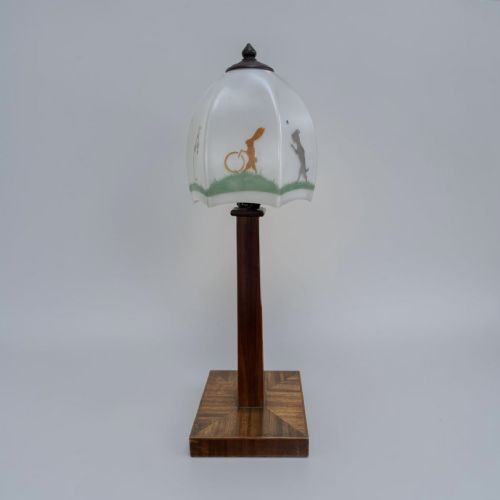
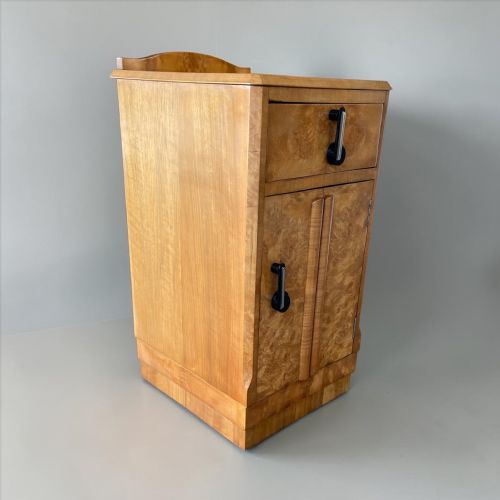
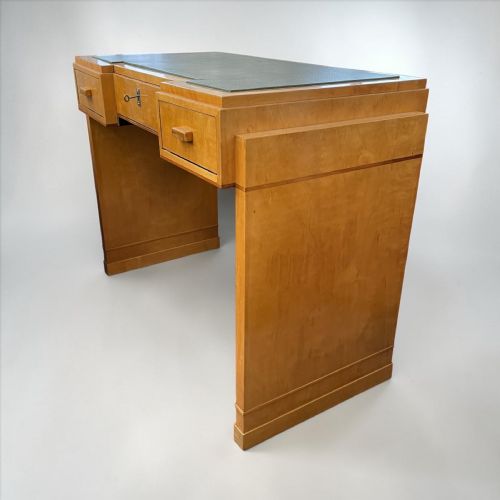
The materials and silhouettes of a 1930s table light reflect an era that embraced both sleek metallic finishes and warm organic textures like oak and satin birch. Whether utilitarian or decorative, each lamp serves as a distinct focal point on a desk, sideboard, or bedside cabinet.
Judging the standard of manufacture
The distinction between standard commercial production and finer pieces lies in the weight of the metal castings and the finish of the surfaces. Superior examples demonstrate precision in the jointing of components, heavy gauge brass or chrome plating, and high-grade marble or alabaster bases without structural fissures.
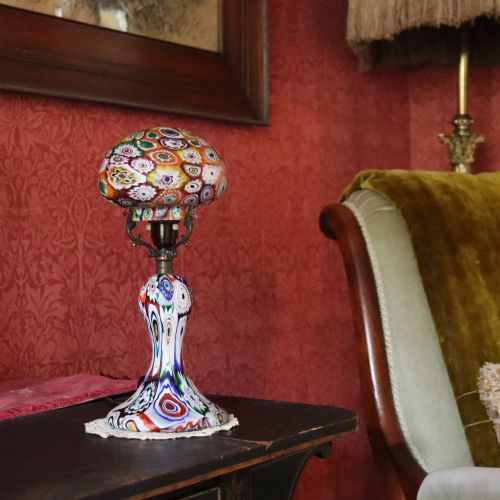
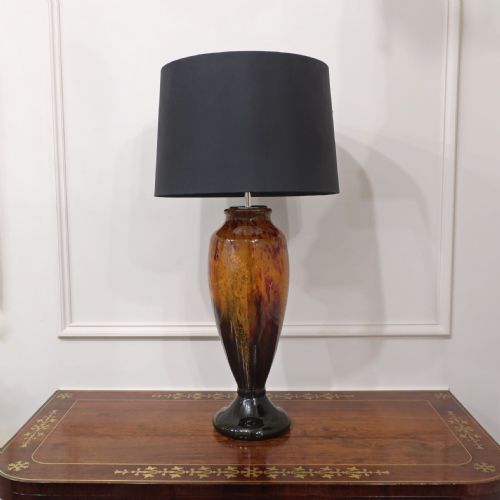
Artistic execution also separates ordinary lighting from exceptional work, particularly in moulded glass shades and figural subjects. Pieces that retain their original shade, specialised switches, and integrated fittings command greater regard among collectors for maintaining complete structural integrity.
Listings feature items spanning the 1920 and 1930 periods, incorporating materials such as brass, chrome, oak, glass, and Bakelite.
Eileen Grey·Herbert Terry·Heal And Son·Charles Schneider·Fratelli Toso
The 1930s Table Light Glossary
- Art Deco
- A design style spanning the 1920s and 1930s characterised by streamlined geometric forms, stylised motifs, and modern industrial materials. It influenced everything from architecture to small domestic table lamps.
- Bakelite
- An early form of synthetic thermosetting plastic widely used in the 1930s for electrical housings, handles, and lamp bodies due to its durability and rich dark lustre.
- Machine Age
- An American design aesthetic from the interwar period that celebrated industrial efficiency, smooth chrome surfaces, and functional engineering.
- Opaline glass
- A milky, translucent glass often blown into shades for table lights to diffuse illumination softly across a workspace or living area.
- Spelter
- An alloy of zinc and lead cast into decorative figures and lamp bases, frequently given a bronze or metallic coating to mimic more expensive metals.
1930s Table Light: Frequently Asked Questions
How do I safely rewire a vintage lamp?
Safety standards require modern electrical components to meet current regulations, so historic lamps should be fitted with new braided flex and certified lamp holders by a qualified electrician.
Retaining the original switch or plug body is often possible while updating the internal wiring to ensure safe daily use in the home.
Can I use standard LED bulbs?
Most vintage fittings accept modern SES or B22 LED bulbs, provided the wattage matches the thermal limits of the original shade and housing.
Low-heat LED alternatives are particularly suitable for delicate opalescent or mottled glass shades that could be damaged by traditional incandescent heat.
How do I distinguish Art Deco from earlier styles?
Art Deco lighting abandons the elaborate floral carvings and organic curves of the preceding Art Nouveau period in favour of symmetry, geometric stepping, and streamlined silhouettes.
The use of newly developed synthetic plastics and polished chrome alongside traditional marble defines this sharp, modern shift.
Where should I place a heavy marble base lamp?
Because these lamps often feature dense stone bases and cantilevered metal arms, they require a stable surface such as a sturdy desk, console table, or heavy sideboard.
Their substantial weight provides natural stability, making them well-suited for high-use workspaces or reading areas.