
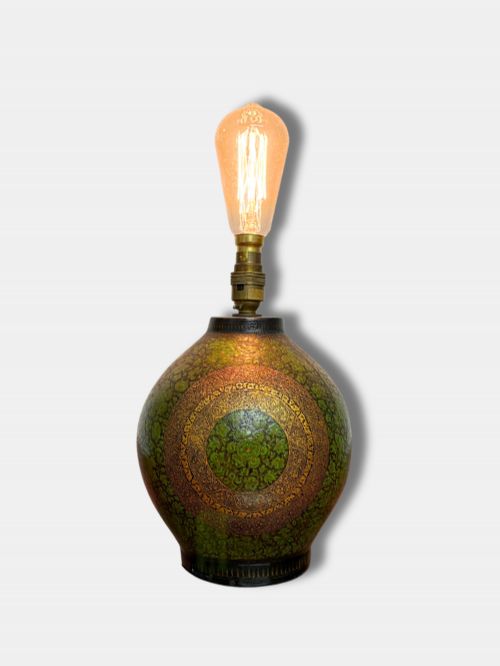


1920s Bedside Lamps
These 1920s bedside lamps bring period character to a room, offering functional illumination through distinct historical designs.
1920s Bedside Lamps
When searching for 1920s bedside lamps, collectors encounter an assortment of table lighting reflecting the aesthetic shifts of the early twentieth century. The selections available on this page include period table lamps, night lights, and associated side pieces made to suit domestic spaces.
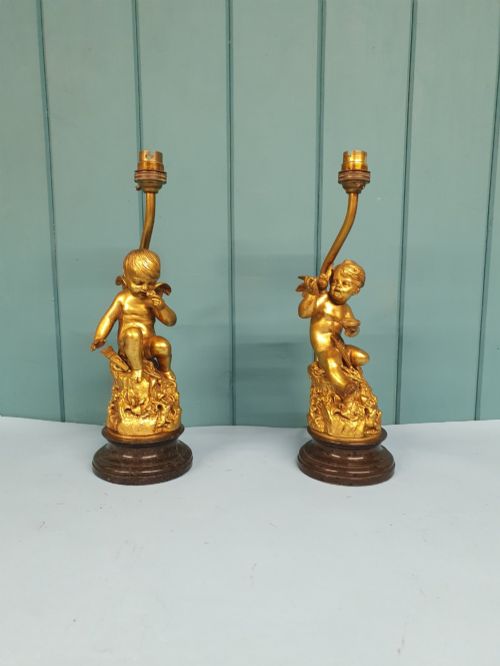
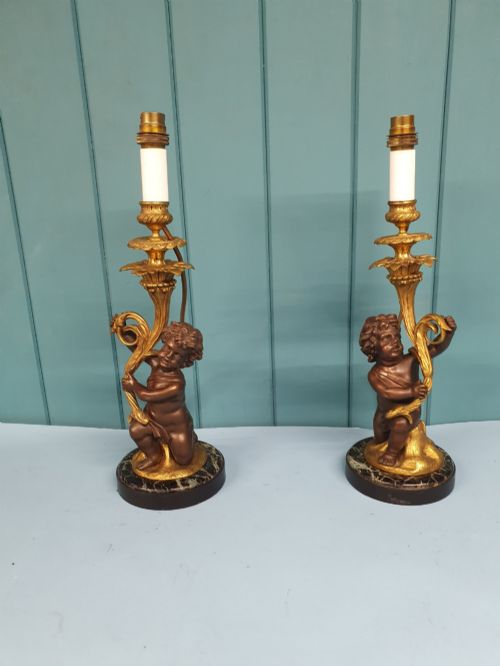
The objects span varied stylistic influences, ranging from French Art Deco wrought iron and polished white metal to classic brass, bronze, and gilt finishes. Alongside geometric Art Deco forms, examples draw upon revival styles such as Louis Seize and Kashmiri decorative traditions.
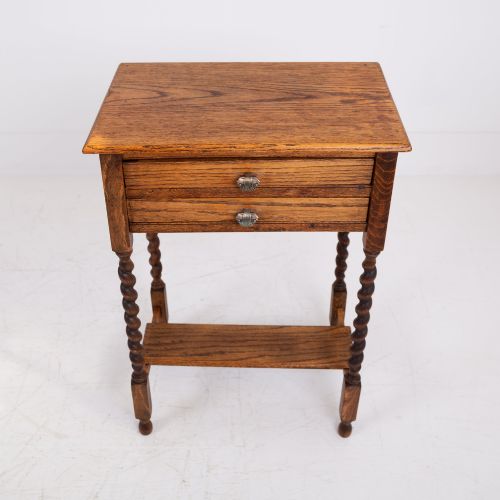
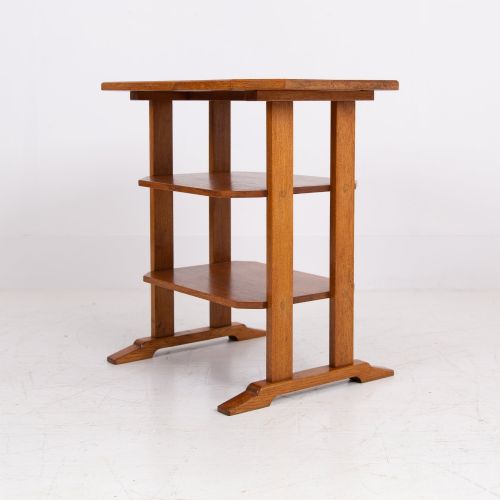
Buyers frequently find that forms crossover with smaller companion furniture, including oak side tables and bedside cabinets, which share the functional scale required for a bedroom setting. This mix provides both dedicated lighting and supportive surfaces from the same era.
Materials and construction
Maker construction utilises a combination of durable metals and decorative components, including cast brass, bronze, chrome, wrought iron, and polished white metal. These metallic elements often pair with glass, opaline, porcelain de Paris, marble bases, parchment leather, and celluloid shades.
Cabinet and table forms rely on traditional timber craftsmanship, incorporating oak, birds eye maple, and rosewood. Surface detailing includes carved elements, gilt gold applications, and painted green finishes characteristic of specific regional workshops.
Listings feature items dated across the early decades of the twentieth century, predominantly spanning the 1910s to the 1930s.
Assessing quality and finish
Quality in these lighting pieces rests upon the precision of the casting work, the integrity of original gilding or patination, and the retention of period components such as specialised glass shades. Pieces featuring signed ironwork or fine sculptural details by known makers demonstrate superior artistry.
For associated wooden furniture, the grade of timber selection, the crispness of carved mouldings, and the survival of original polished surfaces determine the standing of an individual item within its type.
The 1920s Bedside Lamps Glossary
- Art Deco
- A design style emerging in the interwar period characterised by streamlined geometric shapes, modern industrial materials, and stylized motifs.
- Opaline
- A type of semi-translucent glass often used for lighting shades to diffuse illumination softly across a room.
- Ormolu
- Gilded bronze detailing applied to mounts, bases, and decorative highlights on period lamps and furniture.
- Celluloid
- An early thermoplastic material utilised for decorative lamp components during the early twentieth century.
- Night light
- A smaller form of low-intensity domestic illumination designed for prolonged overnight use in bedrooms.
1920s Bedside Lamps: Frequently Asked Questions
How do I identify a true 1920s lamp?
Authentic pieces display period manufacturing techniques, typical material combinations like brass and marble, and stylistic traits associated with Art Deco or traditional revival designs.
Examining the wiring ports, switch types, and base construction helps confirm the age and origin of the lighting piece.
Are these lamps suitable for daily use?
These historical lamps function well in modern interiors when fitted with appropriate bulbs and checked for electrical safety by a professional.
Careful placement on sturdy bedside surfaces ensures the vintage materials and delicate shades remain secure during everyday handling.
What materials were commonly used?
Maker workshops utilised metals such as brass, bronze, chrome, and wrought iron, frequently mounted on marble or porcelain bases.
Shades and body details often incorporated opaline glass, parchment leather, celluloid, and painted wooden elements.
How do Art Deco and revival styles differ?
Art Deco lighting focuses on sleek lines, industrial metals, and modern geometric forms that represent the interwar period.
Revival styles draw inspiration from earlier French and European court aesthetics, featuring ornate carvings, gilt finishes, and classical motifs.