



Stepped Glass Table Lamp
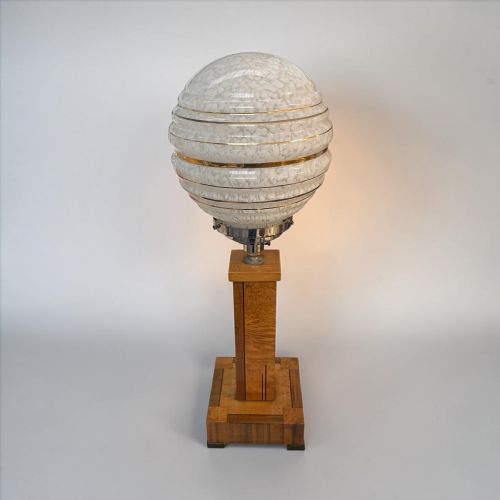
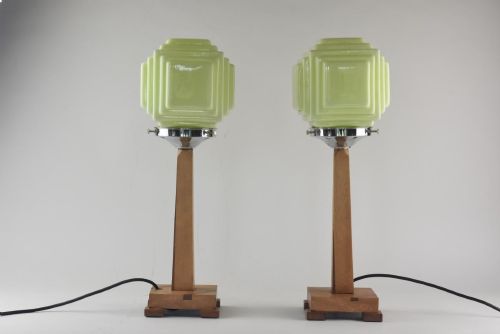
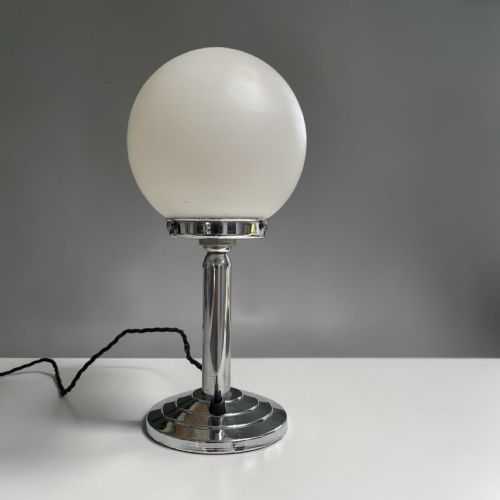
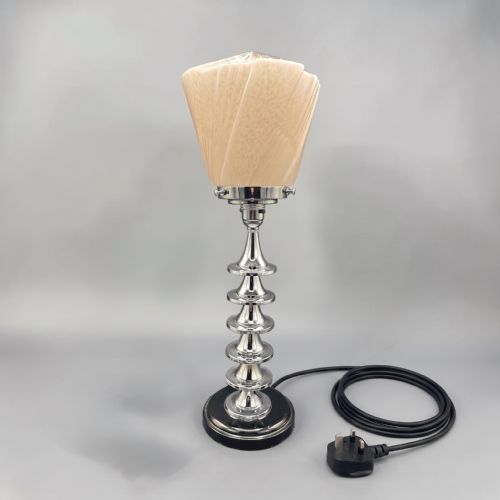
These stepped glass table lamps catch the light brilliantly and bring genuine period character to a room.
Stepped Glass Table Lamp
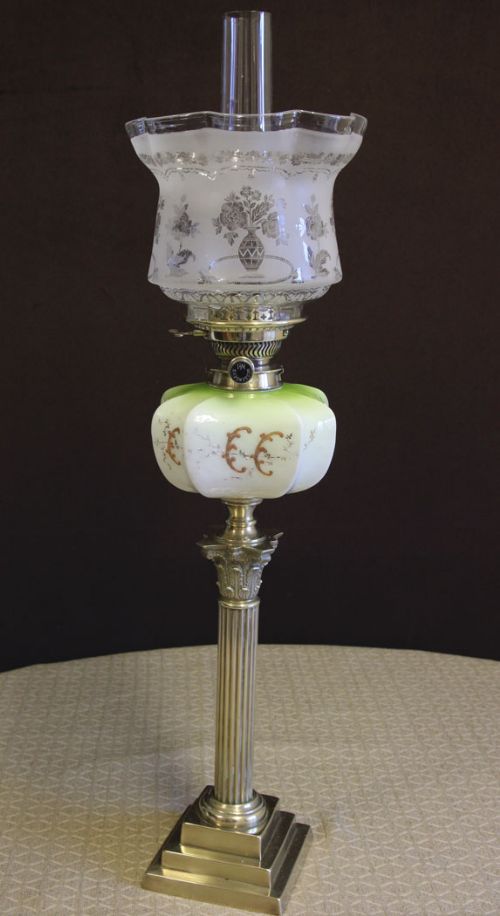
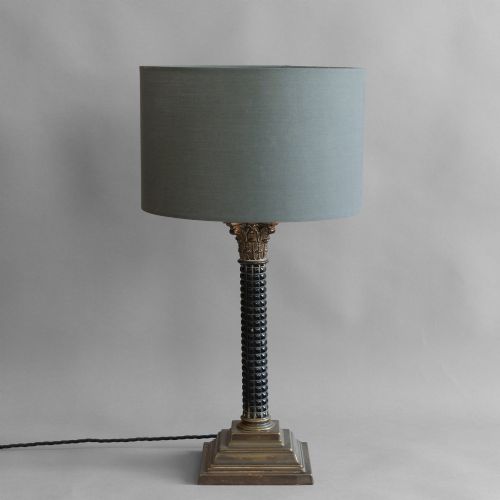
When you search for a stepped glass table lamp, you are looking at task and ambient lighting that relies on tiered or layered glass forms combined with metal or stone mounts. The examples you meet on this page span from the Victorian era into the 1930s, taking the form of table lamps, desk lamps and converted oil lamps.
The dominant style here is Art Deco, represented by chrome and pink glass constructions from around 1930 alongside earlier column designs. You also encounter Victorian silver plated and brass pieces incorporating cut glass reservoirs and reeded columns.
These objects served as functional interior lighting in homes and dining carriages, evolving from nineteenth-century oil-burning formats to twentieth-century electrified fittings. Their enduring appeal lies in the way stacked glass components diffuse illumination while anchoring a room's decorative scheme.
Materials and construction
Makers built these lamps using combinations of glass, brass and chrome, often mounting them on green marble or metal bases. Cut glass reservoirs and pink glass shades provide the primary visual contrast against polished metal structures.
Victorian pieces frequently utilise cast brass and silver plate in classical column shapes, whilst the 1930s Art Deco examples favour streamlined chrome and tiered glass elements. Bakelite components occasionally appear on electrical fittings from the twentieth-century pieces.
Stepped Glass Table Lamp Retail Price Guide 2026
Typical asking prices for stepped glass table lamp among the pieces listed under this phrase on Sellingantiques today, from the lower quarter to the upper quarter. They describe what is for sale here now, not the wider market.
The listings here span from Victorian oil lamps of the 1860s through to 1930s Art Deco Odeon carriage lights.
What separates the finest examples
Quality rests in the crispness of the glass cutting and the weight of the underlying metalwork. Finer pieces demonstrate precision in the stepped glass tiers and substantial brass or chrome casting that ensures stability.
The sophistication of the period design distinguishes standard utility lighting from superior decorative objects. Better examples integrate materials like green marble and cut glass with balanced proportions and clean metallic finishes.
The Stepped Glass Table Lamp Glossary
- Corinthian column
- A classical architectural column form featuring ornate acanthus leaf capitals, frequently adapted for Victorian and later lamp stands. This design mimics ancient Greek temple architecture.
- Cut glass
- Glass decorated by grinding facets or patterns into the surface using a wheel, creating reflective edges that catch and scatter light. It adds texture and brilliance to lamp reservoirs and bases.
- Reservoir
- The container that held oil in nineteenth-century lighting before conversion to electricity. In later decorative pieces, this glass or metal section remains as a traditional styling element.
- Reeded column
- A vertical shaft carved or cast with parallel convex mouldings resembling bundled plant stems. This decorative detailing appears frequently on nineteenth-century brass standards.
- Art Deco
- A design style dominant in the 1920s and 1930s characterised by sleek geometric shapes, streamlined forms and industrial materials like chrome and coloured glass.
Stepped Glass Table Lamp: Frequently Asked Questions
Are these lamps converted from oil lamps?
Several pieces originate as nineteenth-century oil lamps featuring brass columns and cut glass reservoirs that have subsequently received modern electrical wiring.
Other examples were manufactured directly as electrical table lamps during the Art Deco period of the 1920s and 1930s.
What materials are most common?
Glass and brass appear frequently across the Victorian and Edwardian periods, whilst chrome becomes prominent in pieces from the 1930s.
Additional materials include silver plate, green marble, fabric shades and Bakelite fittings.
How do I date a glass lamp?
Dating relies on stylistic indicators such as the geometric symmetry of 1930s Art Deco chrome work versus the classical detailing of Victorian Corinthian columns.
Materials and manufacturing techniques provide further clues, moving from heavy cast brass in the nineteenth century to machine-finished chrome later on.
Where should I place a table lamp?
These lamps suit side tables, desks and credenzas where their reflective glass and polished metal can catch ambient room light.
They function well as reading lights or decorative accent pieces that complement period or transitional interiors.