


Vintage Opal Glass Lamp
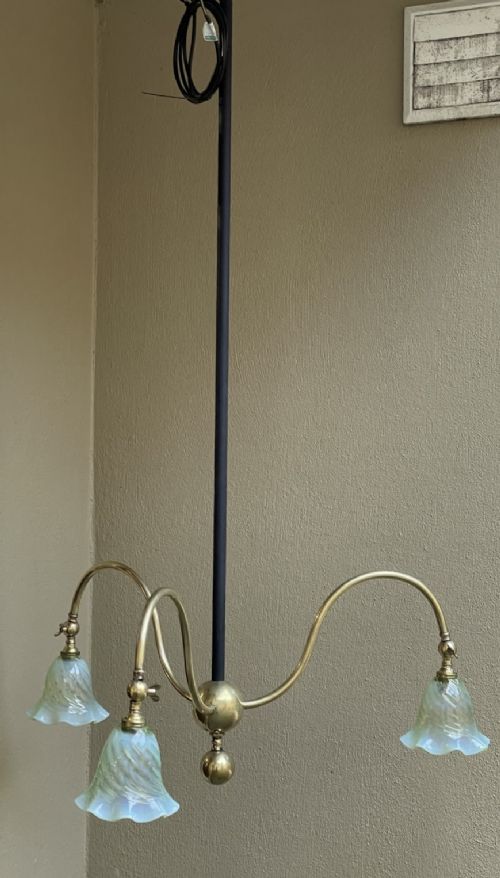
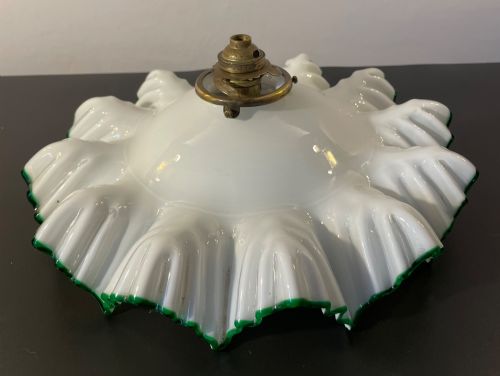
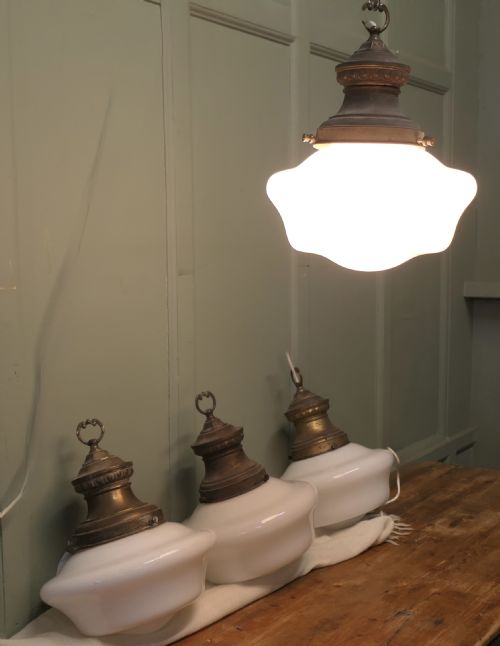
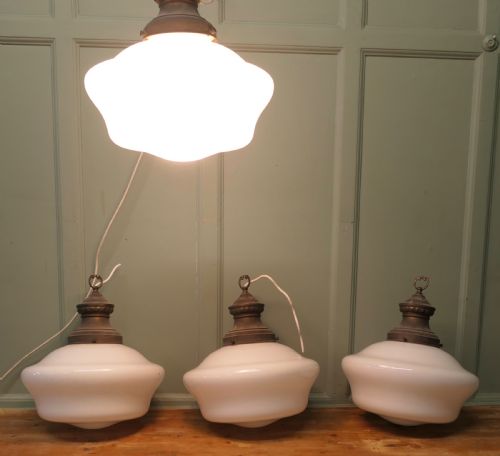
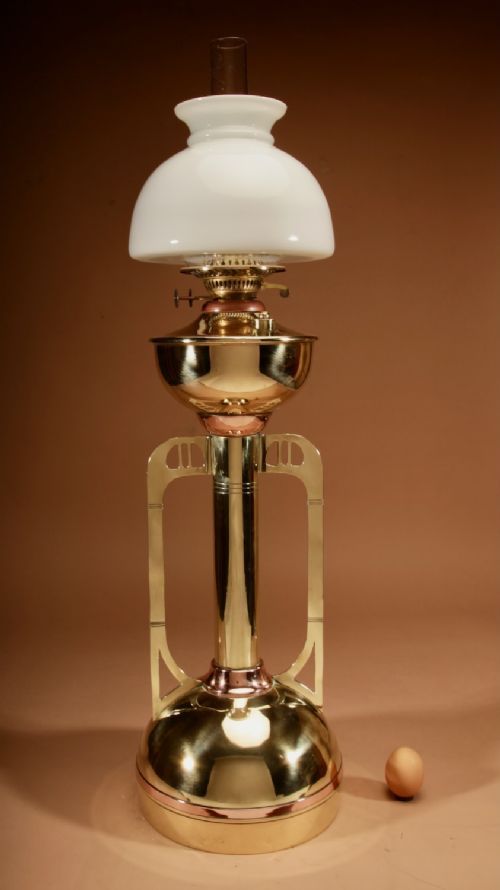
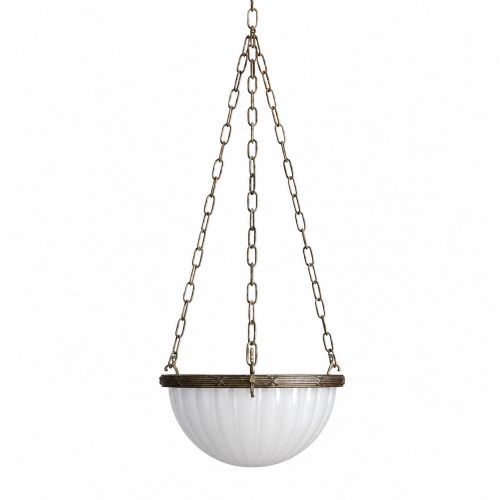
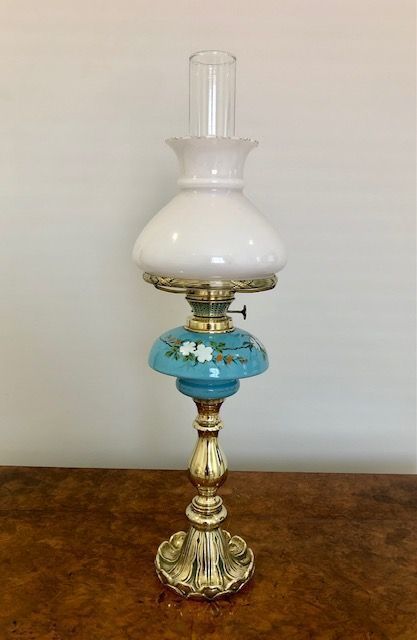
These vintage opal glass lamp examples bring a soft, diffused glow to a room through milky, translucent shades paired with metal mounts.
Vintage Opal Glass Lamp
When you search for a vintage opal glass lamp, you encounter pieces that span table lamps, pendant lights, ceiling fixtures, and oil lamps from the nineteenth century through to the mid-twentieth century. The selection draws on styles such as Art Deco, Victorian, Edwardian, Industrial, Arts and Crafts, French Country, Secessionist, and Mid-Century Modern.
You are most likely to meet pendant lights, table lamps, and oil lamps or shades made from opaline glass, opal glass, and opaque glass. These items originate from various periods including the 1900s, 1910s, 1920s, 1930s, and 1940s, often retaining their original character.
The assortment on offer ranges from diminutive English light shades and large industrial hanging pendants to elaborate Victorian oil lamps with brass rings. Each piece reflects the utility and aesthetic of its respective decade, combining functional illumination with decorative appeal.
How they were made
The construction of these lamps relies heavily on the combination of blown or moulded opal glass with metal components such as brass, chrome, copper, and cast metal. Glassmakers achieved the milky opacity by adding bone ash or other agents to the molten batch, creating a diffusing medium that softens the light source.
Mounts, burners, and fittings utilise structural metals, sometimes accented with early plastics like Bakelite in later twentieth-century pieces. Hand-formed elements appear in frilly edges on French shades and precise geometric forms on Art Deco and Secessionist bases.
Materials paired with the opal glass include heavy brass, copper, chrome, and occasional elements of Bakelite.
What varies in quality
The distinction between standard examples and the finest pieces rests on the weight and purity of the glass, the crispness of any moulded detail, and the integrity of the metal mounts. Heavier gauge brass and copper, along with finely cast figures or structural fittings, separate ordinary production items from exceptional workshop output.
Design ambition also divides the range, moving from utilitarian industrial pendants to sculptural table lamps incorporating distinct artistic movements like Arts and Crafts or Art Deco. The coherence of the matching components, such as original brass galleries and intact glass shades, determines the overall integrity of the piece.
Gustave Serrurier Bovy·Jefferson Light
The Vintage Opal Glass Lamp Glossary
- Opal glass
- A translucent, milky-white glass used primarily for lamp shades and globes to diffuse light evenly. It was widely produced throughout the nineteenth and twentieth centuries.
- Opaline glass
- A type of fine French art glass that is semi-opaque, often appearing in pastel shades or milk-white. It gained popularity during the nineteenth century and continued into the twentieth.
- Torchiere
- A tall floor lamp that directs light upward toward the ceiling. They often appeared during the Art Deco period with prominent glass shades.
- Gallery
- The metal ring or collar that holds a lampshade or globe in place on a lamp base or pendant fixture. These are frequently made of brass or copper.
Vintage Opal Glass Lamp: Frequently Asked Questions
How do I clean a vintage opal glass lamp?
Wash the glass gently in warm, soapy water using a soft cloth, avoiding abrasive pads that can scratch the surface. Clean metal mounts separately with appropriate polish depending on whether they are brass, copper, or chrome.
Ensure all electrical components remain completely dry during the cleaning process. Allow every part to dry thoroughly before reassembling or reconnecting the lamp to a power source.
Are these lamps wired for modern use?
Many surviving lamps retain older wiring or have been adapted at various points in their history. It is standard practice to have vintage lighting checked and rewired by a qualified electrician before daily use.
Rewiring ensures the piece complies with current safety standards while preserving the original switches, holders, and structural integrity where possible.
How do I date an opal glass lamp?
Dating relies on stylistic markers such as the geometric lines of Art Deco, the floral motifs of Arts and Crafts, or the ornate brass castings of the Victorian era. Material choices like early Bakelite fittings or chrome plating also point towards the twentieth century.
Maker marks, screw threads, and the manufacturing technique of the glass provide further clues. Comparing the form to documented designs from periods like the 1920s or 1930s narrows the timeframe.
Can I find matching pairs of pendants?
Matching pairs do occasionally appear, particularly in industrial ceiling lights, French shades, and twentieth-century institutional fixtures. These sets were often salvaged together from factories, town halls, or commercial premises.
Single pendants are more common, so pairs usually command strong interest from buyers seeking symmetry in a room. Checking dimensions and glass tint helps confirm if two shades are truly matched.