


1930s Dining Table
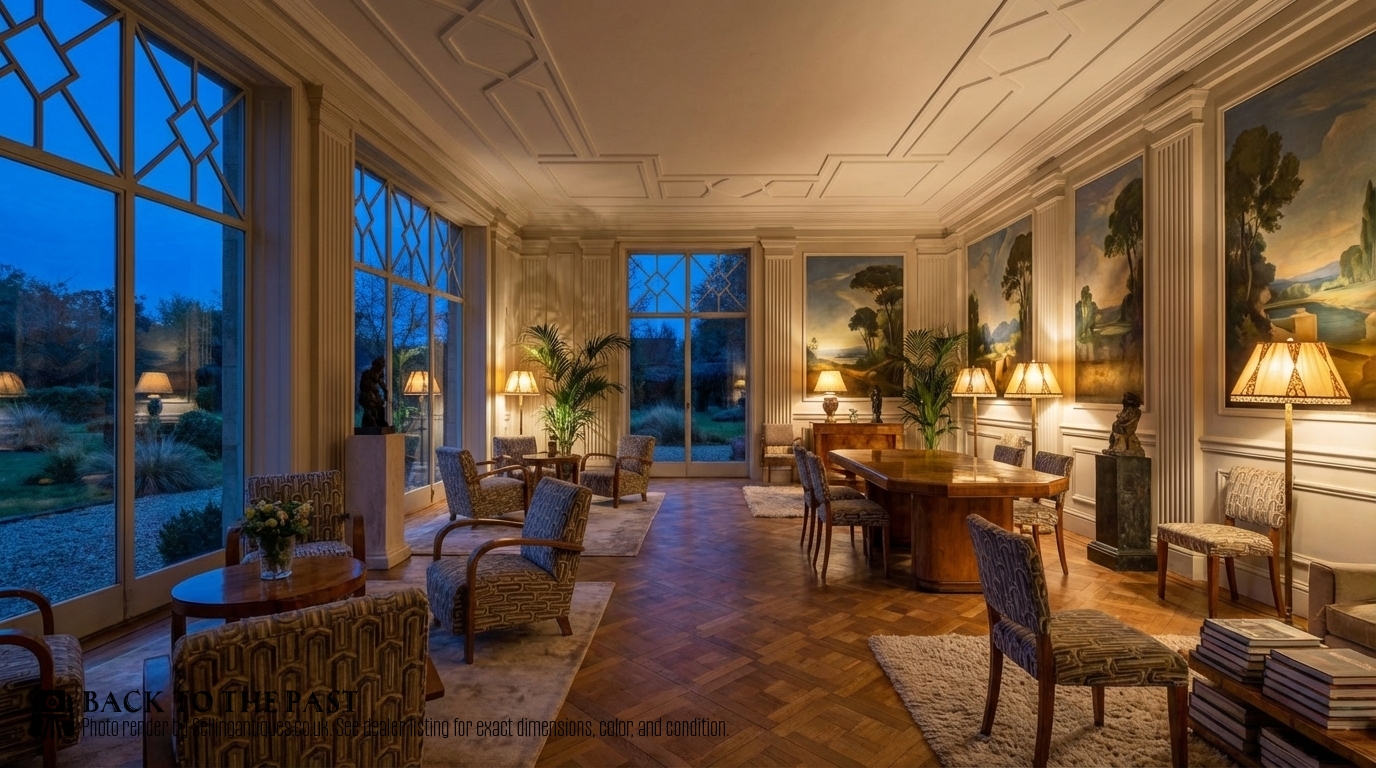
A 1930s dining table brings the bold geometry of Art Deco or the grounded weight of oak into the modern room.
1930s Dining Table
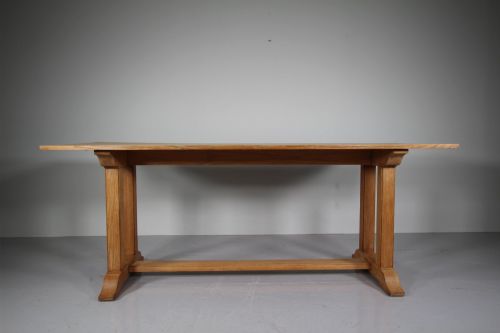
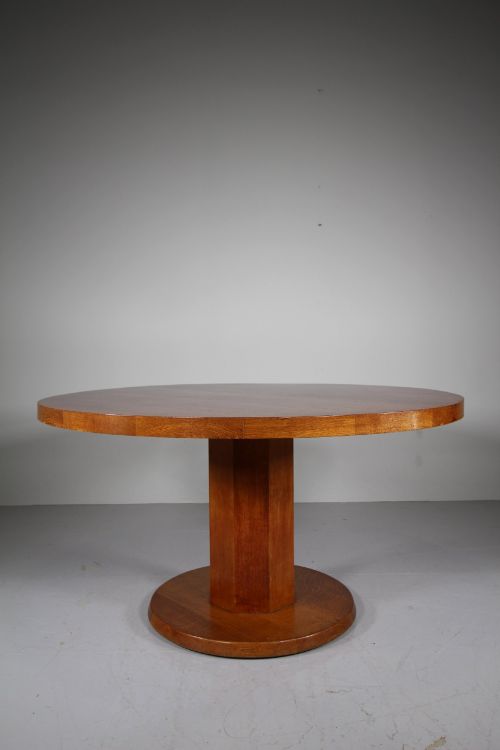
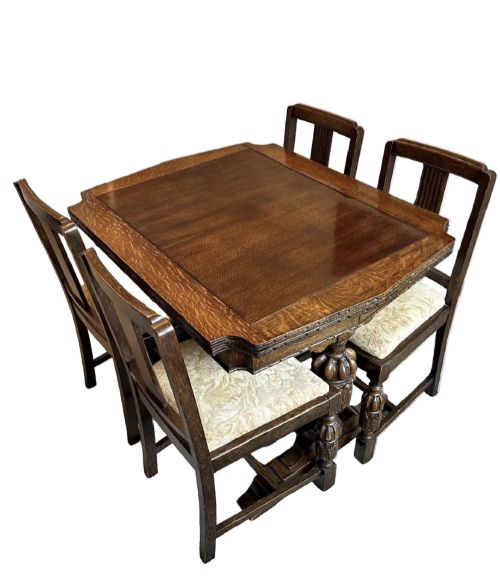
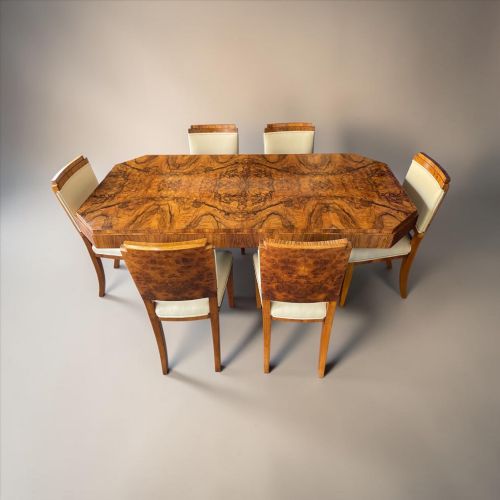
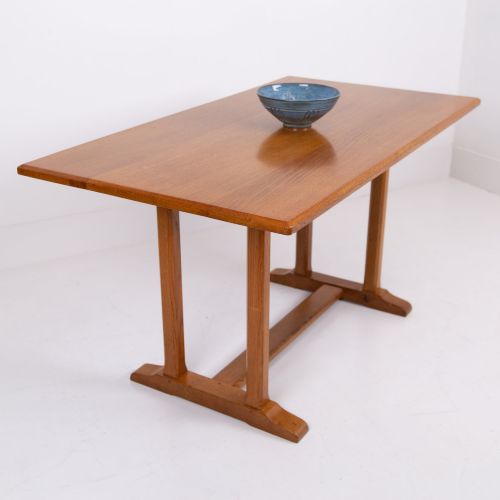
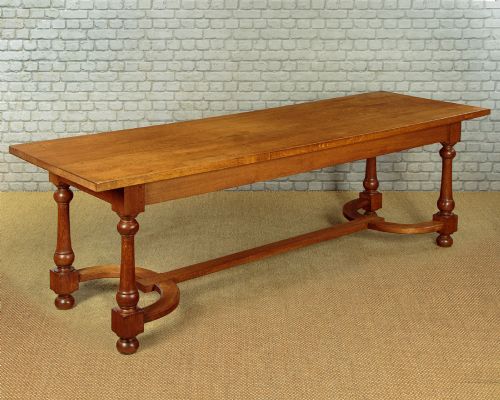
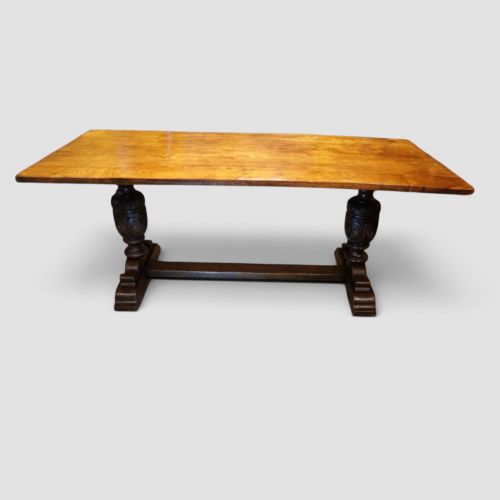
When you search for a 1930s dining table, you encounter pieces spanning from solid oak refectory designs to elaborate walnut and maple Art Deco suites. The selection includes extending tables, draw leaf mechanisms, and pedestal bases designed to accommodate gatherings.
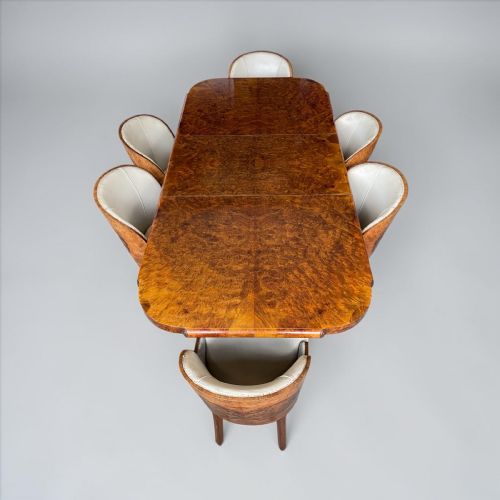
You are most likely to meet examples finished in burr walnut, black walnut, or limed oak, often accompanied by matching chairs upholstered in leather. The period bridges traditional revival styles like Tudor and Louis XV with modernist movements such as Arts and Crafts and Art Deco.

Materials and construction
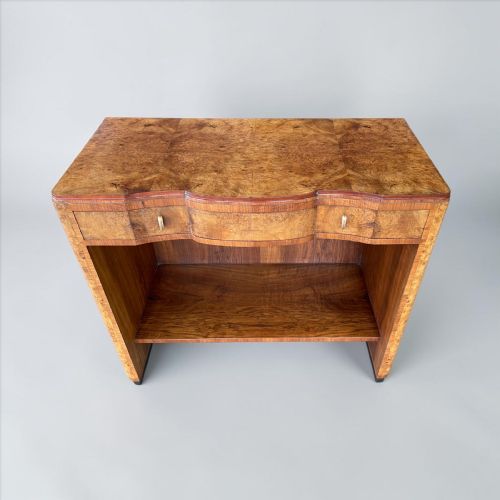
Cabinet makers utilised choice veneers including burr walnut, bird's eye maple, and rosewood over solid timber frames to achieve striking grain patterns on table tops. Parquetry and inlay work added geometric precision to the surfaces.
Construction methods combined traditional joinery for refectory frames with innovative extending mechanisms for modern dining spaces. Solid oak and mahogany remained common for heavier, period-revival refectory and gateleg tables.
1930s Dining Table Retail Price Guide 2026
Typical asking prices for 1930s dining table among the pieces listed under this phrase on Sellingantiques today, from the lower quarter to the upper quarter. They describe what is for sale here now, not the wider market.
Listings feature periods from the 1920s through the 1940s, alongside Edwardian pieces.
Assessing craftsmanship
The distinction between standard production and top-tier workshop output lies in the selection of veneer and the execution of matching grain patterns across extending leaves. Superior pieces display seamless integration of mechanical leaves that preserve the harmony of the surface design.
Maker attribution and the integrity of the original polish significantly influence the standing of a piece. Tables retaining their factory finish or possessing documented attribution to prominent cabinet makers command greater interest among collectors.
Maurice Adams·Harry and Lou Epstein·Heal s·Hille
The 1930s Dining Table Glossary
- Art Deco
- A design style characterised by sleek geometric shapes, streamlined forms, and lavish materials popular during the interwar period. It dominates the aesthetic of many dining suites from this era.
- Drawer Leaf
- An extending table mechanism where extension leaves pull out from beneath the main top. This design allows the table to lengthen without removing the central surface.
- Refectory Table
- A long, narrow table traditionally used for communal dining, constructed with substantial legs connected by a longitudinal stretcher. Oak examples from the period draw heavily on earlier vernacular traditions.
- Parquetry
- A geometric mosaic of wood pieces used for decorative flooring or furniture tops. Tables from this era frequently employ this technique in contrasting timbers.
- Burr Walnut
- A prized wood grain obtained from the warted growths on walnut trees, creating swirling, organic patterns. It appears frequently on the surface tops of high-end dining furniture.
1930s Dining Table: Frequently Asked Questions
How do I seat six people comfortably?
Many tables from this period utilise draw leaf mechanisms or drop-leaf designs that expand when guests arrive. Matching dining suites frequently include six or eight chairs designed specifically for the dimensions of the table.
Checking the clearance beneath the apron ensures chairs tuck in neatly when the meal concludes.
Are these tables suitable for daily use?
Solid timber and well-veneered examples withstand regular family dining provided proper care is taken with heat and moisture. Using placemats and coasters protects the polished walnut and maple surfaces from marking.
Maintenance involves occasional polishing with appropriate waxes to nourish the wood grain.
How do I distinguish Art Deco from revival styles?
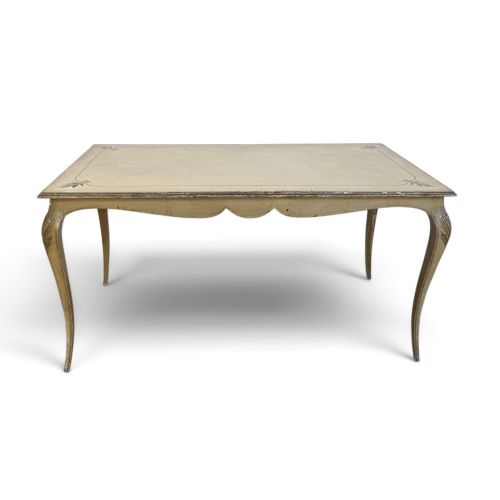
Art Deco pieces feature streamlined geometry, dramatic veneers like burr walnut, and minimal ornamentation. In contrast, Tudor or Louis XV revival models incorporate carved wooden details, cabriole legs, or heavy refectory stretchers.
Examining the silhouette and leg structure immediately clarifies which design vocabulary the maker followed.
What maintenance do veneered surfaces need?
Veneered furniture requires protection from direct sunlight and excessive humidity to prevent lifting or fading. Regular dusting with a soft, dry cloth preserves the lustre of the polished finish.
Harsh chemical cleaners must be avoided in favour of traditional beeswax formulations.