
Circular Wooden Table
A circular wooden table brings intimacy to a room, drawing people together around a shared centre rather than pushing them to the corners.
Circular Wooden Table
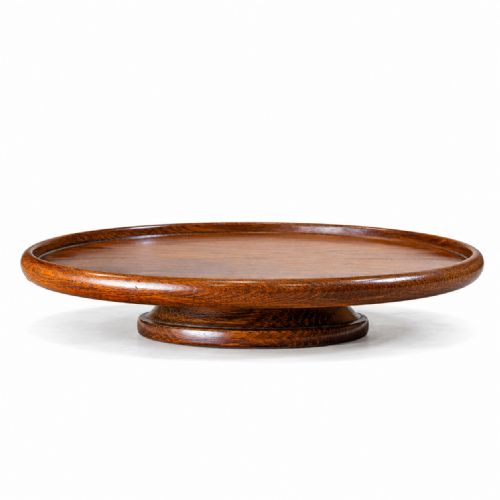
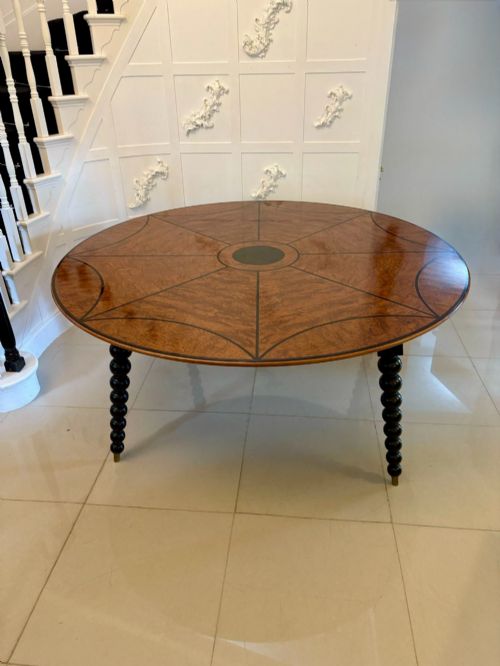
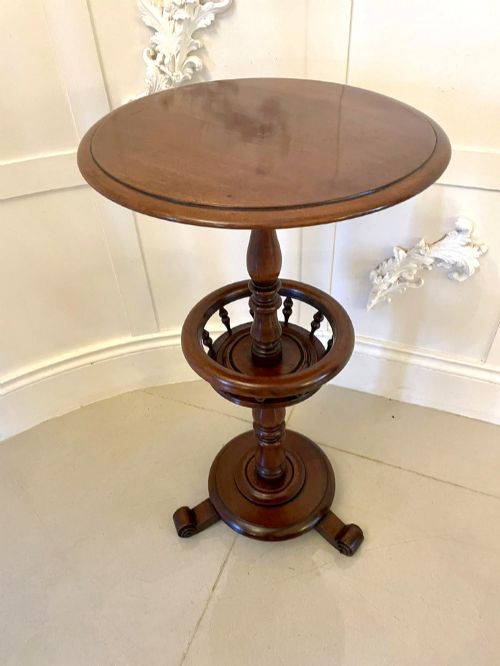
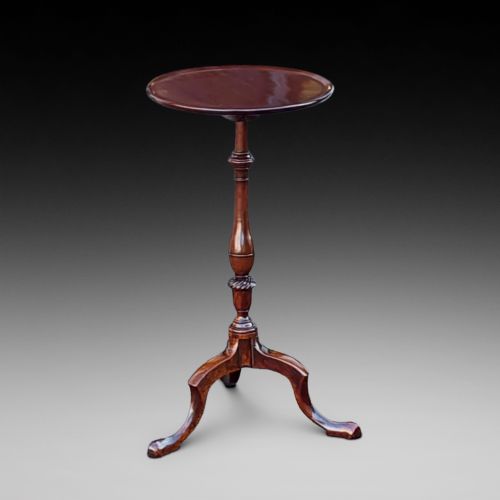
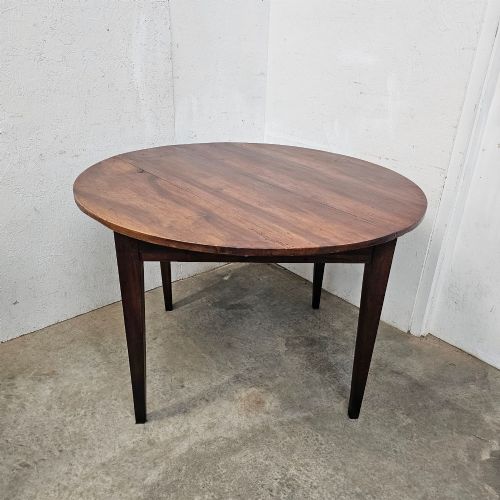
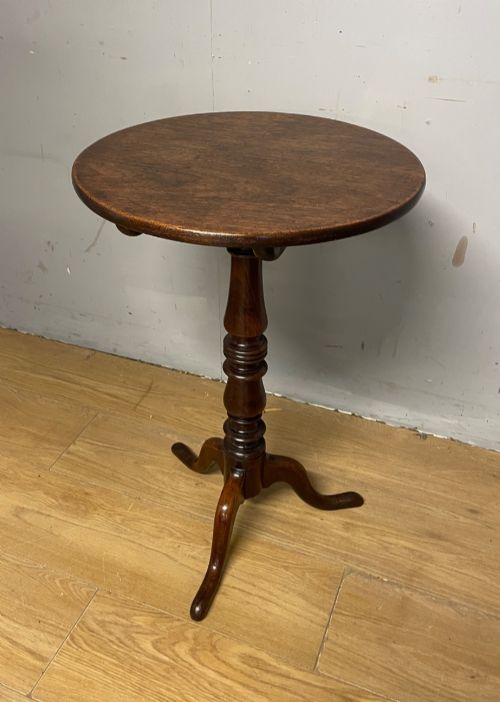
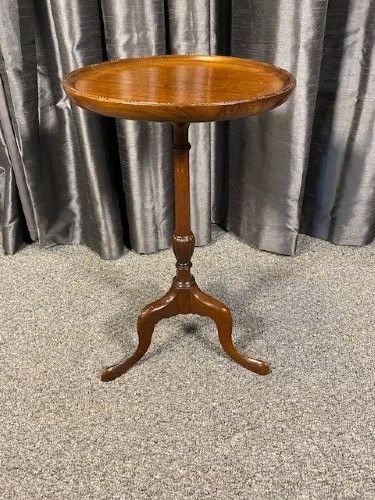
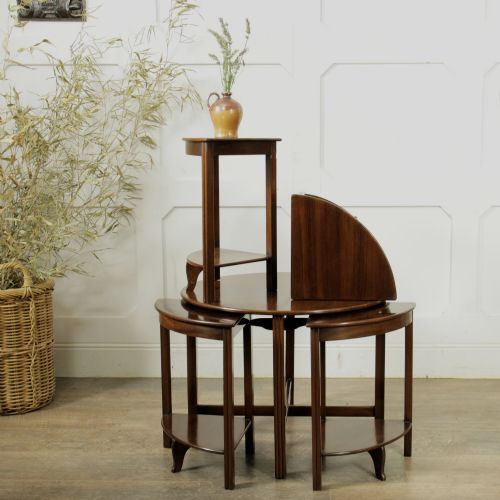
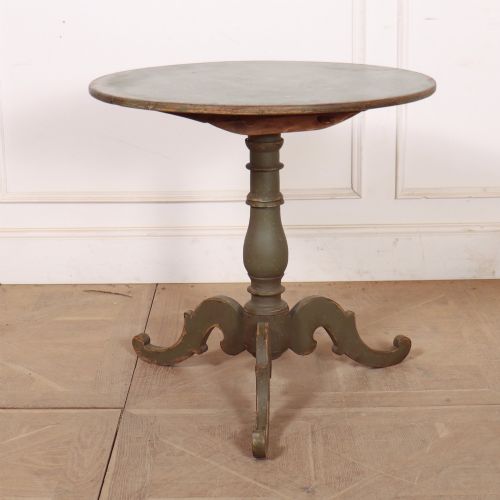
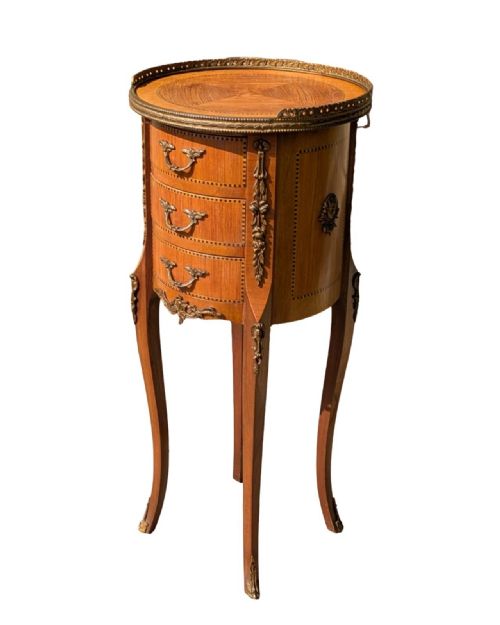
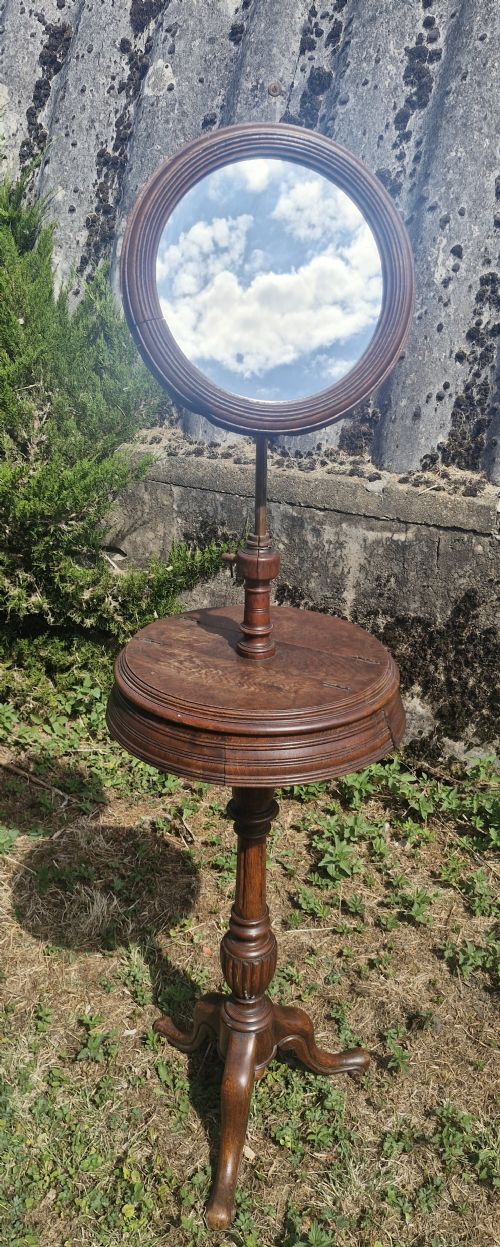
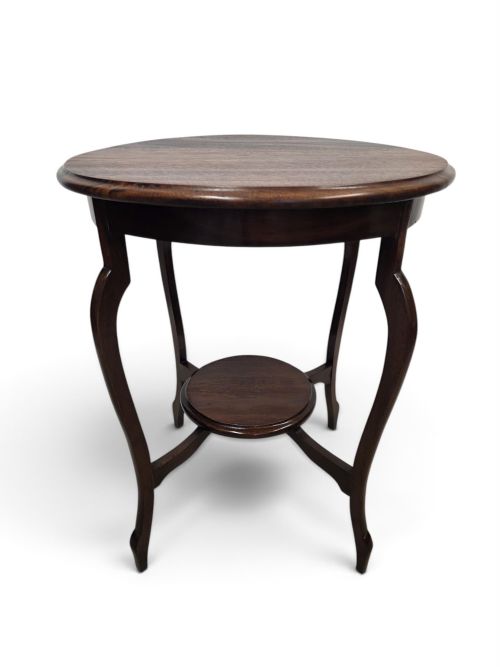
A circular wooden table spans a wide range of domestic forms, from compact wine tables and bedside cabinets to large dining tables and centre tables. You will encounter pieces dating from the Georgian and Regency periods through the Victorian, Edwardian, and Art Deco eras.
Origins vary across British, French, Swedish, Italian, and Anglo-Indian workshops, bringing regional timbers and decorative traditions into the mix.
Materials and construction methods
Makers relied primarily on hardwoods such as mahogany, oak, walnut, elm, and padouk, often selecting flame mahogany veneer for figured surfaces. Pine and other painted woods appear in provincial and kitchen pieces.
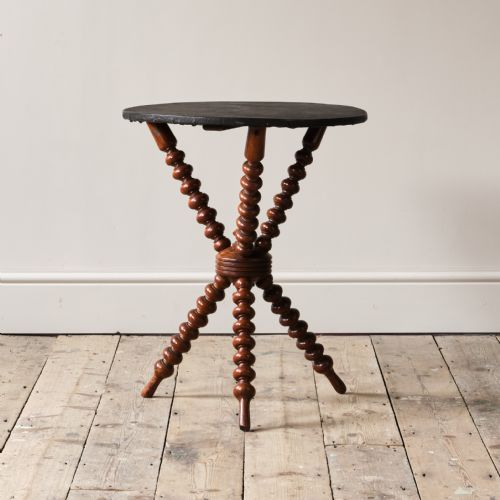
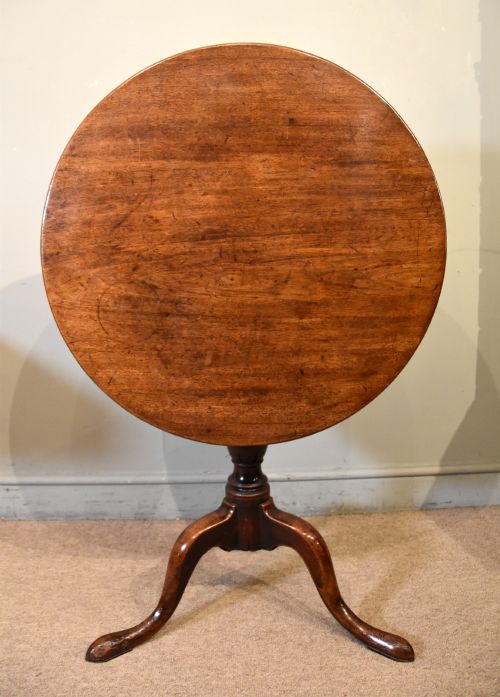
Construction techniques include bobbin turning, tripod bases with tilt-top mechanisms, and pedestal supports. Inlaid kingwood, brass fittings, and carved detailing provide decorative contrast to the primary timber.
The listings span eight distinct periods, from the Georgian era through to 1930.
Assessing craftsmanship and execution
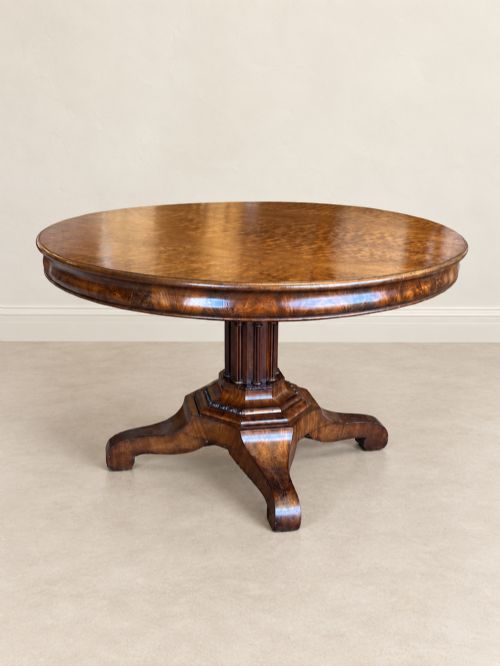
Quality rests in the selection of the timber and the precision of the joinery, particularly in the stability of tripod bases and pedestal columns. Figured veneers like flame mahogany or burr elm show superior material choice when matched thoughtfully across the top.
Carved ornament and inlay separate standard utility items from finer parlour pieces. Crisp carving and tightly fitted joints indicate a higher grade of workshop production.
The Circular Wooden Table Glossary
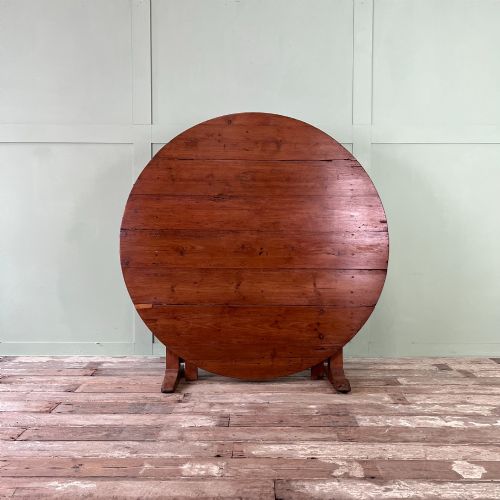
- Tilt-top table
- A table with a hinged top that pivots vertically to save space when not in use. This mechanism typically locks with a brass catch.
- Tripod base
- A support structure featuring three legs radiating from a central pillar. It offers stability on uneven floors.
- Flame mahogany
- Timber cut from the fork of the mahogany tree, showing a distinctive flickering grain pattern. Cabinetmakers used it for decorative veneer surfaces.
- Occasional table
- A small, movable table intended for specific, temporary use in a room. Forms include wine tables and lamp tables.
- Pedestal table
- A table supported by a single central column rather than four corner legs. This design maximises legroom around the circumference.
Circular Wooden Table: Frequently Asked Questions
Where should I place a circular wooden table?
A smaller wine or lamp table sits easily beside a sofa or in an empty corner. Larger pedestal and dining versions suit the middle of a room, allowing movement all the way around.
Because these tables lack corners, they soften the geometry of rectangular spaces and fit comfortably into square rooms.
How do I identify a tilt-top table?
Look underneath the circular top for a wooden or brass catch mechanism that releases the pivot. When unlocked, the surface tips ninety degrees into a vertical position.
This clever design allowed Georgian and Victorian households to store tables flat against walls when rooms needed to be cleared.
What is the difference between a centre table and a dining table?
Centre tables are designed to stand free in the middle of a room as a decorative or functional surface for lamps and books. They often feature more elaborate carving or veneers.
Dining tables are proportioned specifically for seating people comfortably for meals, with heights and clearances built for chairs rather than casual standing use.
How do I care for a polished wood surface?
Keep wooden tables away from direct heat sources and strong sunlight to prevent the timber from drying out and the polish from fading. Use coasters and placemats to protect against moisture and heat marks.
An occasional application of appropriate wax maintains the lustre of mahogany, walnut, and oak without building up a heavy residue.