


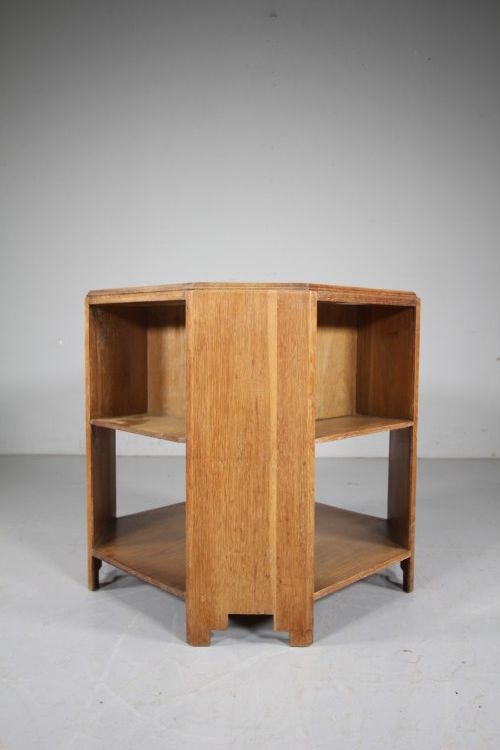
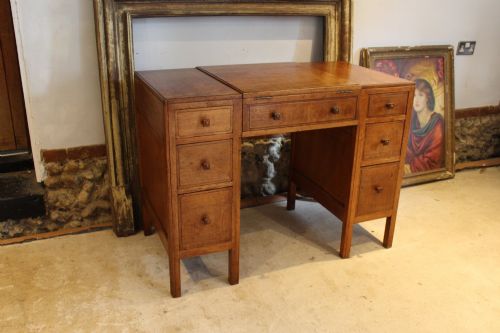

Heals Oak Table
A heals oak table brings honest craftsmanship and sturdy utility into a room, spanning Edwardian origins through Art Deco designs.
Heals Oak Table
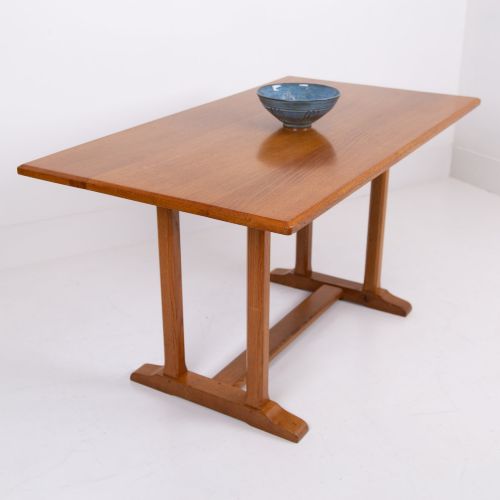
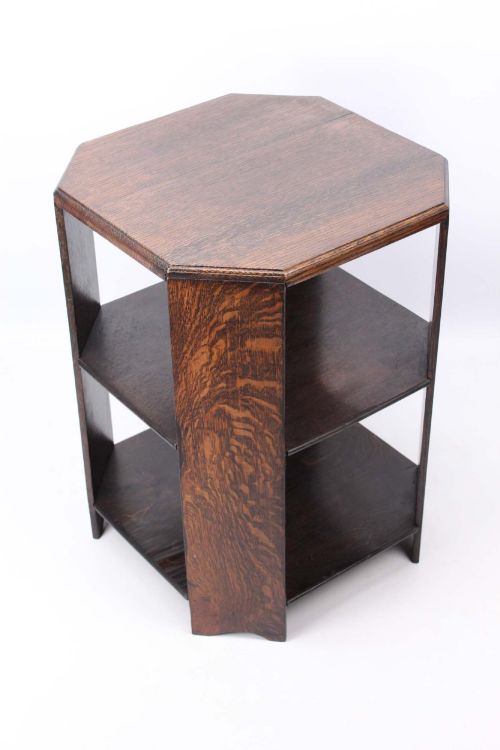
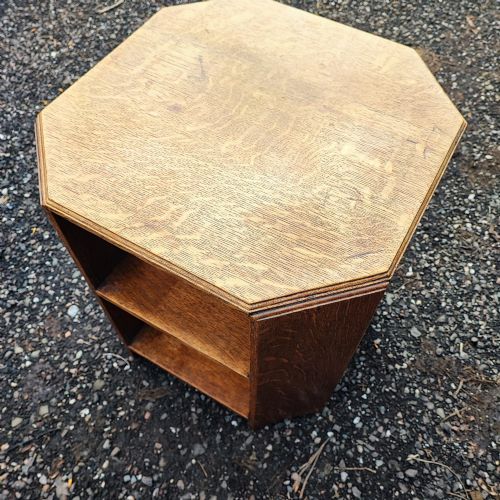
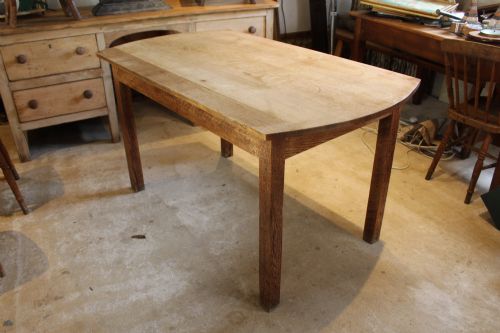
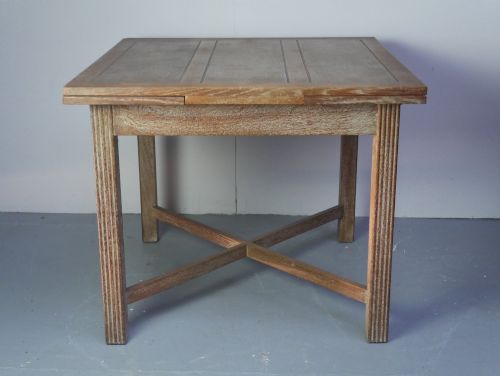
When you search for heals oak table, you encounter solid timber forms ranging from dining tables and refectory pieces to compact book tables and desks. These pieces originate largely from the early twentieth century, including Edwardian examples, 1920s designs, and 1930s modern or Art Deco creations.
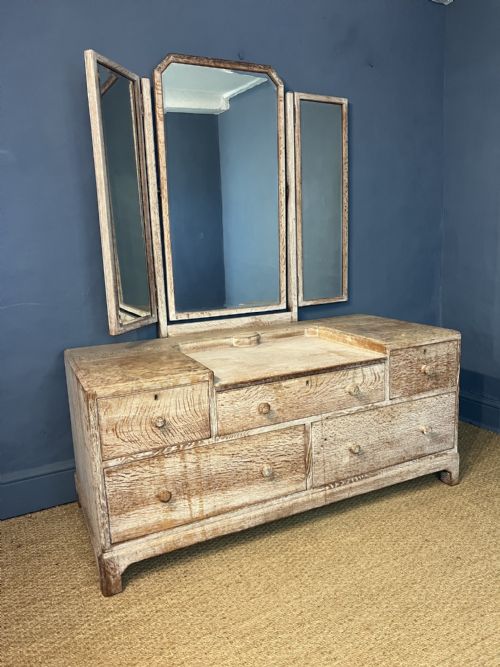
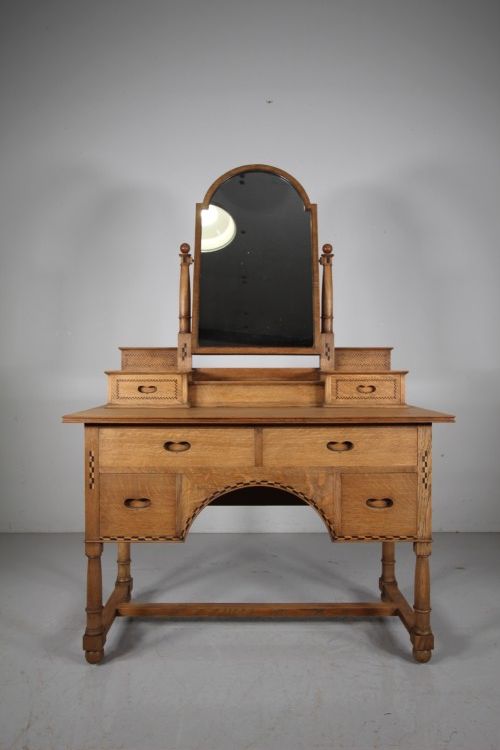
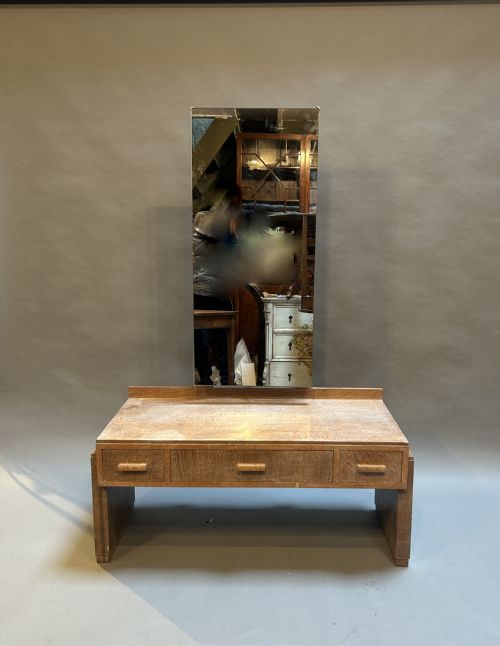
You are most likely to meet dining tables, dressing tables, and occasional side tables bearing the workshop characteristics of Heal and Sons. Many examples utilise light oak, golden quartered oak, or limed oak finishes that define the clean aesthetic of the period.
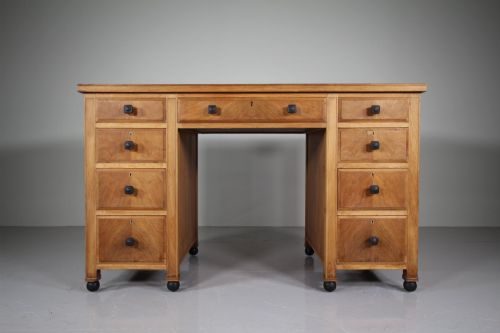
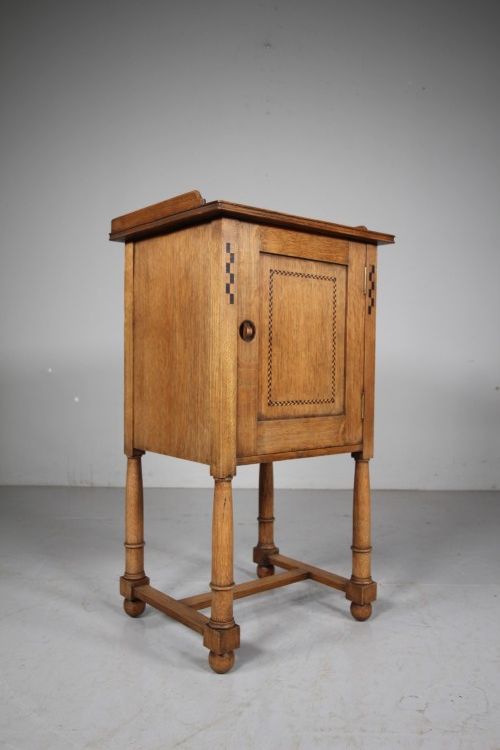
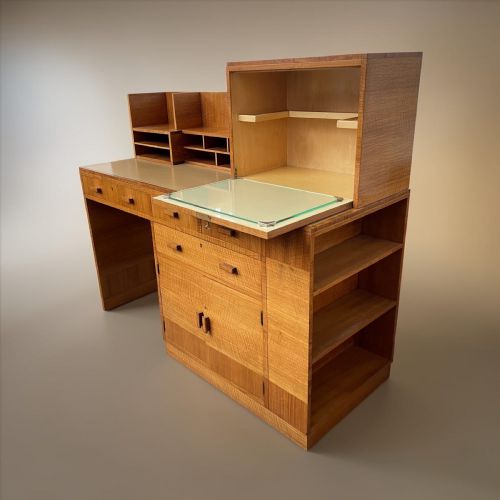
The selection also includes pieces attributed to the maker or produced in the manner of their London workshops. Forms vary from simple bedside cabinets and coffee tables to large pedestal partners desks and complete bedroom suites.
What varies in quality
Quality rests on the integrity of the timber selection and the presence of maker documentation, such as paper labels or stamped signatures. Pieces displaying original brass hardware or untouched limed oak surfaces hold greater authority.
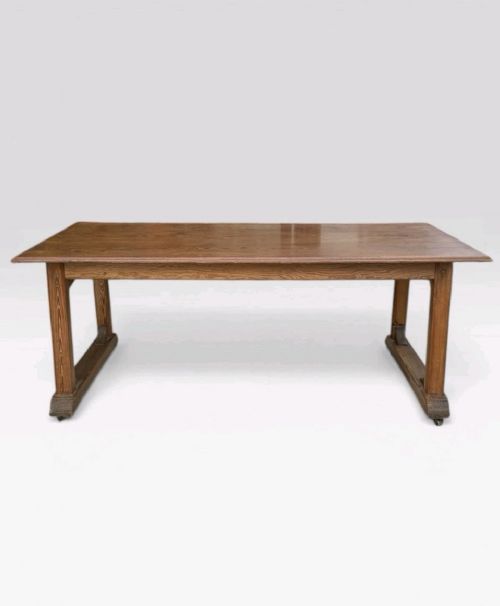
Proportion and execution separate standard workshop output from exceptional commissions. Refectory and trestle forms with balanced timber movement demonstrate superior cabinet-making standards compared to simpler stylistic imitations.
Listings span the Edwardian era through the 1930s, featuring materials such as limed oak, glass, and brass across various table forms.
Heal and Sons
The Heals Oak Table Glossary
- Limed oak
- A surface treatment applied to timber that leaves a whitish pigment in the grain. This finish became popular during the interwar period for modern bedroom and dining suites.
- Quartered oak
- Timber cut radially from the log rather than tangentially. This method exposes prominent medullary rays across the surface.
- Refectory table
- A long, narrow dining table traditionally built with solid timber tops and sturdy stretcher bases. Examples here often date from the early twentieth century.
- Trestle table
- A table supported by end uprights connected by a central horizontal beam. This design provides structural stability without corner legs.
- Partners desk
- A large double-sided desk designed for two people to work opposite one another. These pieces often feature integrated drawers and leather inserts.
Heals Oak Table: Frequently Asked Questions
How do I identify a genuine Heal table?
Look for maker labels, drawer stamps, or distinctive structural proportions associated with the London workshops. Pieces lacking documentation often show stylistic traits typical of the firm's output.
Examine the timber quality and finish, particularly if the piece uses limed oak or golden quartered oak. Construction methods should align with early twentieth-century cabinet-making standards.
What is limed oak?
Limed oak is a decorative finish that deposits a white pigment into the open grain of the wood. It lightens the timber while preserving the natural texture.
This technique gained widespread popularity in the nineteen twenties and thirties for modern furniture designs.
How should I care for an antique oak table?
Maintain the timber by keeping the surface clean and avoiding excessive moisture or direct heat sources. Regular dusting preserves the polish and natural finish.
Apply suitable wax sparingly if the wood appears dry, following the direction of the grain.
Did Heal produce dining tables?
The workshops produced various dining tables, including refectory, trestle, and extending formats. These items formed a core part of their domestic interior offerings.
Such pieces often utilise solid oak or golden quartered oak to emphasise structural simplicity.