

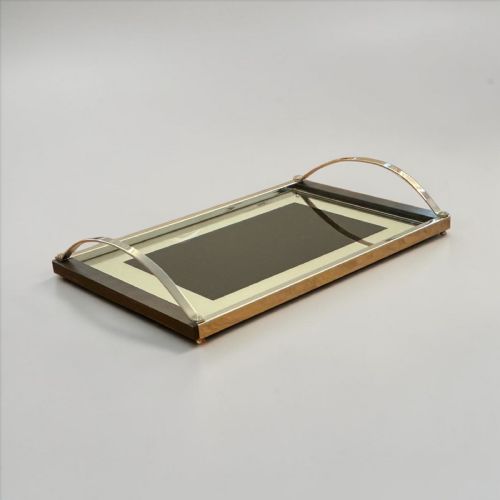
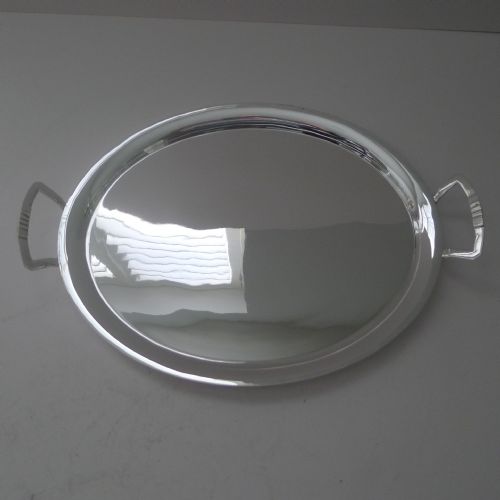
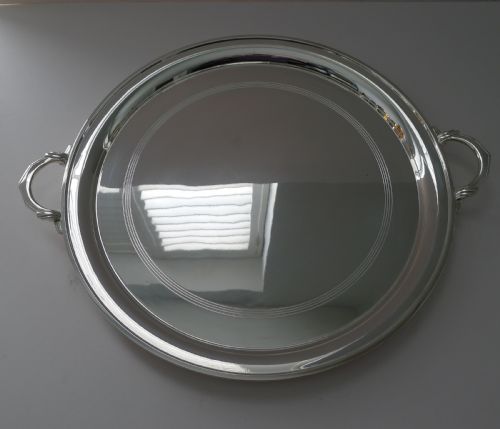



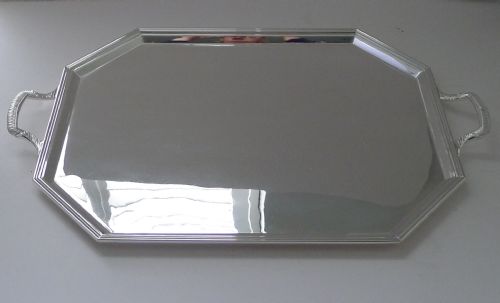


1930s Cocktail Tray
These 1930s cocktail tray designs bring genuine interwar glamour to your home bar, combining sleek metals and mirrored glass.
1930s Cocktail Tray
A 1930s cocktail tray is a serving piece designed for drinks and barware during the interwar period. The forms on this page include drinks trays, serving trays, salvers, platters, and complete decanter sets.
Most pieces date from the 1930 decade, though you will also encounter examples from the 1910 and 1920 periods. These trays embody the dominant Art Deco style alongside select Modernist and novelty designs.
You are most likely to meet silver plated or sterling silver trays with handles, as well as mirrored glass surfaces paired with wood veneer or metal. Makers range from renowned London silversmiths to Czech glass workshops.
How They Were Made
Makers utilised a combination of metals such as chrome, silver plate, sterling silver, and copper to form the structural frames and handles. Glass and mirror panels served as the base surfaces, frequently secured within metal mounts.
Certain silver pieces involved hand soldered construction, while Czech workshops produced moulded glass decanter sets designed to fit matching trays.
1930s Cocktail Tray Retail Price Guide 2026
Typical asking prices for 1930s cocktail tray among the pieces listed under this phrase on Sellingantiques today, from the lower quarter to the upper quarter. They describe what is for sale here now, not the wider market.
Listings feature materials spanning glass, chrome, silver plate, mirror, metal, wood, sterling silver, and walnut.
What Varies in Quality
Quality in a 1930s cocktail tray rests upon the integrity of the materials and the pedigree of the maker. Hallmarks from established silversmiths elevate a piece above unmarked commercial alternatives.
The precision of the joinery between metal frames and mirrored or wooden bases determines the durability of the tray. Hand etched glass details and substantial metal handles demonstrate superior manufacturing standards compared to stamped sheet metal.
The choice of secondary materials, such as figured walnut veneer or Macassar wood, separates standard production items from high end designer commissions.
Keith Murray For Mappin & Webb·J B Chatterley & Sons·Hukin & Heath·Asprey London·Mosey
The 1930s Cocktail Tray Glossary
- Art Deco
- A design style characterised by sleek lines, geometric shapes, and modern materials popular during the interwar period. It dominates the aesthetic of these trays.
- Salver
- A flat serving tray typically made of silver or silver plate, often with raised edges or feet. These were traditionally used for serving drinks or calling cards.
- Sterling silver
- An alloy consisting of silver and other metals, usually copper, containing 92.5 percent silver by mass. Pieces in this material bear official hallmarks.
- Macassar
- A dense, dark exotic wood with distinctive figuring, used for high end furniture and tray veneers. French examples frequently showcase this material.
- Silver plate
- A layer of silver applied to a base metal core such as copper or nickel brass. This technique offered the appearance of solid silver at a lower cost.
1930s Cocktail Tray: Frequently Asked Questions
What is a 1930s cocktail tray?
A 1930s cocktail tray is a serving accessory created during the interwar period for entertaining and holding glassware. These items reflect the geometric forms and modern materials of the Art Deco movement.
They appear in materials such as silver plate, sterling silver, chrome, mirrored glass, and exotic woods like walnut and Macassar.
How were these trays used originally?
Original owners utilised these trays to serve cocktails, spirits, and cordials during home gatherings. Decanter sets and glasses rested upon the mirrored or metallic surfaces for easy transport.
They functioned both as practical barware and as decorative items displayed on sideboards and drinks trolleys.
How do I identify an Art Deco tray?
Art Deco trays exhibit characteristic geometric patterns, streamlined handles, and a combination of contrasting materials like chrome and glass. You will often see clean lines and etched motifs.
Many examples also incorporate veneered wood borders or novelty figurative elements typical of the 1930 decade.
Are silver plated trays marked?
Silver plated trays frequently carry maker stamps or marks on the underside or rim indicating the manufacturer and plating quality. Well known firms stamped their company names alongside trade marks.
Sterling silver pieces will bear official town and date hallmarks to verify the metal purity.
How do I clean a mirrored drinks tray?
Clean the mirrored glass surface gently with a soft cloth and standard glass cleaner, avoiding harsh abrasives that might damage the edges. Take care to keep moisture away from the wooden or metallic joins.
Silver and chrome sections require appropriate metal polishes applied sparingly to preserve any original patination.