



1930s Art Deco Desk
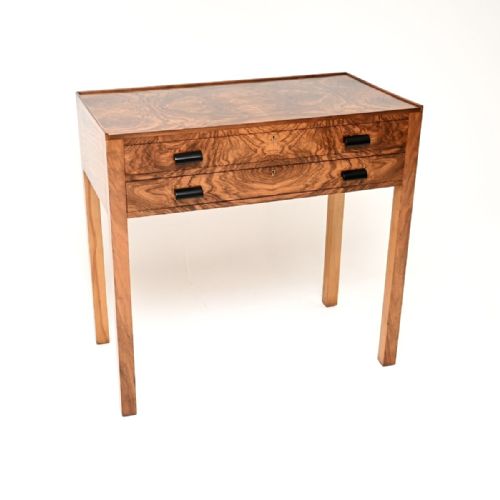
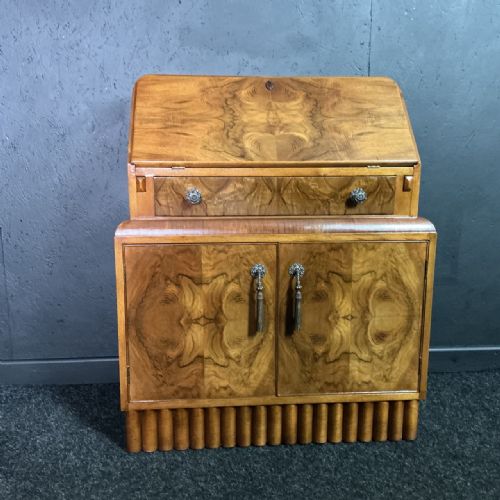
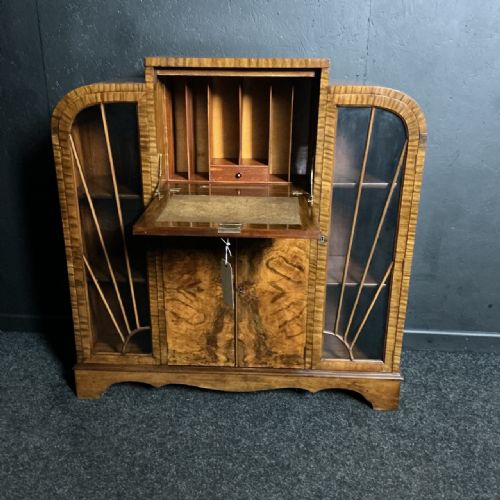
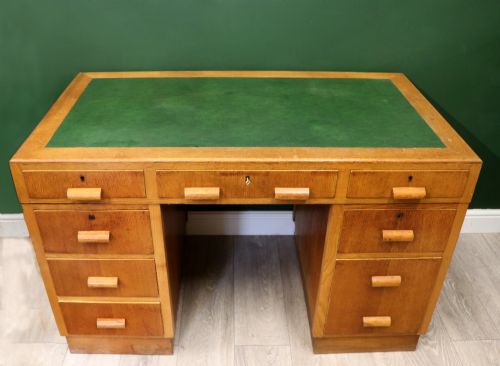
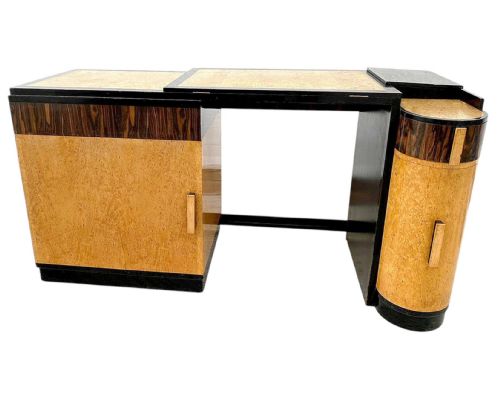
A 1930s art deco desk provides a strong architectural anchor for a room, bringing clean linear forms and striking timber grains to a workspace.
1930s Art Deco Desk
A 1930s art deco desk stands as a prominent piece of period furniture, combining functional workspace design with the geometric confidence of the interwar years. Buyers searching this phrase encounter practical writing tables, pedestal forms, and bureau styles that reflect both English and French manufacture.
The versions most frequently met on this page utilise rich timbers such as walnut, burr walnut, oak, and birdseye maple, often complemented by inset leather writing surfaces. Alongside straightforward writing desks, the selection includes related pedestal office models and smaller bureau variations suited for domestic studies.
Originating primarily from the 1930 period, though occasionally drawing on Edwardian or 1920 roots, these desks demonstrate a distinct shift away from traditional ornamentation toward streamlined, modernist silhouettes. The resulting forms range from simple linear tables to substantial double-sided and skyscraper pedestal configurations.
Distinctions in construction and finish
Quality in these pieces rests primarily on the selection and bookmatching of timber veneers, where symmetrical grain alignment across drawer fronts separates standard production from finer workshop output. The integration of secondary materials such as heavy bronze mounts, thick plate glass, and solid brass hardware further elevates the execution of a piece.
The sophistication of the internal joinery, including dovetailed drawer construction and the stability of pedestal carcasses, determines the enduring structural integrity of the desk. Pieces attributed to notable firms or exhibiting specialised architectural forms demonstrate a higher tier of design ambition and cabinet-making skill.
1930s Art Deco Desk Retail Price Guide 2026
Typical asking prices for 1930s art deco desk among the pieces listed under this phrase on Sellingantiques today, from the lower quarter to the upper quarter. They describe what is for sale here now, not the wider market.
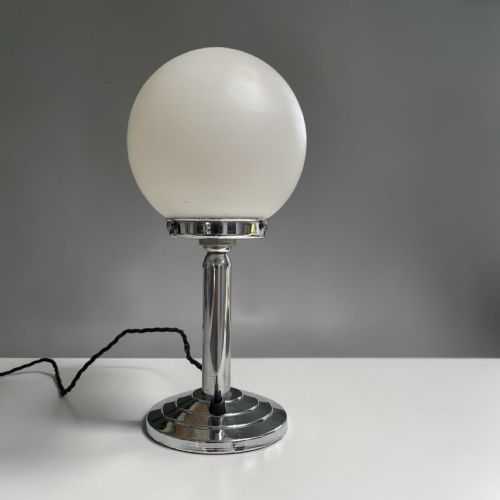
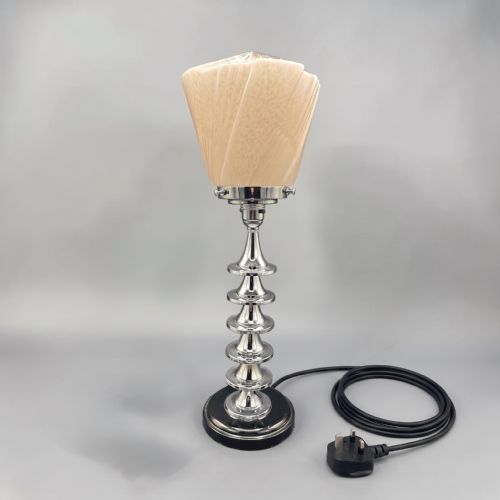
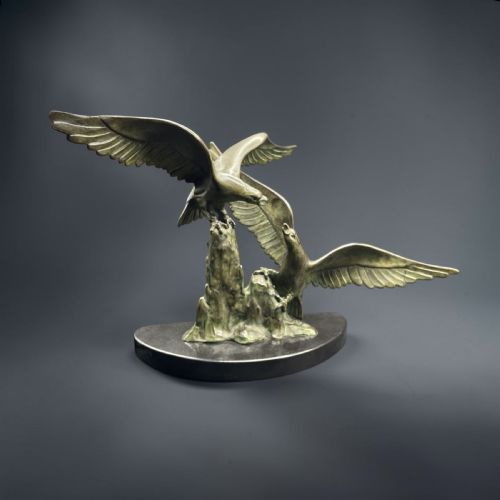
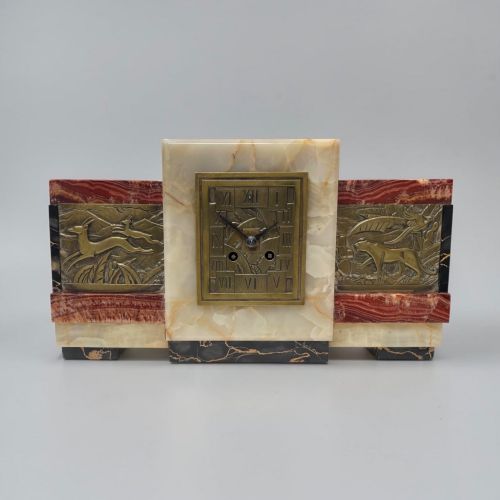
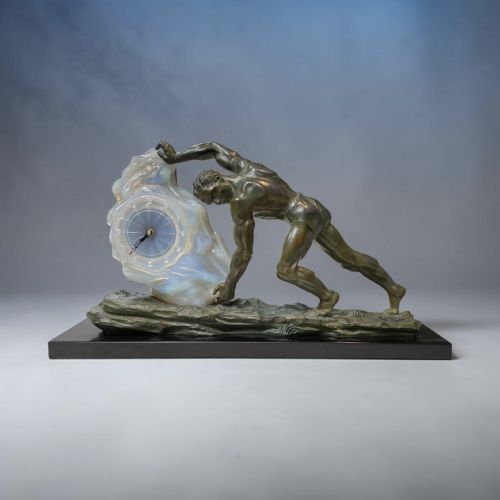
Listings feature items in oak, walnut, brass, and glass, spanning table lamps, desks, and mantel clocks.
F.H. Marshall & Co·Eileen Grey·Barker Brothers·Fratelli Toso
The 1930s Art Deco Desk Glossary
- Pedestal desk
- A form featuring two independent stacks of drawers supporting a single desktop, allowing for storage on both sides of the sitter.
- Burr walnut
- A prized timber harvested from the gnarled growths of walnut trees, yielding intricate, swirling grain patterns highly valued in cabinet making.
- Bakelite
- An early synthetic plastic utilised for desk lamp bases, clocks, and inkwells during the period for its durable and mouldable properties.
- Guilloche
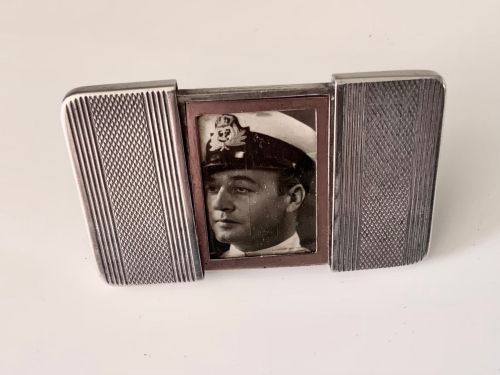
- A decorative mechanical engraving technique producing precise, intricate geometric patterns, often seen on silver desk accessories.
- Skyscraper style
- An architectural design motif of the era characterised by stepped vertical setbacks, frequently adapted for pedestal office desks and clocks.
1930s Art Deco Desk: Frequently Asked Questions
How do I identify a genuine 1930s art deco desk?
Authentic pieces typically display characteristic geometric lines, stepped pedestal profiles, and period timber veneers like burr walnut or birdseye maple rather than modern laminates. Examining the secondary woods inside the drawers and the construction methods helps confirm the interwar origin of the furniture.
Makers of this era favoured specific hardware, such as chrome handles and brass accents, which align with the wider design vocabulary of the 1930s. Checking for consistent ageing across the internal framing provides further confidence in the period authenticity.
What woods were commonly used for these desks?
Cabinet makers predominantly utilised walnut, oak, satin birch, and rosewood, often applying figured veneers to create striking symmetrical patterns on drawer fronts and surfaces. Mahogany and maple also appear frequently, particularly in dressing tables and lighter writing furniture.
Exotic timbers were selected to showcase rich grain variations, which formed a central part of the visual appeal without requiring heavy carved ornamentation. These surfaces were usually finished to accentuate the natural depth and colour of the timber.
How do I care for a leather top desk?
Leather writing surfaces require gentle maintenance to prevent the material from drying out or cracking over years of daily use. Regular dusting with a soft cloth and occasional treatment with appropriate leather balms help preserve the supple texture and rich colour.
Harsh chemical cleaners and excessive moisture must be avoided to protect both the leather insert and the surrounding timber edge. Using blotters or pads during writing further safeguards the antique surface from ink stains and indentations.
Did these desks come with matching chairs?
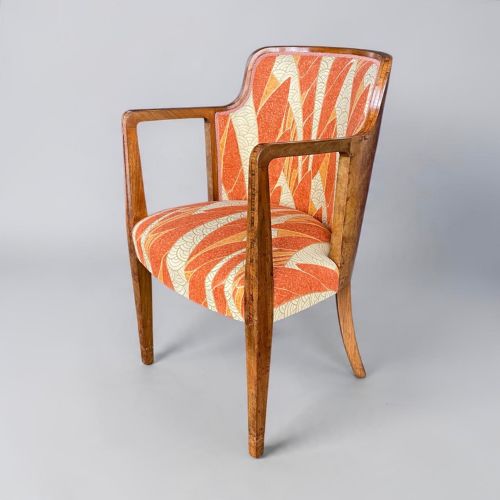
Desks were often produced alongside complementary seating, such as armchairs upholstered in period fabrics or leathers echoing the geometric lines of the main furniture. Many surviving examples, however, are found independently as buyers assembled suites over time.
When paired seating does appear, it typically shares the primary timber, such as birch or walnut, and incorporates similar modernist or art deco motifs. Finding a matched pairing creates a cohesive study space true to the design ethos of the 1930s.