




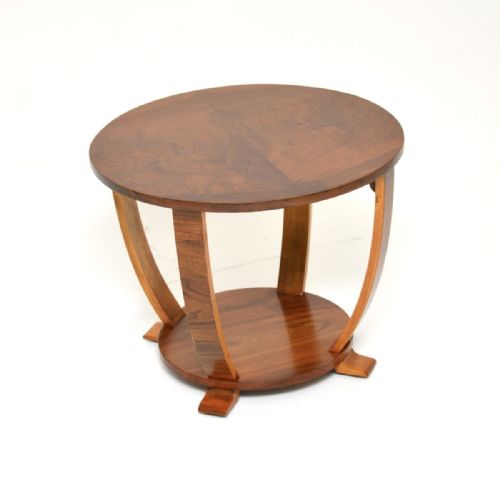
1920s Side Table
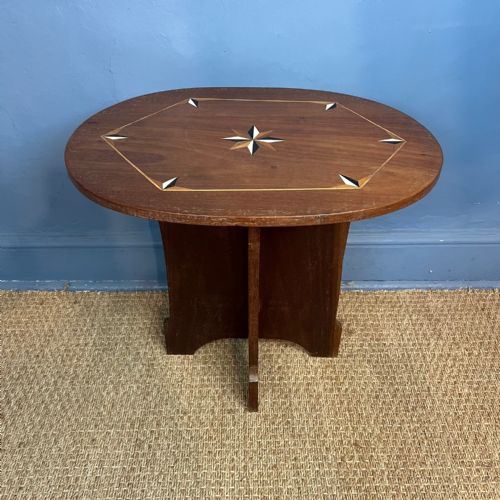
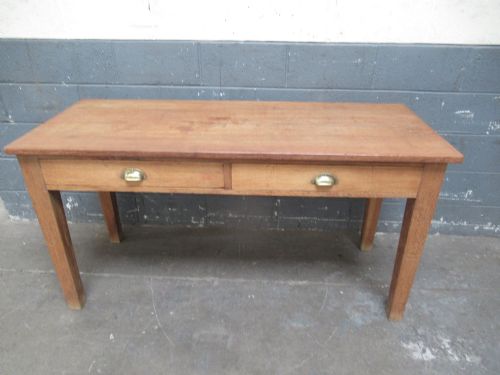
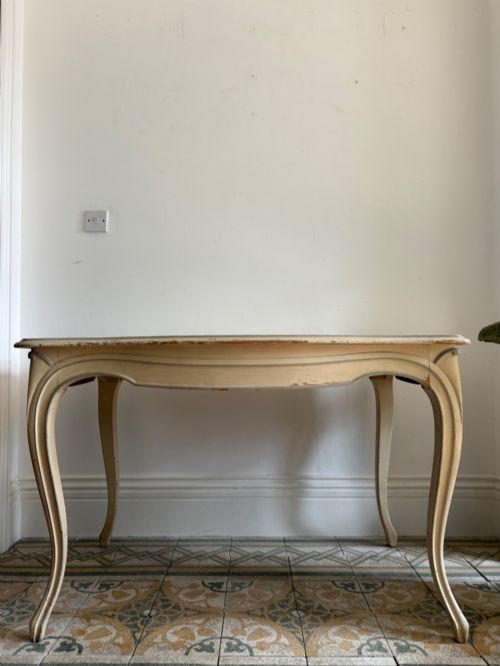
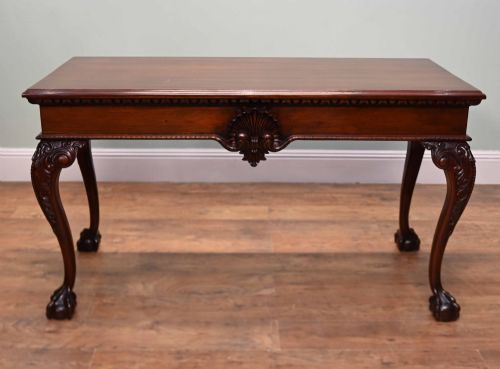
When you want a 1920s side table, you find a diverse mix of oak utility, walnut revivalism and streamlined Art Deco design.
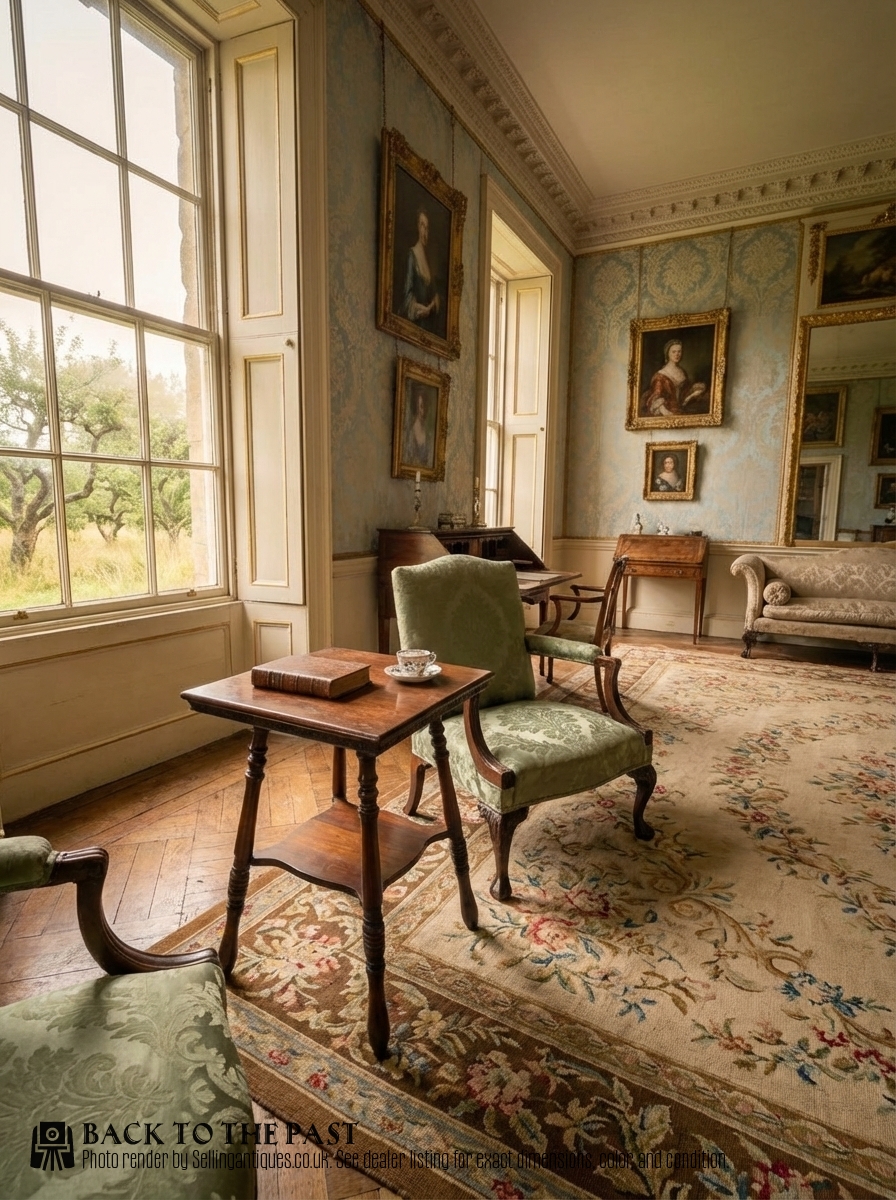
1920s Side Table
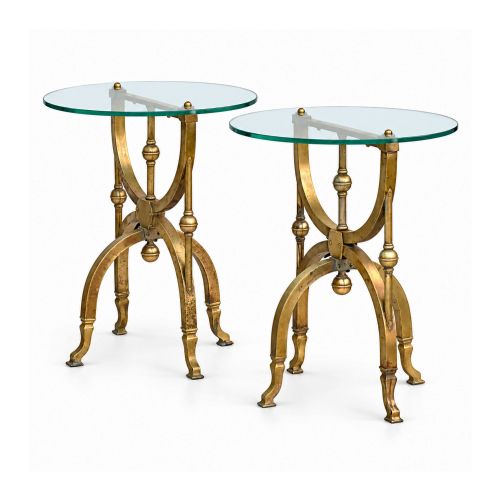
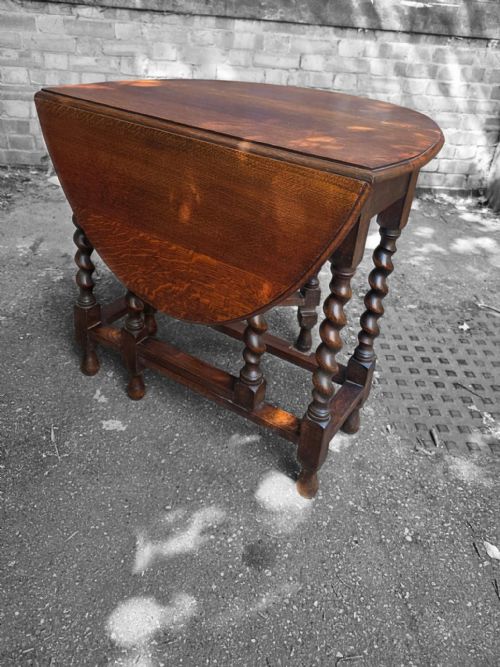
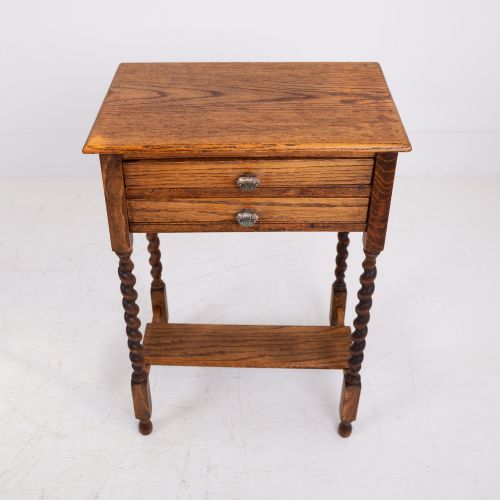
A 1920s side table covers an eclectic range of occasional furniture produced during a decade of shifting tastes between Edwardian tradition and modernism. Buyers searching for a 1920s side table encounter everything from sturdy oak pieces featuring barley twist legs to sophisticated burr walnut occasional tables.
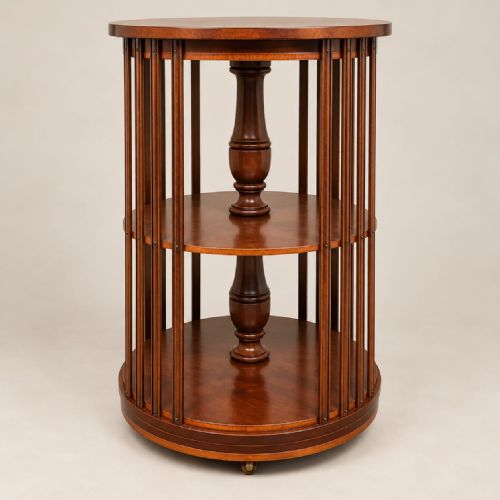
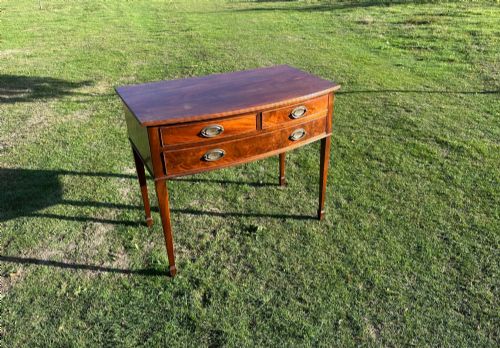
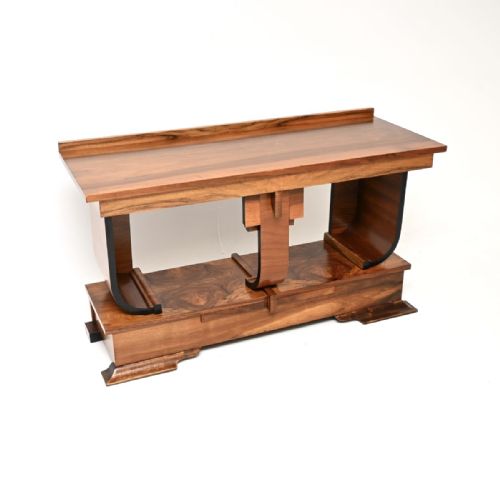
The selection frequently includes forms such as console tables, nests of tables, lowboys and compact lamp tables. Oak and walnut dominate the offerings, spanning simple utilitarian designs as well as elaborate revival styles like Jacobean and Queen Anne.
How they were made
Cabinet makers of this era utilised solid timbers like oak and mahogany for structural frames, while employing decorative veneers such as burr walnut and birds eye maple for tabletops. Traditional joinery techniques were combined with applied mouldings, turned elements like barley twists, and inset materials including suede and marble.
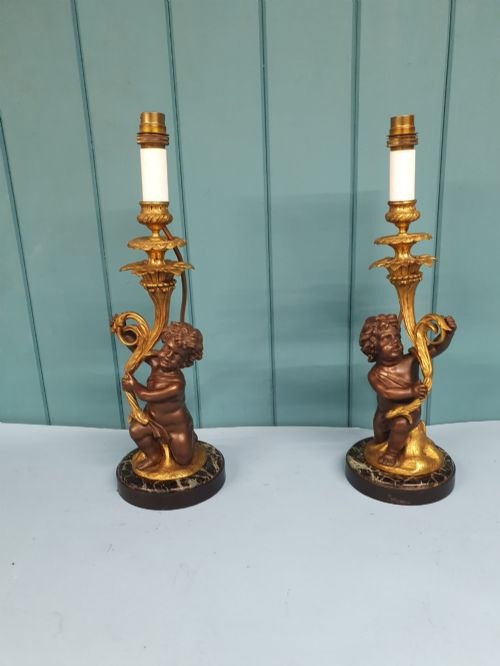
Surface finishes ranged from French polish and ebonised treatments to painted cream finishes. Specialised workshops also utilised wicker and metal work, producing items such as brass table lamps and wicker tables alongside standard timber construction.
1920s Side Table Retail Price Guide 2026
Typical asking prices for 1920s side table among the pieces listed under this phrase on Sellingantiques today, from the lower quarter to the upper quarter. They describe what is for sale here now, not the wider market.
The inventory spans the 1910s, 1920s, 1930s, and 1940s, capturing the transition into mid-century modernism.
What varies in quality
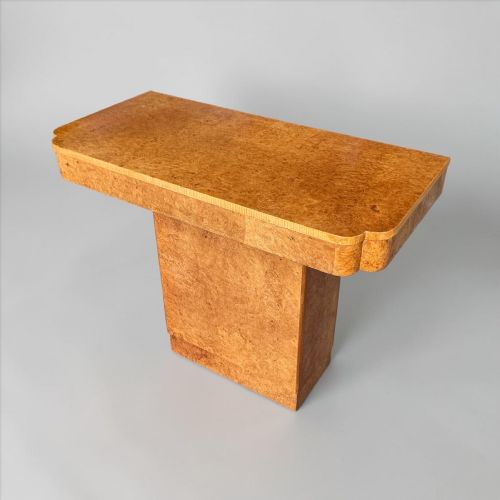
The standard of a piece depends heavily on the selection of timber veneers and the crispness of carved details. High quality examples display carefully matched burr walnut or figured walnut grain across the surface, whereas lesser items rely on plain timber or basic applied decoration.
Construction methods also distinguish finer workshops from mass production. Well executed joinery, solid drawer linings, and refined hardware separate standard utility items from distinguished pieces produced by notable designers and makers.
Dryad of Leicester·Beresford and Hicks London·Betty Joel·L Martin of Paris
The 1920s Side Table Glossary
- Barley Twist
- A type of turning shaped like a spiral rope, frequently found on the legs of oak tables from this period.
- Burr Walnut
- A figured wood veneer taken from the wart-like growths on walnut trees, prized for its swirling, decorative patterns on tabletops.
- Lowboy
- A small table with drawers, typically standing on four tall legs, often utilised as a side or serving table.
- Demi-Lune
- A half-moon shape used for console and side tables designed to sit flush against a wall.
- Bijouterie Table
- A glass-topped display table utilised for showcasing small decorative objects and collections.
1920s Side Table: Frequently Asked Questions
How do I identify an Art Deco side table?
Art Deco pieces from this period typically feature geometric shapes, symmetrical veneers like burr walnut or birds eye maple, and minimal carved ornamentation.
They often incorporate streamlined silhouettes and contrasting dark and light woods that distinguish them from earlier revival styles.
Where should I place a nest of tables?
A nest of tables works well beside a sofa or in a corner where surface space is needed intermittently without cluttering the room.
Individual tables can be pulled out to hold drinks or books and then stacked neatly together when not in use.
What is the difference between an occasional table and a console table?
An occasional table is generally freestanding and designed to be moved around a room as needed for lamps or drinks.
A console table is longer, narrower, and typically placed flat against a wall, sometimes featuring a shaped top or demi-lune design.
How do I care for a walnut veneer top?
Walnut veneer requires protection from direct sunlight and excessive moisture to prevent fading and lifting of the delicate wood layer.
Dust regularly with a soft dry cloth and apply a quality beeswax periodically to maintain the polished finish.