


1920s Bronze Figurine
A 1920s bronze figurine captures the dynamic energy of the period through sculptural form and brings distinctive Art Deco character to any interior.

1920s Bronze Figurine
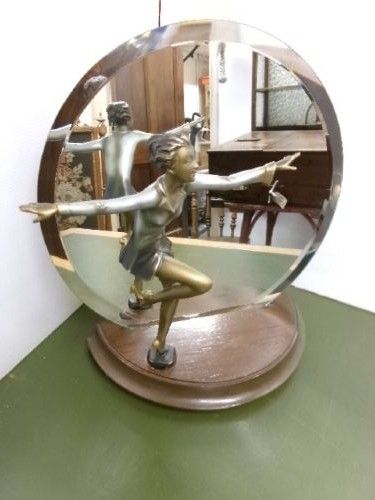
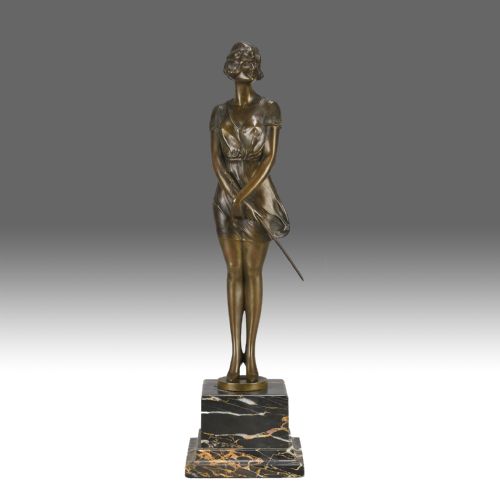
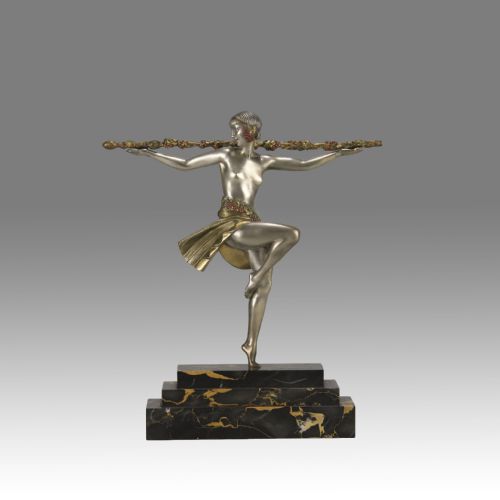
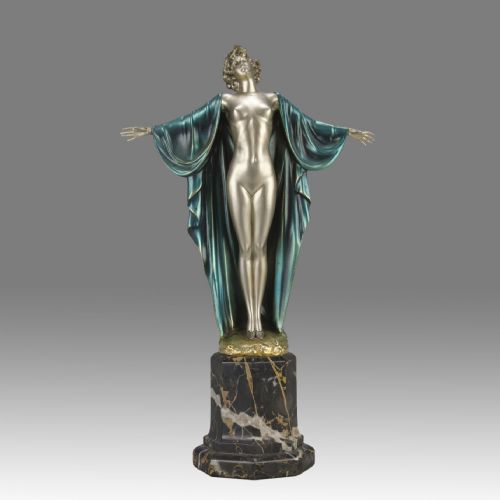
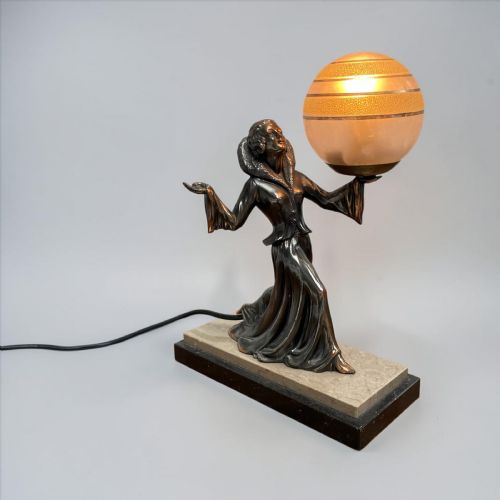
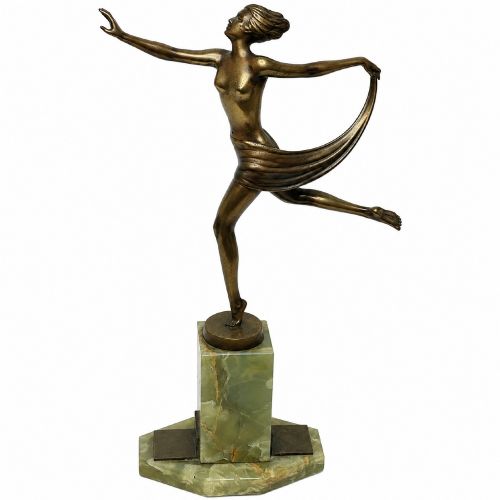
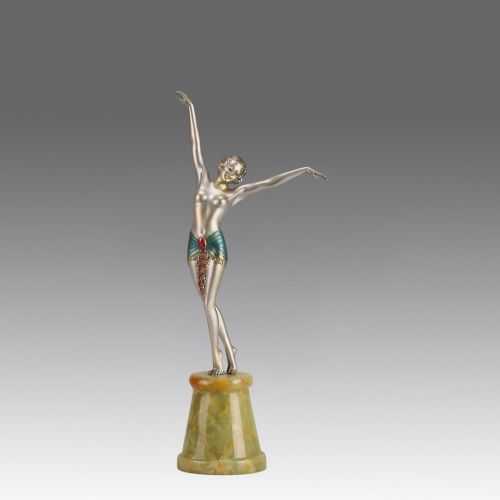
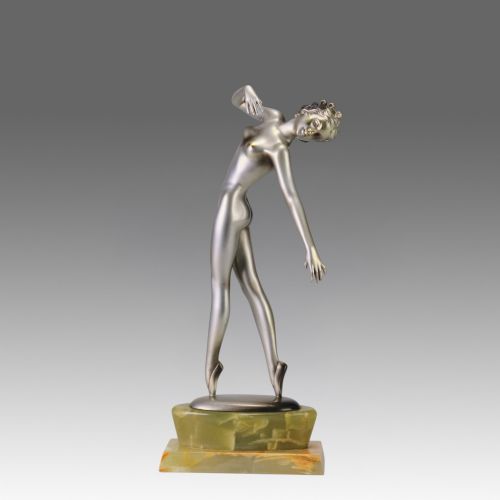
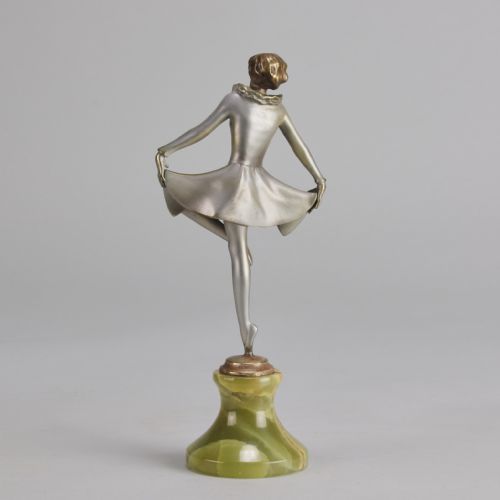
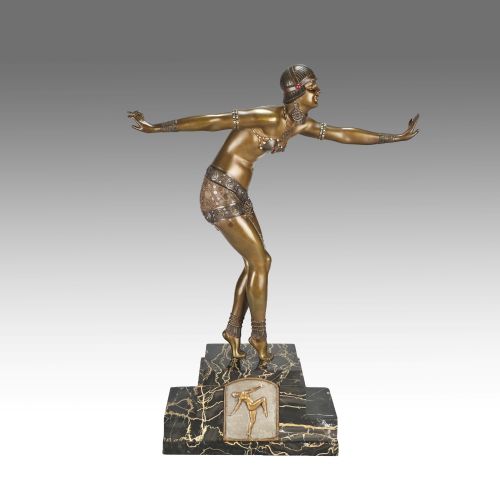
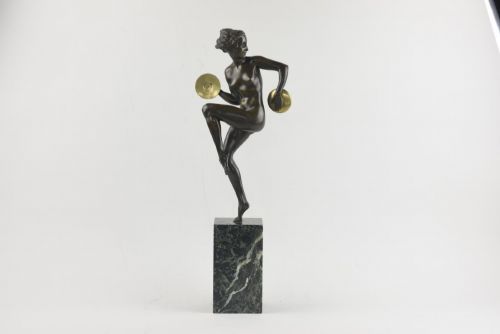
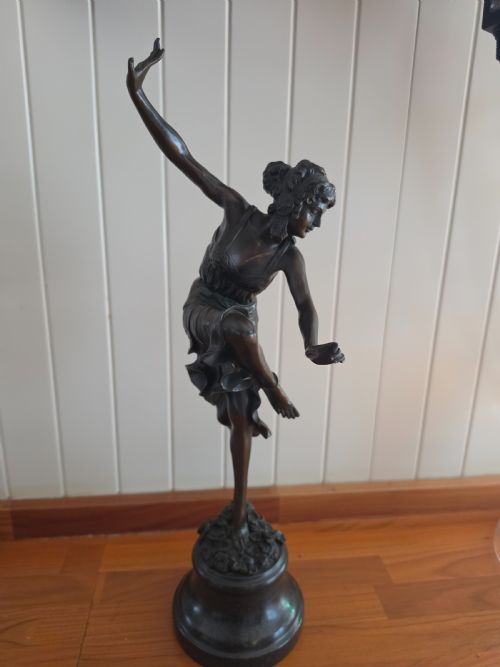
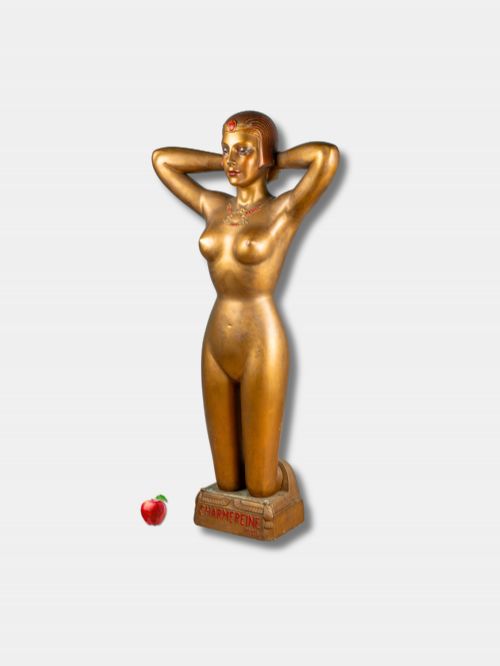
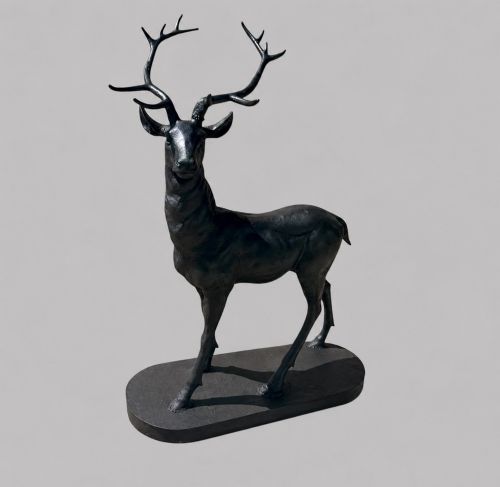
When searching for a 1920s bronze figurine, collectors encounter a focused array of sculptures and statuettes dominated by the Art Deco style. These pieces frequently depict dancers, female figures, athletes, and animal studies set upon marble or onyx bases.
The version most commonly met on this page is the dancer or female nude produced during the early twentieth century. Many incorporate media combinations such as gilt or cold-painted surfaces mounted directly onto polished stone plinths.
Beyond domestic sculptures, the category extends to functional objects such as table lamps and advertising display pieces. These diverse forms share a distinct stylistic vocabulary grounded in the interwar period.
Evaluating craftsmanship and finish
Base selection also influences the overall integrity of the piece, with dense, well-polished marble and onyx plinths elevating the presence of the sculpture. Maker attribution and signature clarity further separate standard studio output from premier works.
Materials documented across the inventory include bronze, spelter, marble, onyx, glass, and cold-painted surfaces.
Bruno Zach·Pierre le Faguays·Ferdinand Preiss·Josef Lorenzl·Demetre Chiparus·Claire Jeanne Roberte Colinet
The 1920s Bronze Figurine Glossary
- Cold-painted bronze
- A technique where paint is applied to a bronze object without heat fixation. This method allows for intricate polychromatic detailing on garments and natural subjects.
- Spelter
- A zinc alloy frequently utilised as a cost-effective alternative to bronze. It accepts metallic patination and cold-painted finishes similarly to heavier copper alloys.
- Onyx
- A banded variety of chalcedony employed widely for sculptural plinths. Its natural patterning provides a sturdy and decorative foundation for figures.
- Chryselephantine
- A term describing statues made from a combination of bronze and ivory. These works require specialised care to preserve the differing organic and metallic materials.
1920s Bronze Figurine: Frequently Asked Questions
How do I display a figurine safely?
Place the sculpture on a stable, level surface away from direct sunlight and excessive heat sources. Marble and onyx bases require only occasional dusting with a soft, dry cloth.
Avoid using liquid cleaners on cold-painted or patinated metallic surfaces to preserve the original finish.
Are these pieces strictly decorative?
While the majority function as standalone sculptures or statuettes, certain examples serve practical purposes. Selected items double as table lamps or advertising display pieces from the period.
Every functional variation retains the characteristic sculptural aesthetics of the interwar years.
How can I identify the subject matter?
Subjects often draw from contemporary dance, theatrical performances, and classical mythology. Figures frequently depict named dancers, allegorical dancers, or stylised female nudes.
Animal studies, including birds and foxes, also appear regularly within the broader sculptural selection.