




Silvered Bronze Dancer
A silvered bronze dancer captures the kinetic grace of the Art Deco era, bringing movement and metallic sheen to any interior.

Silvered Bronze Dancer
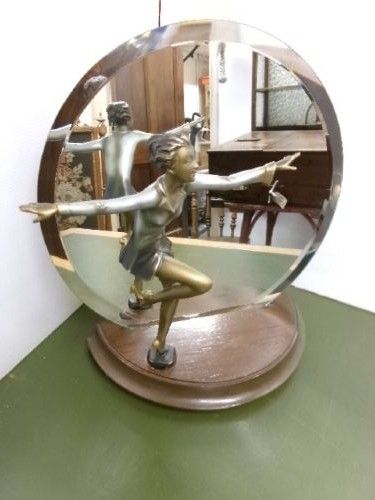
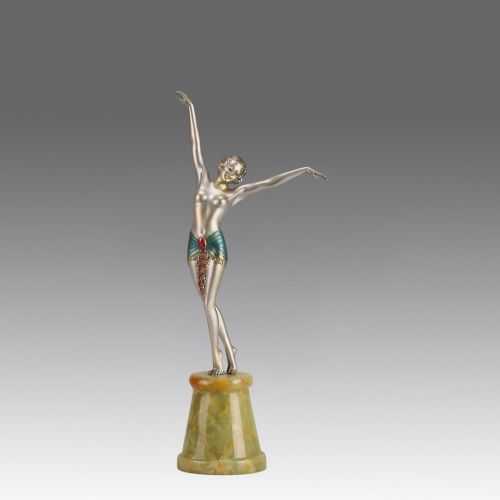
A silvered bronze dancer embodies the sculptural dynamism of the nineteen-twenties and nineteen-thirties, portraying figures in mid-motion with outstretched arms or flowing scarves. These pieces belong firmly to the Art Deco movement, capturing modernist fascination with theatre, ballet and exotic performance through striking figurative forms.
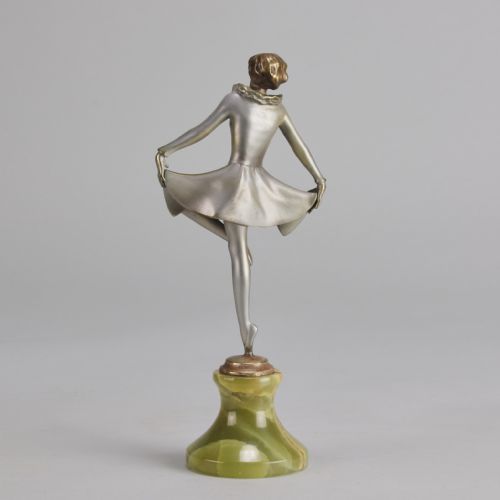
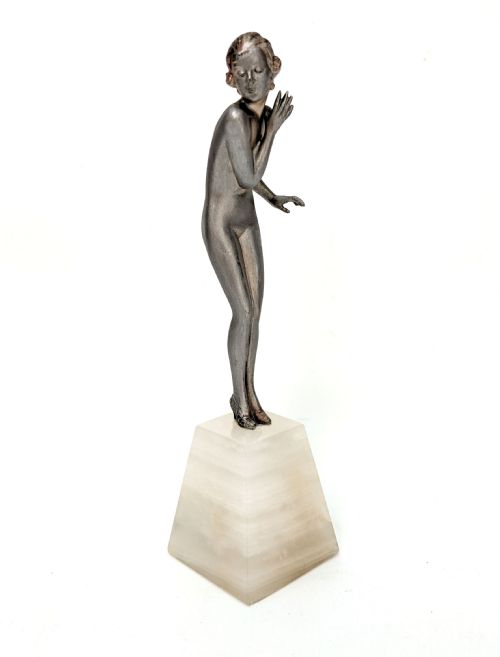
The version most frequently encountered on this page combines a metal dancer with a substantial stone plinth such as marble or onyx, often anchored by a stepped or geometric base. While genuine bronze and silvered bronze form the core of these offerings, contemporary spelter alternatives also appear alongside cold-painted finishes.
How they were made
Foundries produced these sculptures primarily through the lost-wax casting method, allowing for intricate detail in limbs, drapery and facial expressions. Molten bronze was poured into moulds, after which artisans applied silvering techniques or cold-painting by hand to achieve the distinctive metallic lustre.
Many figures required mounting onto dense bases of marble, onyx or wood to provide stability for dynamic, gravity-defying poses. The joinery between the metal figure and its stone plinth demanded precise engineering to support cantilevered arms and balanced postures.
One nimble dancer balances entirely atop a single die.
What varies in quality
The choice and finish of the base material further distinguish individual pieces, with dense, polished marble or onyx elevating the architectural presence of the sculpture. The harmony between the fluidity of the dancer and the solidity of the mounting defines the upper tier of the range.
Pierre le Faguays·Josef Lorenzl·Claire Jeanne Roberte Colinet·Demetre Chiparus·Pierre Laurel
The Silvered Bronze Dancer Glossary
- Silvered bronze
- Bronze metal treated with a silver coating to impart a bright, reflective finish. This surface treatment was widely utilised during the Art Deco period to accentuate metallic highlights on figurative sculptures.
- Cold-painted
- A method where enamel or oil paint is applied to cold metal without subsequent firing in a kiln. This technique allowed makers to introduce vibrant polychrome detail to bronze and spelter garments.
- Spelter
- A zinc-based alloy commonly used as an economical substitute for bronze in decorative figures. It is softer than bronze and frequently appears in period reproductions and alternative editions.
- Onyx
- A banded variety of chalcedony used extensively for sculptural bases in the early twentieth century. Its translucent layers provided a luxurious, weighty foundation for metal dancers.
Silvered Bronze Dancer: Frequently Asked Questions
How do I identify a silvered bronze dancer?
Examine the weight, coldness and surface texture of the metal to distinguish genuine bronze from spelter alternatives. Look closely at the joins and finish under good light.
Check for signature marks or foundry stamps usually located near the base of the sculpture. Period pieces carry the characteristic patination and casting marks of nineteen-twenties and thirties production.
Are these figures mounted on marble?
Many figures feature heavy stone plinths made from marble or onyx to anchor balanced or leaping poses. These bases provide both structural stability and an architectural frame.
Some examples utilise wood bases instead of stone, reflecting different foundry practices of the era. The base style often helps indicate the period of manufacture.
What is the difference between bronze and spelter?
Bronze is a durable alloy of copper and tin that accepts fine detail and holds patination securely over decades. Spelter is a softer zinc alloy that feels lighter and shows more wear.
Figurines cast in spelter often rely on cold-painted finishes rather than chemical patination. Both materials appear in period works from the interwar years.
How should I display a dancer sculpture?
Place the sculpture on a stable surface where light catches the silvered metallic finish and highlights the dynamic pose. Ensure the heavy stone or marble base is fully supported.
Keep the piece away from direct sunlight and moisture to protect any cold-painted details or delicate patination. Dust gently with a dry, soft cloth.