


18th Century Writing Slope
An 18th century writing slope offers a portable desk surface with concealed compartments for papers and ink, prized for compact craftsmanship and tactile heritage.
18th Century Writing Slope
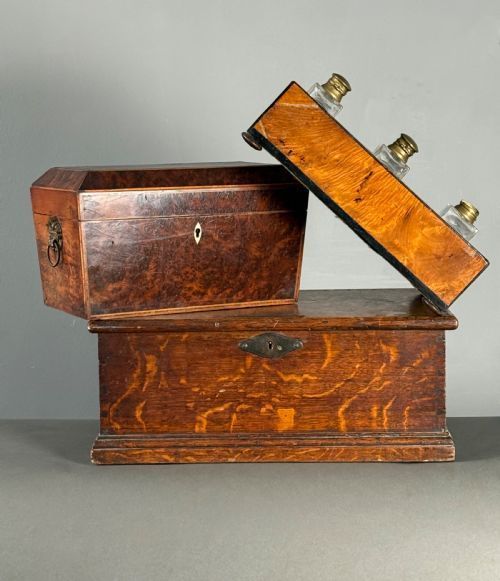
When you search for an 18th century writing slope, you encounter portable wooden boxes designed for travel or domestic correspondence. These pieces open to reveal a slanted writing surface alongside pigeonholes, small drawers, and inkwell spaces.
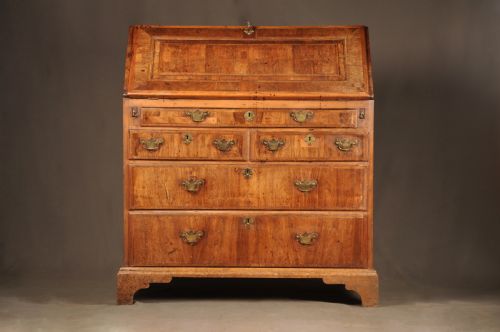
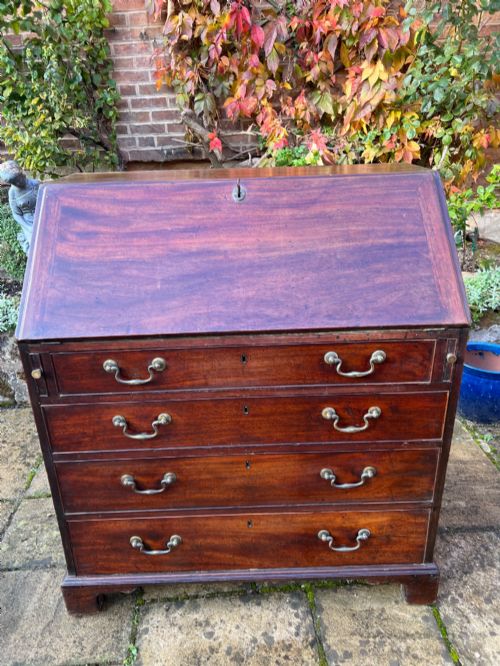
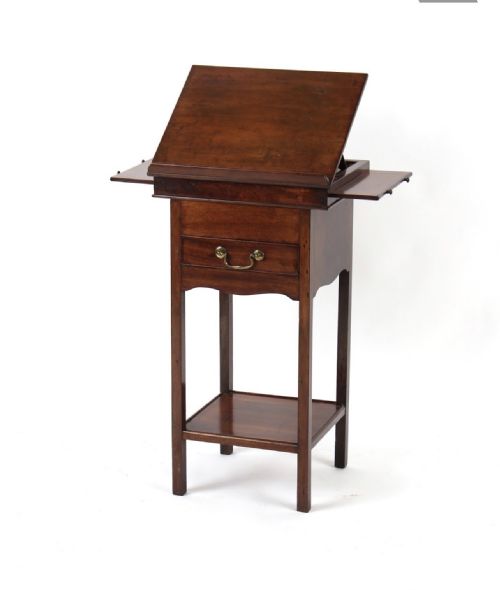
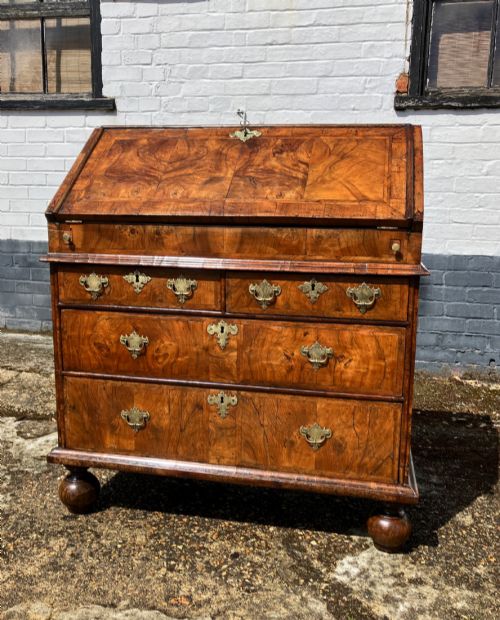
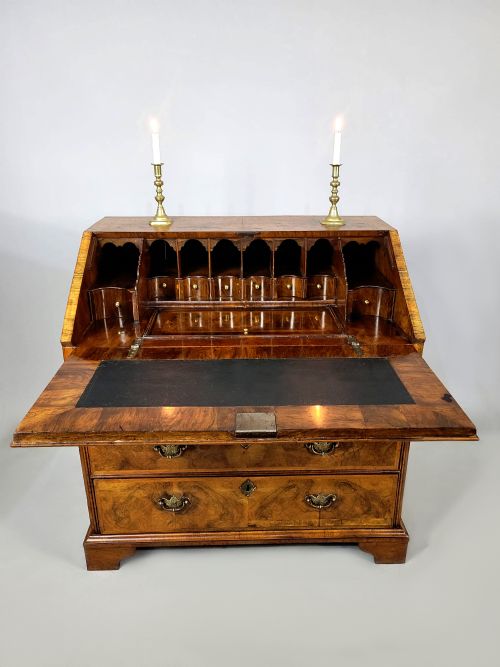
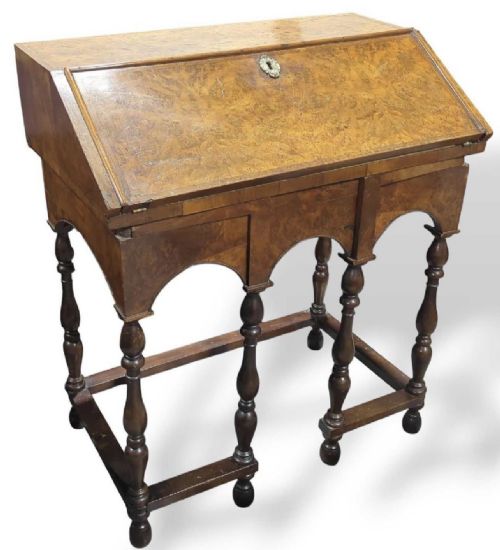
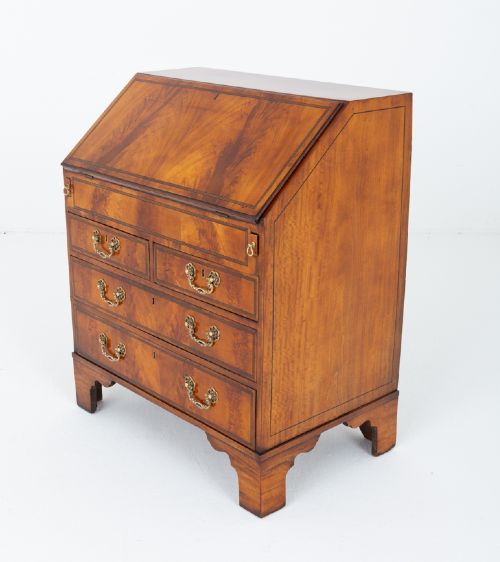
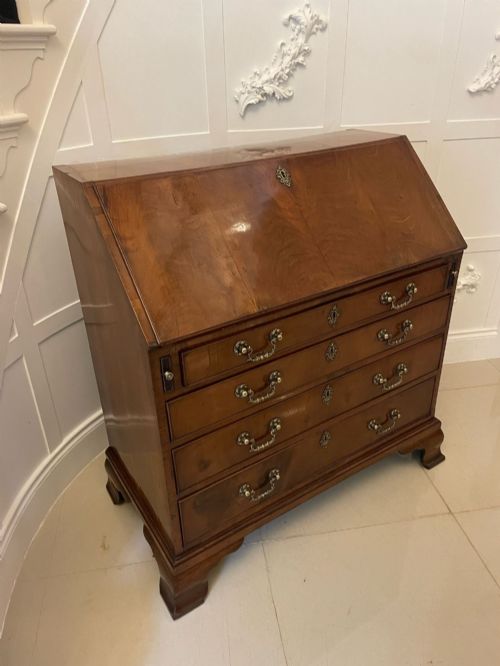
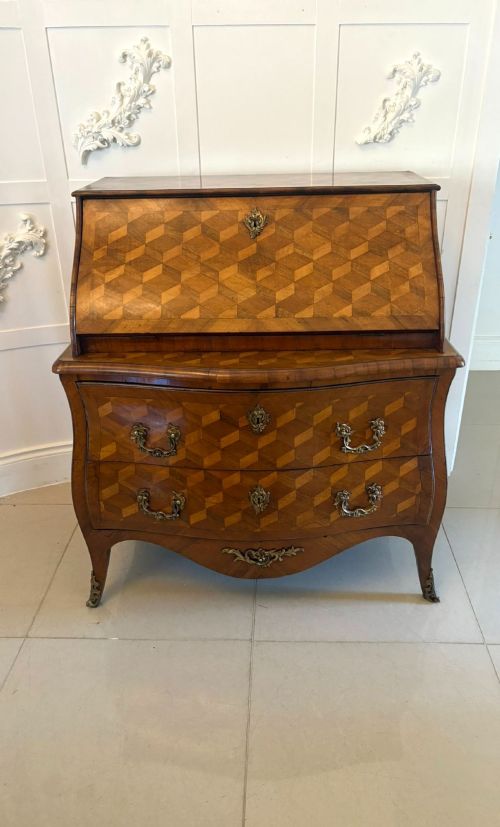
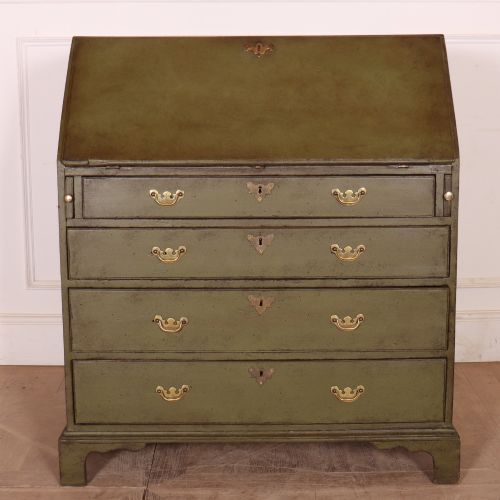
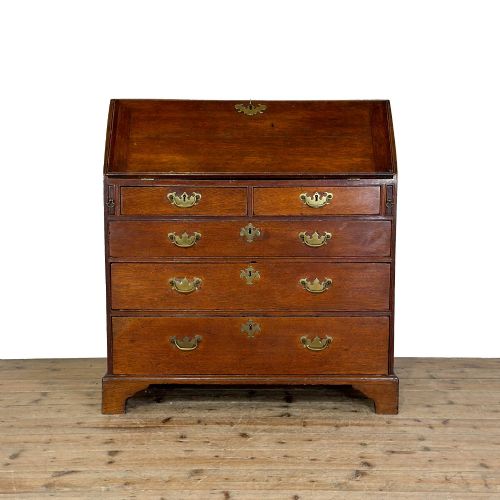
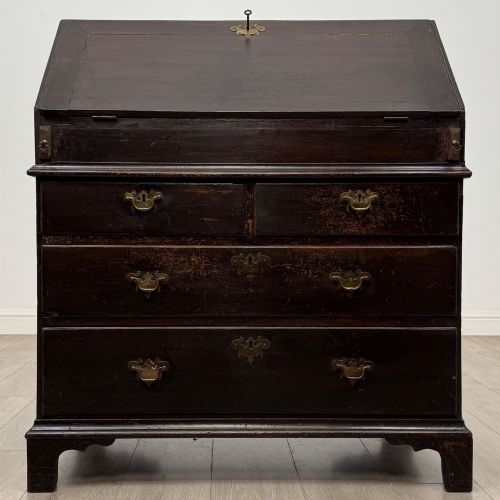
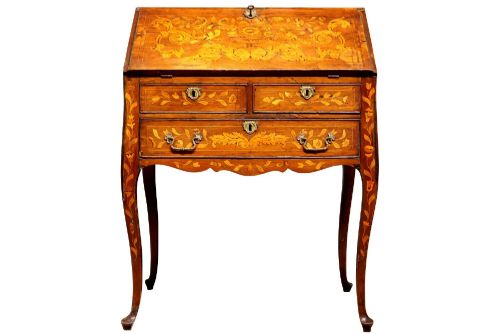
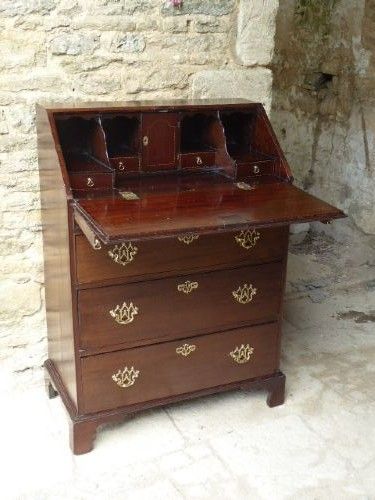
The selections on this page span several decades and varied forms, ranging from compact travelling boxes to larger bureaux, clerks desks, and bureau bookcases. Mahogany and oak dominate the offerings, often complemented by walnut veneers, fruitwood, and occasional marquetry details.
You meet pieces originating from English workshops alongside Dutch, French, and Portuguese examples. The overarching format remains consistent: a hinged lid dropping down to form a desk or a sloping front concealing fitted interior compartments.
How they were made
Cabinetmakers constructed these writing slopes using solid timbers and carefully cut veneers applied to secondary woods. Mahogany, oak, and walnut provide the structural integrity, while specialised woods like burr walnut, fruitwood, and satinwood deliver decorative grain patterns.
Construction techniques rely on dovetailed joints for the box bodies and frame-and-panel methods for larger furniture forms. Metal components such as brass carrying handles, escutcheons, and original ironwork reinforce corners and secure the lids during transport.
18th Century Writing Slope Retail Price Guide 2026
Typical asking prices for 18th century writing slope among the pieces listed under this phrase on Sellingantiques today, from the lower quarter to the upper quarter. They describe what is for sale here now, not the wider market.
Some travelling slopes hide secret spring-loaded compartments beneath the stationery wells, designed to keep private letters safe from prying eyes.
What varies in quality
The visual strength of the timber grain dictates much of the distinction between standard and superior pieces. Selection of figured mahogany, flame mahogany, or elaborate floral marquetry elevates the exterior appearance significantly.
Interior complexity and the preservation of original fittings also separate examples. The presence of fitted secret drawers, original brass hardware, bone or mother-of-pearl details, and intact leather writing surfaces demonstrates higher workshop execution.
The 18th Century Writing Slope Glossary
- Bureau
- A desk featuring a sloping fall-front that opens to reveal an interior fitted with small drawers and pigeonholes. This form serves as the primary desk style found across the period.
- Writing Slope
- A portable box with a hinged, slanted lid designed for lap use or placement on a table during correspondence. It opens to store paper, pens, and ink.
- Marquetry
- Inlaid patterns of contrasting wood veneers, flowers, or scrollwork applied to furniture surfaces. Dutch makers frequently utilised this technique on walnut carcasses.
- Campaign
- Descriptive term for portable furniture built for military officers on active service. These pieces typically incorporate brass binding and inset carrying handles.
- Escutcheon
- A protective metal plate surrounding a keyhole. On these pieces, they are commonly cast in brass.
18th Century Writing Slope: Frequently Asked Questions
What is an 18th century writing slope?
An 18th century writing slope is a portable box designed for correspondence, featuring a hinged sloping lid that opens to provide a writing surface. Inside, the box contains fitted compartments for ink, pens, and paper.
These pieces were utilised for travel or domestic writing before standard stationary desks became widespread in every room. Their compact design allowed owners to pack away their writing materials securely.
How do I use a writing slope today?
You can place a writing slope on a larger table or desk to serve as a compact writing station or decorative storage box. The interior compartments suit modern stationery, letters, or small keepsakes.
Opening the slope reveals a flat or angled surface suitable for contemporary journaling or displaying objects. Care should be taken to protect antique wood surfaces from moisture and direct sunlight.
How do I tell different woods apart?
Mahogany typically displays a reddish-brown tone with straight or figured grain patterns that catch the light. Oak exhibits a distinct coarse grain with visible medullary rays.
Walnut presents a richer, darker brown often enhanced by decorative figuring or veneers. Fruitwood and satinwood offer lighter, warmer tones utilised for contrast in finer cabinets.
What is the difference between a slope and a bureau?
A writing slope is a portable tabletop box designed to be moved easily between locations. It lacks legs or a permanent base structure.
A bureau functions as a larger, stationary item of furniture standing on legs, a frame, or a chest of drawers. Both share the characteristic sloping fall-front lid.