
18th Century Wood Mirror
An 18th century wood mirror brings historic depth and carved craftsmanship to a room, offering warm timber tones or gilded surfaces that reflect period style.
18th Century Wood Mirror
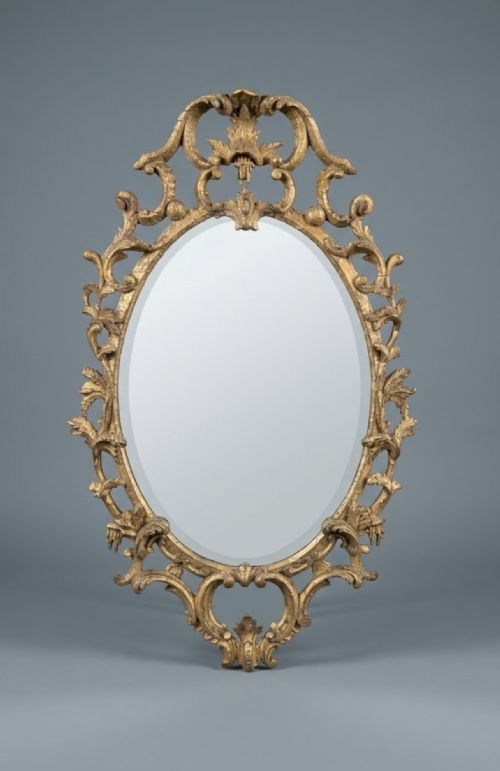
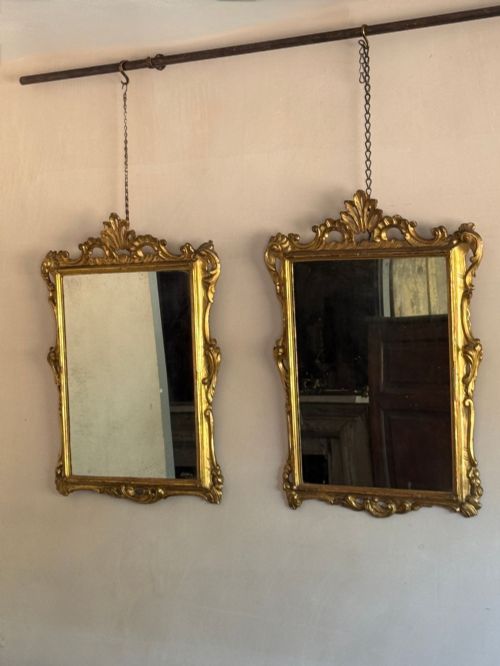
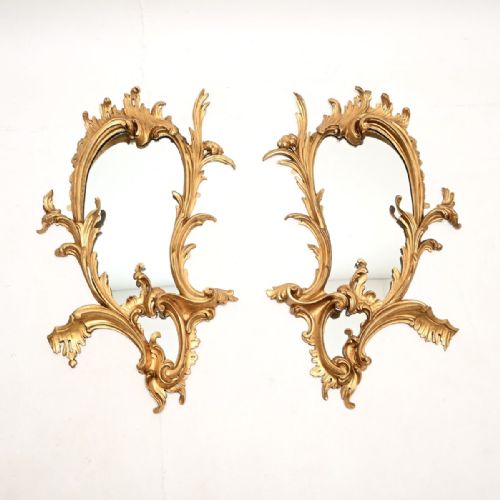
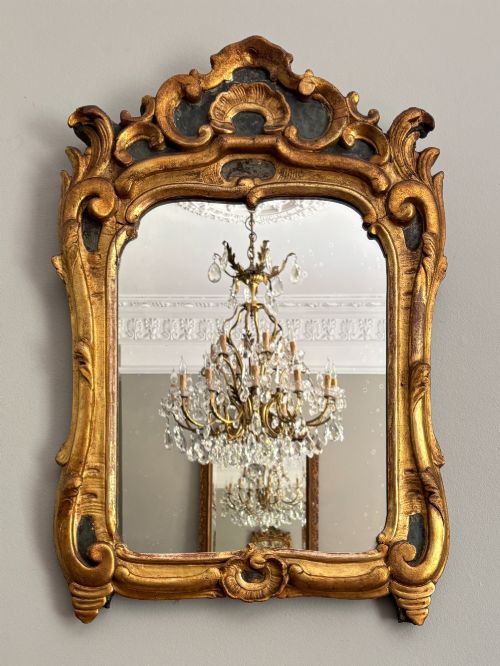
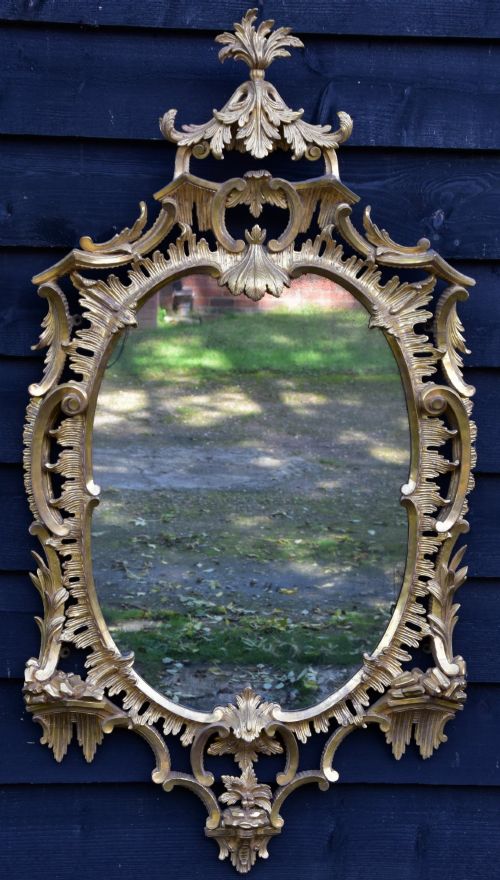
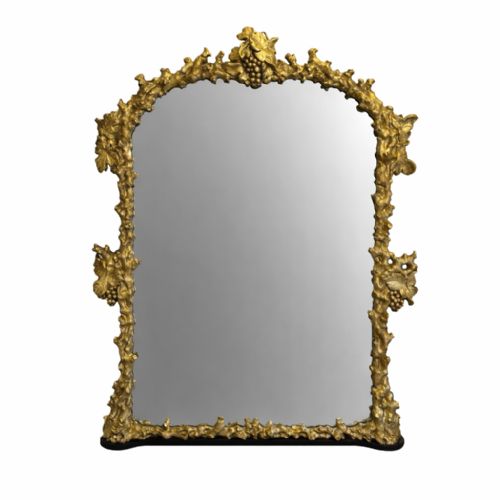
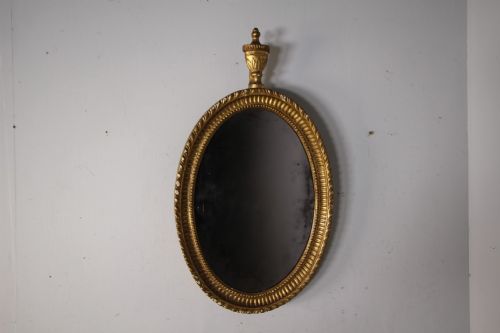
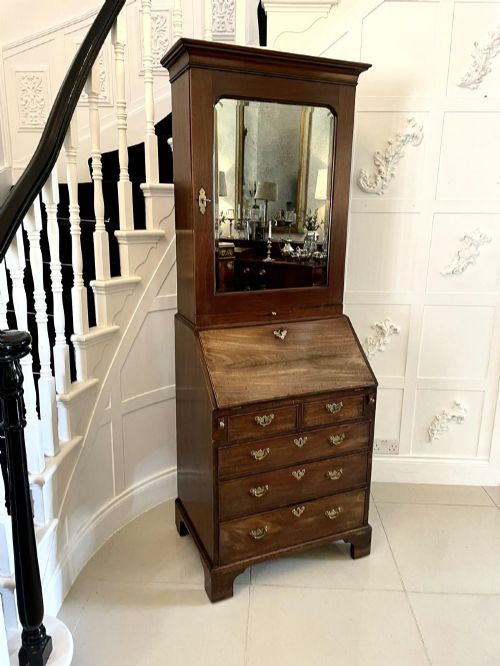
An 18th century wood mirror encompasses wall-hanging and table-standing looking glasses produced during the Georgian and Baroque eras. Buyers encounter pieces ranging from large overmantel and wall glasses to compact dressing table mirrors designed for bedrooms and boudoirs.
How they were made
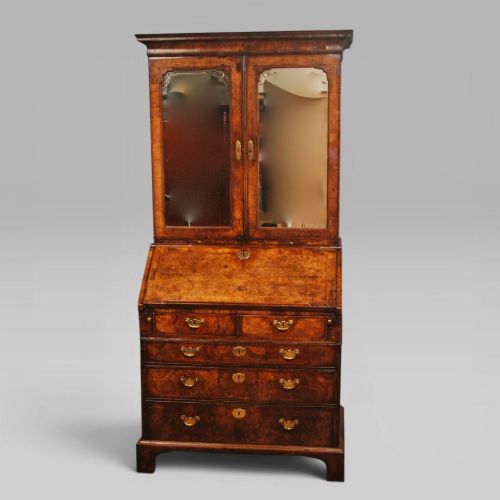
Cabinetmakers constructed the foundational frames using dense timbers like mahogany, walnut, oak, and satinwood, frequently employing fine veneers and crossbanding. Carvers then shaped intricate details directly into the wood or applied layers of gesso to create high-relief ornamentation.
Gilders coated the prepared surfaces with gold leaf or paint, while glassmakers produced reflective plates using traditional mercury techniques that often develop distinctive foxing over time.
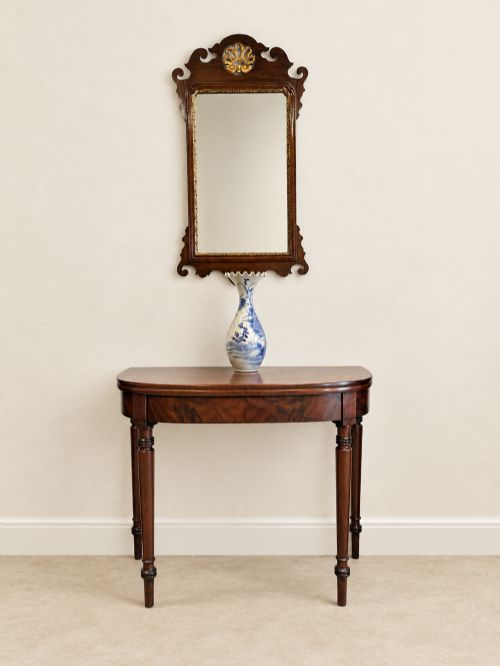
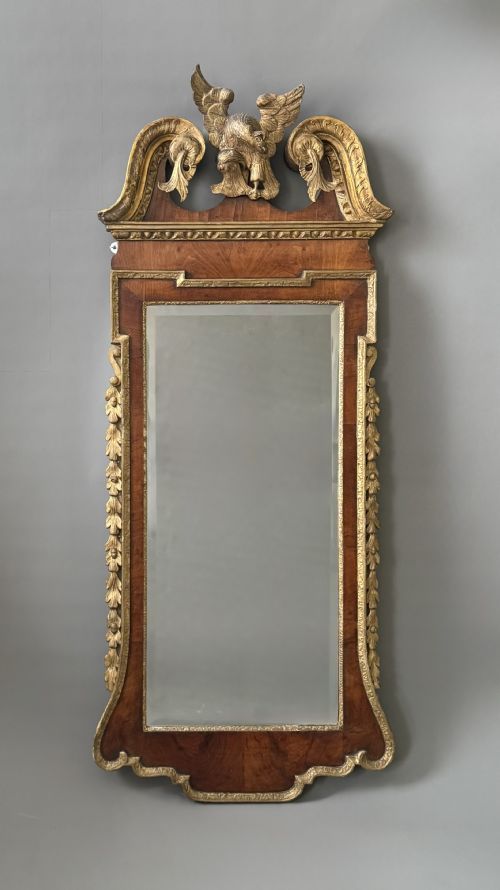
Listings feature prominent George II and George III periods alongside French Rococo and neoclassical styles executed in mahogany, walnut, and giltwood.
What varies in quality
The distinction between standard examples and exceptional pieces rests upon the crispness of the hand-carved ornamentation and the integrity of the original materials. Superior specimens display deeply undercut carving, well-balanced proportions, and untouched surfaces that have matured naturally over centuries.
The survival of original mercury mirror plates and early gilding elevates a piece significantly. Lesser examples may exhibit heavy later restoration, replacement glass, or simplified framing that lacks the refined detailing of period workshops.
The 18th Century Wood Mirror Glossary
- Giltwood
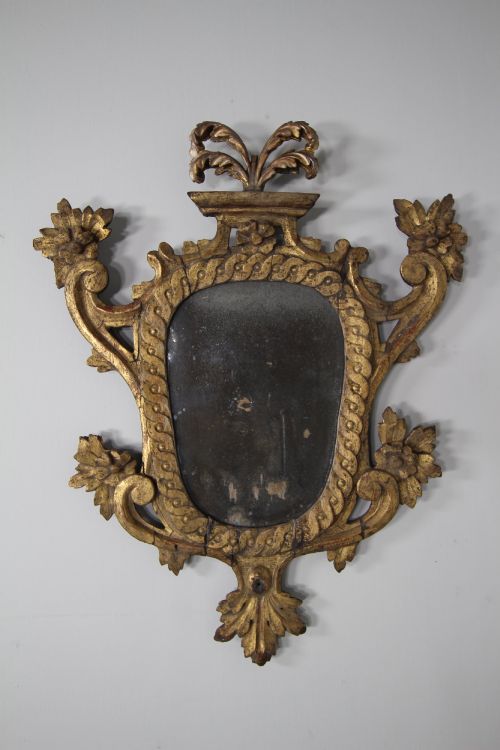
- Timber coated with gold leaf over a prepared gesso ground. This finish defines many formal wall mirrors from the period.
- Mercury glass
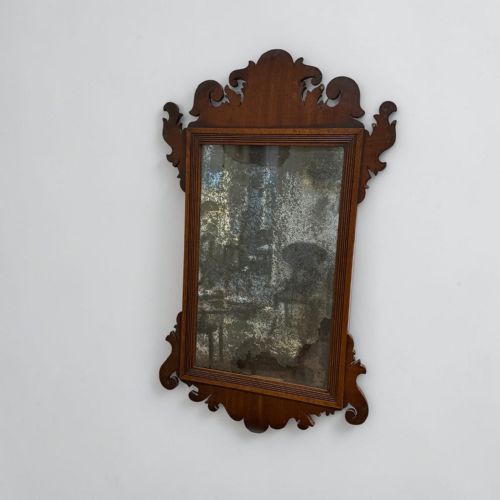
- Early mirror plate manufactured using a tin and mercury amalgam. It is recognised by a characteristic mottled or foxed appearance.
- Parcel gilt
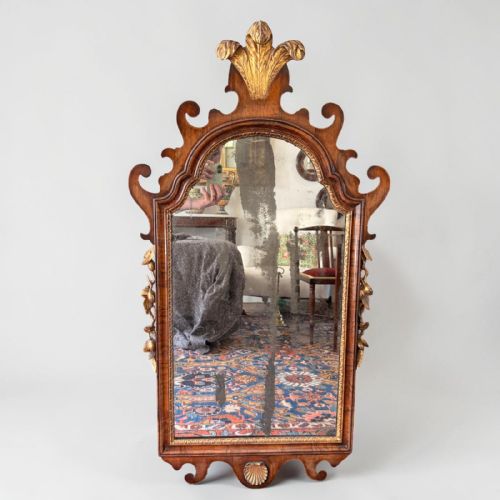
- A decorative treatment where selected portions of a wooden frame are gilded while the remaining timber grain stays visible.
- Gesso
- A plaster-like mixture applied to wood frames to provide a smooth base for intricate carving and subsequent gilding.
- Toilet mirror
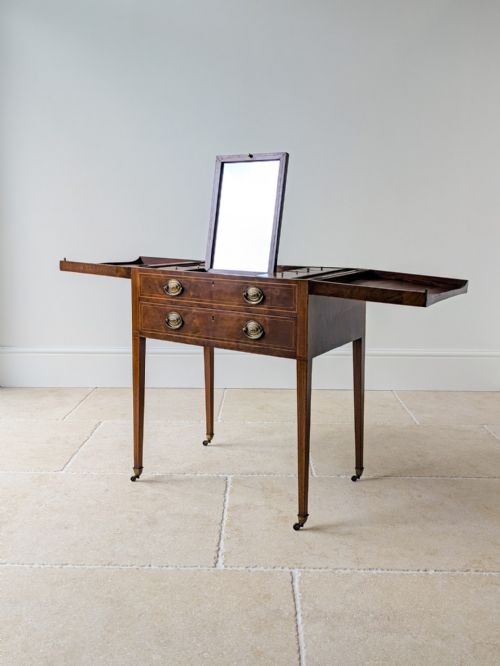
- A small portable looking glass mounted on a pivoting frame above a miniature set of drawers or a dressing box.
18th Century Wood Mirror: Frequently Asked Questions
How do I hang an 18th century wood mirror safely?
Heavy wall mirrors require professional assessment of the wall structure and appropriate weight-bearing fixings. Professional mirror hangers utilise suitable wall anchors matched to the weight of the timber frame and glass plate.
Ensure the hanging wire or original brackets are thoroughly inspected for strength before mounting. Positioning the mirror away from direct sunlight and damp conditions protects both the wood and the silvering.
What is foxed glass on an old mirror?
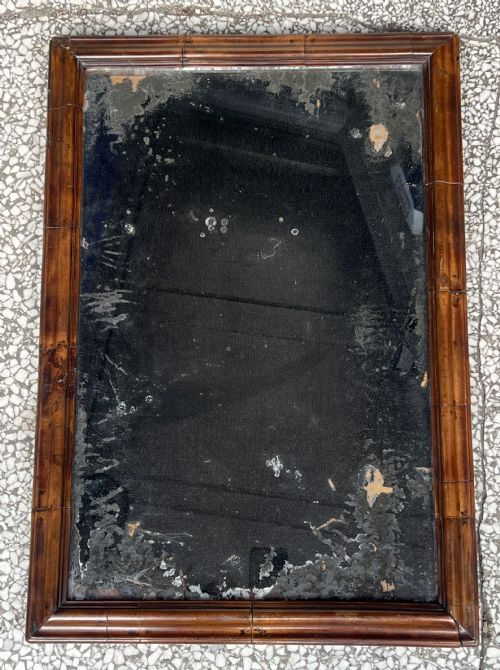
Foxing refers to the dark spots, speckles, and cloudy patches that develop on older mirror plates over time. This chemical ageing process occurs as the backing material degrades beneath the glass.
Many collectors prize foxed mercury plates as authentic indicators of age and originality. It creates a soft, atmospheric reflection rather than the crisp image of modern glass.
How do I clean an antique wood mirror?
Dust the carved wooden frame gently with a dry, soft-bristled brush to remove surface debris without disturbing the finish. Avoid commercial polishes and moisture on historic giltwood or exposed timber.
Clean the glass plate sparingly using a slightly damp cloth, taking care not to let liquid seep behind the edges of the frame. Moisture can damage old backing materials and accelerate the deterioration of the silvering.
Are dressing table mirrors original to the period?
Dressing table and toilet mirrors were produced in large numbers during the Georgian era for personal grooming. They combine a pivoting mirror plate with a small box base containing small drawers.
Checking the construction of the drawer linings and the mounting pivots helps determine whether the components remain together. Many retain their original proportions and timber patination from the eighteenth century.