
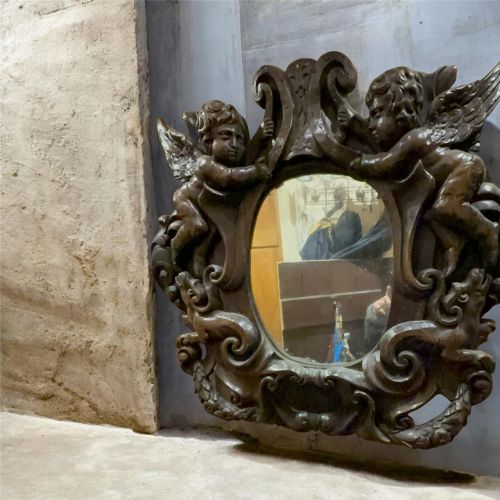
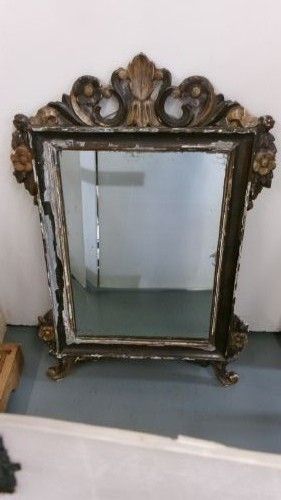


Brown Wood Accent Mirror
A brown wood accent mirror brings warmth and depth to a room through traditional craftsmanship and rich timber tones.
Brown Wood Accent Mirror
When searching for a brown wood accent mirror, a buyer encounters wall-hanging looking glasses constructed from various timber species across multiple centuries. The selection ranges from plain nineteenth-century oval frames to ornate eighteenth-century carved designs.
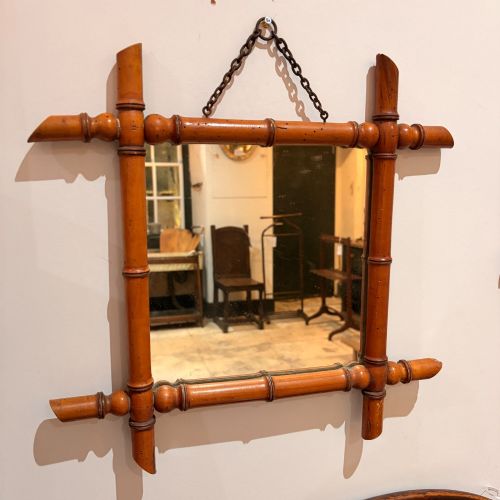
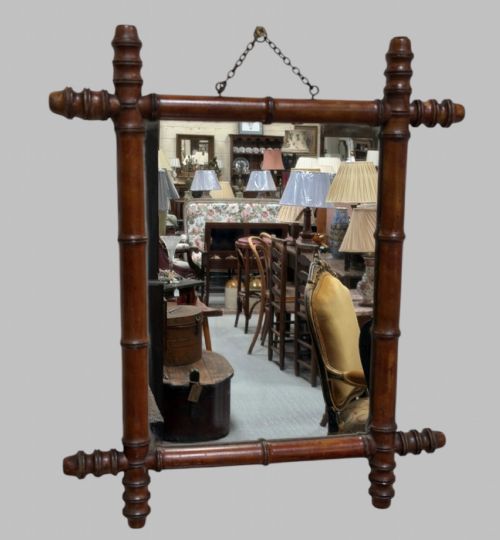
Most examples found here date from the eighteenth and nineteenth centuries, alongside revival pieces from the early twentieth century. Common forms include rectangular wall mirrors, oval frames, and specialised pieces featuring faux bamboo or carved wood details.
Origins span British, French, Dutch, and Italian workshops, reflecting diverse regional aesthetics within the same basic category of brown wood accent mirror. Buyers frequently encounter styles such as Georgian, Victorian, Baroque, and Queen Anne Revival.
How they were made
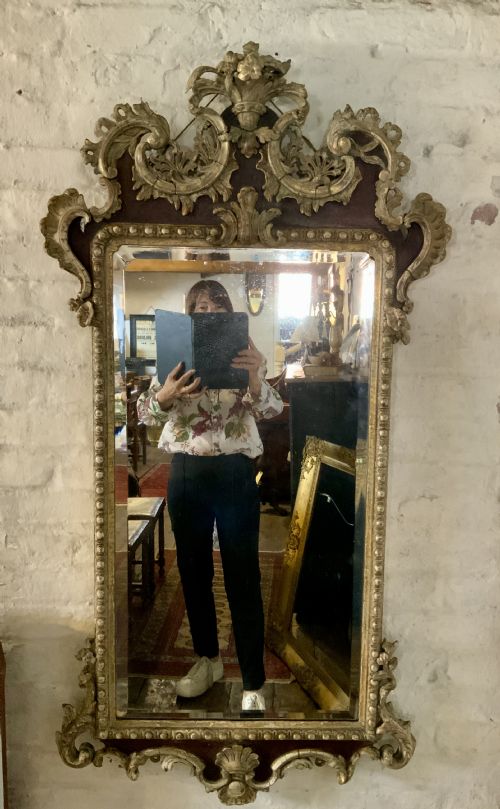
Cabinetmakers utilised solid timbers including walnut, mahogany, oak, and pine to construct the primary frame structures. Artisans frequently applied carved decorations directly into the wood or incorporated parcel gilt and painted elements to enhance the visual appeal.
Alternative finishes include simulated wood surfaces and faux bois techniques, where makers painted ordinary materials to mimic exotic or highly figured grain. Glass plates were traditionally hand-silvered and fitted into rebated wooden frames behind secure wooden backs.
Listings feature timbers such as walnut, mahogany, oak, pine, and giltwood across eighteenth and nineteenth-century periods.
What varies in quality
The degree of hand-carving sophistication separates standard production frames from exceptional examples. Crisp detailing in foliage, egg and dart motifs, or rococo scrolls indicates skilled workmanship by period artisans.
The choice and preservation of primary timbers affect the overall character. Figured walnut or richly patinated mahogany retain depth and warmth, whereas heavily altered surfaces or unsympathetic repairs diminish the integrity of the piece.
The Brown Wood Accent Mirror Glossary
- Parcel gilt
- Partially gilded with gold leaf to highlight specific carved details. This technique creates a contrast between the exposed brown wood and the bright metallic accents.
- Faux bamboo
- A decorative treatment where wood is turned and carved to imitate natural bamboo stalks. Makers in the nineteenth century popularised this whimsical style across mirrors and furniture.
- Faux bois
- Simulated wood grain or wooden appearance created through paintwork. Artisans applied this finish to render less expensive timbers visually striking.
- Chippendale
- A mid-eighteenth-century English furniture style known for elaborate carving, asymmetry, and flowing lines. Mirrors in this tradition often feature intricate fretwork and naturalistic motifs.
- Queen Anne Revival
- A late nineteenth and early twentieth-century style looking back to early eighteenth-century forms. Walnut veneers and shaped crestings frequently characterise pieces from this movement.
Brown Wood Accent Mirror: Frequently Asked Questions
How do I clean an antique wood frame?
Dust the wooden frame gently with a dry, soft cloth to remove surface particles without disturbing the finish. Avoid commercial aerosol polishes containing silicones that can damage aged timber.
For stubborn grime, a slightly damp cloth with mild soap can be used sparingly, followed immediately by drying. Preserving the natural patina requires minimal intervention and gentle care.
Are these mirrors original antique glass?
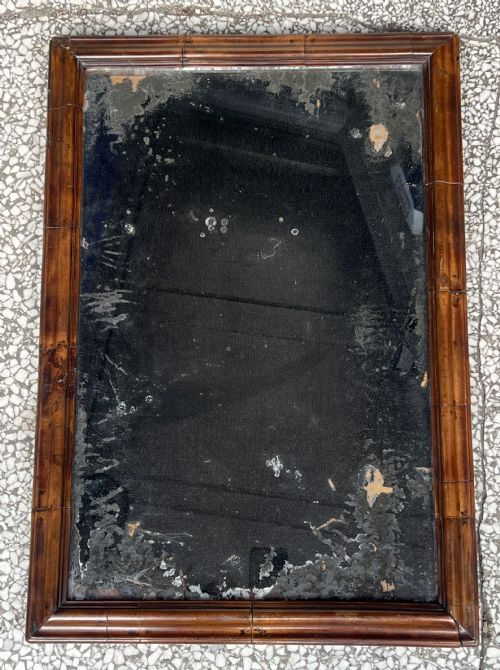
Many older wall mirrors retain their original silvered glass, which often exhibits minor foxing, spots, or light distortion. These age marks serve as indicators of period authenticity.
Replacement glass occasionally appears in pieces that required restoration over the centuries. Examining the mirror plate alongside the frame helps determine whether the glass matches the period of manufacture.
How do I identify the wood type?
Observing the grain pattern, colour variation, and density helps distinguish between timbers like walnut, mahogany, oak, and pine. Walnut typically displays rich brown tones with dark figuring, while mahogany exhibits a reddish-brown hue.
Faux finishes and painted surfaces can sometimes obscure the underlying timber, requiring closer inspection near joints or unpainted edges. Consultation with period characteristics assists in accurate identification.