

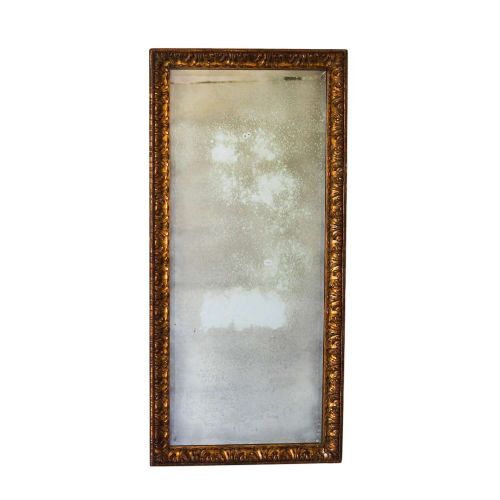
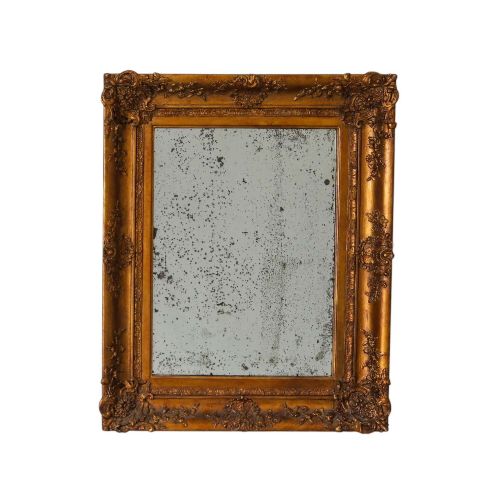
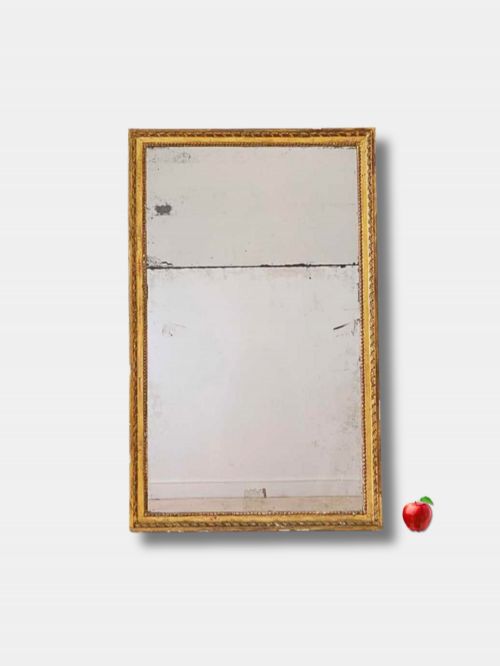
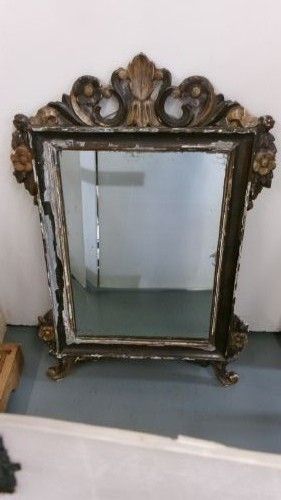
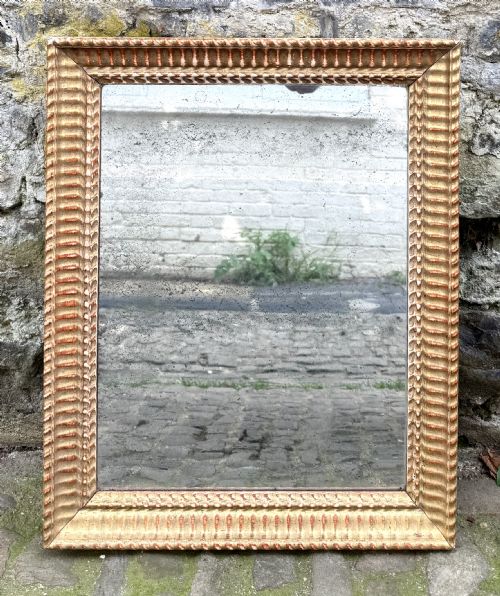


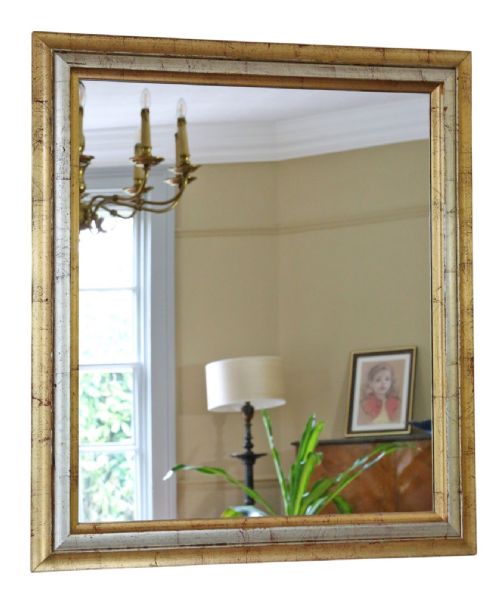


Distressed Gilt Frame Mirror
A distressed gilt frame mirror brings centuries of character into a room through aged metal leaf and foxed glass.
Distressed Gilt Frame Mirror
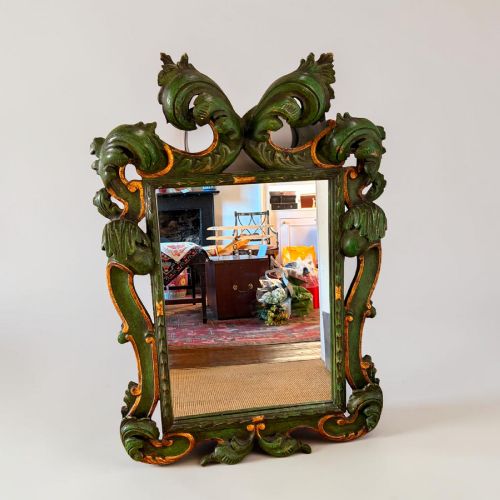
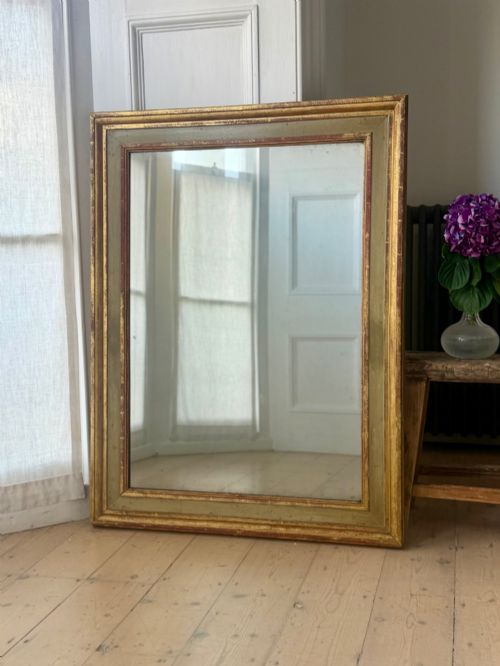
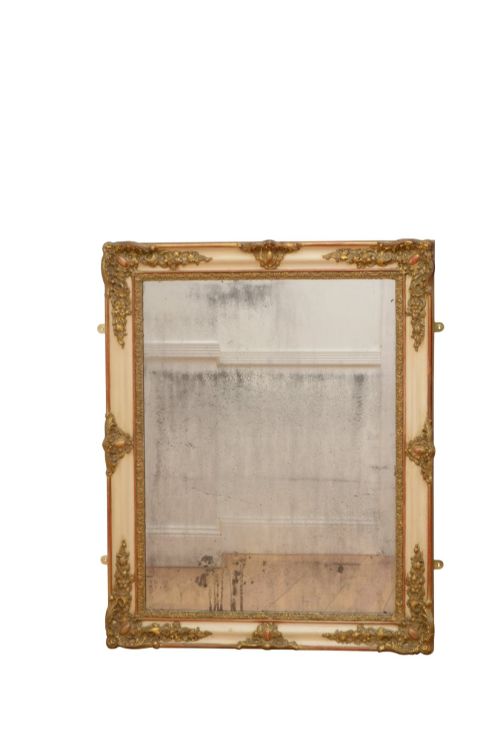
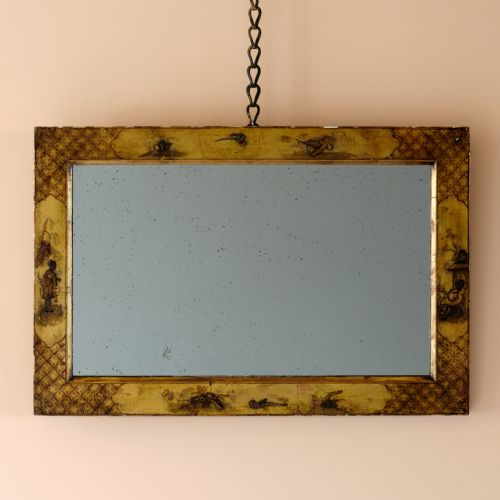
A distressed gilt frame mirror combines a reflective glass plate with an ornate, aged wooden surround finished in gold leaf, gesso, or paint. When searching for a distressed gilt frame mirror, buyers encounter wall-hanging and overmantel forms originating from English and French workshops.
The selection ranges from early 18th century carved pier glasses to 19th century Regency, Louis XVI, and Rococo examples. Many pieces show the characteristic wear of mercury glass plates alongside chipped or over-painted giltwood frames.
French styles dominate the available selection, frequently appearing alongside Georgian designs and Victorian overmantels. These wall mirrors serve as functional focal points that reflect light while displaying the deep patination accumulated over generations.
How these mirrors were constructed
Carved wood and gesso form the structural base of the frames, providing the intricate relief work seen on rococo and classical designs. Artisans applied thin layers of gold leaf or paint over the gesso ground, which naturally chips and wears over time.
Early plates consist of mercury glass, characterised by a dark, mottled silvering that creates an uneven reflection. Later 19th century and 20th century examples incorporate standard glass plates alongside painted wood and silver gilt finishes.
Frames often carry the ghost of past walls, wearing layers of over-paint applied by decorators who changed room colours centuries ago.
What separates the finest examples
The depth and integrity of the original hand-carved wooden ornament dictate the upper tier of quality. Superior pieces retain their original gilding and uncompromised structural joinery beneath the surface wear.
The character of the glass plate heavily influences the desirability of the piece. Authentic mercury plates with deep foxing and original backboards command greater interest than modern replacement glass set into older frames.
The Distressed Gilt Frame Mirror Glossary
- Mercury glass
- A double-walled blown glass type containing a silvering mixture inserted through a small hole, creating mottled dark spots known as foxing. It predates the modern vacuum-silvering process.
- Gesso
- A plaster-like mixture applied to wood frames to create a smooth surface for gilding or painting. It allows for crisp, intricate moulding and carving details.
- Giltwood
- Timber that has been coated with gold leaf or gold paint. The underlying wood shows through as the metallic layer wears away.
- Trumeau mirror
- A decorative wall mirror designed to fit into the space between windows, often incorporating an oil painting or carved panel above the glass plate.
- Pier glass
- A tall mirror specifically made to hang on the narrow wall between two windows, frequently supported by a small console table.
Distressed Gilt Frame Mirror: Frequently Asked Questions
How do I date an antique gilt mirror?
Dating relies on examining the construction methods of the wooden frame, the style of the carved gesso ornament, and the composition of the glass plate. Early 18th century pieces display hand-carved details and heavy mercury silvering, whereas Victorian and 20th century examples show machine assistance or different framing profiles.
Secondary indicators include the type of backing boards, fixings, and the specific formulation of the paint or gilding. Comparing the decorative motifs against documented periods such as Regency, Louis XVI, or Georgian provides further confirmation.
What causes foxing on mirror glass?
Foxing results from the breakdown of the reflective backing material over decades or centuries of exposure to atmospheric moisture and oxygen. This chemical reaction creates dark spots and cloudy patches across the glass plate.
In older mirrors, particularly those using mercury backing, this degradation is prized as an authentic marker of age. It softens the reflection and distinguishes antique plates from modern glass.
Are these mirrors suitable for bathrooms?
High humidity and fluctuating temperatures in bathrooms can accelerate the deterioration of historic gesso and vintage silvering. Excessive moisture causes the gesso foundation to swell and crack, lifting the gold leaf from the wood frame.
Placing these pieces in drier living spaces, hallways, or above a bedroom mantel helps preserve the original materials. If used in damp environments, careful placement away from direct steam sources is essential.
How should I clean a distressed frame?
Dusting the carved frame requires a soft, dry brush to prevent dislodging fragile flakes of old gesso and gold leaf. Liquid cleaners and commercial polishes must be avoided entirely, as they strip the delicate surface patination.
The glass plate can be wiped gently with a microfibre cloth and a minimal amount of glass cleaner applied to the cloth rather than directly to the mirror surface, ensuring no liquid seeps behind the plate.