
18th Century Welsh Cupboard
When searching for an 18th century welsh cupboard, collectors encounter sturdy vernacular oak furniture built for storage and display in rural homesteads.
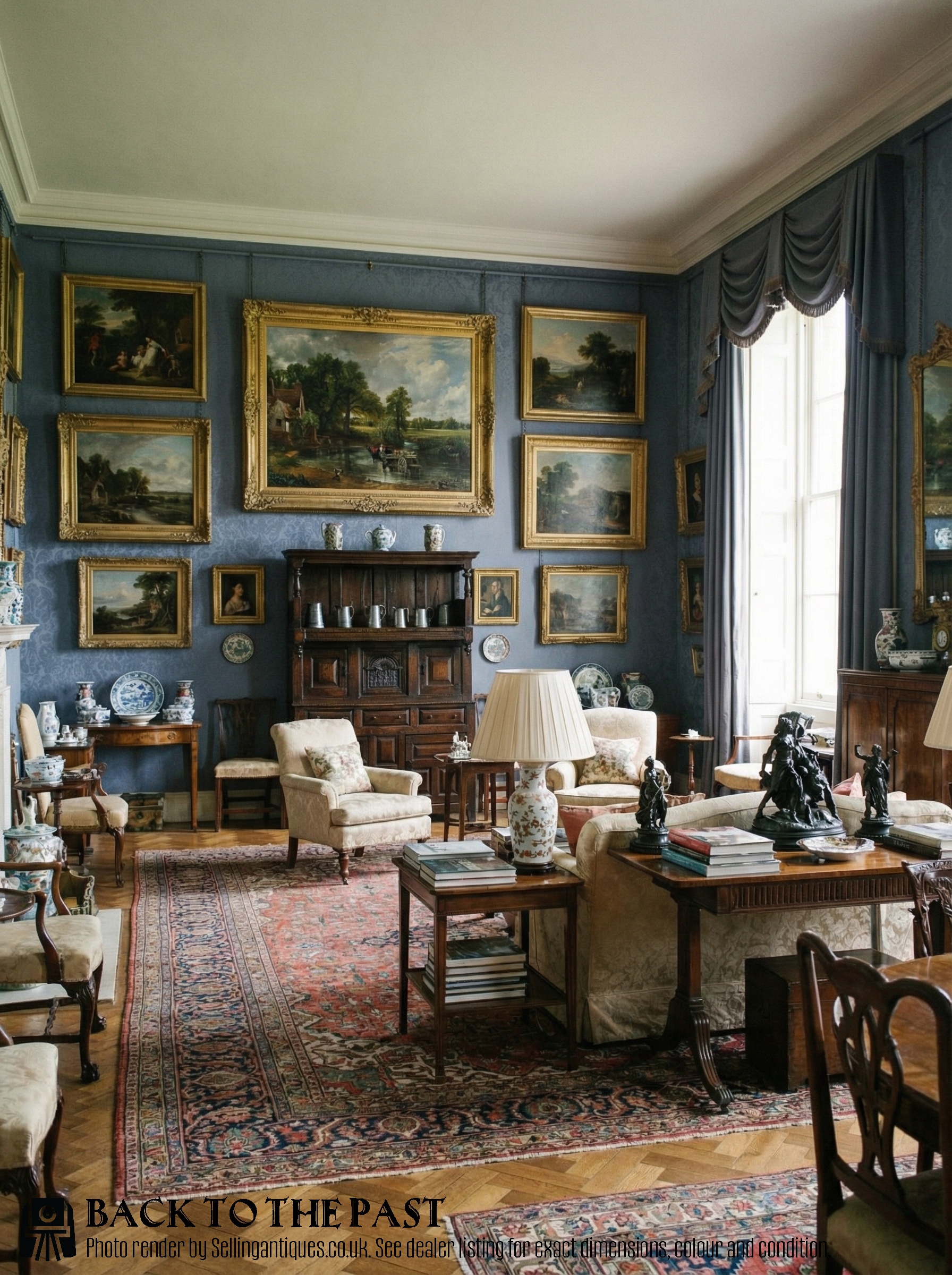
18th Century Welsh Cupboard
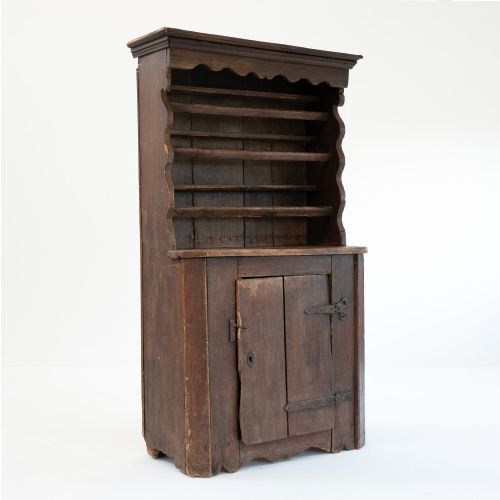
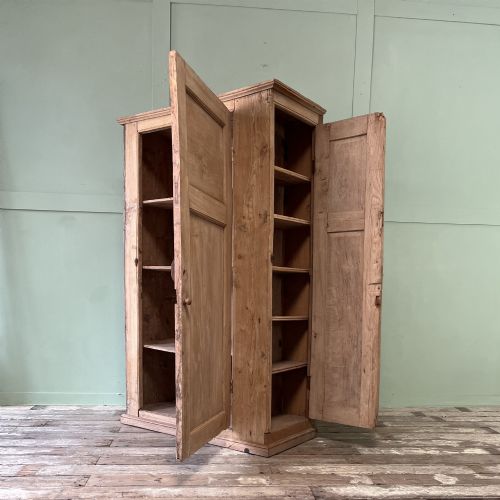
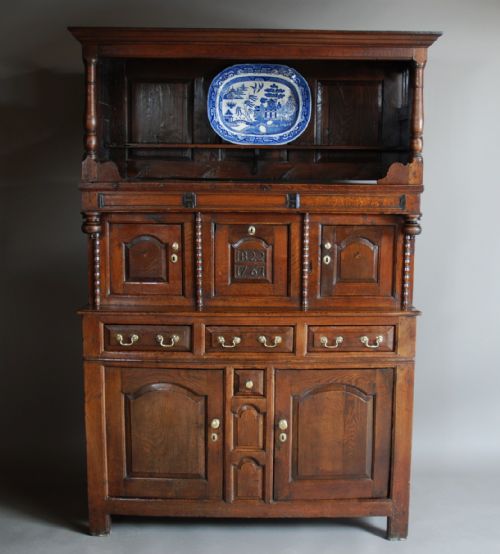
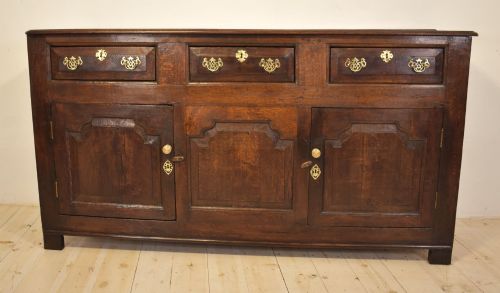
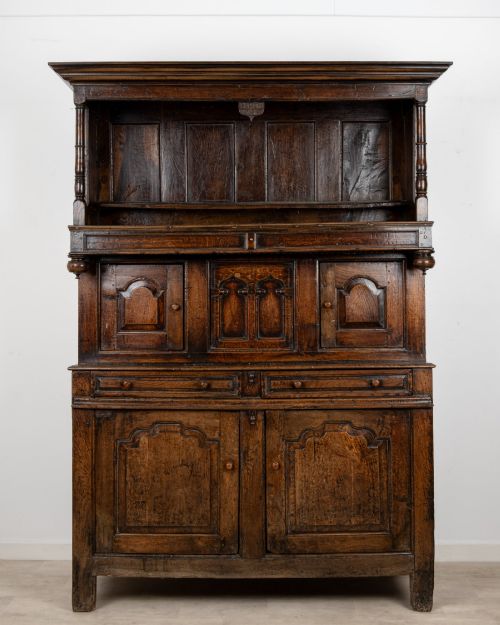
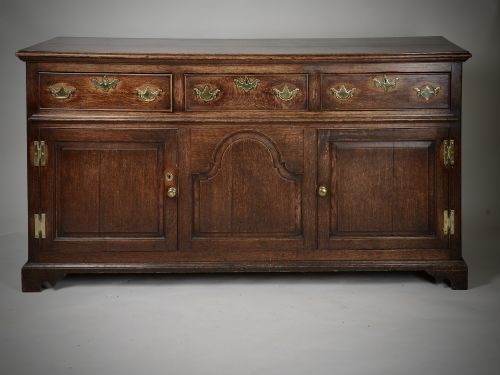
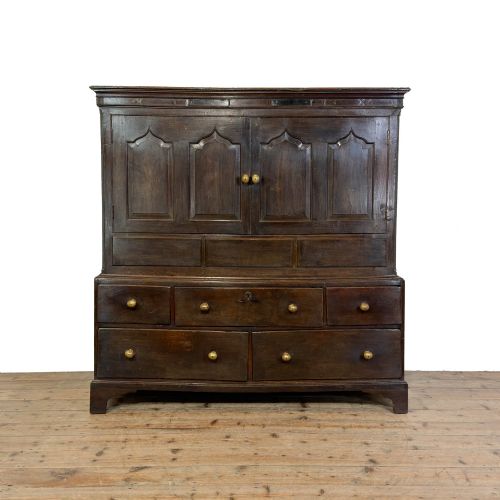
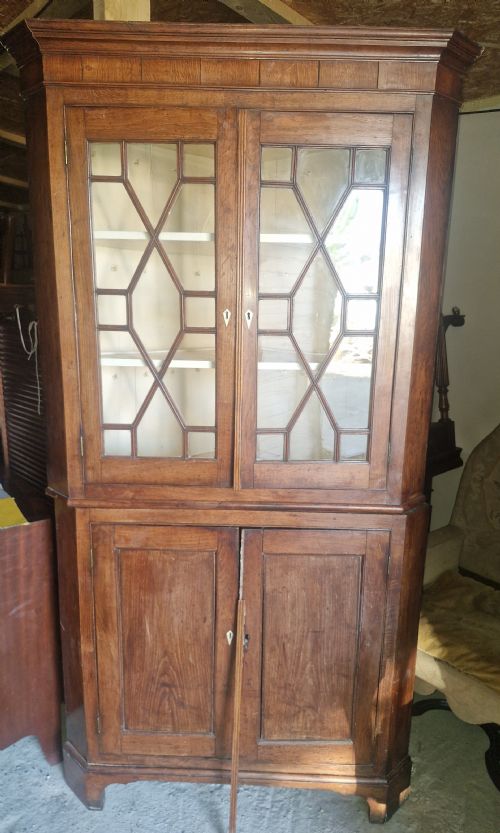
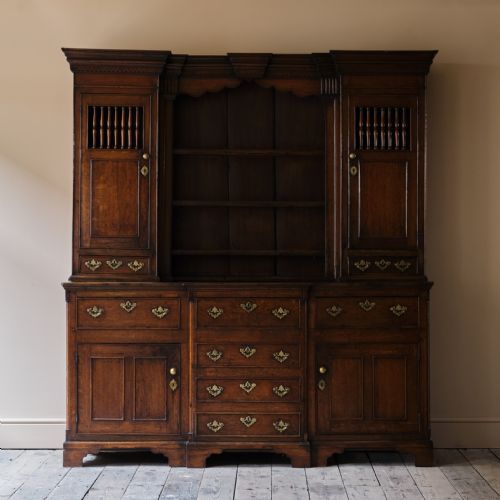
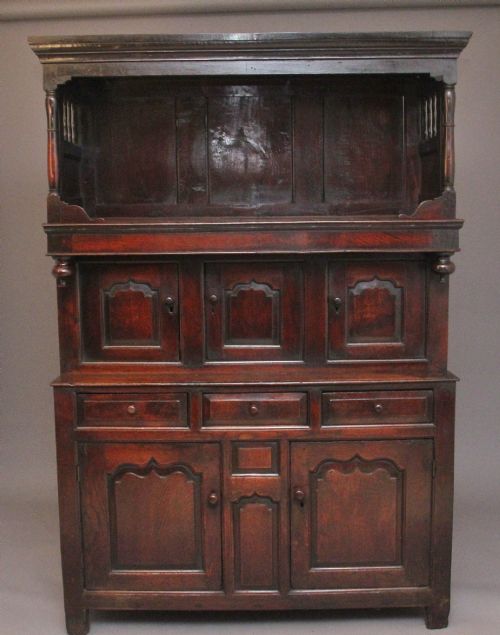
An 18th century welsh cupboard encompasses regional vernacular forms such as the traditional cwpwrdd tridarn, deuddarn, press cupboards, and food cupboards. These utilitarian pieces served rural domestic needs for storing provisions, linen, and household goods within Welsh farmhouses.
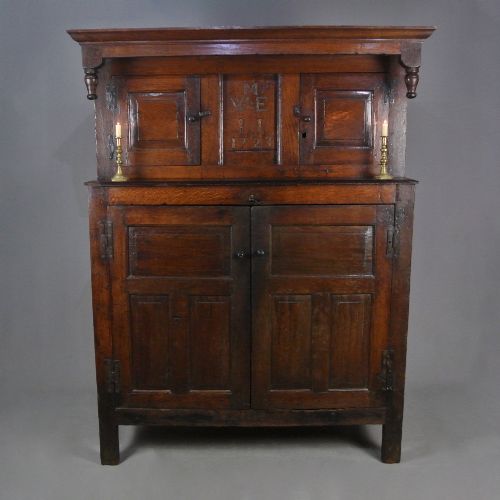
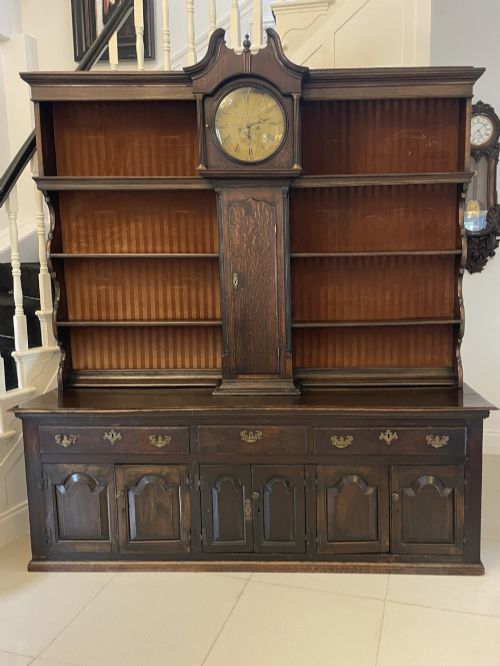
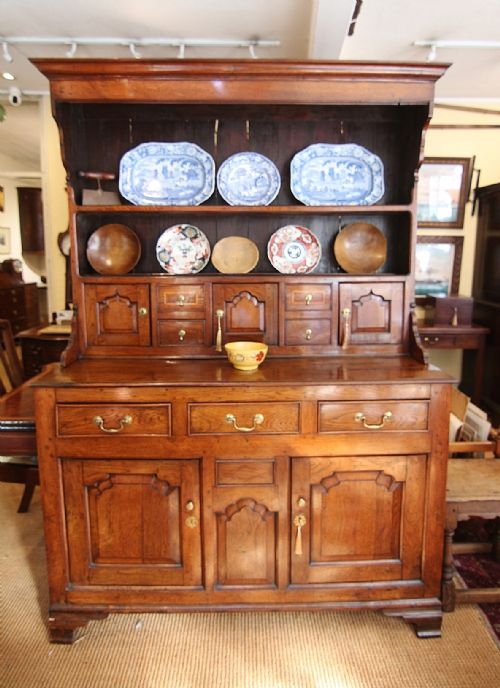
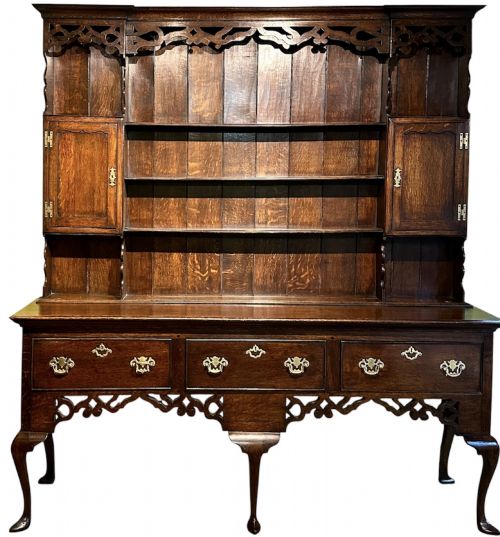
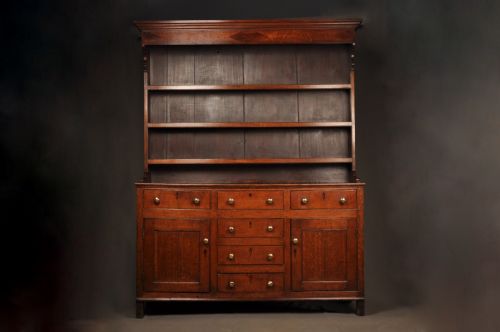
Makers constructed these cabinets in two or three stages, frequently combining enclosed lower cupboards with upper display shelves, plate racks, or smaller tier sections. Regional variations often display specific structural characteristics tied to areas like Snowdonia or Carmarthenshire.
Surviving examples reflect the daily life of 18th-century country households, combining robust joinery with practical compartments suited to storing bread, cheese, and garments.
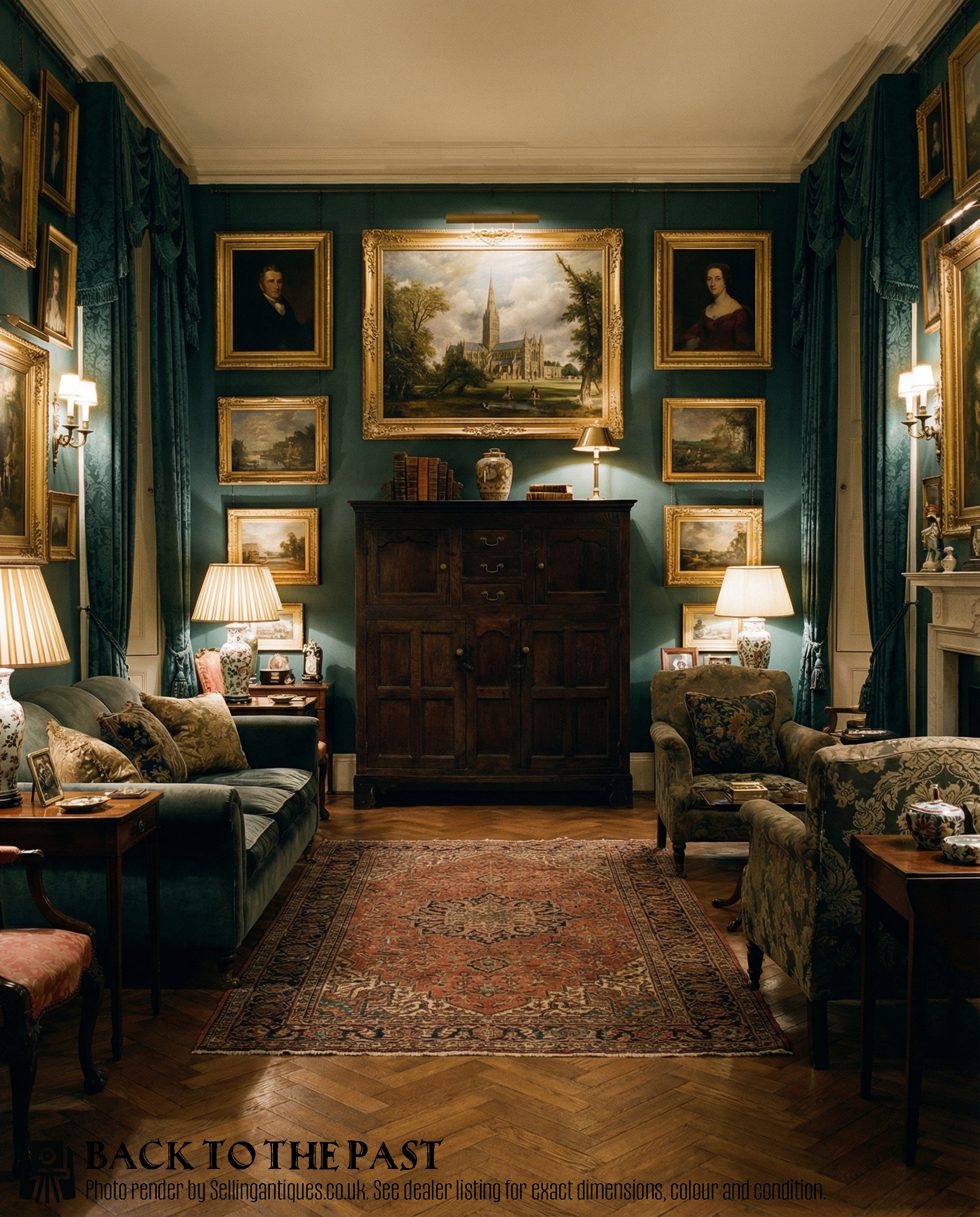
What Varies in Quality
The sophistication of regional carving and the survival of original patination significantly influence the standing of an individual piece. Elaborate architectural details on tridarn tiers or balanced proportions on deuddarn designs indicate superior rural craftsmanship.
The integrity of the timber, the minimal replacement of hardware, and the crispness of panel mouldings distinguish standard domestic utilitarian furniture from finer regional examples.
Listings demonstrate that 18th-century Welsh cupboards frequently utilise native oak, elm, and fruitwood across regional forms like tridarns and deuddarns.
The 18th Century Welsh Cupboard Glossary
- Cwpwrdd Tridarn
- A traditional Welsh three-tier cupboard featuring an open middle section flanked by small balusters or spindles, sitting above a lower cupboard base.
- Deuddarn
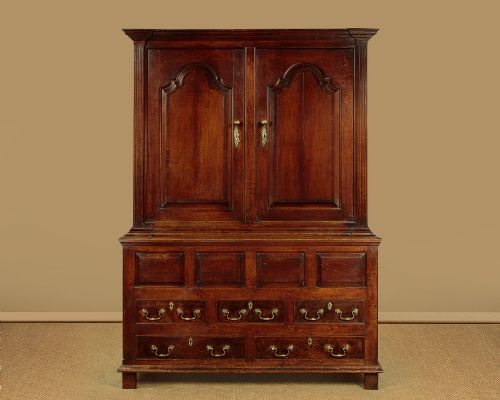
- A traditional Welsh two-tier cupboard comprising an upper enclosed cabinet section set upon a larger lower cupboard base.
- Vernacular
- Architecture and furniture created by local craftsmen using traditional regional methods and native materials, distinct from high-style urban workshop output.
- Patina
- The deep surface sheen and mellow colour developed on wood over long periods through oxidation, handling, and waxing.
- Livery Cupboard
- A tall storage cabinet traditionally used for provisions, food, or garments within domestic quarters.
18th Century Welsh Cupboard: Frequently Asked Questions
What is a tridarn?
A tridarn is a traditional three-tiered Welsh cupboard featuring an open middle section between an upper cabinet and a lower storage base.
Craftsmen built these impressive pieces in local workshops to store and display household provisions in rural homes.
How do I identify a deuddarn?
A deuddarn is a two-stage Welsh cupboard consisting of an upper cabinet resting directly on a larger lower cupboard section.
These pieces typically feature panelled wooden doors and sturdy oak construction typical of 18th-century vernacular furniture.
What wood was used?
Makers predominantly built these cupboards using native British oak, occasionally incorporating elm or fruitwood for panels and internal fittings.
Brass and iron hardware, including hinges and drawer pulls, were fitted to secure the heavy doors.
Where were they made?
These cupboards originated in rural Welsh communities and farmhouses, with distinct regional styles emerging from areas like Snowdonia and Carmarthenshire.
Local joiners adapted traditional forms to meet the specific storage needs of country households.