
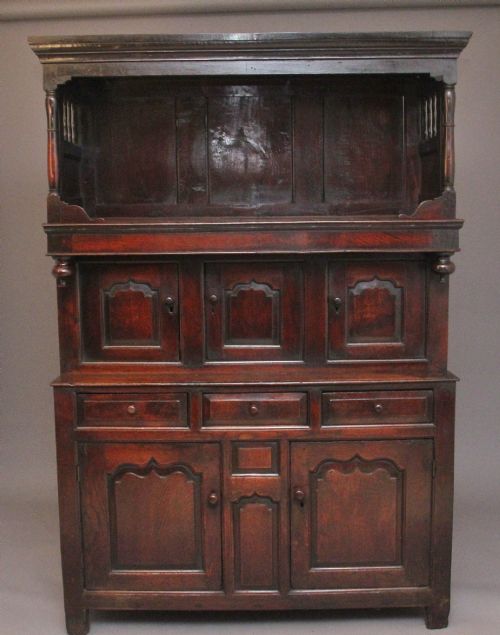


Antique Oak Cwpwrdd
An antique oak cwpwrdd is a traditional Welsh storage piece offering timber depth and regional character for the home.
Antique Oak Cwpwrdd
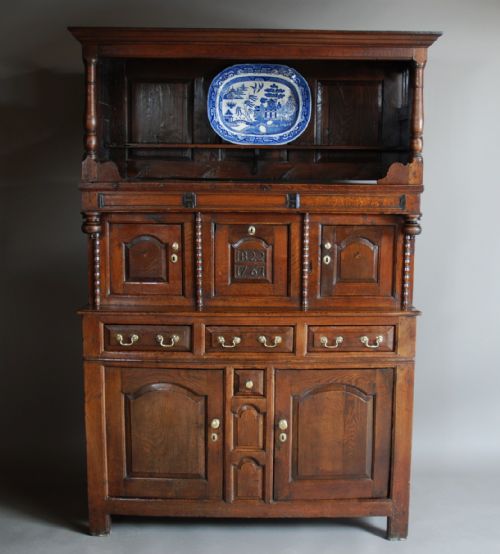
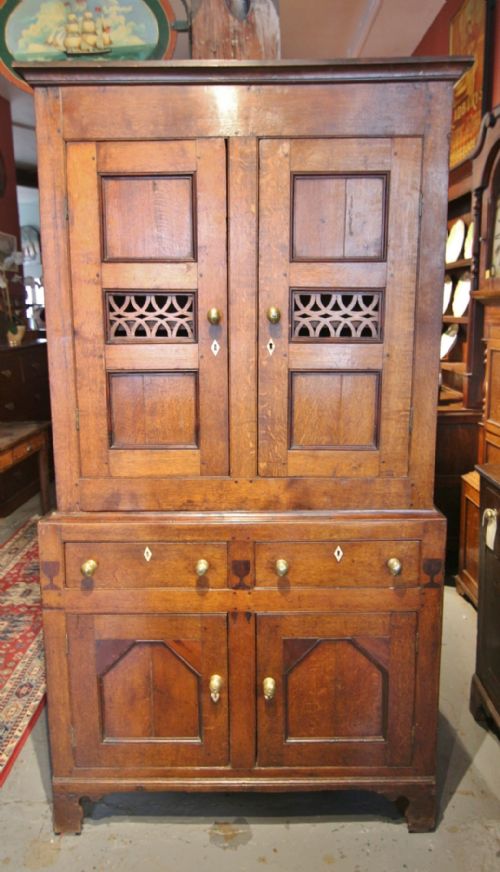
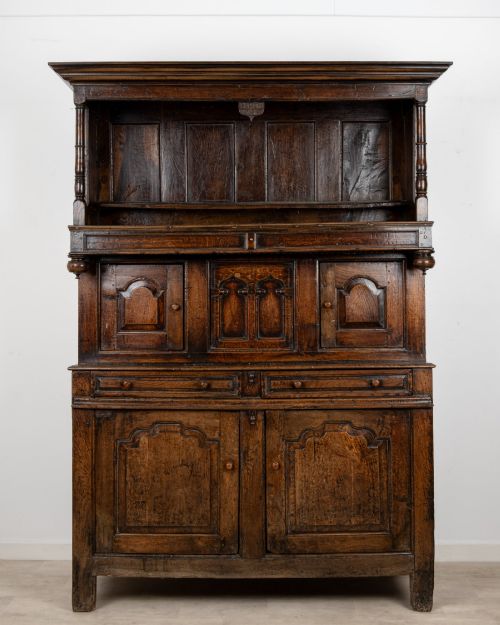
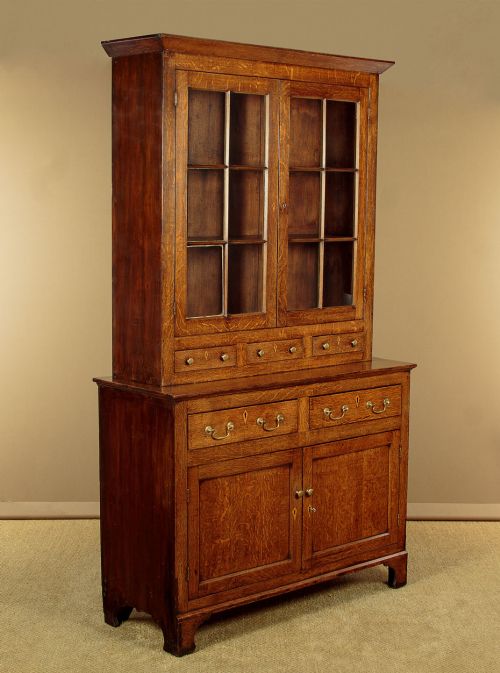
When you search for an antique oak cwpwrdd, you encounter traditional Welsh storage furniture spanning the seventeenth, eighteenth, and nineteenth centuries. These pieces appear most frequently as deuddarn or tridarn forms, denoting two-part and three-part cupboards designed for domestic storage in rural households. Regional variations include examples originating from Snowdonia and North Wales, showcasing vernacular construction methods passed down through generations.
The domestic function of these items evolved from displaying status and storing provisions to general household use in Georgian kitchens and parlours. You will frequently find bread and cheese cupboards, food cupboards, and display cabinets alongside grander court cupboards. Their architectural facades often incorporate panelled doors, carved friezes, and tiered stages that reflect the specific aesthetic of Welsh country workshops.
How they were made
Construction relies primarily on solid oak, shaped and joined using traditional pegging and panelled framing techniques suited to country furniture workshops. Cabinet makers incorporated secondary materials such as brass for handles and escutcheons, iron hardware for hinges, and occasional bone or inlaid wood details for decorative contrast. Certain regional pieces also utilise yew-wood alongside the dominant oak framing.
Surface preparation involved hand planing and finishing the timber, which over centuries develops a deep, mellow patina through exposure and domestic polishing. Carved elements were worked directly into the solid wood structure, particularly on seventeenth-century and Carolean examples, while eighteenth-century pieces often favour architectural mouldings and geometric panelling.
The listings show regional oak cupboards spanning the seventeenth, eighteenth, and nineteenth centuries, including dated examples from seventeen-twenty-seven onwards.
What varies in quality
Quality in these regional cupboards rests upon the crispness of the original carving, the architectural ambition of the tiered structure, and the integrity of the timber surfaces. Pieces featuring intricate regional detailing, such as specific Snowdonia carving styles or dated inscriptions, generally represent higher standards of vernacular craftsmanship. The depth and warmth of the natural surface patina further distinguish exceptional examples from simpler utilitarian storage.
Proportion and scale also dictate the standing of a piece within the range, with smaller, well-balanced tridarns and deuddarns commanding greater interest from collectors. The survival of original brass and iron hardware, along with minimal alteration to the internal shelving and structural frame, preserves the historical authenticity that defines superior country furniture.
The Antique Oak Cwpwrdd Glossary
- Cwpwrdd deuddarn
- A traditional Welsh two-part cupboard featuring an upper enclosed section above a lower cupboard base. This form represents one of the primary regional variants found in country houses.
- Cwpwrdd tridarn
- A three-part Welsh court cupboard comprising an open middle stage or canopy supported by pillars, set between an upper cabinet and a lower base. It stands as the most architectural expression of this vernacular tradition.
- Cwpwrdd gwydr
- A glazed Welsh cupboard intended for the display of contents rather than purely utilitarian storage. These examples typically date to the nineteenth century.
- Cwpwrdd bara caws
- A traditional Welsh bread and cheese food cupboard often pierced with ventilation slats or spindles. These pieces served to preserve daily provisions in rural kitchens.
- Patina
- The surface sheen and colour acquired by timber through age, handling, and wax polishing over centuries. A deep patina indicates long-term care and original surface finish.
Antique Oak Cwpwrdd: Frequently Asked Questions
What is the difference between deuddarn and tridarn?
A deuddarn is a two-part cupboard with an upper section placed directly upon a lower base. It offers a simpler architectural profile suited to domestic storage.
In contrast, a tridarn is a three-part cupboard featuring an open middle stage supported by turned pillars beneath an upper canopy. This form provides greater height and visual display space.
Where were these cupboards made?
These pieces originate primarily from Wales, with specific regional examples documented in Snowdonia and North Wales. Local country workshops produced them using native timbers.
The vernacular design reflects the distinct traditions of Welsh rural cabinet makers working across the seventeenth, eighteenth, and nineteenth centuries.
How were food cupboards used?
Bread and cheese cupboards, or cwpwrdd bara caws, functioned as specialised kitchen storage for perishable household provisions. Their ventilated panels allowed air circulation to keep food items fresh.
Housekeepers utilised these units daily within rural Welsh kitchens before they transitioned into general household furniture.
How do I date an oak cwpwrdd?
Dating relies on architectural style, construction techniques, and occasionally carved dates or initials on the frieze. Seventeenth-century pieces display heavier carving and joined framing, while eighteenth-century examples favour panelled doors and refined mouldings.
Nineteenth-century variants introduce glazed doors and lighter proportions characteristic of later vernacular design.
How do I care for antique oak?
Maintain the timber by applying traditional beeswax sparingly and buffing with a soft cloth to preserve the surface sheen. Avoid placing the cupboard near direct heat sources or rapid temperature fluctuations.
Stable indoor humidity prevents the solid oak from drying out or splitting over time.