


Antique Three Tier Cupboard
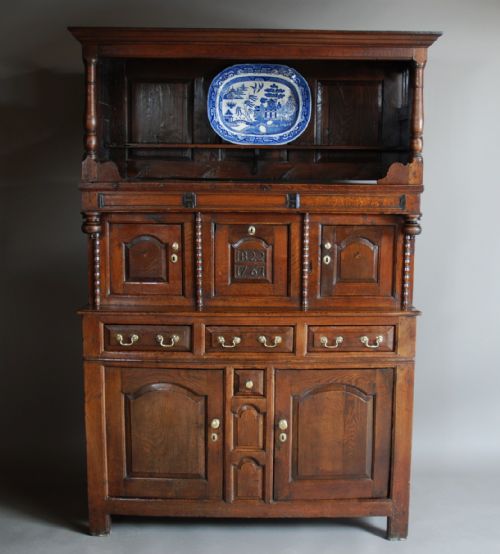
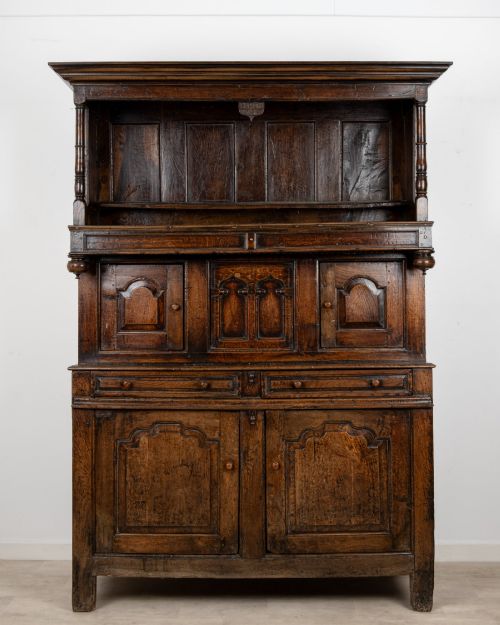
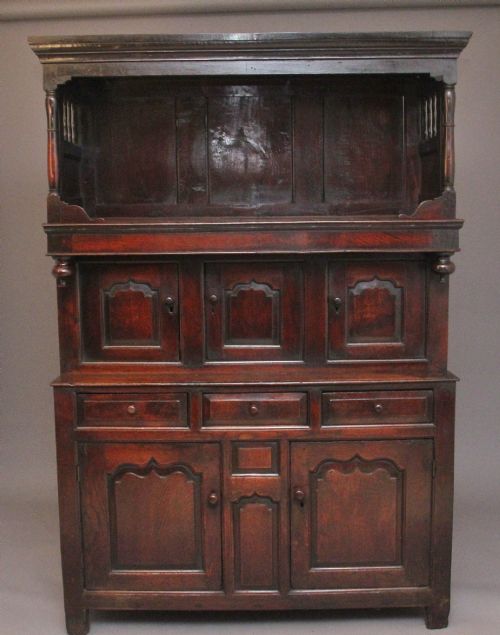
An antique three tier cupboard is a monumental piece of regional furniture that anchors a room with timber construction.
Antique Three Tier Cupboard
When you search for an antique three tier cupboard, you enter the realm of the Welsh cwpwrdd tridarn, a towering three-part structure developed for affluent farming families in upland regions such as Snowdonia. These imposing items combine display tiers at the top with enclosed cupboards below, reflecting centuries of rural domestic display and storage.
The pieces you meet on this page lean heavily towards the eighteenth century, dominated by vernacular oak and occasionally yew-wood examples bearing early dates. Alongside these traditional tridarns, the selection occasionally includes Victorian buffets and library steps that share a tiered architectural presence.
How they were made
Makers relied on solid oak as the primary structural timber, shaping panels and framing with hand tools to build sturdy three-tier carcasses. Selected examples utilise yew-wood, displaying distinctive grain patterns across the front elevation.
Hardware such as brass hinges and iron fixings secure the heavy doors and drawers, while profuse carving adorns specific Victorian buffets and regional country pieces alike.
Early Welsh cabinetmakers occasionally carved specific completion dates directly into the frieze, leaving a permanent record for future generations.
What varies in quality
The depth of colour and surface texture set the standard, with eighteenth-century examples showing patinated timber developed through generations of domestic use. Crispness in the carving of the friezes and panels distinguishes sophisticated regional workshops from simpler vernacular production.
Proportion and scale dictate the visual weight of the structure, where smaller dimensions or unusual timber choices such as yew command greater attention from collectors of country furniture.
James Shoolbred and Co
The Antique Three Tier Cupboard Glossary
- Tridarn
- A traditional Welsh three-tiered piece of furniture featuring an open upper display section above enclosed cupboards. This form evolved from the earlier court cupboard during the seventeenth and eighteenth centuries.
- Cwpwrdd
- The Welsh term for cupboard, frequently appearing in the nomenclature of regional vernacular furniture. It designates the enclosed storage compartments built into these architectural pieces.
- Vernacular
- Furniture made by local craftsmen for regional domestic use, following traditional local patterns rather than metropolitan high styles. These items often employ native timbers such as oak and yew.
- Patina
- The surface sheen and mellow tone developed by wood over long periods through handling, polishing, and oxidation. A good patina indicates age and continuous care.
Antique Three Tier Cupboard: Frequently Asked Questions
Where were these cupboards made?
The majority of these pieces originate from Welsh rural communities, with Snowdonia emerging as a notable centre for tridarn production. Local craftsmen utilised native hardwoods available in the surrounding landscape.
Urban workshops in locations such as London also produced tiered buffets during the Victorian period, reflecting different regional tastes.
How do I date an early oak cupboard?
Dating relies on construction methods, timber characteristics, and stylistic details such as carved dates or initials integrated into the frieze. Earlier eighteenth-century examples display pegged frame-and-panel construction executed entirely by hand.
Later Victorian pieces introduce machine-sawn elements, different secondary timbers, and heavier surface carving typical of nineteenth-century revival styles.
How do I care for antique oak timber?
Maintain stable humidity levels in your room to prevent the dry oak from splitting or warping over time. Avoid placing the cupboard near direct heat sources or strong sunlight that can fade the finish.
Apply traditional beeswax occasionally to nourish the surface and preserve the deep patina built up over centuries.