
Early 18th Century Dresser
An early 18th century dresser provides robust domestic storage and display, bringing tangible period character to modern interiors.
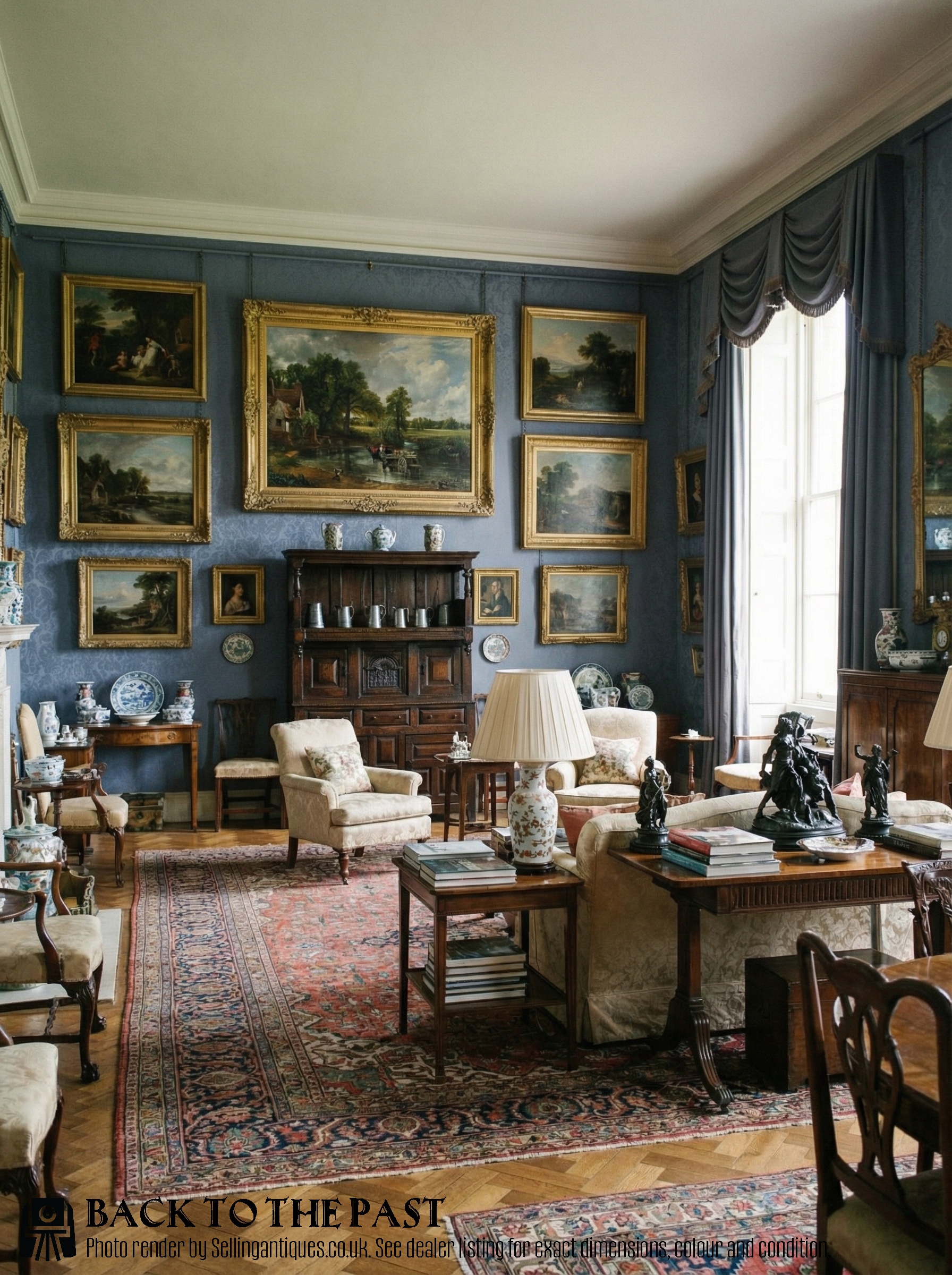
Early 18th Century Dresser
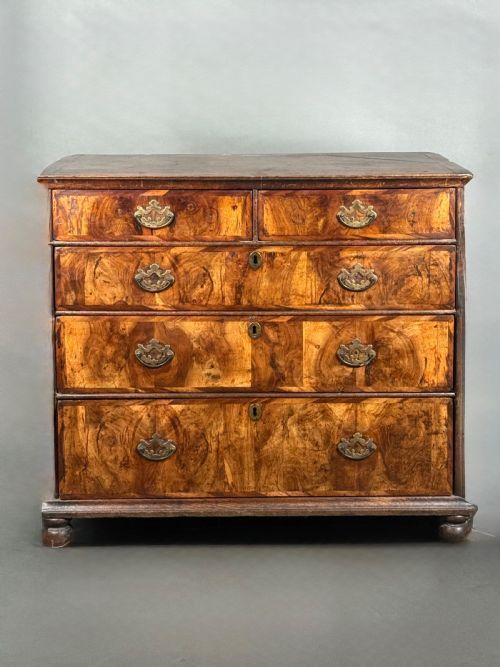
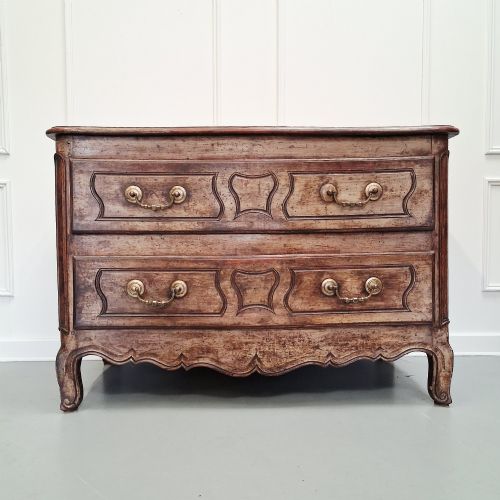
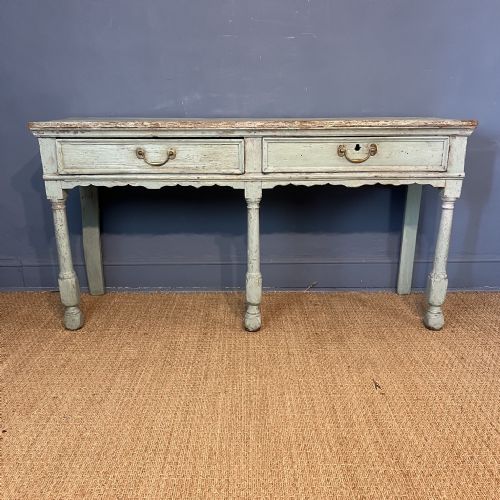
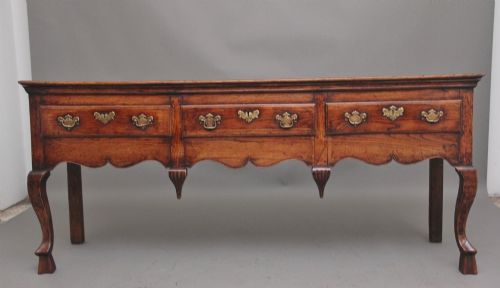
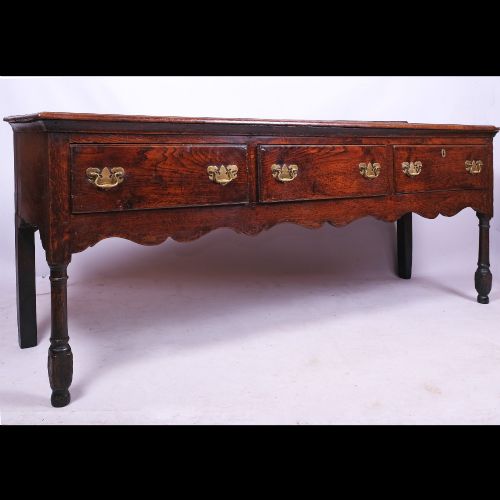
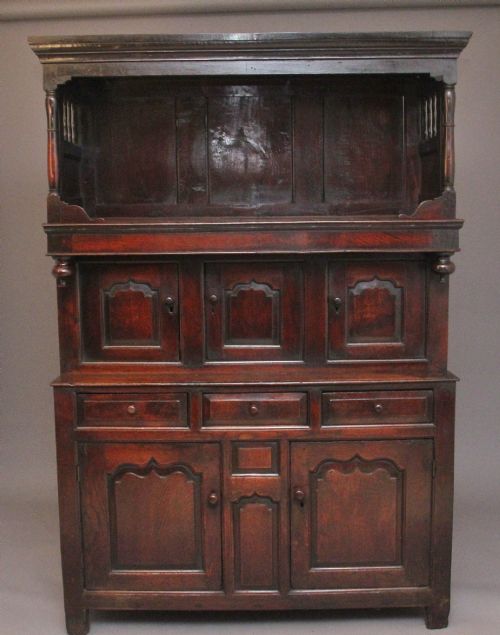
When searching for an early 18th century dresser, buyers encounter substantial oak furniture designed for daily utility in country houses and provincial homes. These pieces typically manifest as low dresser bases with drawers or grander configurations that incorporate plate racks above.
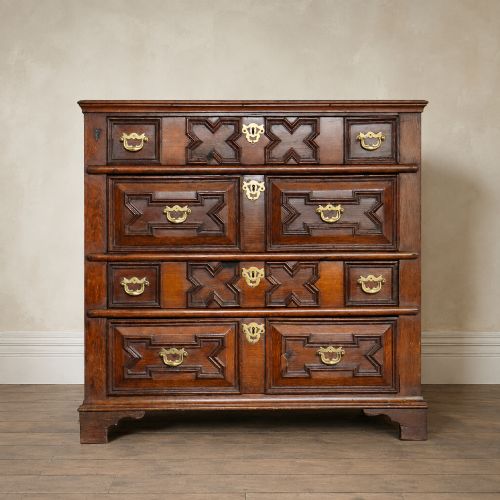
The regional variety is wide, spanning from Welsh vernacular forms with potboards to English block-front designs and geometric panelled constructions. Many examples reflect the transition from late seventeenth-century traditions into the refined proportions associated with the Georgian era.
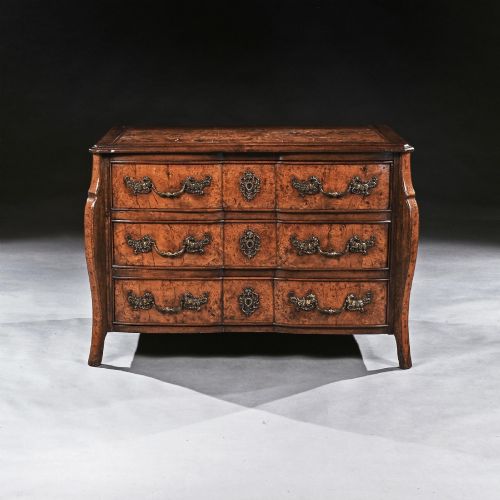
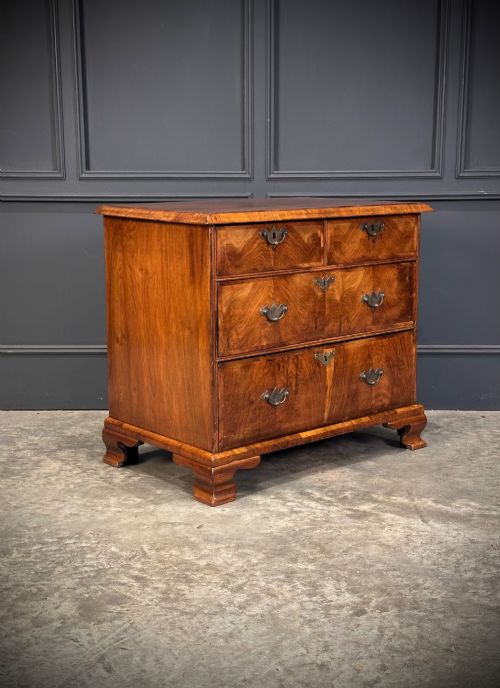
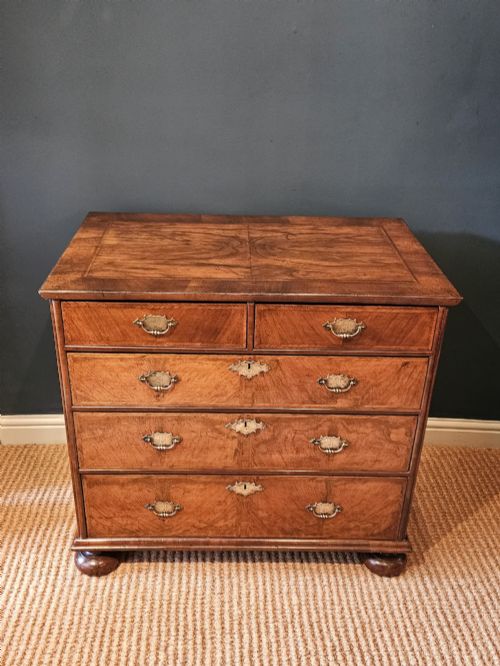
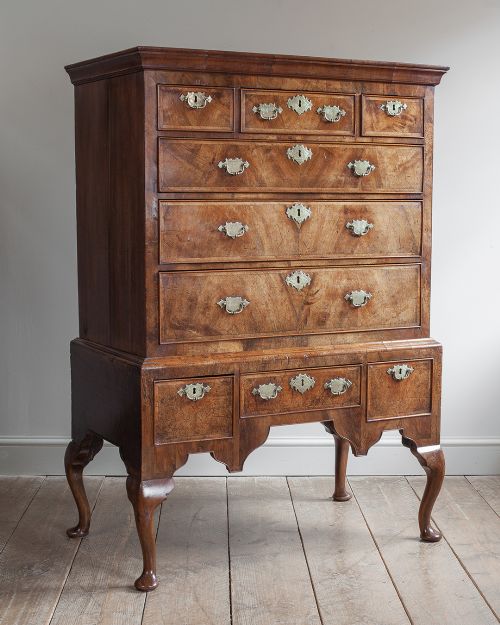
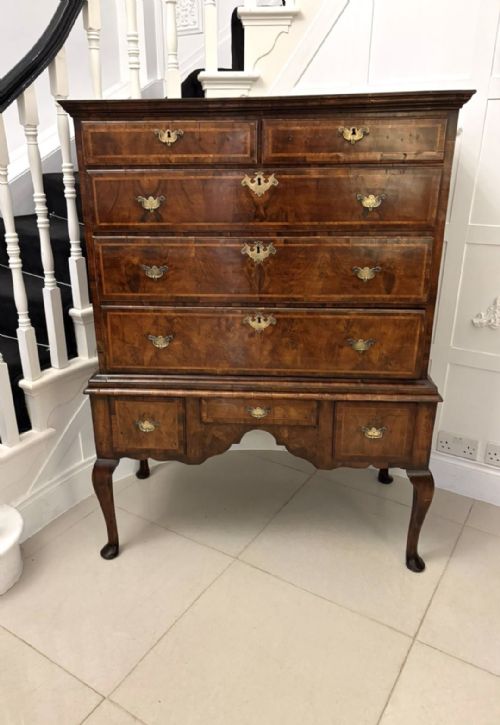
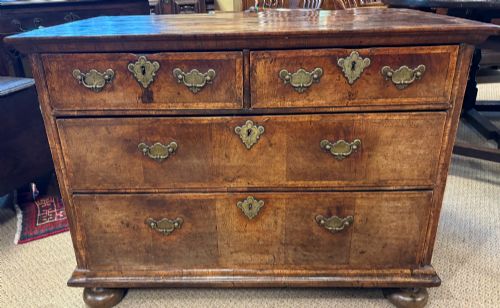
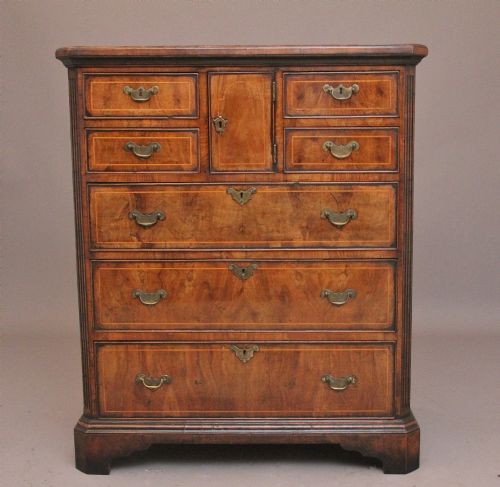
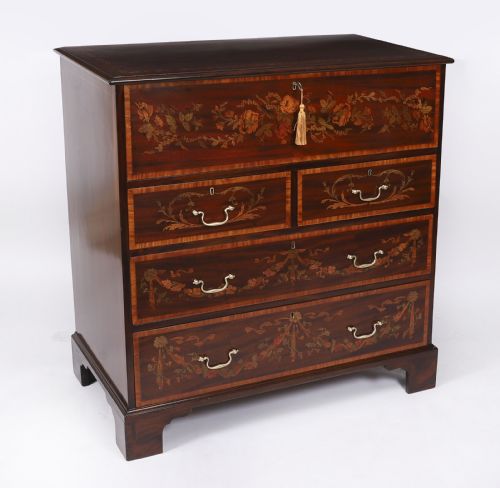
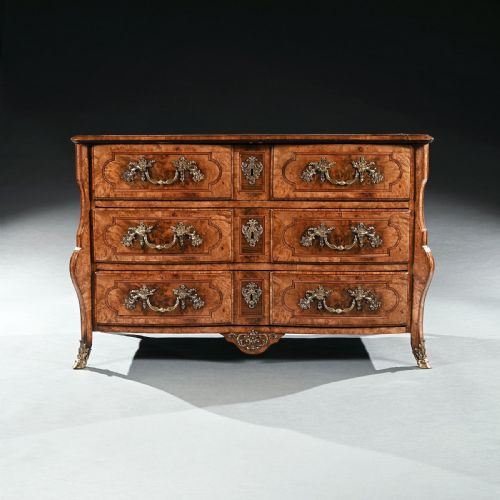
Beyond dressers, the selection often includes related forms from the same decades, such as walnut chests of drawers, commodes, and presses. These items share the architectural dignity and timber quality that define furniture from the early 1700s.
Materials and construction methods
Oak dominates the vernacular tradition, selected for its strength and worked using joined construction methods that accommodated seasonal timber movement. Walnut and burr walnut appear frequently in high-status items, often enhanced by herringbone banding, feather-banding, and decorative marquetry.
Secondary timbers like fruitwood, elm, and pine support internal structures, while brass hardware such as drop handles and escutcheons provides functional contrast. Surface treatments rely on natural wax finishes that build depth and tactile quality over centuries of handling.
Listings demonstrate a strong preference for oak and walnut construction across early 18th century forms, supplemented by fruitwood and elm.
Distinctions in construction and survival
The distinction between ordinary and exceptional pieces lies in the integrity of the timber and the preservation of original surfaces. Dressers retaining their untouched patination, original brasses, and unblemished structural framing command greater appreciation among collectors.
Proportion and execution also dictate standing, with smaller-scale pieces and those featuring complex geometric mouldings or finely figured veneers representing the height of period craftsmanship. Alterations to feet, boards, or racks naturally shift a piece away from primary collector interest.
Thomas Hache
The Early 18th Century Dresser Glossary
- Dresser base
- A low wooden sideboard fitted with multiple drawers, often raised on pad feet or turned supports, designed for food preparation and storage.
- Plate rack
- A wall-mounted or superstructure shelving unit with slats or plate rails, used historically to display pewter and ceramic tableware above a dresser base.
- Herringbone banding
- A decorative inlay technique where small segments of veneer are arranged in a V-shaped pattern, commonly seen around drawer edges on walnut furniture.
- Potboard
- An open lower shelf built between the legs of a Welsh dresser, originally intended for storing heavy pots and pans.
- Pad foot
- A rounded, club-like foot terminating the leg of a piece of furniture, typical of the Queen Anne and early Georgian periods.
- Patina
- The deep, lustrous surface sheen developed on wood through age, wear, and regular polishing over generations.
Early 18th Century Dresser: Frequently Asked Questions
What is the difference between a Welsh dresser and an English dresser?
Welsh dressers frequently incorporate open potboards beneath the base and tend to utilise regional timbers like local oak. English variants more commonly feature enclosed cupboards or simple banks of drawers.
Both types served similar domestic functions in kitchens and dining rooms, though regional carpentry traditions shaped their structural detailing.
How do I care for an antique oak or walnut surface?
Maintain the wood by applying microcrystalline wax sparingly and buffing with a soft cloth to protect the historic patina. Avoid placing pieces near direct heat sources or in fluctuating humidity.
Keep out of direct sunlight to prevent the rich walnut veneers and oak tones from fading over time.
Were plate racks always attached to dresser bases?
Many early dressers started life as independent bases without upper racks, while others were built as integrated pairs from the outset. Surviving examples often show evidence of wall-hanging racks separate from the main furniture body.
Examining fixing points and timber ageing helps determine whether a base and rack have a shared history.