
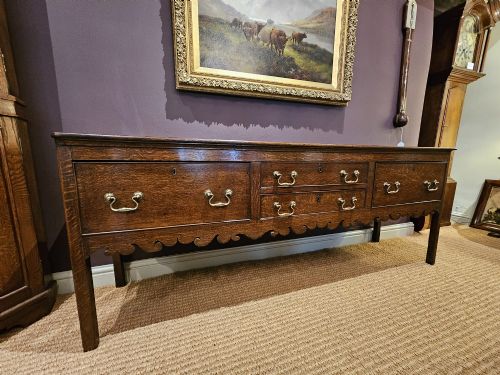
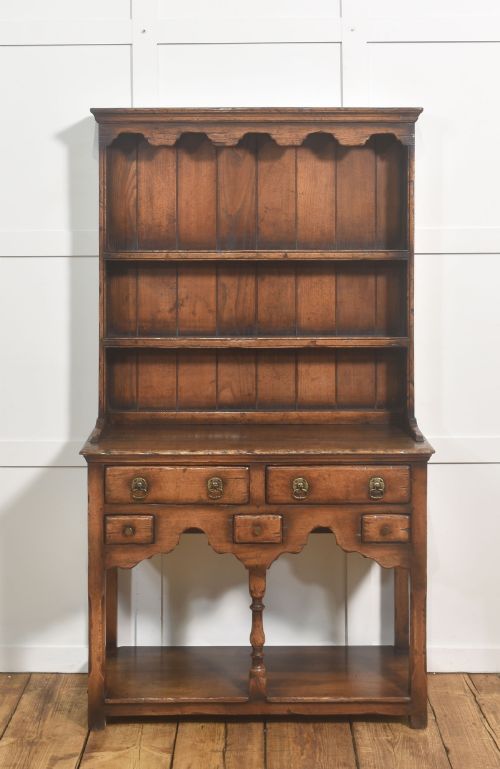
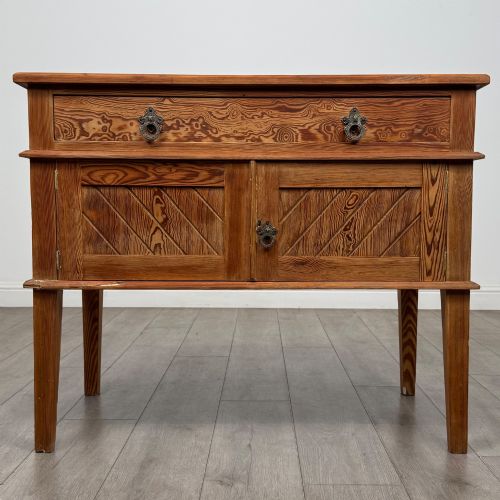
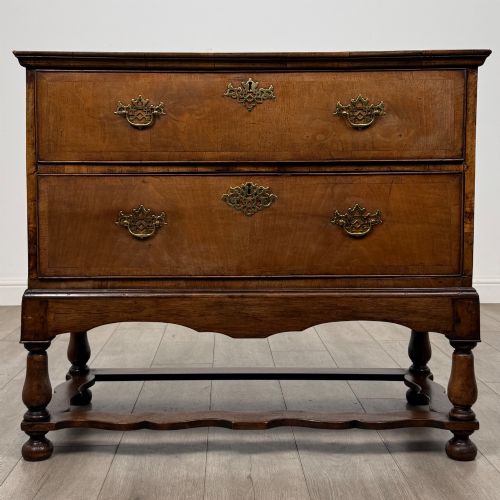
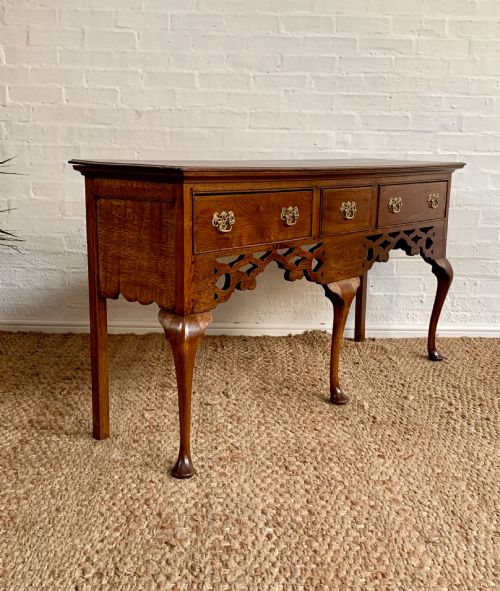
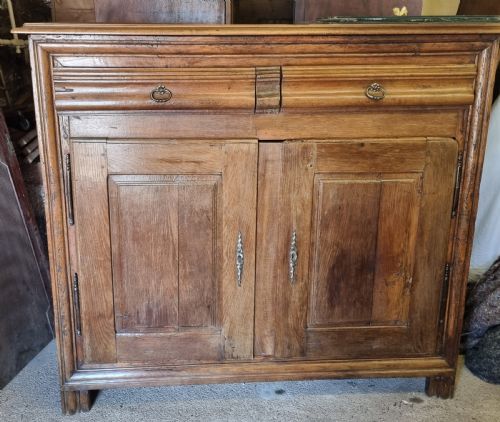
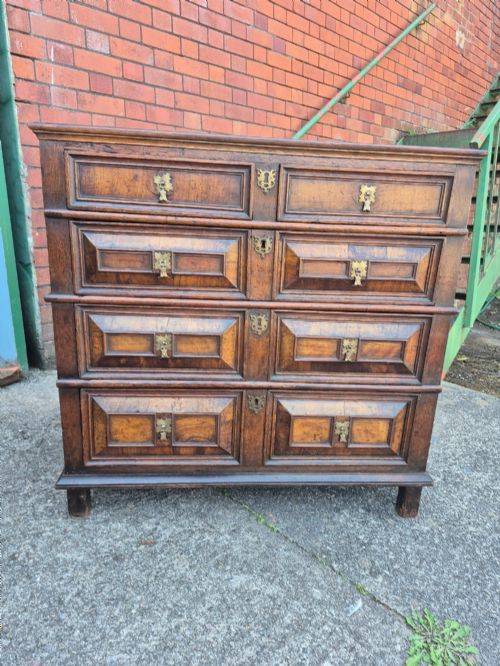
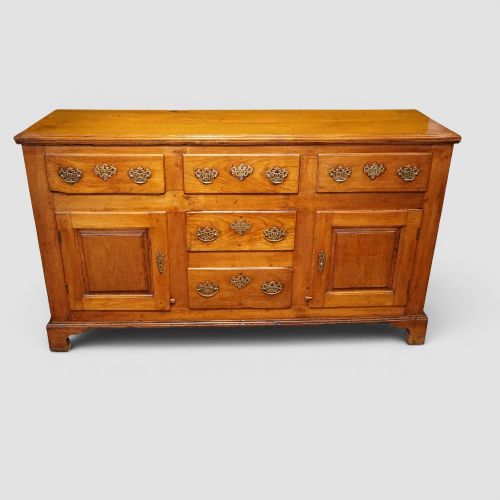

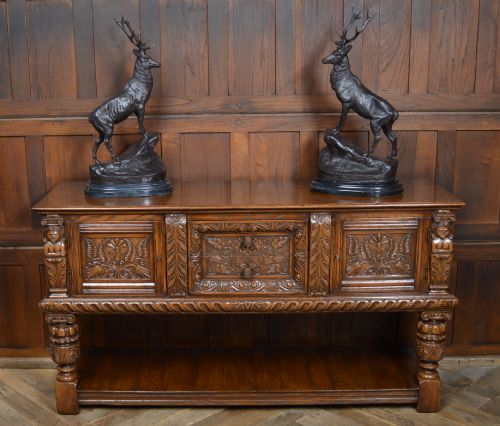
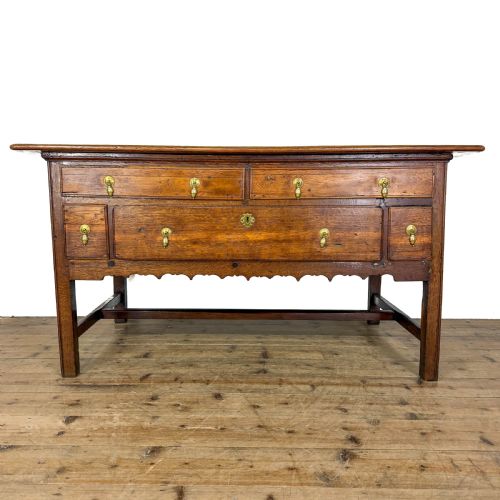
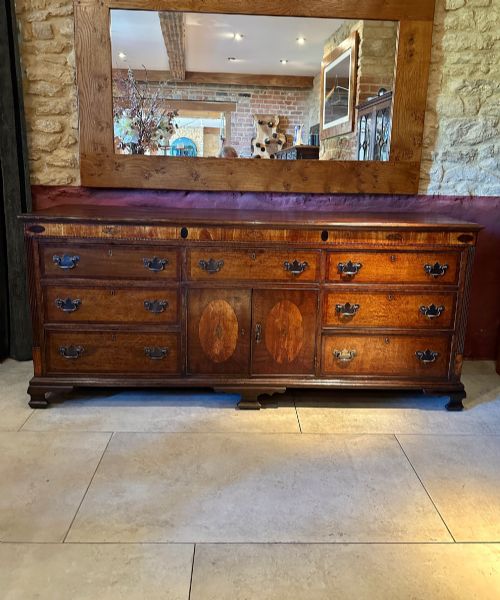
Warm Brown Dresser Base
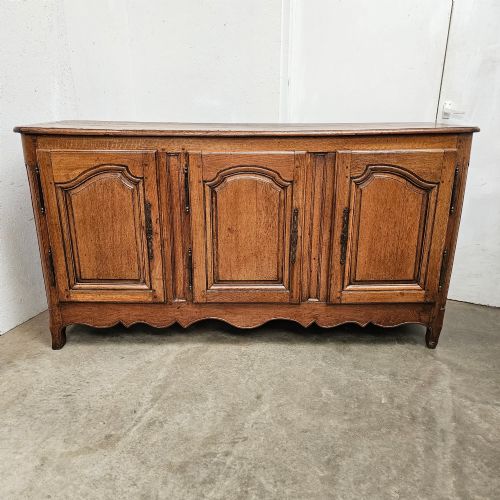
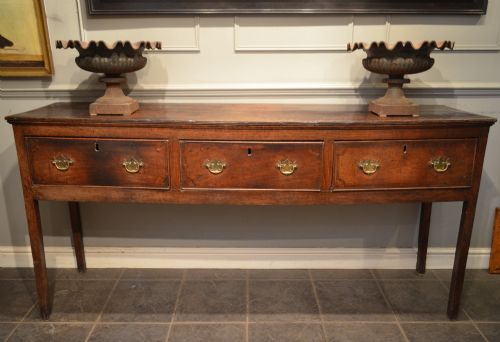
A warm brown dresser base brings deep timber colour and grounding storage to a dining room or kitchen.
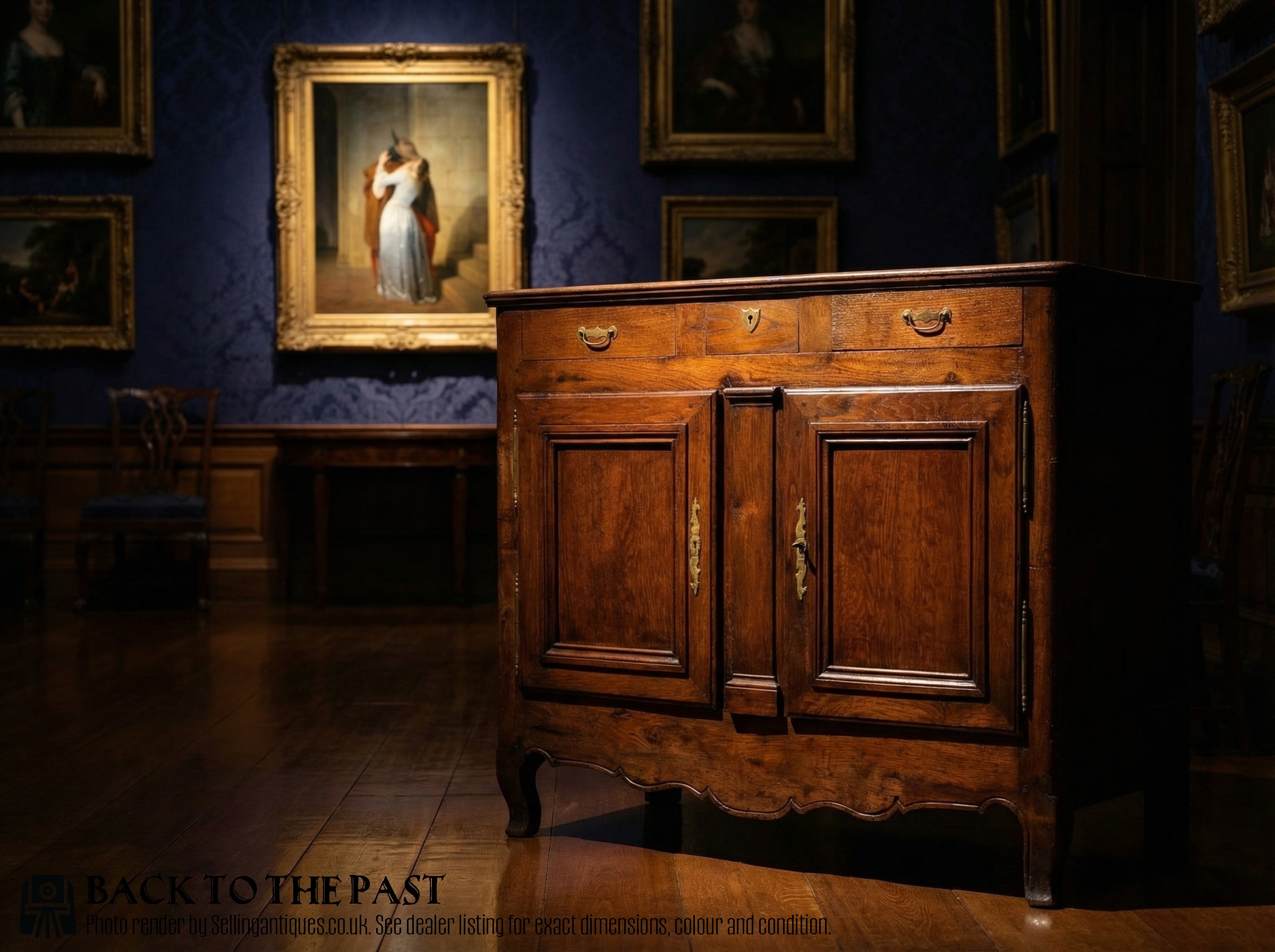
Warm Brown Dresser Base
A warm brown dresser base provides low-level storage with drawers and cupboards, serving as a practical sideboard or serving table. When you search for a warm brown dresser base, you look for sturdy timber cabinetry designed for domestic utility.
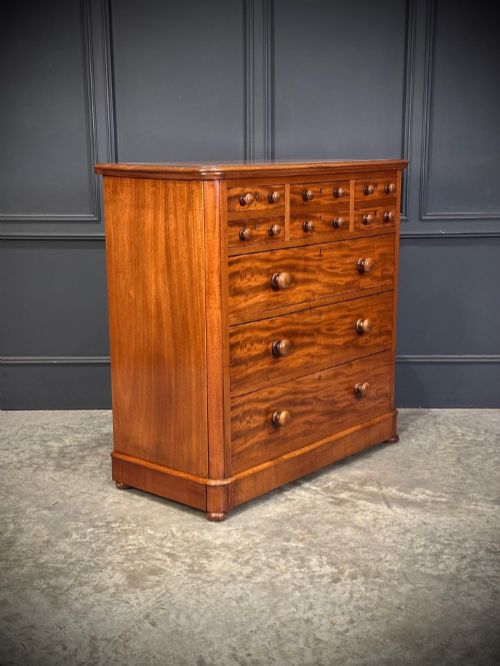
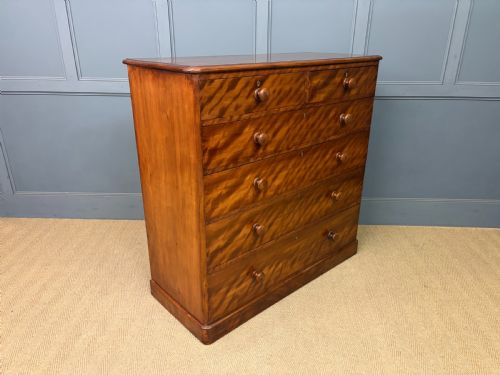
The pieces on this page span several eras, originating from the eighteenth century, the Victorian period, and Edwardian workshops. Oak forms the primary structural timber, yielding deep brown tones alongside mahogany, walnut, and fruitwood.
You meet country examples alongside refined Georgian and regional pieces such as Lancashire formats or French provincial buffets. Many retain original brass hardware and deep patination accumulated over generations of use.
Materials and construction
Cabinet makers constructed these dresser bases predominantly from solid oak, walnut, mahogany, and fruitwood, selecting timber for strength and rich grain pattern. Joinery relied on traditional methods including dovetail joints for drawer construction and mortise and tenon frames.
Hardware consists chiefly of brass drop handles, backplates, and iron hinges, securing doors and drawer fronts. Surfaces received wax or oil finishes that developed rich patination over centuries of exposure to domestic life.
Listings feature oak, mahogany, walnut, cherrywood, fruitwood, and pitch pine across eighteenth, nineteenth, and twentieth-century periods.
What separates the finest examples
The quality of a dresser base rests upon the selection of timber and the crispness of its joinery. Superior pieces display carefully matched grain across drawer fronts and doors, coupled with substantial timber thickness in top boards and framing.
Originality of hardware and surface finish dictates the standing of an individual base. Examples retaining untouched patination and period brasses outrank those with heavy modern interventions or replaced structural components.
Heal and Son·T Simpson and Son
The Warm Brown Dresser Base Glossary
- Dresser base
- A low cabinet featuring drawers or cupboards, historically used for food preparation and serving without the upper plate rack.
- Pot board
- An open lower shelf built into a dresser base, traditionally used for storing heavy pots and pans off the floor.
- Enfilade
- A long sideboard or buffet featuring multiple doors, commonly associated with French provincial dining rooms.
- Patina
- The surface sheen and deep colour developed on timber through age, handling, and repeated waxing.
- Dovetail
- A joint formed by interlocking wedge-shaped fingers, utilised to secure drawer corners with lasting strength.
Warm Brown Dresser Base: Frequently Asked Questions
What is a warm brown dresser base used for?
A warm brown dresser base functions as a sideboard, providing surface space for serving food and deep drawers or cupboards for storing dining linens and tableware.
In contemporary interiors, these pieces anchor a dining room or kitchen, offering practical storage while displaying pottery or lamps on top.
How do I identify an eighteenth century dresser base?
Eighteenth century examples typically feature solid oak or fruitwood construction with hand-cut dovetails on the drawer linings and pegged mortise and tenon joinery.
Look for heavy planked tops, substantial brass drop handles, and deep timber patination accumulated over generations of domestic service.
What is the difference between a sideboard and a dresser base?
A dresser base originates from country workshops and often includes an open pot board shelf beneath the main drawers, while a sideboard developed as a more formal dining room cabinet.
In practice, both terms describe low storage cabinetry, though dresser bases generally lean toward vernacular timber construction.
How do I care for an antique oak dresser base?
Maintain the timber by applying a traditional beeswax polish sparingly and buffing with a soft cloth to nourish the grain and preserve the surface finish.
Position the cabinet away from direct heat sources and strong sunlight to prevent timber shrinkage and protect the historic patination.