
Georgian Server Cabinet
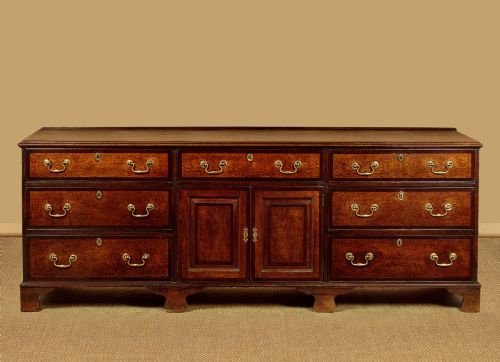
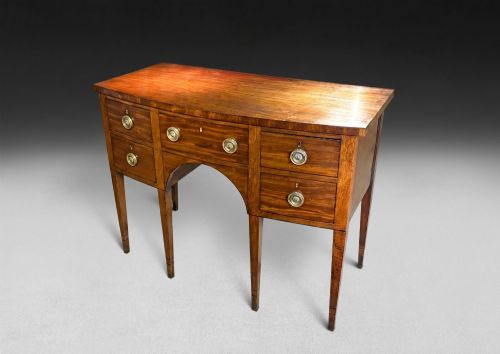
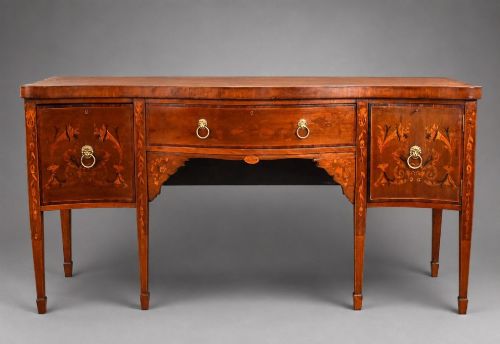
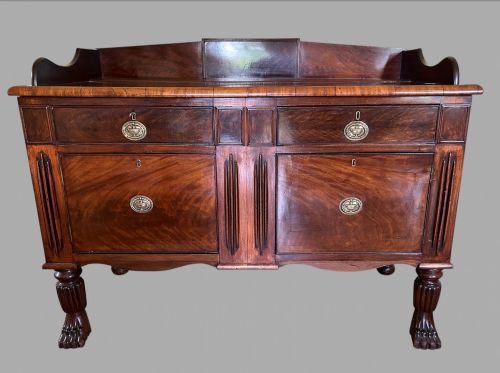
A georgian server cabinet is a sturdy dining room storage piece designed for holding service ware, most often encountered here as a mahogany or oak sideboard.
Georgian Server Cabinet
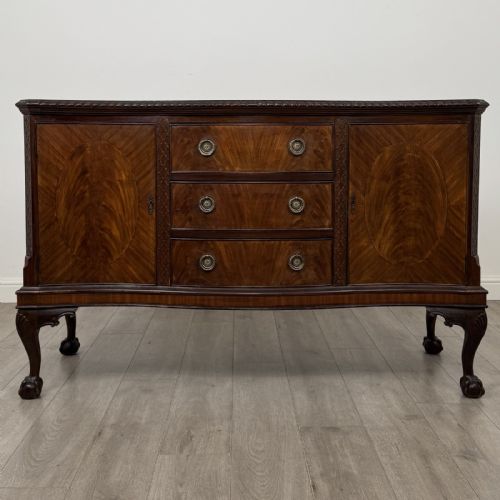
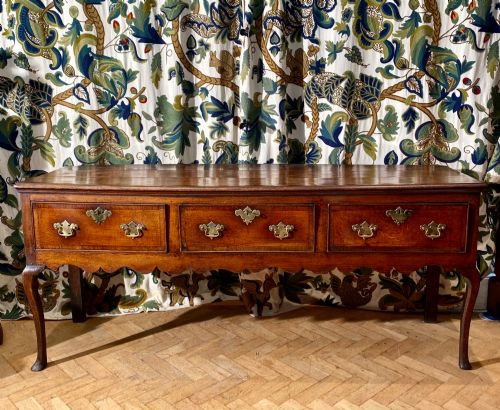
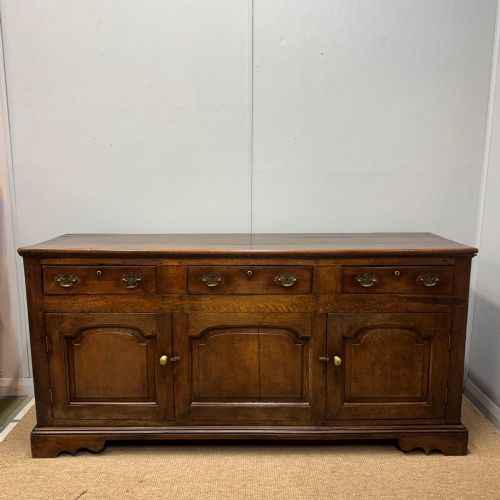
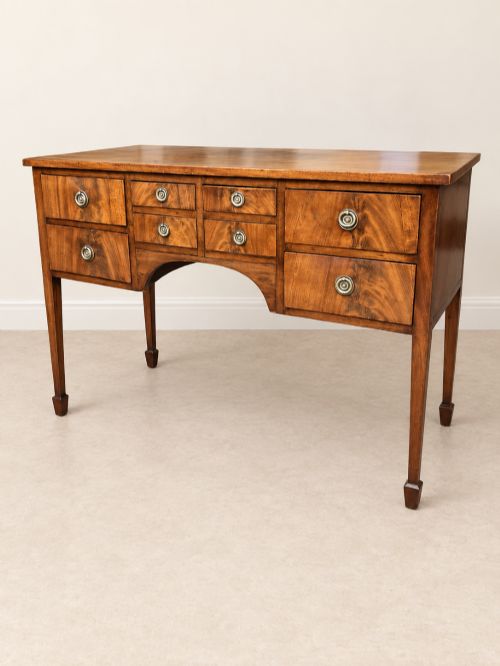
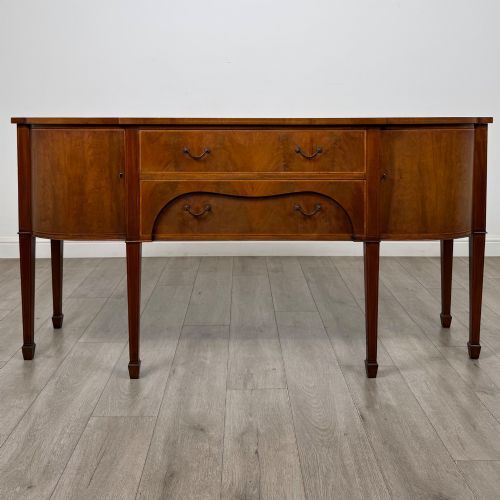
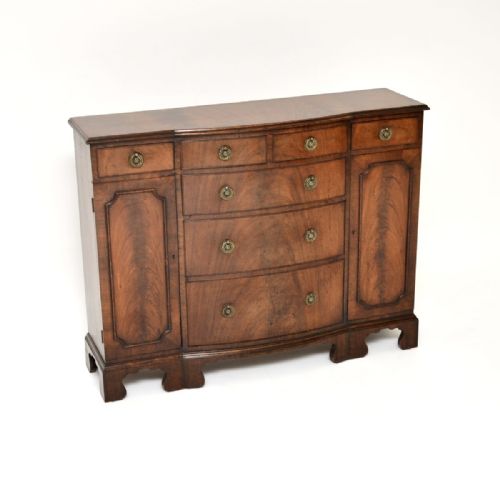
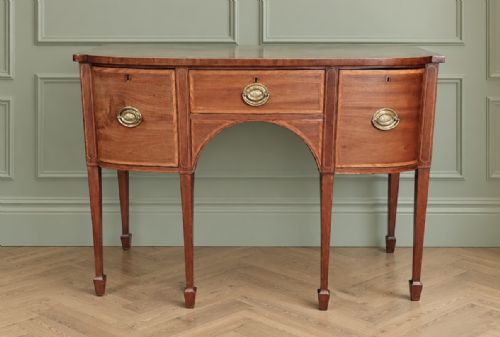
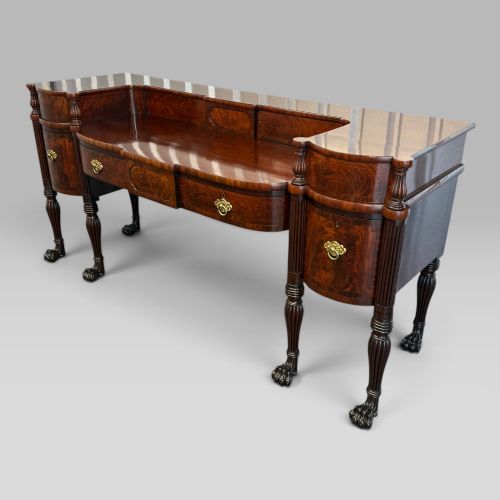
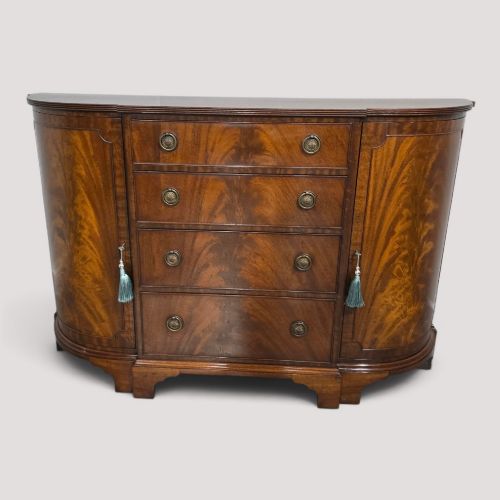
When you search for a georgian server cabinet, you are looking at substantial dining room furniture intended for storing tableware and assisting with meals. The items listed under this description span sideboards, dresser bases, side cabinets, and chiffoniers from the eighteenth and nineteenth centuries, alongside later revivals.
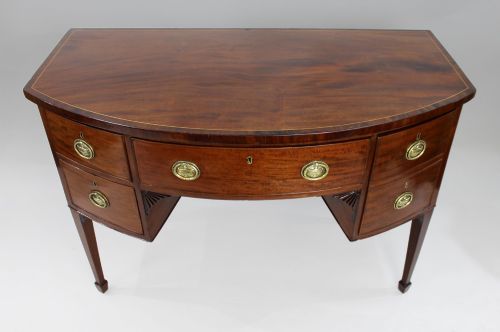
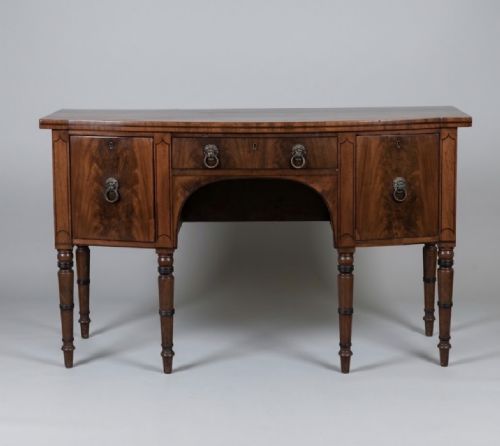
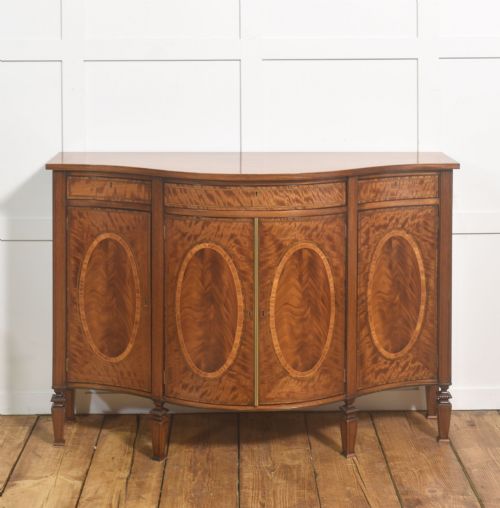
The version you are most likely to meet on this page is a mahogany or oak sideboard from the Georgian period or the subsequent Regency and Victorian eras. These pieces typically present bow fronts, straight lines, or serpentine shapes, offering cupboards and drawers for domestic utility.
Alongside genuine period examples, the evidence shows pieces from later revivals, including Edwardian, Sheraton Revival, and early twentieth-century interpretations. These later pieces adopt the forms of earlier serving furniture while utilising the timber and construction methods of their own time.
What varies in quality
Quality in these pieces rests upon the selection of timber and the precision of the cabinet work. Superior examples display carefully matched flame mahogany or figured timber grains across multiple drawers, whereas lesser pieces use plain, unfigured wood.
Construction refinement separates standard utility furniture from finer dining room pieces. Dovetail joints on drawers, well-fitted cupboard doors, and crisp inlay work distinguish skilled workshop production from simpler regional or later revival manufacture.
Design influences recorded in these items range from George III proportions to Sheraton Revival and Gothic oak styles.
M D Miller and Sons
The Georgian Server Cabinet Glossary
- Bow front
- A cabinet front that curves outward in a convex shape, softening the rectangular profile of the furniture.
- Dresser base
- A low wooden storage unit featuring drawers and cupboards beneath a flat top, historically used in kitchens and dining rooms.
- Flame mahogany
- A decorative veneer cut from timber where the grain pattern resembles flickering flames, prized for its dramatic visual movement.
- Serpentine
- A cabinet front shaped with a central convex curve flanked by two concave curves, demanding high skill from the maker.
- Stringing
- Thin inlaid lines of contrasting timber, such as boxwood, used to outline drawers and panels on cabinet furniture.
Georgian Server Cabinet: Frequently Asked Questions
What is a georgian server cabinet used for?
These pieces were originally designed for dining rooms to store serving dishes, cutlery, and glassware during meals. They provided a surface for plating food before it reached the main dining table.
In modern homes, they function well as sideboards in dining areas, media units in living rooms, or storage consoles in hallways.
How do I tell an original from a revival piece?
Original pieces from the eighteenth century show hand-cut joinery, timber shrinkage appropriate to age, and specific secondary woods inside drawers. Revival pieces from later periods often use machine-cut dovetails and modern internal construction.
Examining the backboards, drawer linings, and block fixings helps reveal the true age of the cabinet.
Are oak and mahogany pieces from the same region?
Oak pieces frequently originate from regional English workshops, such as country dresser bases from Lancashire or Wales. Mahogany versions tend to represent more urban, formal cabinet making intended for elite dining rooms.
Regional timber availability largely dictated which wood a local maker used for a commission.
How do I care for a mahogany sideboard?
Keep the wood away from direct heat sources and strong sunlight to prevent the mahogany veneers from drying out or fading. Regular dusting with a dry cloth maintains the finish.
Occasional applications of beeswax nourish the timber and preserve the natural lustre of the polished surface.