

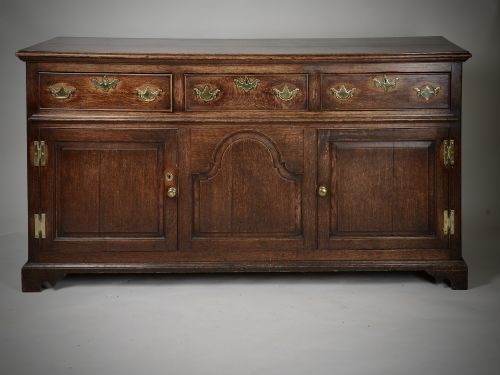
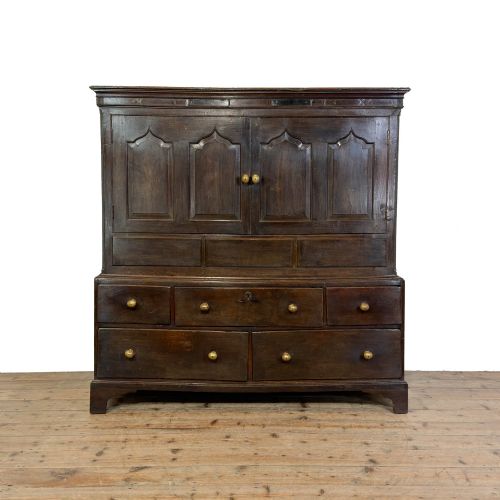
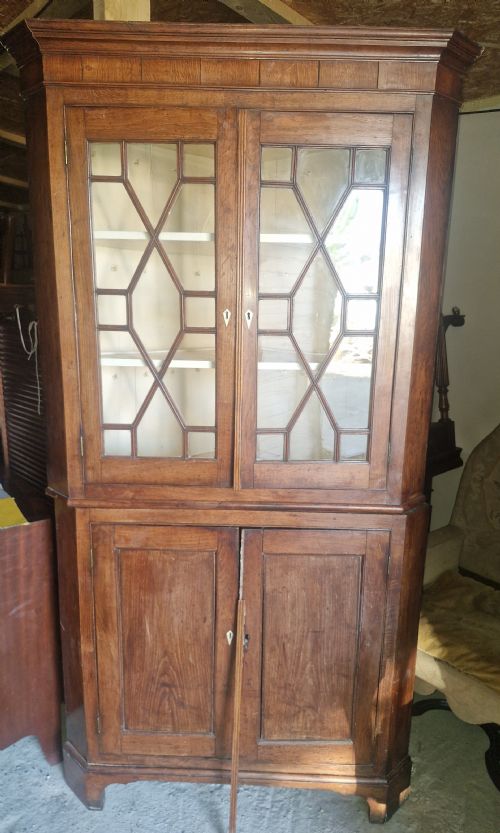
Georgian Welsh Oak Cupboard
When you search for a georgian welsh oak cupboard, you are looking at utilitarian vernacular furniture built to store provisions, linens and tableware in country houses.
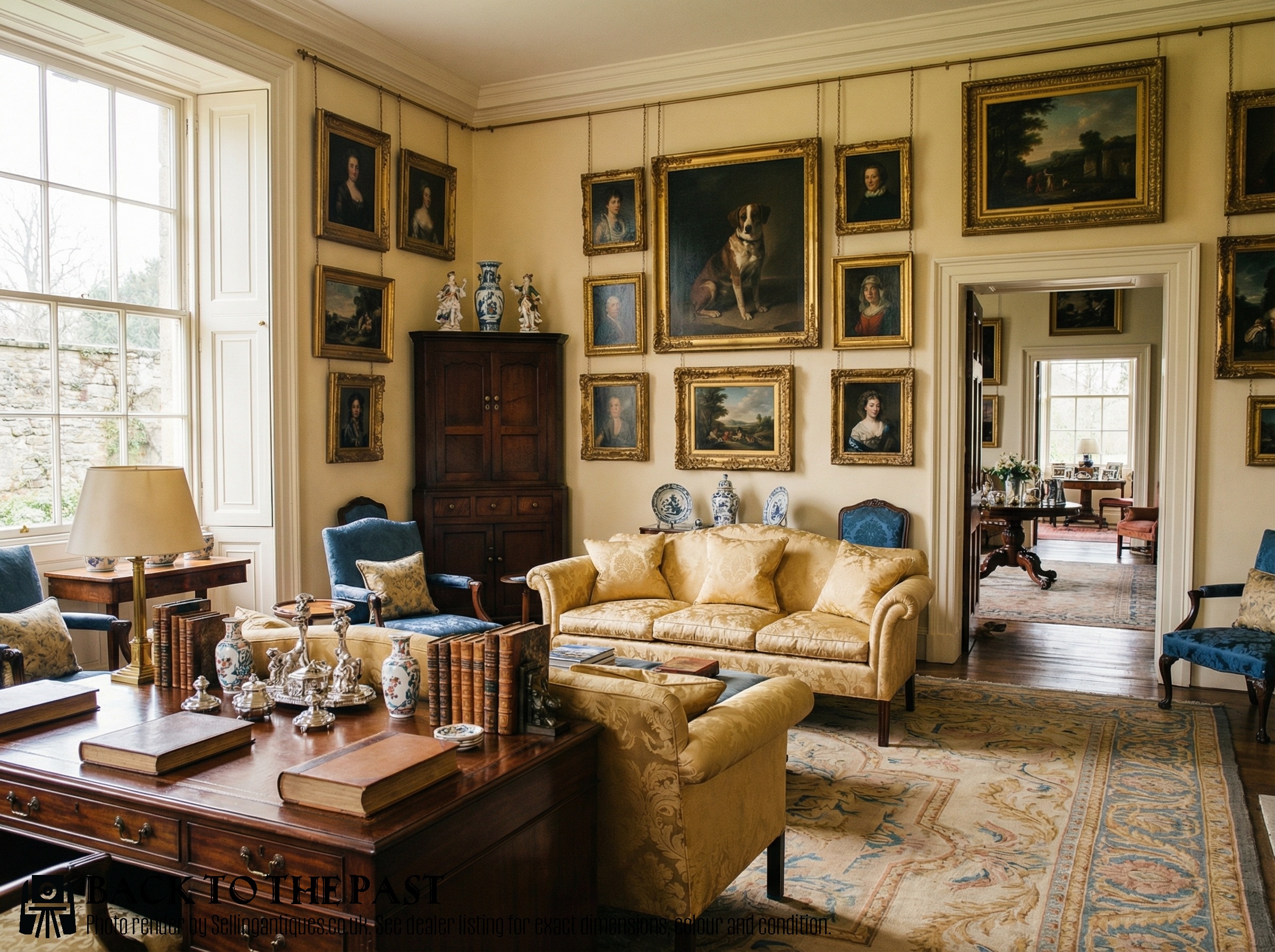
Georgian Welsh Oak Cupboard
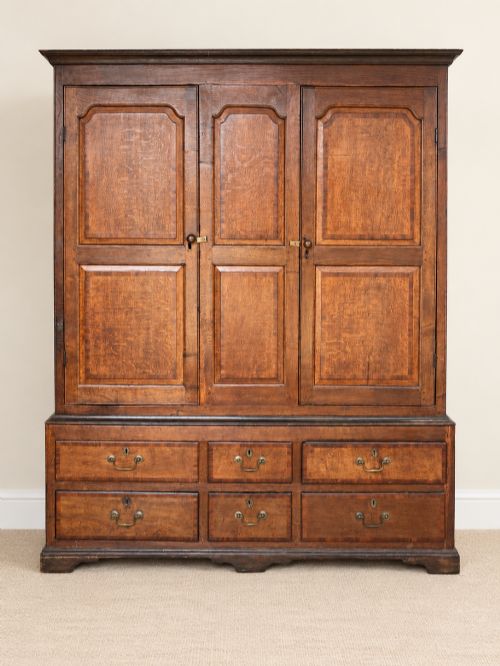
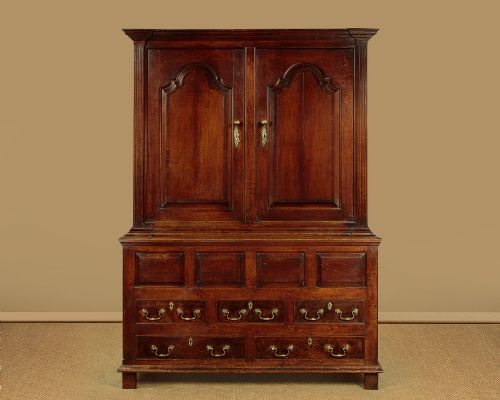
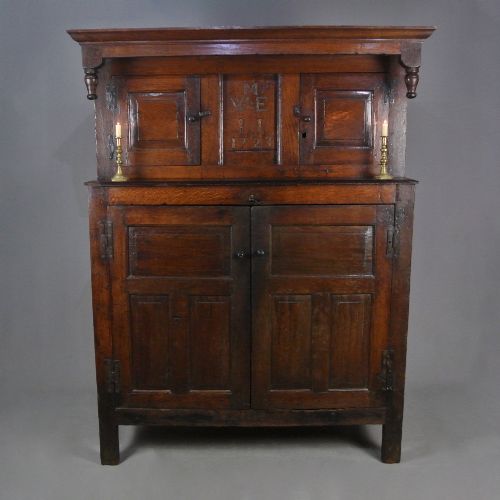
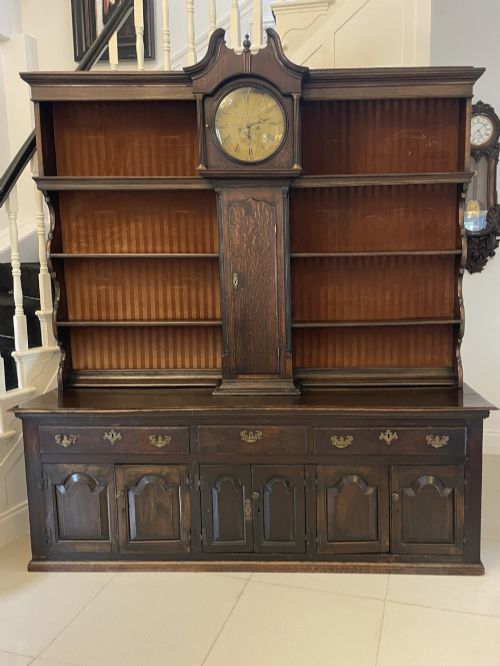
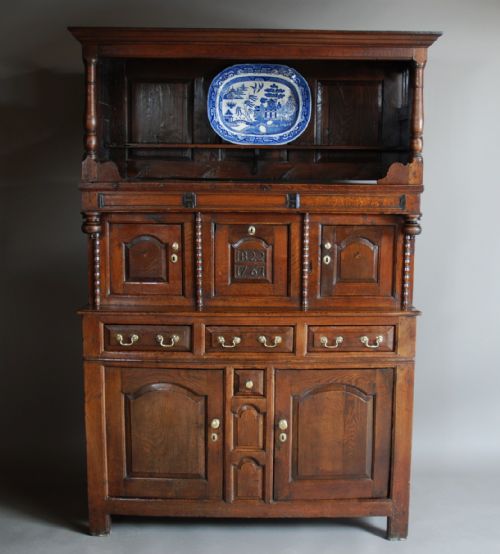
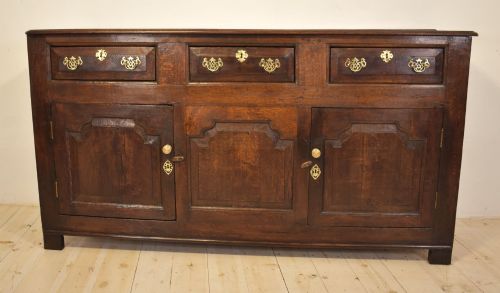
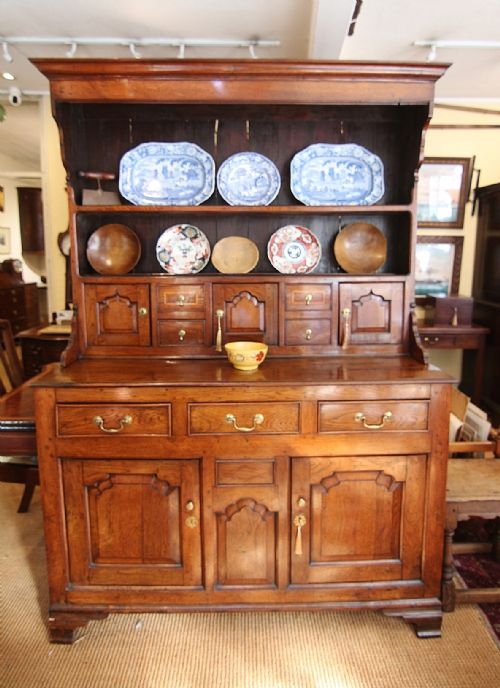
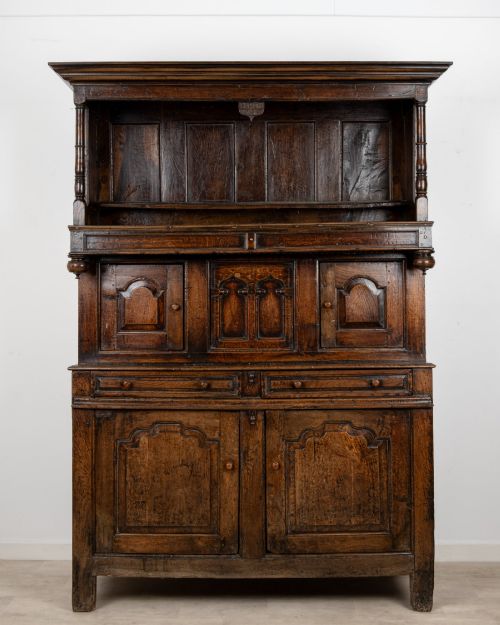
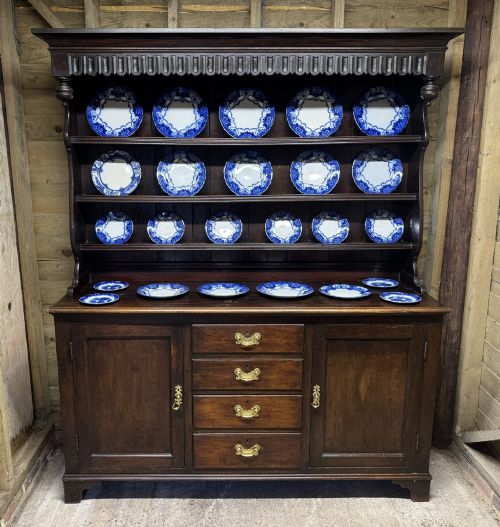
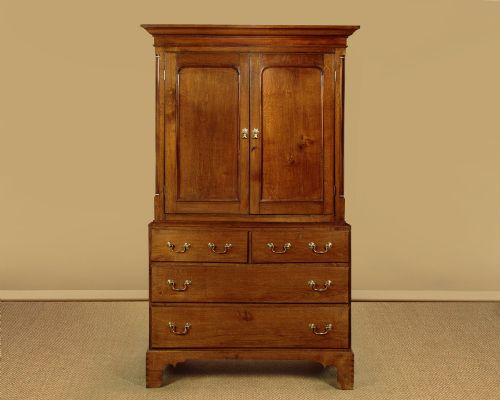
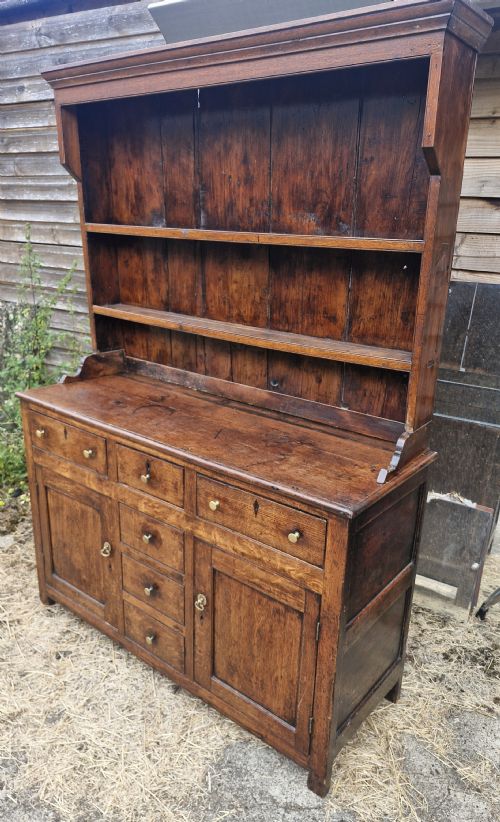
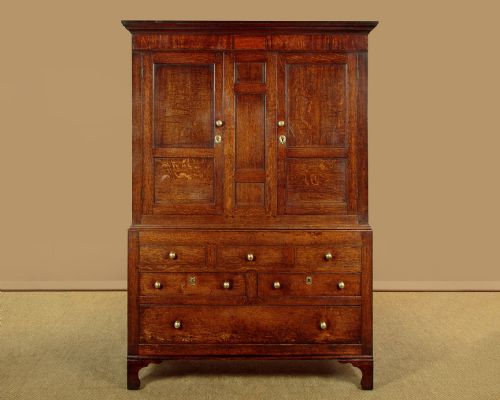
A georgian welsh oak cupboard encompasses regional vernacular forms designed for domestic storage, spanning multi-tiered cwpwrdd tridarn structures, food cupboards, and dresser bases with open racks.
Makers in rural workshops fashioned these storage pieces to suit local domestic needs, resulting in specialised regional variations like bread and cheese cupboards and housekeeper presses.
Examples on this page bridge the eighteenth and nineteenth centuries, reflecting the transition from vernacular country traditions into more formal georgian styles.
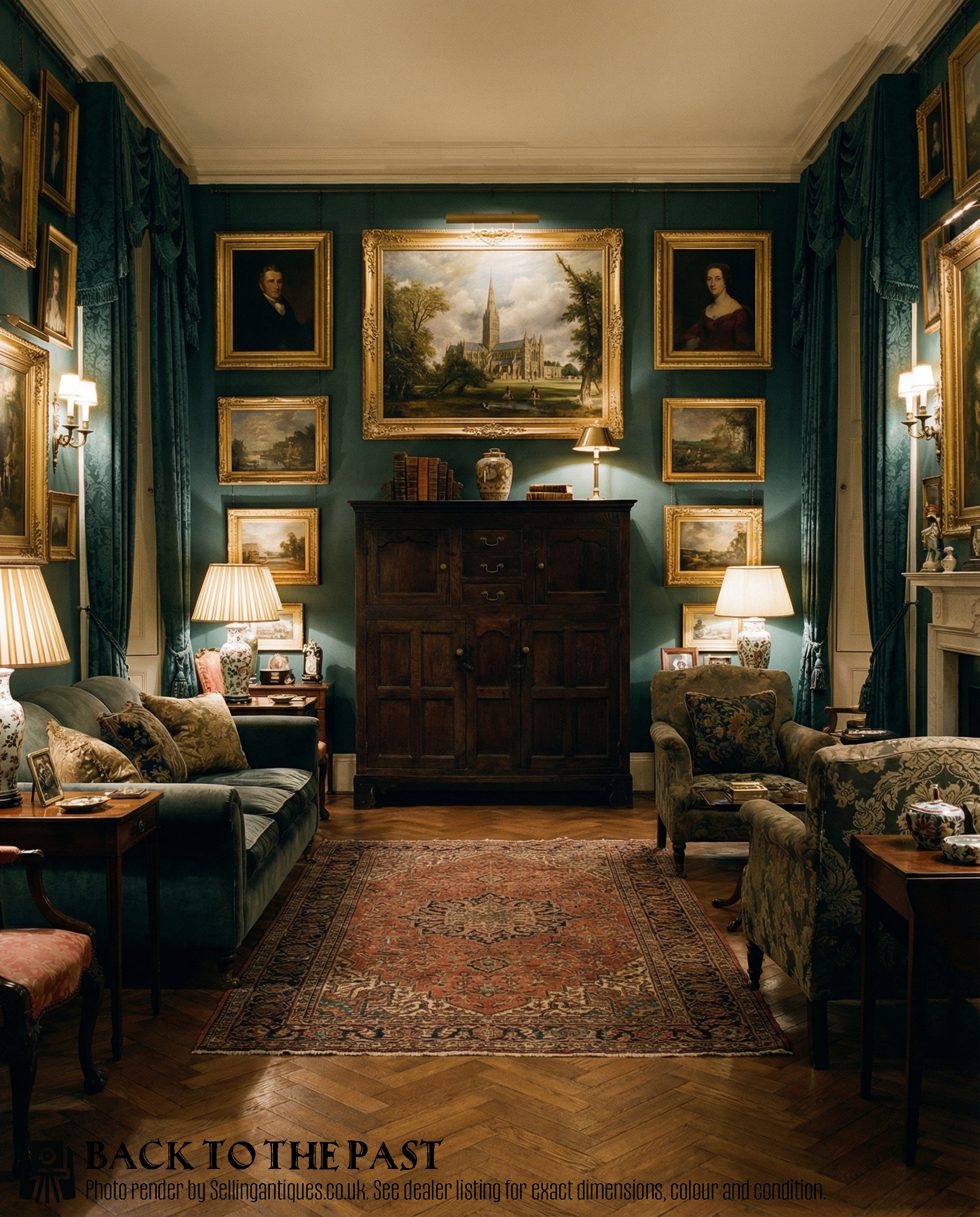
How They Were Made
Local joiners relied heavily on solid timber framing, utilising dense oak boards for structural carcass work alongside secondary elements in pine.
Construction techniques featured panelled doors, pegged joints, and occasional inlay work in contrasting woods like mahogany and bone to articulate the surface.
Hardware details incorporated functional iron hinges and brass fittings, while internal shelving accommodated domestic provisions and household linens.
Early cheese cupboards feature pierced wooden spindles specifically designed to let cottage Cheddars breathe without attracting the farm cat.
What Varies in Quality
Surface appearance heavily influences distinction, as deep natural patina developed through centuries of domestic use separates superior examples from stripped or over-finished timbers.
The Georgian Welsh Oak Cupboard Glossary
- Cwpwrdd Deuddarn
- A traditional two-tiered Welsh cupboard with upper and lower cabinet sections. These vernacular pieces served as primary storage furniture in rural households.
- Bread and Cheese Cupboard
- A regional food storage unit, also known as cwpwrdd bara caws, featuring ventilated panels to keep provisions fresh. These items are distinctively Welsh in origin.
- Livery Cupboard
- A traditional household press used originally for storing food, candles, or livery clothing. They demonstrate deep proportions and sturdy panelled construction.
- Pot Board
- A low horizontal shelf fitted beneath the base of a dresser to store heavy kitchen pottery and utensils. This structural element anchors open-backed dresser designs.
Georgian Welsh Oak Cupboard: Frequently Asked Questions
What is a tridarn?
A tridarn is a traditional three-tiered Welsh storage piece featuring an enclosed upper cabinet, an open middle stage with pendants, and a large cupboard base. These monumental items dominated vernacular domestic interiors.
They evolved to display prized ceramic plates while securing household provisions away from dampness and pests. Their stacked construction makes them easily identifiable regional forms.
How do I use a food cupboard today?
Historic food cupboards adapt readily to modern living as pantry storage, linen presses, or living room display cabinets. Their deep shelves and ventilated panels suit practical household organisation.
Placing them away from direct heat sources ensures the aged oak timbers remain stable over time. They bring rustic texture into contemporary dining spaces and kitchens.
What distinguishes Welsh dressers from English ones?
Welsh dressers often incorporate regional vernacular quirks, such as distinct proportions, specific local timber selections, and integrated spice drawers within the rack. The inclusion of pot boards is also characteristic of vernacular Welsh workshop traditions.
Makers in different valleys developed subtle variations in moulding profiles and panel arrangements. These localized traits help differentiate Welsh output from standard English country furniture.