


18th Century Wall Print
When searching for an 18th century wall print, collectors find framed paper works carrying ink portraits and scenes meant to decorate historic interiors.
18th Century Wall Print
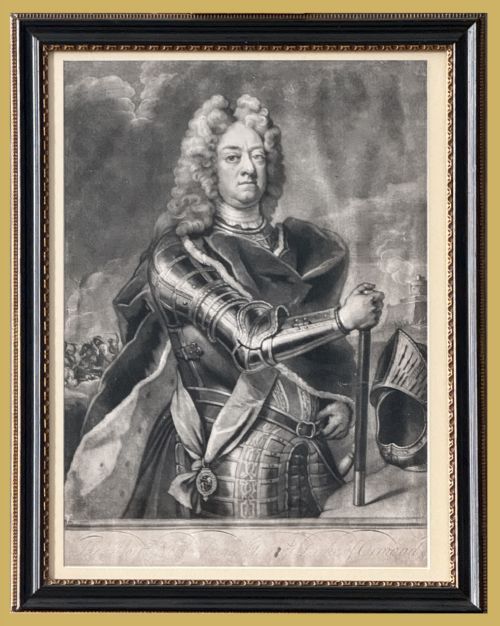
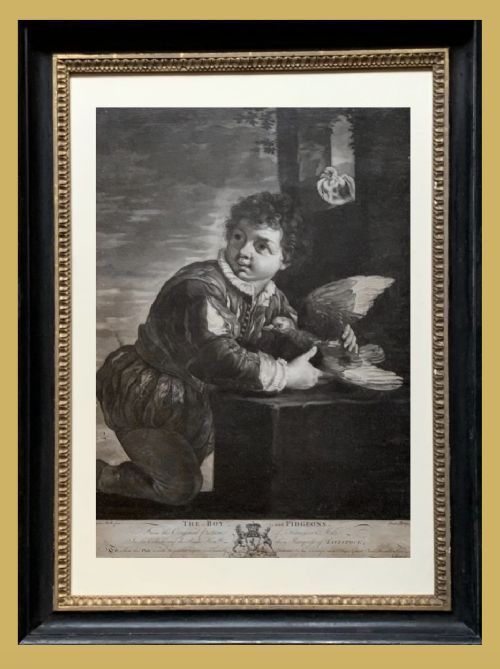
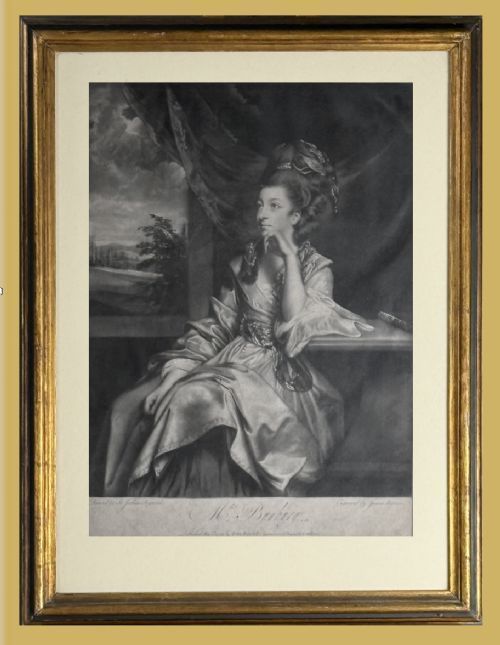
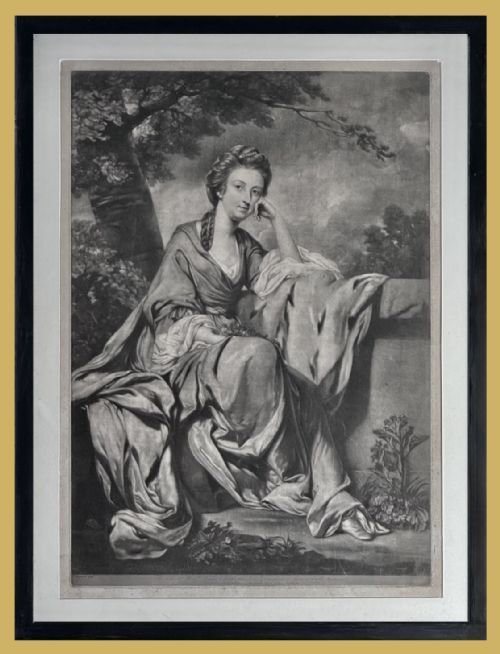
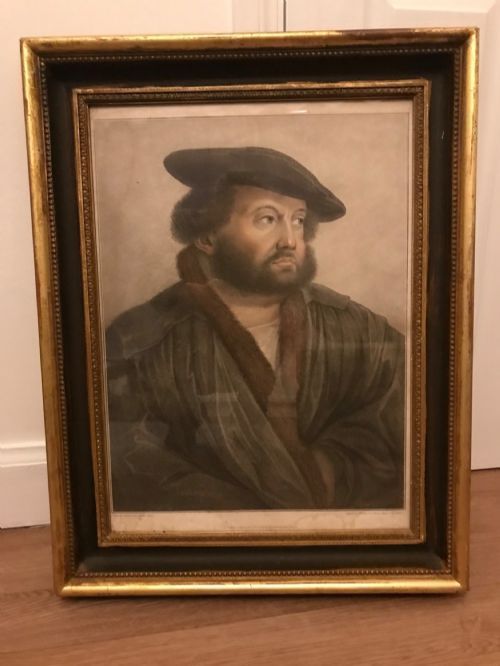
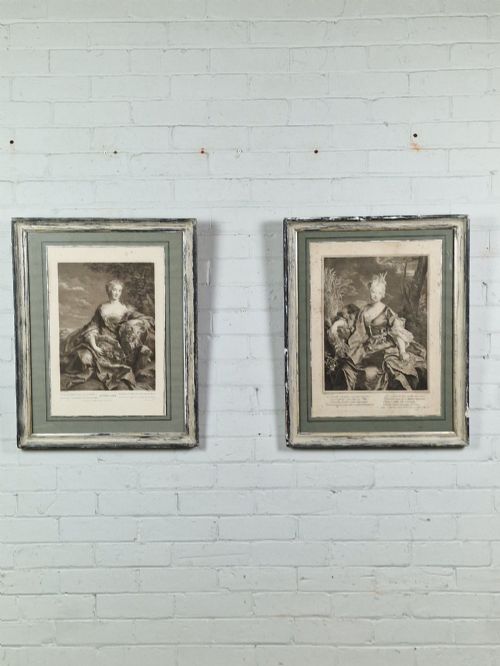
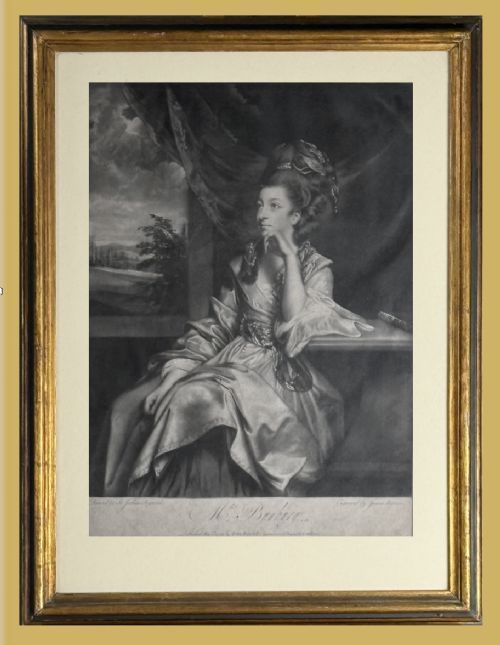
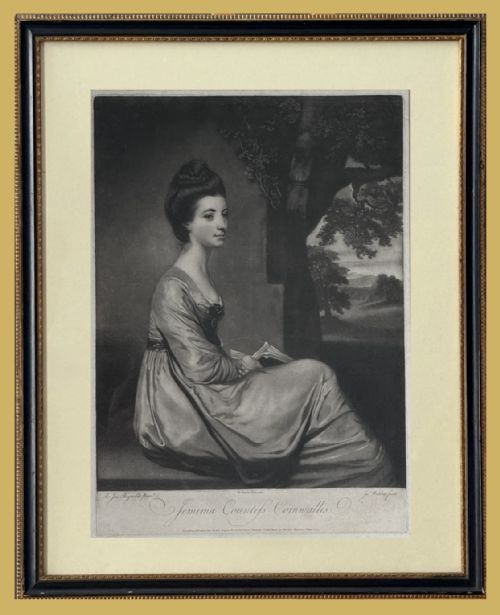
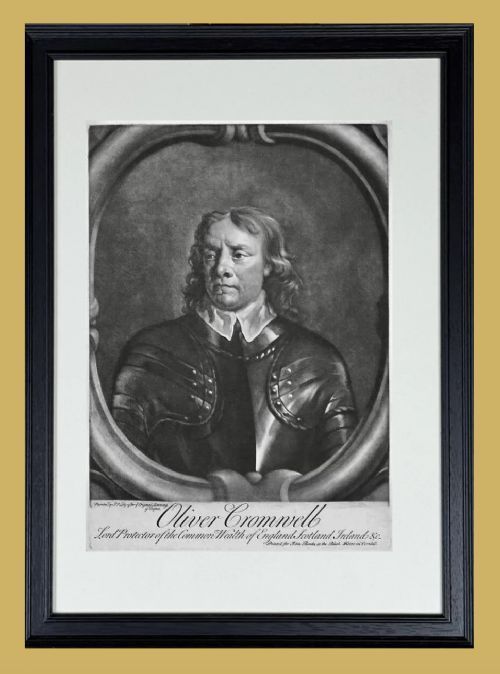
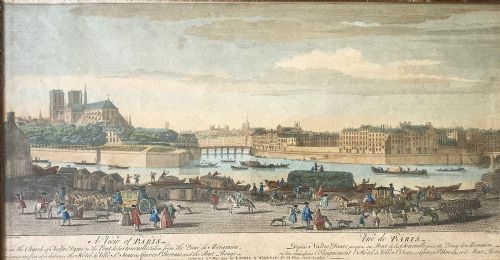
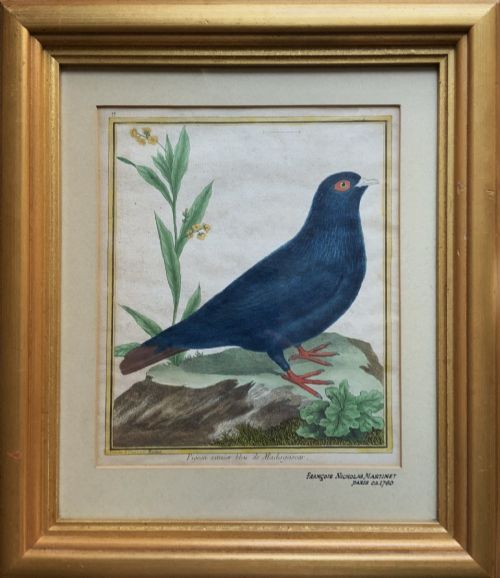
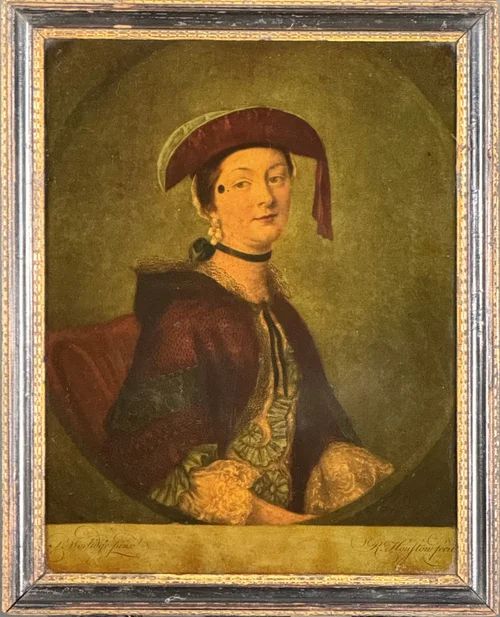
An 18th century wall print on this page primarily comprises framed paper works produced through engraving, stipple, or mezzotint techniques. Portraiture dominates the selection, alongside botanical studies, classical allegories, and topographical views.
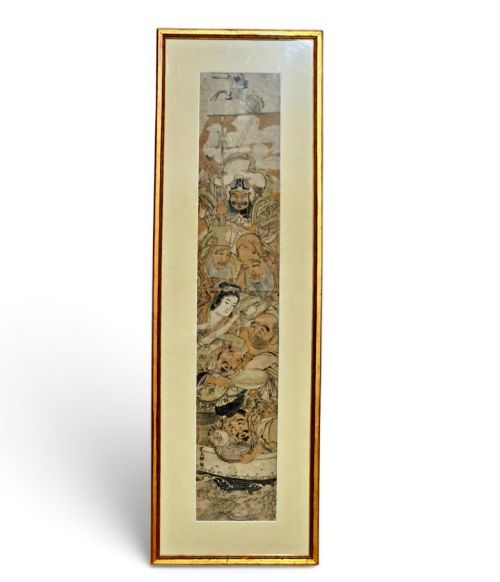
The objects frequently retain their period framing, utilising wood, glass, and gilt elements that match the Georgian era of their production. While the majority date to the eighteenth century, related examples span from the seventeenth century to later revivals.
Buyers encounter British and continental European publications, including works after painters such as Sir Joshua Reynolds and Peter Lely. These prints served as principal wall decoration in period homes before photography.
How they were made
Makers printed inked designs onto paper plates using metal matrices, employing techniques such as mezzotint and stipple engraving to achieve tonal depth and fine lines. Many examples received hand colouring applied directly to the printed surface after production.
Reverse glass techniques appear where artists painted and printed directly onto the underside of glass panels, sometimes incorporating gold leaf. Frames combined carved wood and giltwood, housing the paper behind protective glass.
Listings feature paper, glass, ink, gold leaf, and giltwood combined within Georgian and Neoclassical frameworks.
What varies in quality
The clarity of the impression separates superior prints from worn examples, as copper and steel plates lost definition over multiple printings. Strong contrast and crisp ink saturation indicate an early impression pulled while the plate remained sharp.
The survival of original hand colouring and period framing significantly affects the integrity of the piece. Contemporary framing materials and preserved pigment layers retain historical context more completely than later replacements.
John Simon·John Boydell·James Watson·Edward Fisher·Francesco Bartolozzi·John Smith·John Bowles·François Nicolas Martinet·Charles Spooner·Valentine Green·Jiohan Elis Haid·W Dickinson·Andrew Bell·Thomas Frye·James Heath·Thomas Watson·James Macardell·Jacobus Howbraken·Samuel Dixon·Richard Houston·James Ward·Étienne Baudet
The 18th Century Wall Print Glossary
- Mezzotint
- A printmaking process where the copper plate is roughened to produce dark tones and scraped to create light areas. This method allowed for rich tonal gradations, particularly favoured in portraiture.
- Stipple engraving
- A technique using dots of varying density to create tonal effects and soft contours. It gained popularity for reproducing delicate portraits.
- Giltwood
- Wood carved and coated with gold leaf or gold paint. Frames utilising this material provided reflective borders for eighteenth-century art.
- Reverse glass painting
- An artwork created by applying pigment and gold leaf to the back of a glass sheet and viewing it from the front. This technique produced glossy, preserved surfaces.
- Engraving
- A printmaking method where lines are cut directly into a metal plate with a burin. The resulting incisions hold ink for transfer to paper under pressure.
18th Century Wall Print: Frequently Asked Questions
What is an 18th century wall print?
An 18th century wall print is a historic paper artwork produced via engraving or mezzotint, designed to hang in domestic interiors.
These pieces typically depict portraits, landscapes, or allegorical scenes, framed in period wood or gilt surrounds.
How were these prints originally displayed?
These works were framed behind glass in timber or giltwood mouldings to protect the paper from dust and moisture in domestic rooms.
They hung in parlours, libraries, and drawing rooms as a primary form of wall decoration.
How do I identify a mezzotint?
A mezzotint displays rich, velvety dark areas and smooth tonal transitions rather than sharp linear hatching.
Printers achieved this by roughening the metal plate uniformly and smoothing areas to create highlights.
Are these prints hand coloured?
Some examples feature original hand colouring applied with watercolours or tints over the printed ink lines.
This colouring was added after the printing process to enhance visual detail in botanical subjects and maps.
How should I care for a framed paper print?
Display the artwork away from direct sunlight and high humidity to prevent paper degradation and fading of the ink.
Maintain stable indoor temperatures and keep the original frame protected from moisture.