
Copperplate Etching Art
These copperplate etching art pieces bring centuries of classical portraiture, architectural studies and satirical narrative straight to your walls.
Copperplate Etching Art
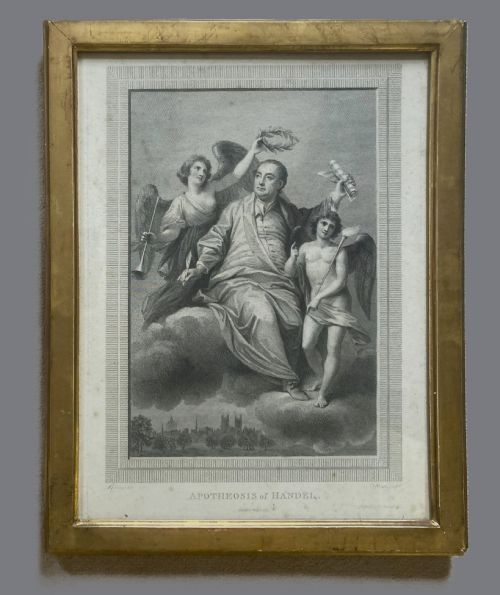
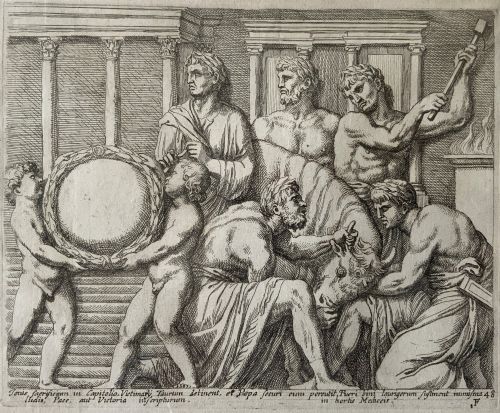
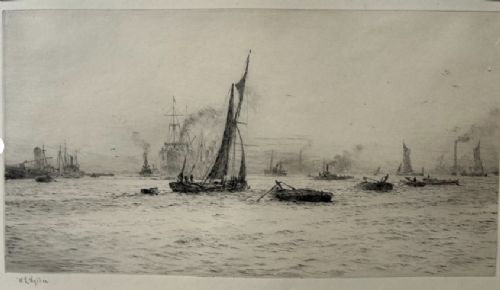
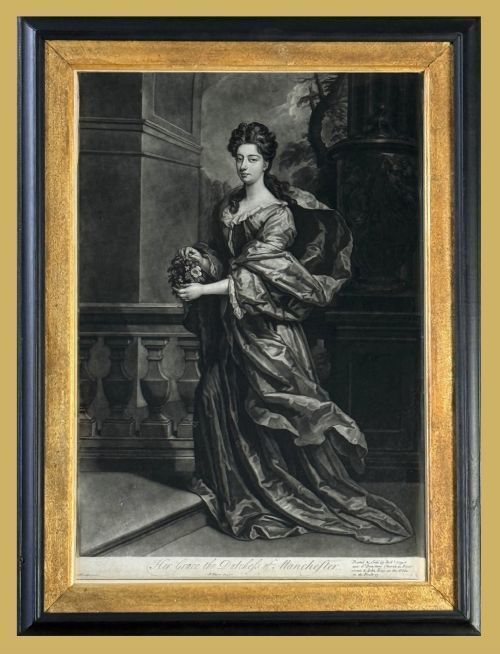
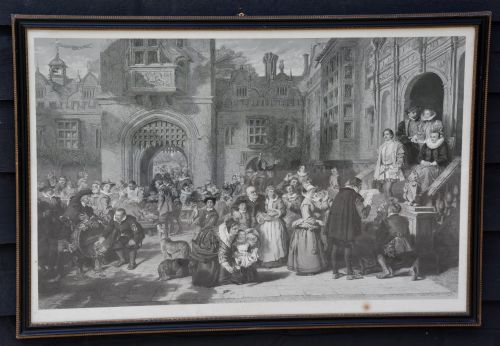
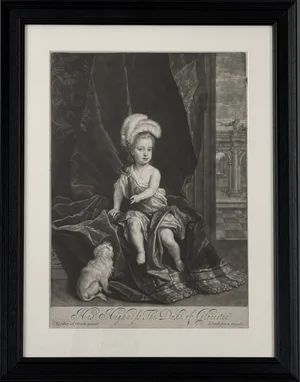
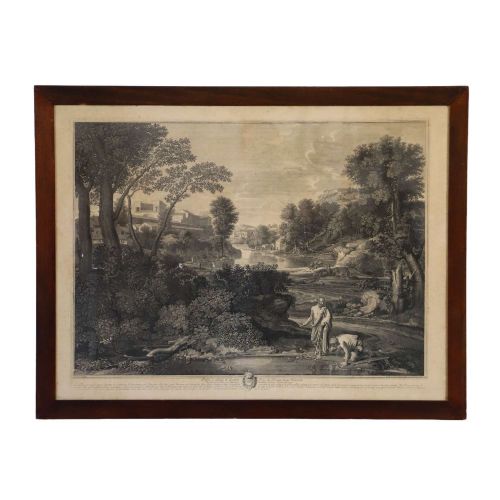
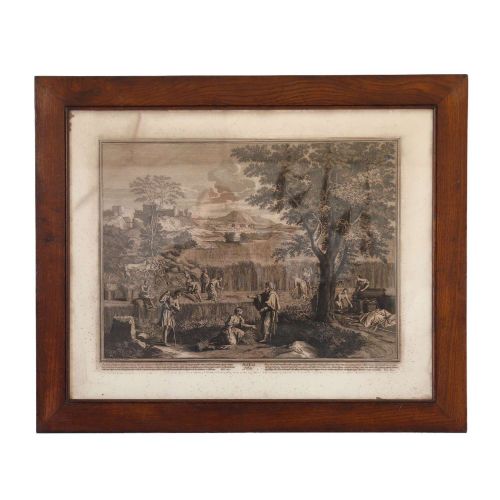
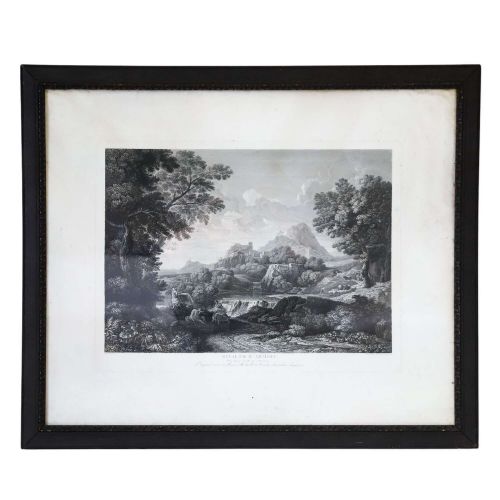
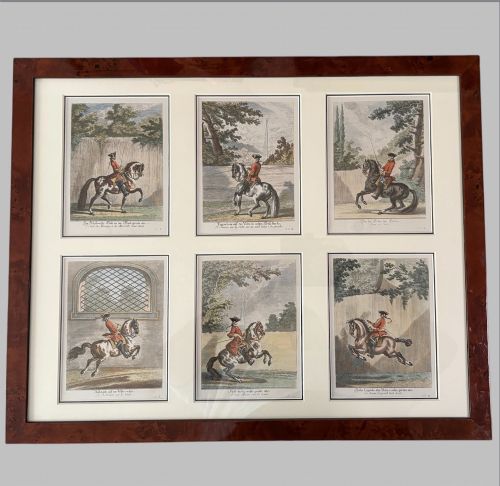
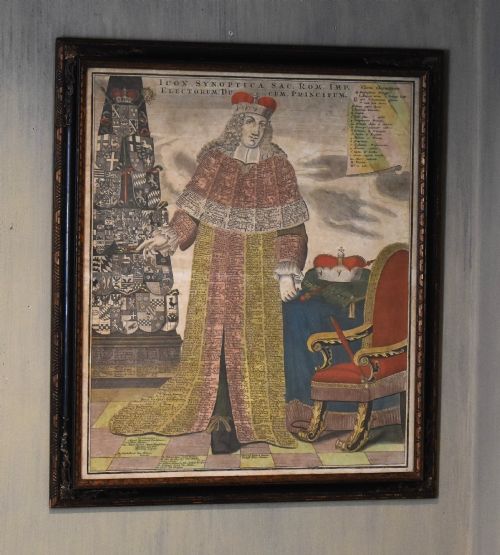
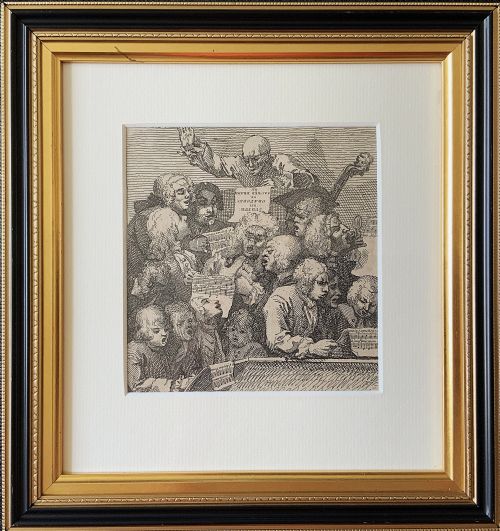
When you search for copperplate etching art, you encounter historic prints and engravings spanning the seventeenth through to the early twentieth century. The selections available range from detailed architectural studies of ancient ruins to grand neoclassical portraits and satirical social commentaries.
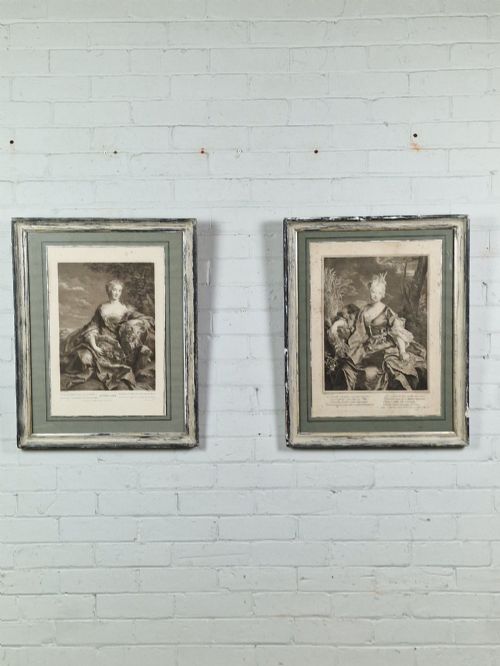
You are most likely to meet eighteenth-century French and English works alongside Victorian pieces, often preserved in their original maple, gilt wood or Hogarth frames. These framed prints and wall art pieces capture the intricate draughtsmanship of master printmakers working across diverse subjects.
How these works were produced
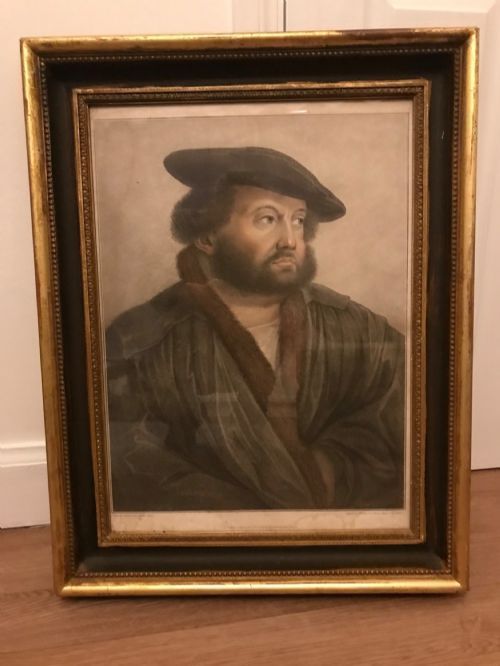
The process relies on ink applied to metal plates, pressed onto fine paper to capture microscopic lines and subtle tonal gradations. Many examples feature delicate hand-colouring or watercolour tints added after the initial impression.
Makers housed these prints behind glass within wooden frames, occasionally incorporating gold leaf detailing or maple mouldings to complement the aesthetic of the period.
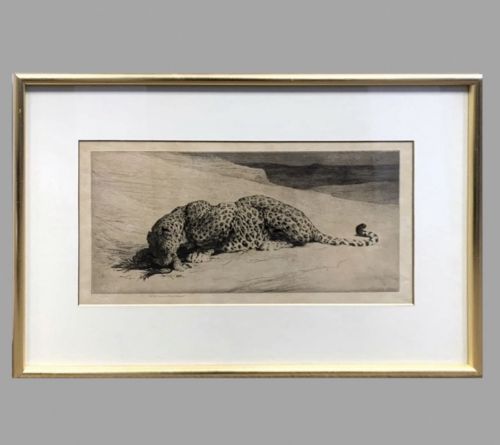
Several artists documented the fierce spirit of leopards and jungle fowl alongside polite Georgian society and satirical alleyways.
What separates the finest examples
The distinction between standard impressions and superior works lies in the crispness of the plate lines and the clarity of the ink on paper. Early impressions taken before the metal plate wore down show sharper details in complex architectural and portrait scenes.
The survival of original framing materials, such as period Hogarth or gilt wood frames, alongside the preservation of hand-applied watercolour tints, elevates the status of a piece within a collection.
Edward Fisher·Francesco Bartolozzi·James Heath·François Perrier·William Lionel Wyllie·John Faber Jr·John Smith·Herbert Dicksee·Étienne Baudet·William Hogarth·James Basire
The Copperplate Etching Art Glossary
- Etching
- A printmaking technique where lines are bitten into a metal plate with acid before being inked and pressed onto paper. This method allows for fluid, expressive lines very close to freehand drawing.
- Mezzotint
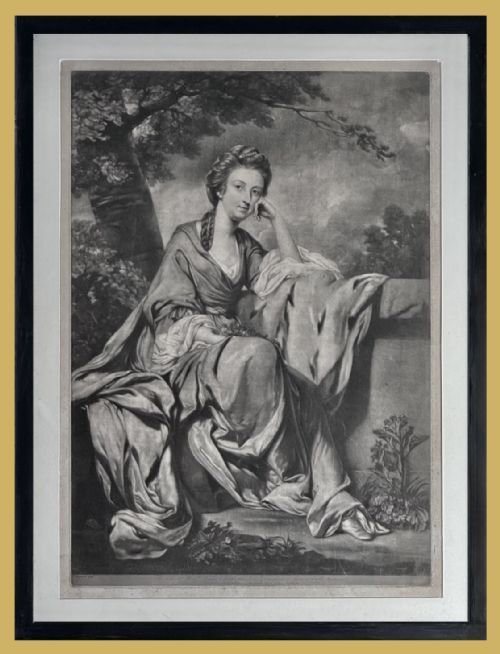
- A tonal printmaking method where the metal plate is roughened uniformly to produce rich, velvety dark areas and subtle gradients of light. It became the favoured medium for reproducing grand portrait paintings.
- Stipple engraving
- A method of creating prints through a dense pattern of dots rather than continuous lines, frequently used to render soft flesh tones in portraiture.
- Plate mark
- The indented impression left on the paper by the edges of the metal printing plate under the pressure of the press. Its presence confirms an authentic traditional intaglio print.
- Hand coloured
- The application of watercolour or tint by hand onto a monochrome print after it has left the press. This adds vibrant life to botanical, satirical or military subjects.
Copperplate Etching Art: Frequently Asked Questions
What is copperplate etching art?
These works are historic printed images created by incising or biting designs into metal plates and transferring them onto paper using specialised printing presses. They capture everything from classical antiquities to detailed portraits.
Subjects span centuries of European culture, offering a direct window into the artistic and social interests of past eras.
Are these works original antique prints?
The selections listed date from the seventeenth century through to the early twentieth century, produced during the active periods of the respective printmakers and publishers. They are authentic historic impressions rather than modern photographic reproductions.
Examining the paper quality and the presence of a genuine plate mark helps confirm the period origin of each piece.
How do I identify different print techniques?
Etchings display fine, sharp lines created by acid biting into the metal, whereas mezzotints present smooth tonal areas and velvety darks. Stipple engravings are recognizable by their distinctive patterns of tiny dots.
Looking closely with a magnifying glass reveals how the ink sits on the paper surface within the pressed plate mark.