

18th Century Wall Cabinet
An 18th century wall cabinet brings period character to a room while offering compact storage for small possessions.
18th Century Wall Cabinet
When you search for an 18th century wall cabinet, you encounter hanging corner cupboards, spice cupboards and flat-walled display pieces designed to save floor space in domestic interiors. These items date primarily from the Georgian era and the broader 18th century, spanning styles from Queen Anne and George I through to George III and Dutch Baroque.
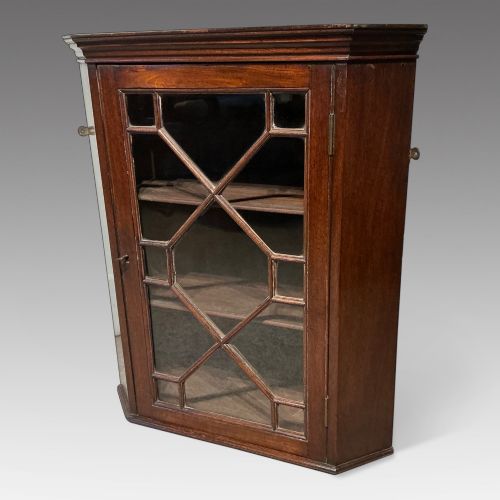
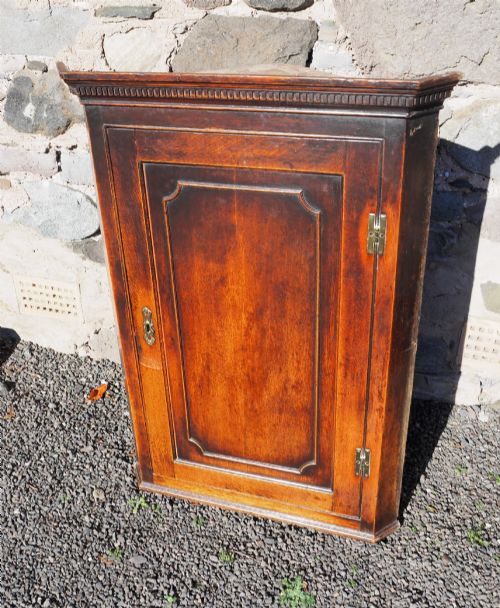
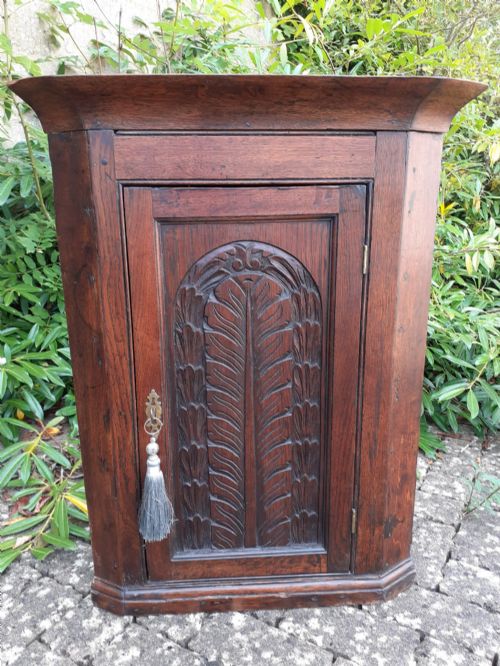
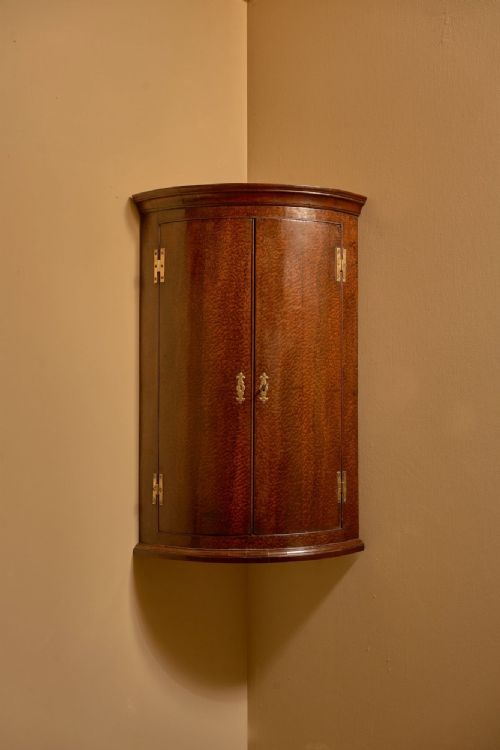
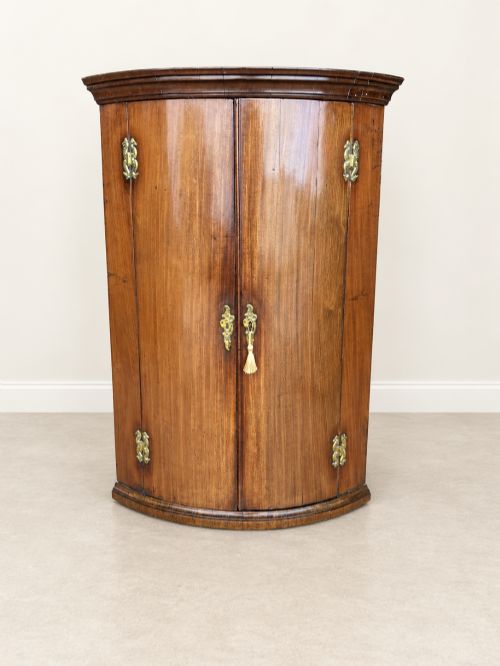
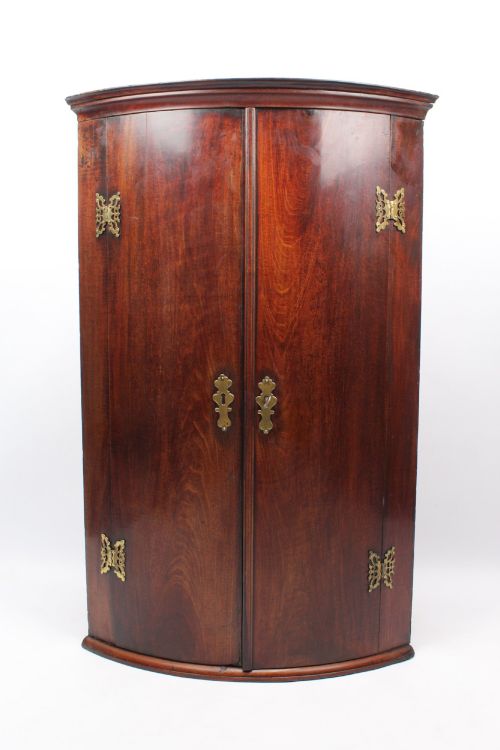
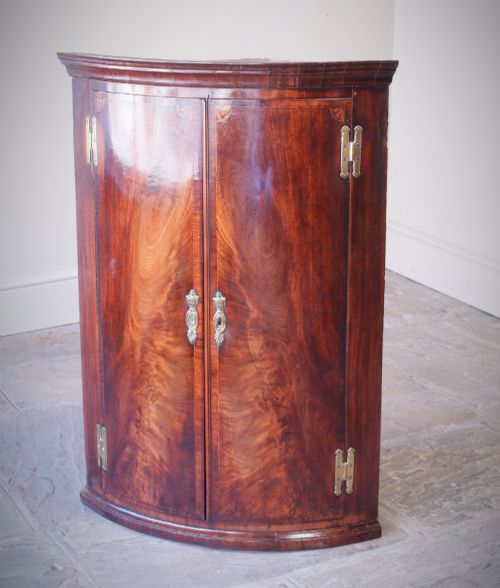
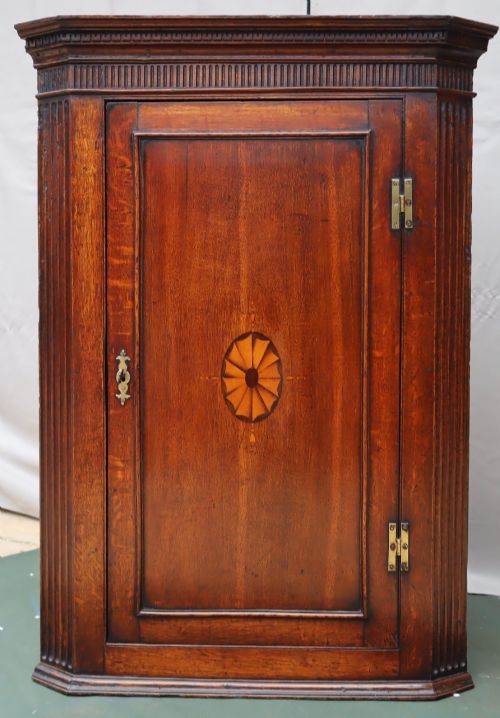
The most common version met on this page is the hanging corner cupboard constructed to fit snugly into the junction of two walls. These pieces utilise timber frames to support panelled or glazed doors, frequently featuring bow fronts or shaped cornices typical of the period.
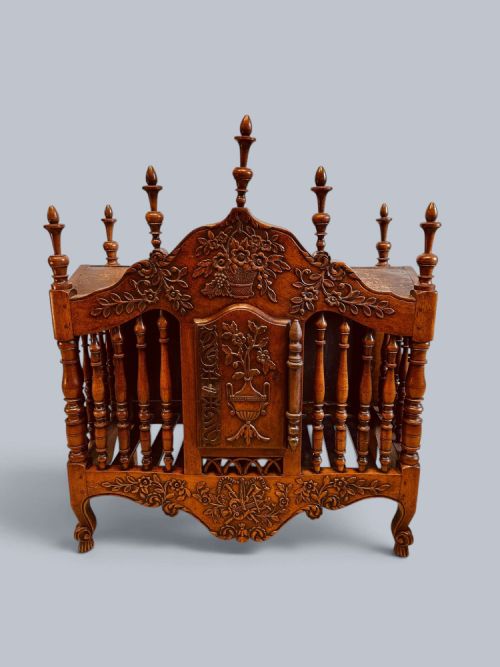
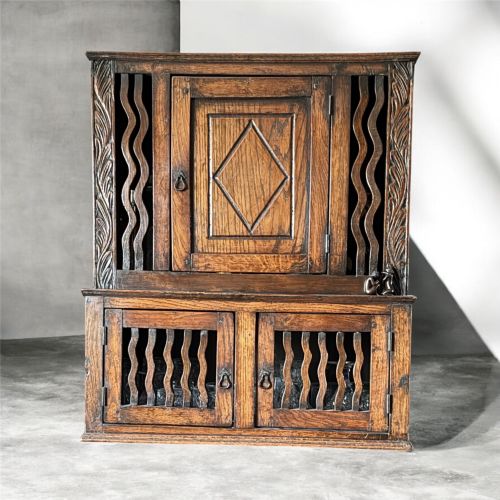
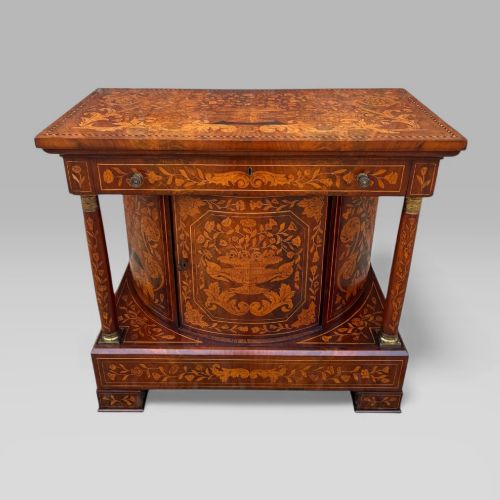
Alongside dedicated cupboards, the selection includes wall-mounted units in French Provincial and Dutch marquetry designs. While many serve as simple storage, others incorporate internal shelving or small drawers for domestic organisation.
How they were made
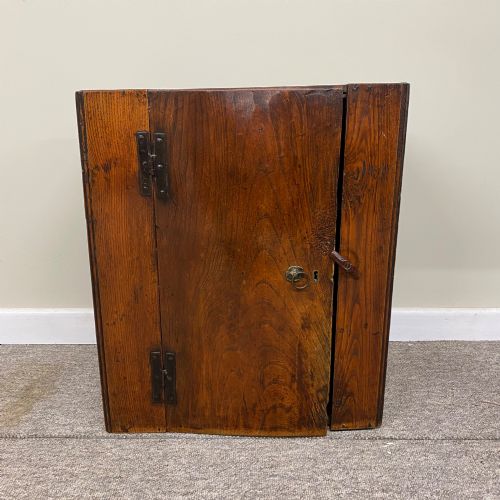
Cabinet makers of the period relied heavily on native and imported timbers, shaping solid planks of oak, mahogany and walnut for the primary structures. Oak appears frequently in early spice cupboards and regional pieces, whilst mahogany and burr oak dominate the later Georgian hanging cabinets.
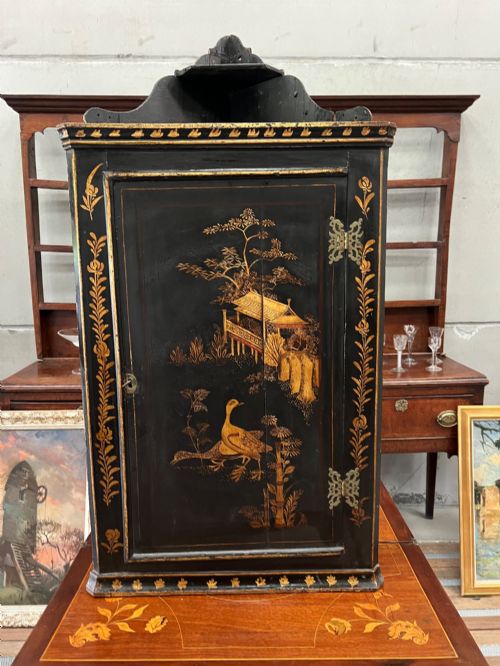
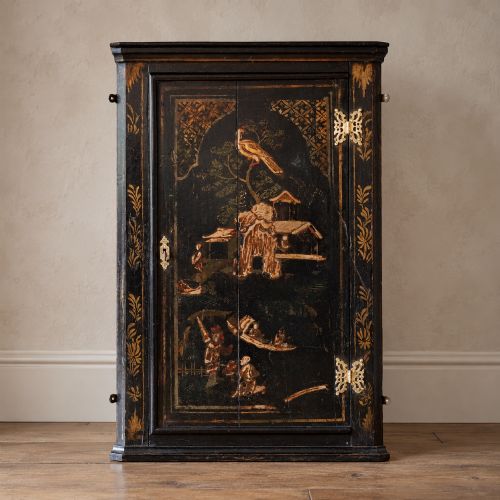
Surface decoration involved sophisticated techniques including marquetry inlay, japanning and painted finishes. Glazed doors utilised timber glazing bars to hold small panes of glass, and brass fittings such as hinges and key escutcean plates provided both structural support and visual contrast.
18th Century Wall Cabinet Retail Price Guide 2026
Typical asking prices for 18th century wall cabinet among the pieces listed under this phrase on Sellingantiques today, from the lower quarter to the upper quarter. They describe what is for sale here now, not the wider market.
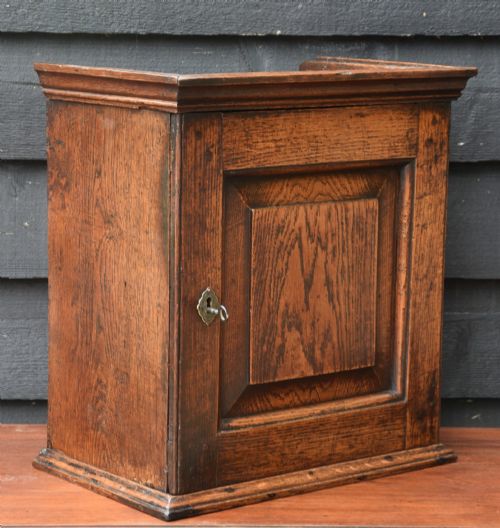
Several miniature spice cupboards survive because cooks needed a secure place to lock away expensive peppercorns and nutmeg.
What varies in quality
The distinction between standard and superior pieces rests on the selection of timber and the execution of decorative details. Plum pudding mahogany, burr oak and intricate floral marquetry elevate a piece beyond standard utilitarian storage.
Construction methods also dictate quality, particularly the survival of original brass hardware, working locks with keys, and untouched surface patination. Pieces retaining their original mirrors, candle slides or painted finishes command greater interest from collectors.
The 18th Century Wall Cabinet Glossary
- Bow front
- A convexly curved front surface that projects outwards. This shape is frequently seen on Georgian mahogany corner cupboards.
- Spice cupboard
- A small wall-mounted cabinet containing multiple internal drawers for storing culinary herbs and spices. These date predominantly to the early part of the eighteenth century.
- Japanning
- A European imitation of East Asian lacquerwork applied to furniture surfaces. It involves layered varnishes and raised decorations, often seen on eighteenth-century pieces.
- Marquetry
- The art of applying thin veneers of different woods to a structure to form decorative patterns. Dutch examples often display floral designs executed in this technique.
- Escutcheon
- A protective plate surrounding a keyhole. On period cabinets, these are typically cast in brass.
18th Century Wall Cabinet: Frequently Asked Questions
Where were wall cabinets placed?
These cabinets were hung in reception rooms, parlours and kitchens to keep valuable items or domestic goods secure and dust-free.
Corner designs made efficient use of unutilised room junctions in smaller domestic spaces.
How do I identify a Georgian piece?
Georgian cabinets often display characteristic proportions, architectural cornices and timber choices like mahogany or oak.
Stylistic markers such as bracket feet, cockbeaded drawer edges and brass H-hinges help confirm the period.
Did they always have glass doors?
Many wall cabinets featured solid timber doors made from panelled oak or mahogany to keep contents hidden.
Glazed doors appeared more frequently later in the century when sheet glass production became more refined for display purposes.
How do I hang a heavy antique cabinet?
Period wall cabinets were built with integrated hanging brackets or sturdy backboards designed to bear the weight of the timber.
Modern installation requires locating wall studs or using heavy-duty fixings suited to the specific weight of the hardwood.