

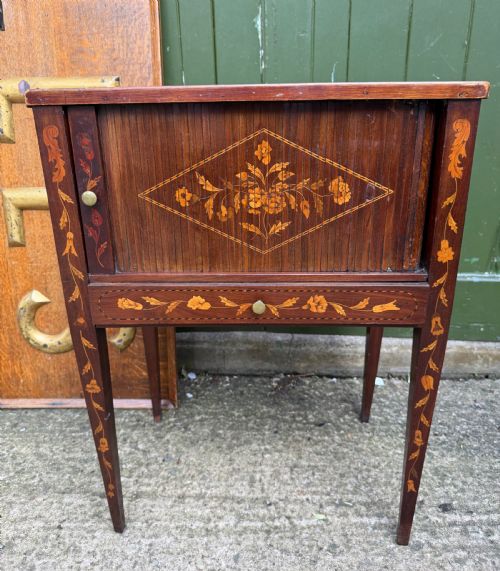


Early 18th Century Cupboard
An early 18th century cupboard brings architectural timber and regional craft directly into domestic spaces.
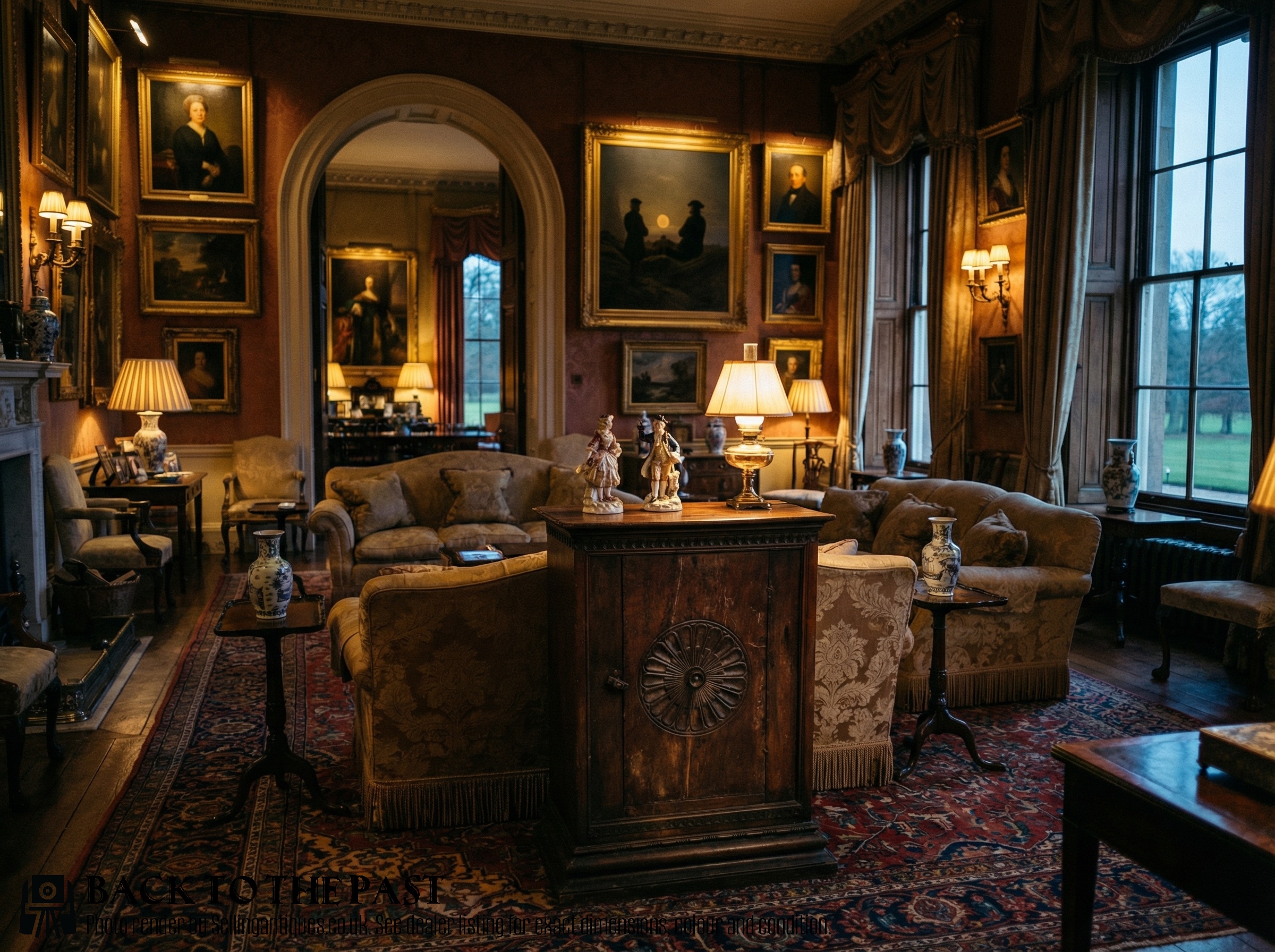
Forms and Origins
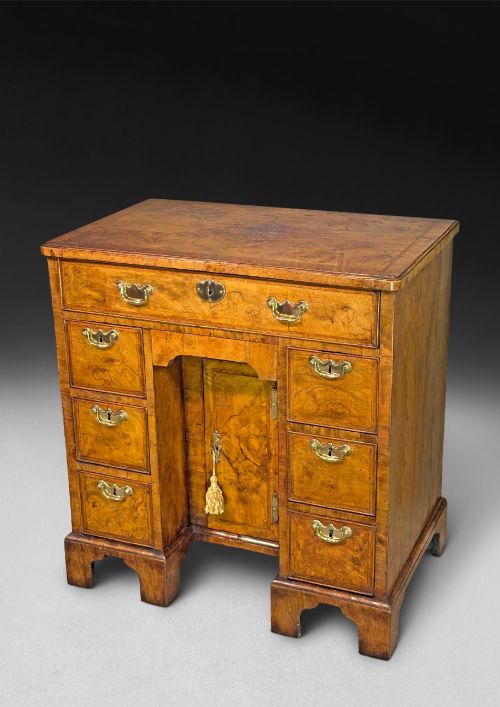
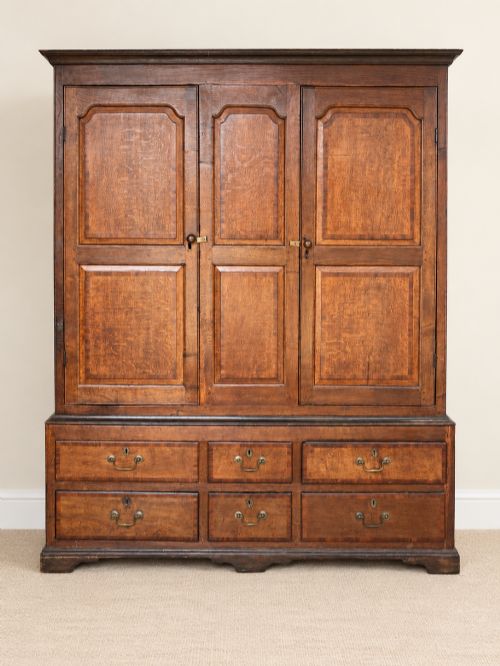
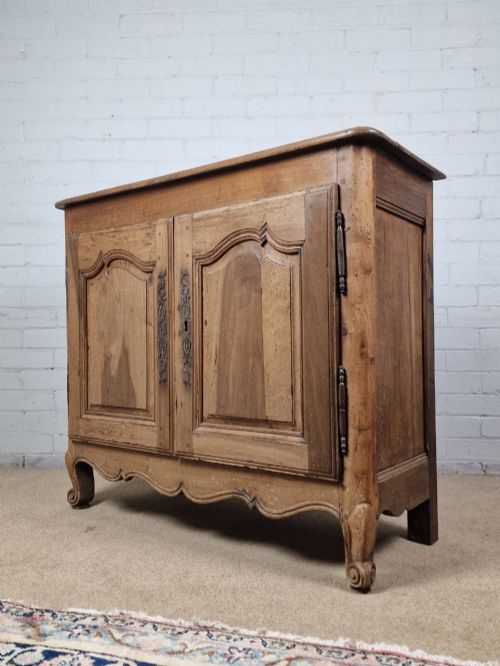
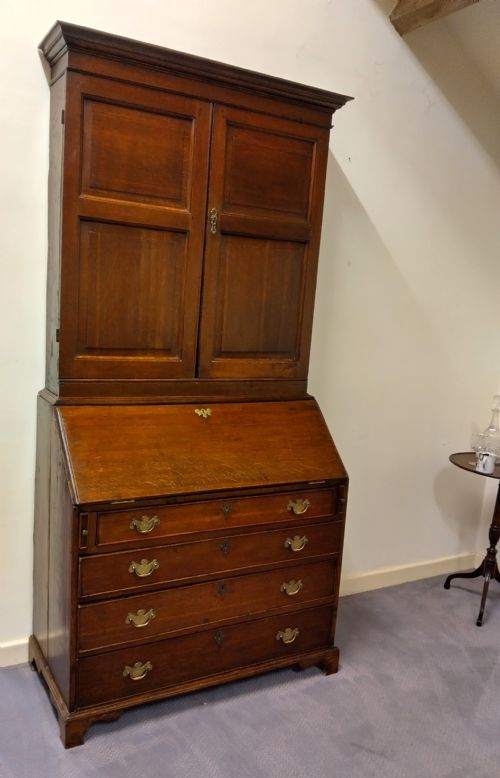
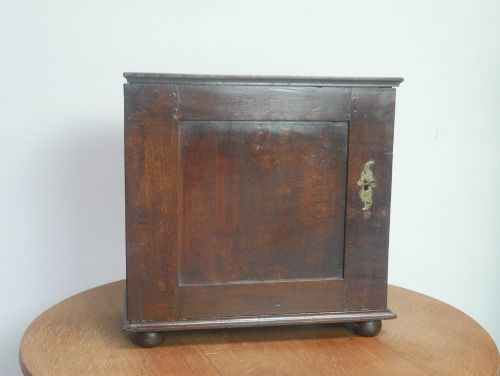
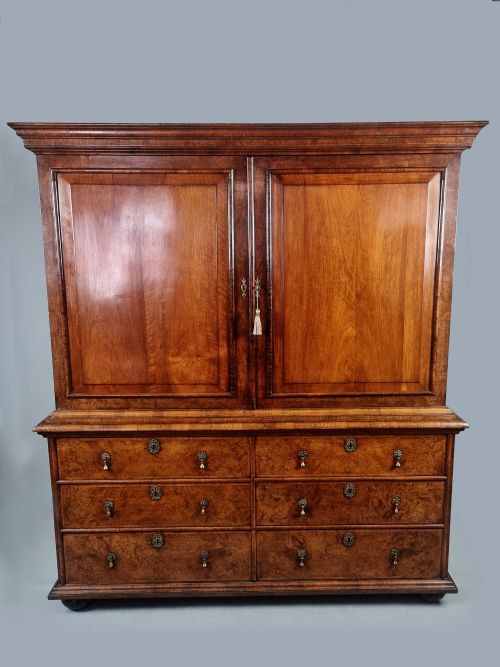
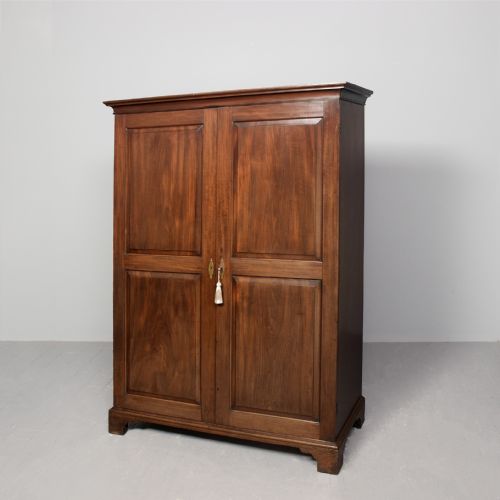
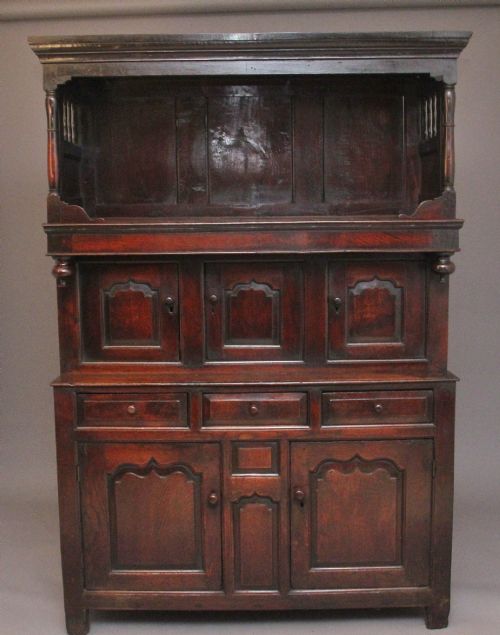
An early 18th century cupboard encompasses robust oak press cupboards, court cupboards, and housekeepers pieces designed for storage in period rooms. Buyers frequently encounter regional variations such as Welsh oak two-door hanging cupboards and West Country court examples.
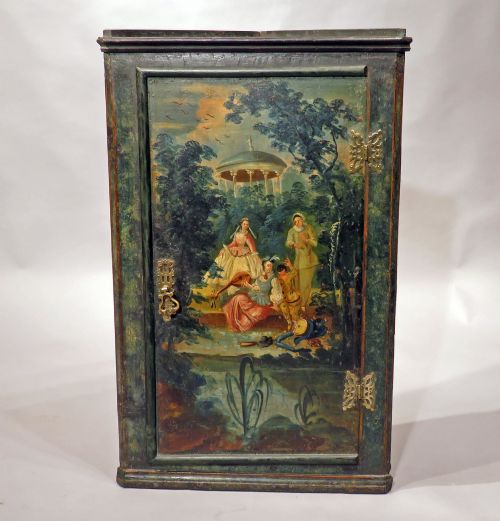
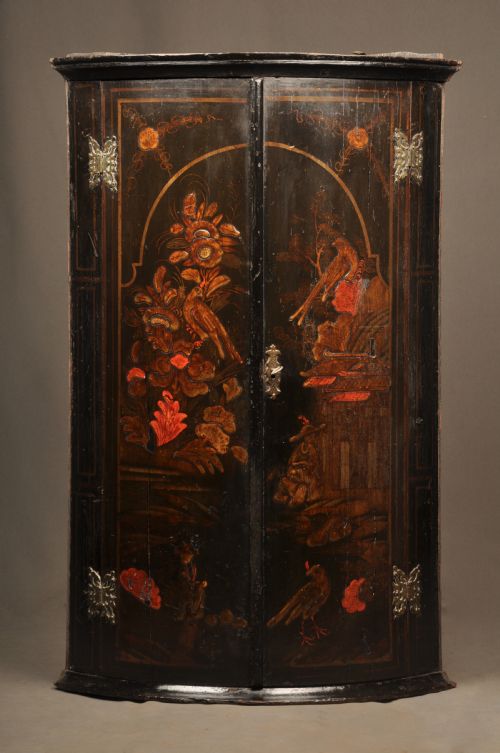
Corner cupboards provide fitted storage solutions, appearing in plain oak as well as decorated Chinoiserie lacquer. Specialised forms like spice cupboards and vestment cupboards illustrate the diverse functional requirements of domestic and institutional interiors from this era.
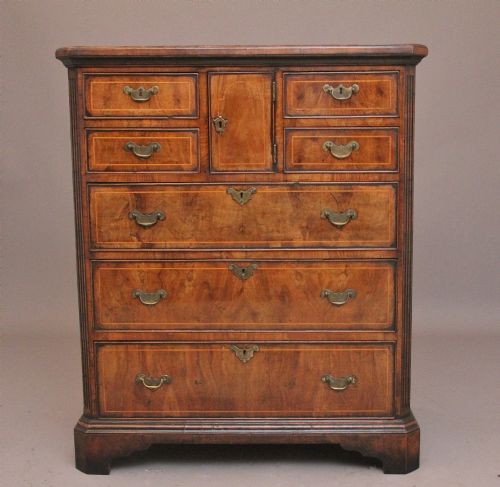
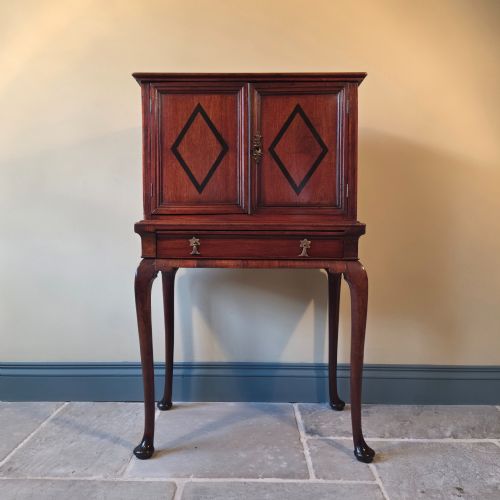
Walnut pedestal pieces and lacquered examples introduce continental and high-style influences alongside vernacular English country furniture. These utilitarian items served to store food, linens, and garments while anchoring the room with heavy timber construction.
Materials and Construction
Joinery relies heavily on solid oak and regional woods like fruitwood, shaped through panel construction, framing, and traditional pegged joints. Iron and brass hinges, escutcheons, and handles secure heavy doors and provide functional contrast to the wooden surfaces.
Surface treatments range from waxed and patinated country oak to applied Chinoiserie lacquer and Japanning. Walnut construction involves careful selection of figured timber veneers on structural carcases to achieve decorative grain patterns.
Retail Price Guide 2026
Typical UK retail prices for early 18th century cupboard, calculated from the Sellingantiques database of over a million retail prices indexed since 2003. This retail price guide relies exclusively on Sellingantiques data; no external sources or auction records are used, so the figures do not describe the wider market.
Some spice cupboards were built small enough to hang out of reach of sticky fingers.
Craft and Surface Distinction
The hierarchy of these pieces rests upon the integrity of the original timber surface and the crispness of carved or panelled details. Superior examples retain untouched patination and original painted or lacquered finishes, whereas altered surfaces diminish the historical coherence.
Proportional harmony and the subtlety of regional joinery distinguish masterwork press and court cupboards from utilitarian farm storage. The deployment of specialist materials such as brass hardware and fine lacquer indicates workshops operating at a higher economic tier.
The Early 18th Century Cupboard Glossary
- Press cupboard
- A large storage furniture piece featuring upper and lower sections enclosed by doors, traditionally used for linens and clothing. The upper stage often incorporates hanging space or shelves.
- Court cupboard
- A two-stage enclosed furniture form from the early Georgian and preceding periods, utilised for displaying and storing plate or food. These pieces often feature prominent upper canopies supported by columns.
- Chinoiserie
- European imitation of traditional Chinese and East Asian artistic styles, applied to furniture through lacquer and raised decoration. This aesthetic appears on specialised corner cabinets from the period.
- Japanning
- A European form of finishing that mimics East Asian lacquer work using layered varnishes and metallic dust. It creates a dark, glossy surface often decorated with gilt figures and landscapes.
- Patination
- The surface sheen and colour developed on timber through decades of handling, polishing, and oxidation. This natural ageing process alters raw wood into a deep, warm finish.
Frequently Asked Questions
What is an early 18th century cupboard?
These items are heavy timber storage furniture pieces constructed primarily during the Georgian and late Baroque eras. They encompass versatile household forms designed for food, linens, and garments.
Craftsmen built them using solid oak, walnut, and fruitwood, incorporating panelled doors and iron or brass hardware. Regional variations reflect the distinct workshops of Wales, the West Country, and continental Europe.
How were these cupboards used?
Households utilised these storage pieces to secure valuable foodstuffs, textiles, spices, and clothing away from household pests and dampness. Vestment and housekeepers variants held specific liturgical or domestic inventory.
Corner cabinets exploited neglected room angles to display ceramics or store everyday provisions. Larger press and court formats dominated the main rooms as status symbols and functional storage.
Where should I place one?
These substantial timber pieces anchor dining rooms, hallways, and living spaces when paired with complementary period or neutral modern interiors. Corner versions fit neatly into architectural recesses to maximise floor space.
Keep wooden furniture away from direct heat sources and strong sunlight to protect the fragile lacquer, paint, and historical wax surfaces. Adequate clearance allows heavy panelled doors to open fully without striking walls.
How do I care for the wood?
Maintain the timber surfaces by applying traditional beeswax sparingly and buffing gently with a soft cloth to preserve the natural patination. Avoid silicone polishes and moisture, which can degrade historic finishes.
Stable indoor humidity prevents the oak and walnut panels from splitting or warping as seasonal temperatures fluctuate. Regular dusting with a dry cloth keeps abrasive particles from settling into carved details.