


Queen Anne Corner Cabinet
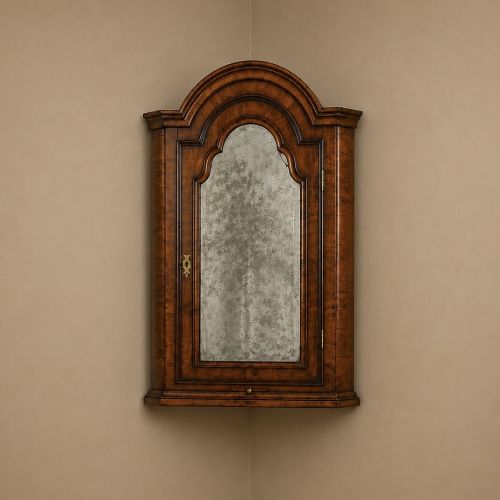
These queen anne corner cabinet pieces bring period walnut and lacquer into awkward angles, offering both display space and concealed storage.
What They Are
A queen anne corner cabinet provides a neat solution for empty room junctions, taking the form of wall-hung cupboards or tall standing units designed specifically for ninety-degree spaces. The selection ranges from early eighteenth-century originals to later revival pieces from the nineteenth and twentieth centuries.
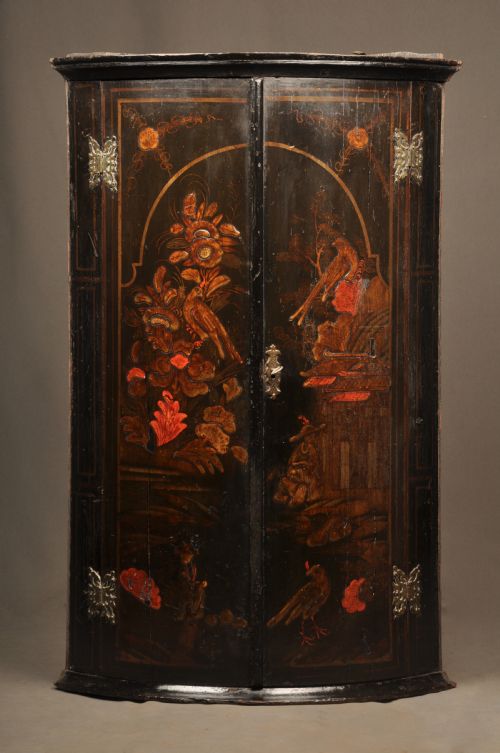
Most examples found here utilise walnut timber, frequently enhanced with burr veneers or finished in decorative lacquer and japanning. Formats vary between simple single-door cupboards and glazed upper display sections paired with lower cabinet storage.
How They Were Made
Cabinetmakers constructed these pieces using solid woods and decorative veneers over secondary timbers, shaping the carcase to fit snugly into room corners. Surfaces received polished finishes or elaborate built-up layers of lacquer, sometimes incorporating applied details.
Hardware played an essential functional and decorative role, with brass hinges and escutcheons fitted to secure doors and internal shelving. Glazed panels, where present, were held within timber framing to protect contents while allowing visibility.
Retail Price Guide 2026
Typical UK retail prices for queen anne corner cabinet, calculated from the Sellingantiques database of over a million retail prices indexed since 2003. This retail price guide relies exclusively on Sellingantiques data; no external sources or auction records are used, so the figures do not describe the wider market.
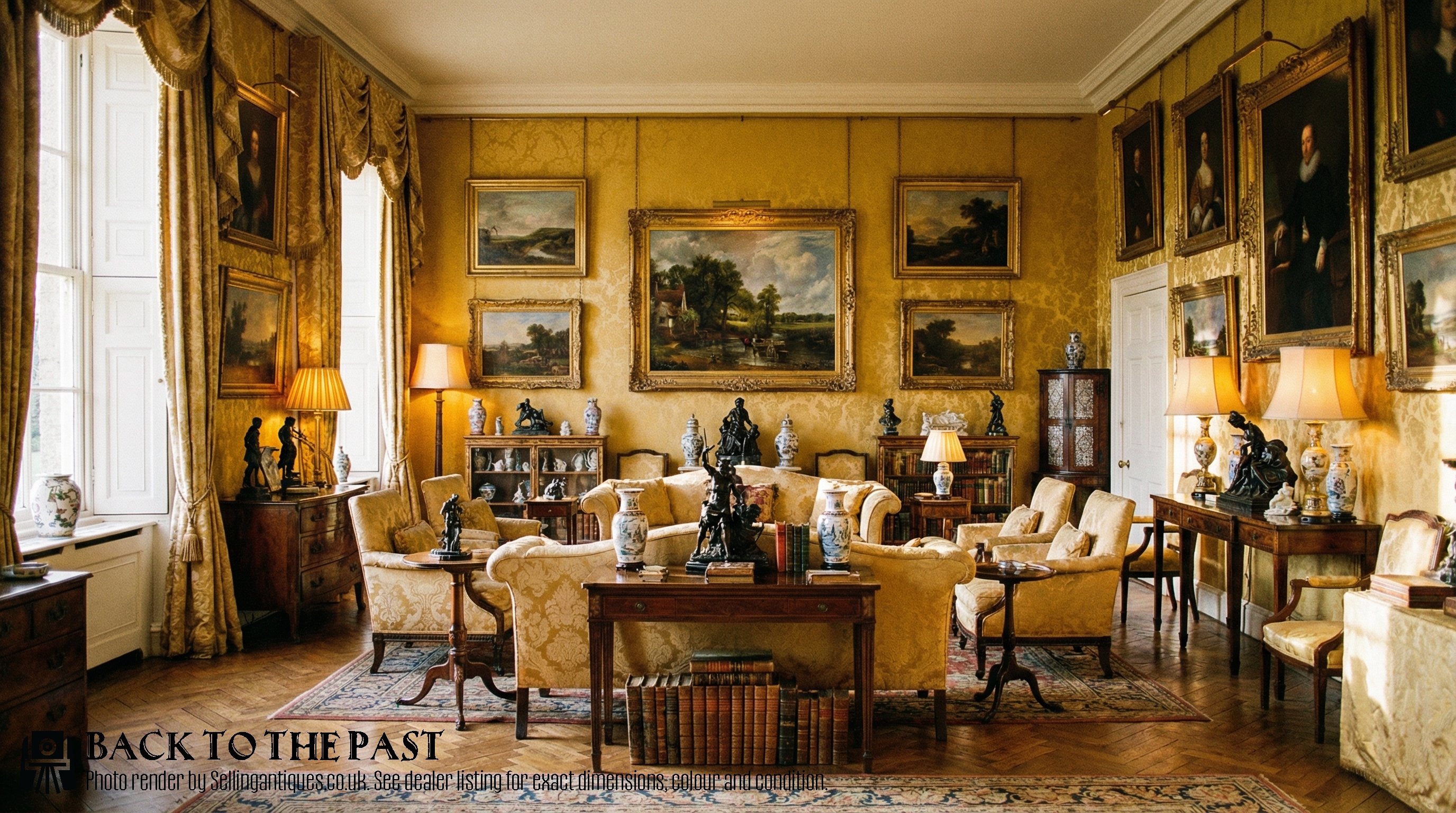
Several cabinets manage the neat trick of turning the most awkward corner of the room into the smartest spot in the house.
What Varies in Quality
The distinction between a standard revival piece and an early period example rests largely in the depth of the timber figuring and the handling of the surface finish. Finer cabinets display carefully selected burr walnut veneers or intricate japanned decoration with raised motifs.
Structural refinement also separates the tiers of production, seen in the proportion of the moulding and the integrity of the original construction details. Later twentieth-century interpretations show different standards of joinery compared to eighteenth-century originals.
The Queen Anne Corner Cabinet Glossary
- Japanning
- A European imitation of East Asian lacquerwork created using layered varnishes and raised metallic decoration. This technique appeared on fashionable eighteenth-century furniture and later revival pieces.
- George I Style
- Design characteristics associated with the reign spanning the early eighteenth century, known for restrained lines and walnut veneers. Pieces from later centuries frequently emulate this aesthetic.
- Escutcheon
- A protective brass plate surrounding a keyhole, designed to prevent wear on the surrounding wood. These fixtures often contribute to the decorative appearance of the door front.
Frequently Asked Questions
Where should I place a corner cabinet?
These units fit directly into empty room junctions, making use of space that standard rectangular furniture cannot occupy.
They work effectively in dining rooms or hallways where floor area is restricted.
How do I identify a revival piece?
Revival items date from later periods like the late nineteenth or early twentieth centuries, mimicking earlier eighteenth-century aesthetics.
Examination of the timber construction, secondary woods, and internal fixings usually reveals the actual age.
What is japanning?
Japanning is a European technique mimicking Asian lacquer, using dark varnishes and raised gilt designs.
It appears on several eighteenth-century and revival cupboards in this selection.
Are these cabinets wall hung or standing?
The inventory includes both wall-mounted cupboards and standing floor units designed for corners.
Dimensions and internal shelving layouts vary depending on whether the piece is a single cupboard or has a display section.