
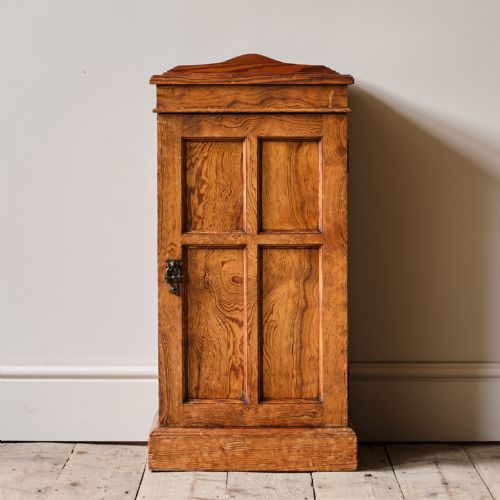
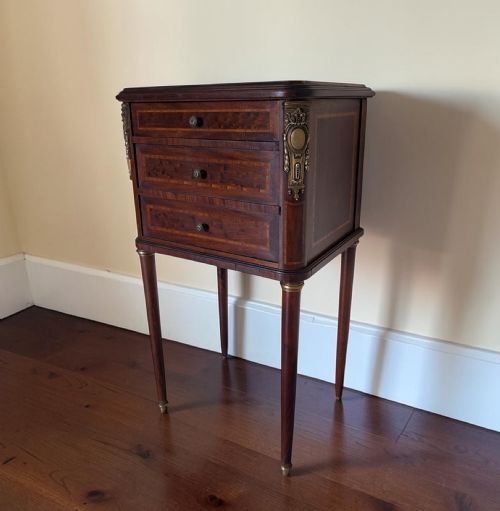
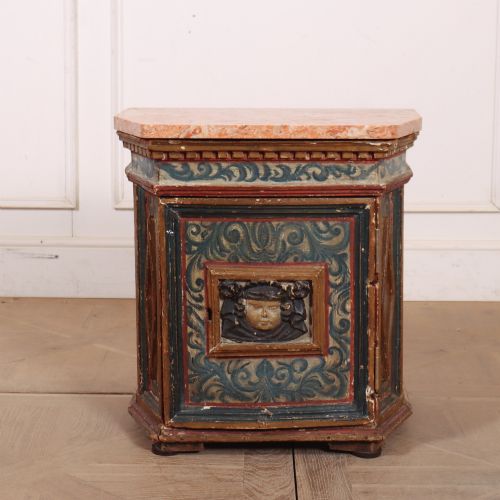
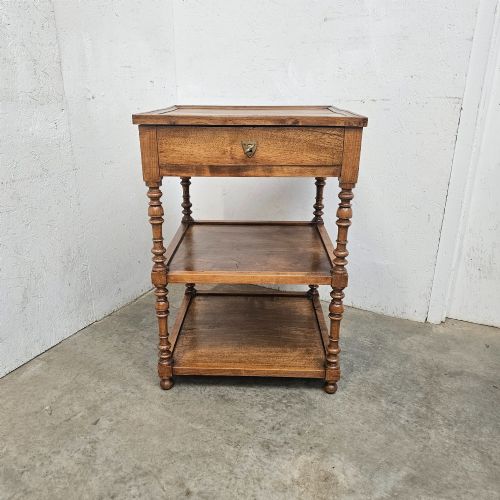
Carved Wooden Nightstand
These carved wooden nightstand pieces bring practical bedside storage and period character, ranging from Victorian oak to Georgian mahogany.
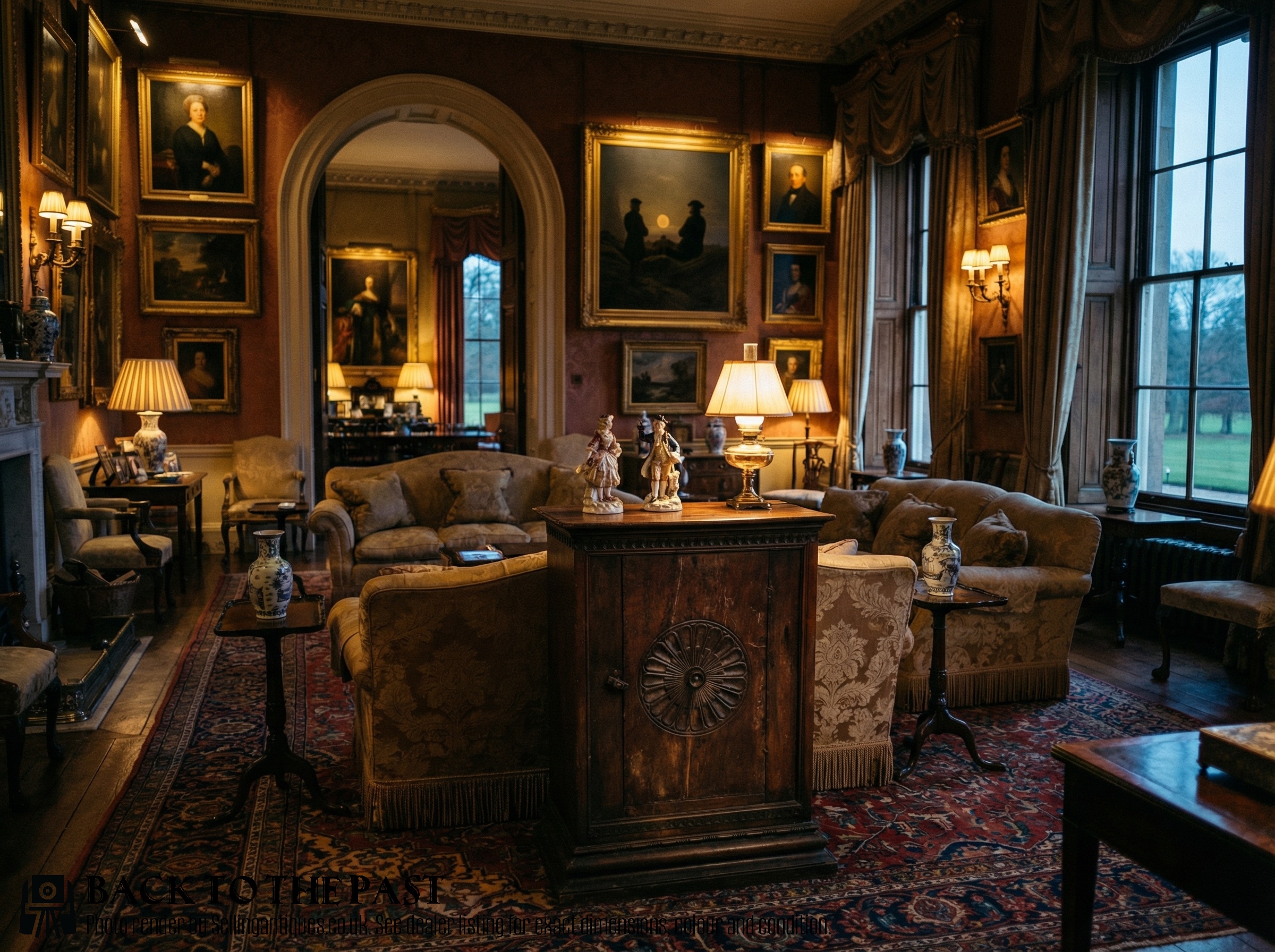
Carved Wooden Nightstand
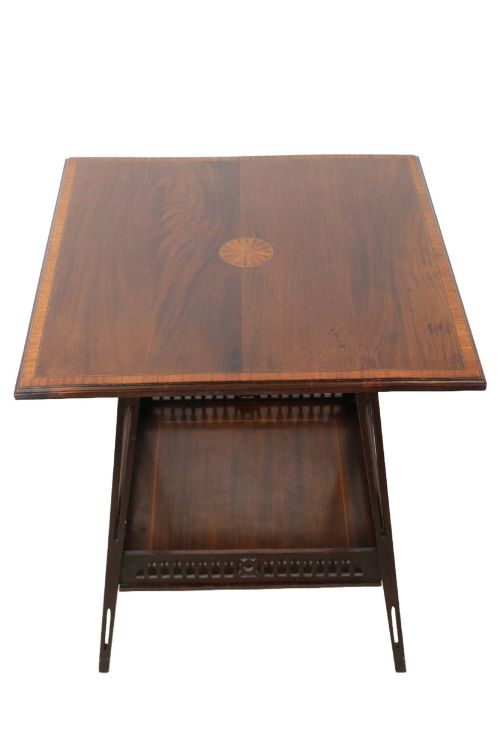
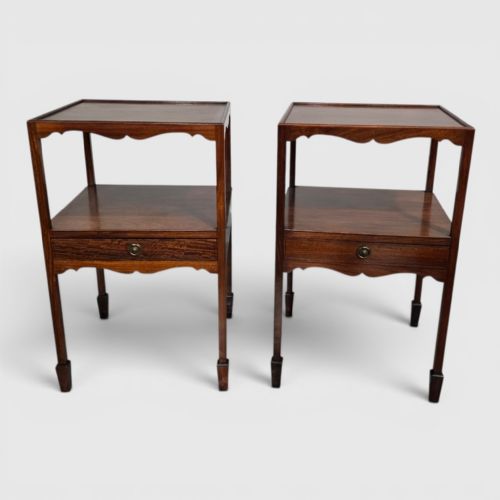
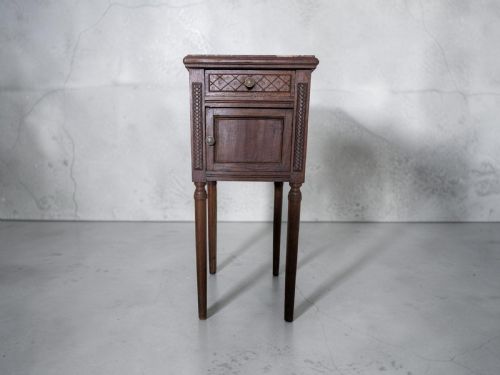
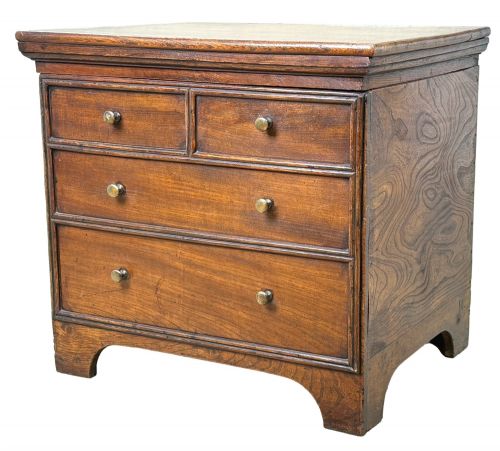
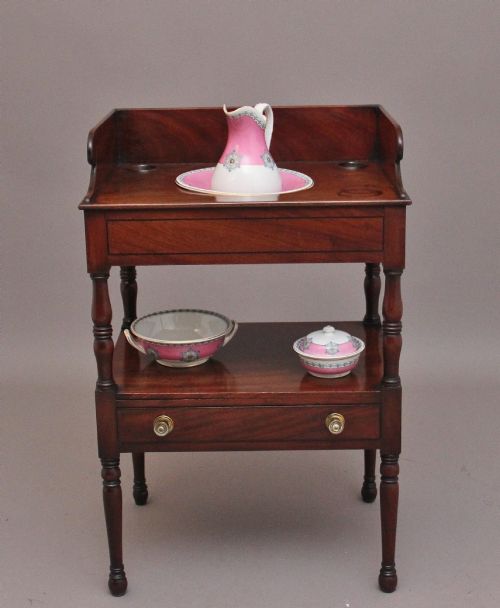
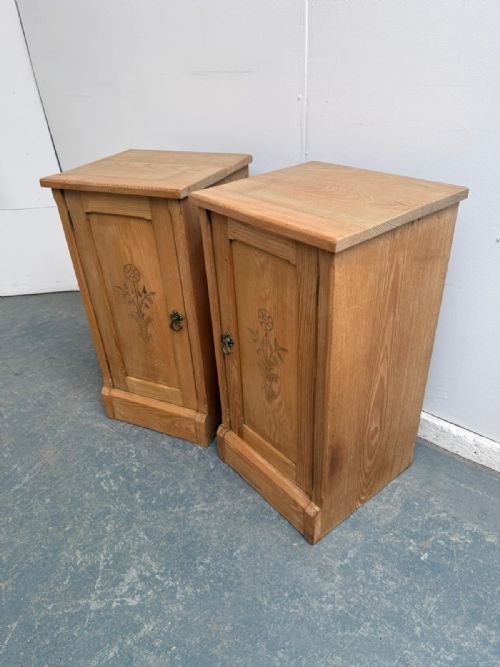
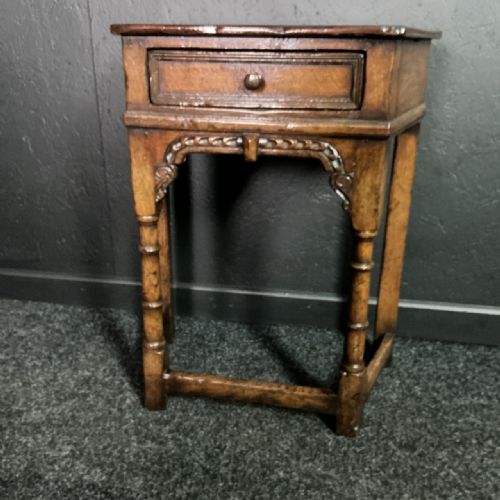
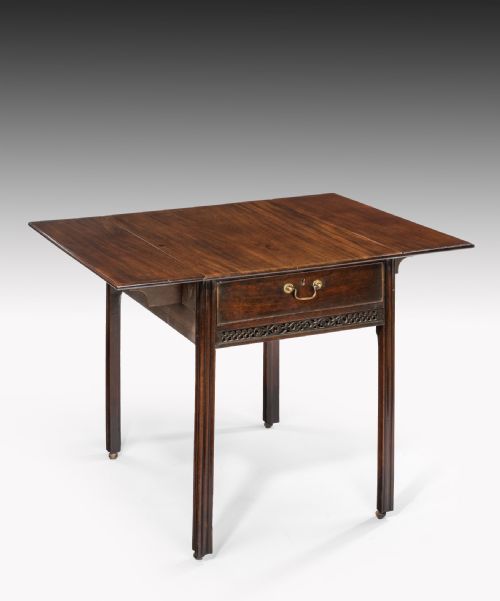
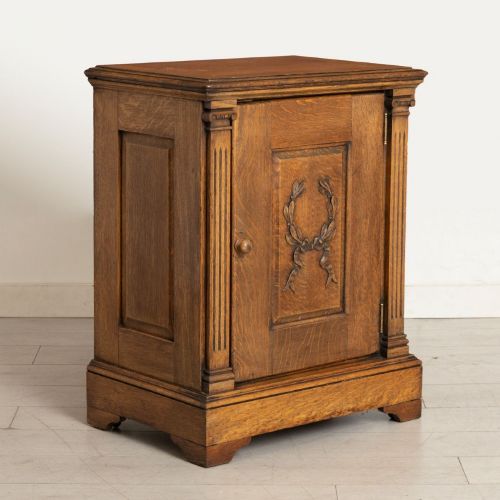
A carved wooden nightstand serves as a bedside companion for lamps and nighttime items, taking the form of cabinets, cupboards, and small side tables. When searching this phrase, buyers encounter pieces spanning the Georgian, Victorian, and Edwardian periods.
The selection includes bedside cabinets, pedestal cabinets, and pot cupboards alongside occasional tables. Many examples originate from English and French workshops, utilising timbers such as mahogany, oak, walnut, and ash.
How they were made
Cabinetmakers constructed these pieces using solid hardwoods like mahogany, oak, and walnut, frequently selecting figured burr walnut or satinwood for decorative surfaces. Joinery involved traditional methods suited to supporting heavy marble tops and panelled doors.
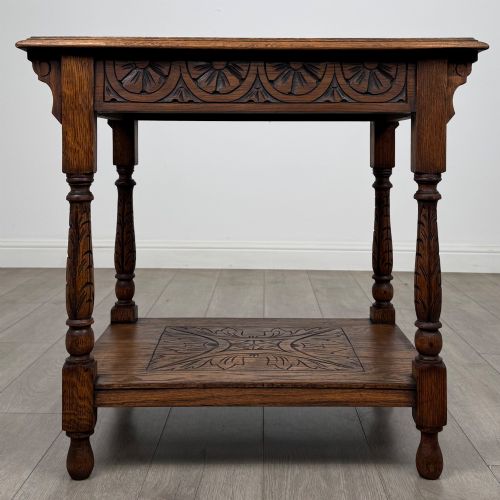
Carving was applied to drawer fronts, cupboard doors, and legs, reflecting styles from Gothic Revival to French Provincial and Arts and Crafts. Hardware typically included brass handles and hinges that complemented the timber's grain.
Listings feature woods such as mahogany, oak, walnut, ash, elm, and pine, spanning periods from the 18th century through to the 1930s.
What varies in quality
The distinction between standard utility pieces and finer examples lies in the selection of timber and the crispness of the carved details. Figured veneers, well-matched mahogany grains, and substantial marble tops elevate a cabinet's presence.
Construction methods also separate the grades, with superior items exhibiting dovetail joints, original brass hardware, and maker stamps from firms like Heal's or Gillows. The depth and execution of the carved ornamentation determine the piece's artistic merit.
Trevor Page & Co·Heals·Gillows
The Carved Wooden Nightstand Glossary
- Pot cupboard
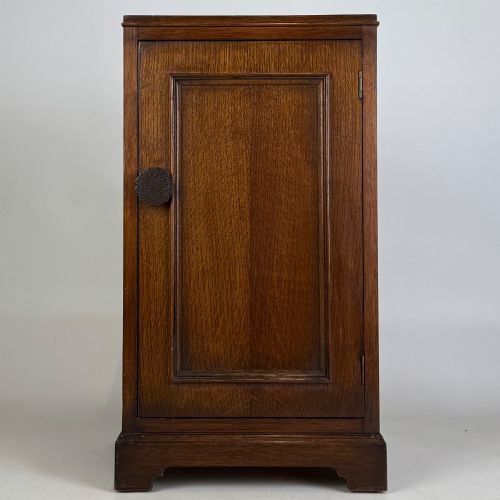
- A small bedside cabinet originally designed to house a chamber pot behind a single door. These compact pieces date frequently to the Victorian and Edwardian eras.
- Pedestal cabinet
- A tall, single-door bedside cupboard standing on a plinth base. They offer enclosed vertical storage for bedroom essentials.
- Gothic Revival
- A nineteenth-century design style drawing on medieval architectural motifs. Pieces feature pointed arches, heavy linenfold panels, and robust carved oak.
- Side table
- A small occasional table used for placing lamps or books beside a bed. They appear with drawers, drop leaves, or open lower shelves.
- Burr walnut
- A prized timber veneer showing swirling, knotty grain patterns formed by growth growths on walnut trees. It was favoured for high-status Victorian cabinet doors.
Carved Wooden Nightstand: Frequently Asked Questions
What is a carved wooden nightstand used for?
These pieces function as bedside storage for books, lamps, and personal items, keeping necessities within reach.
Historically, enclosed cabinets often held chamber pots or washing equipment before modern plumbing became standard in bedrooms.
How do I date a carved wooden nightstand?
Dating relies on identifying the primary timber, construction techniques, and decorative style relative to known periods.
Victorian pieces often use heavy mahogany or carved oak, while Edwardian examples show lighter satinwood inlay and Arts and Crafts influences.
Are these nightstands sold in pairs?
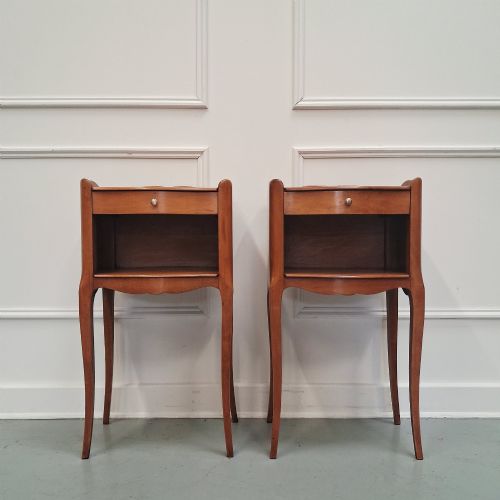
Many listings offer matching pairs of bedside cabinets, particularly those originating from French and English Victorian homes.
Single tables also appear frequently, allowing buyers to mix pieces or furnish a single bedside space.
How do I care for antique wood furniture?
Maintain timber surfaces by applying quality wax periodically and avoiding placement near direct heat sources or strong sunlight.
Marble tops require gentle cleaning with mild, non-acidic soap to preserve the stone's polish and prevent staining.