
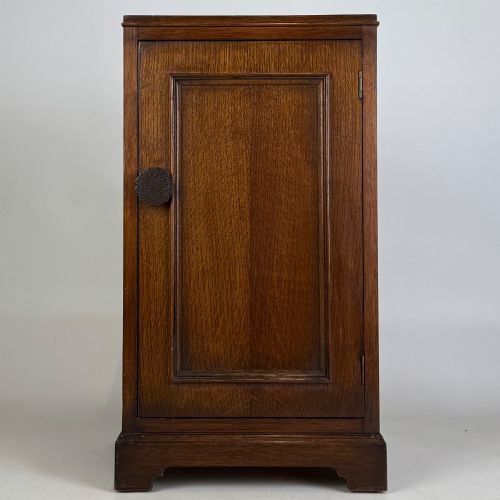
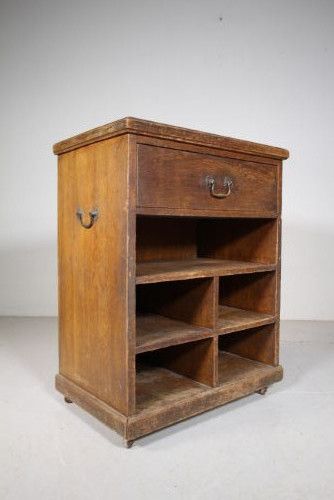
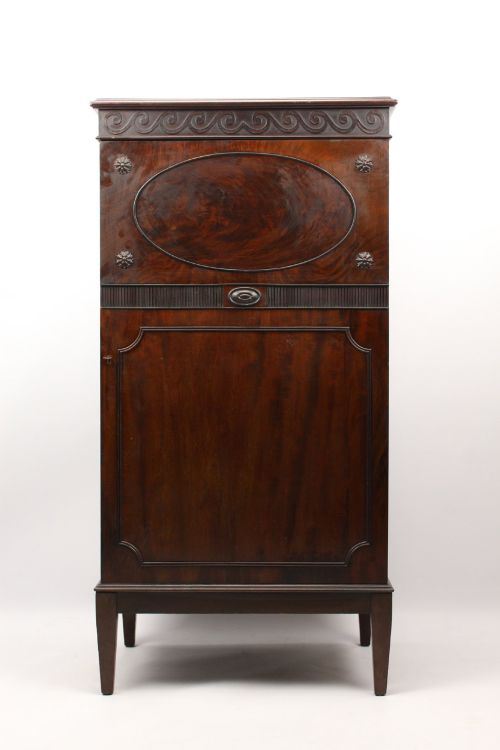
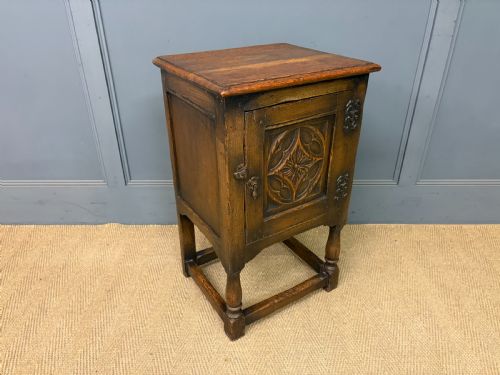
Antique Pedestal Storage Cupboard
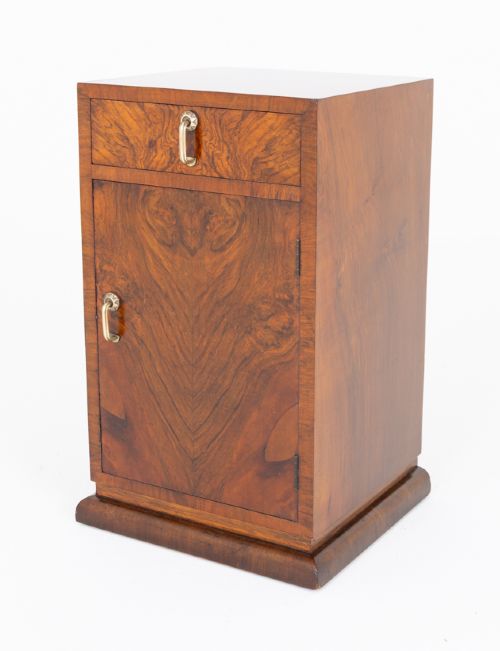
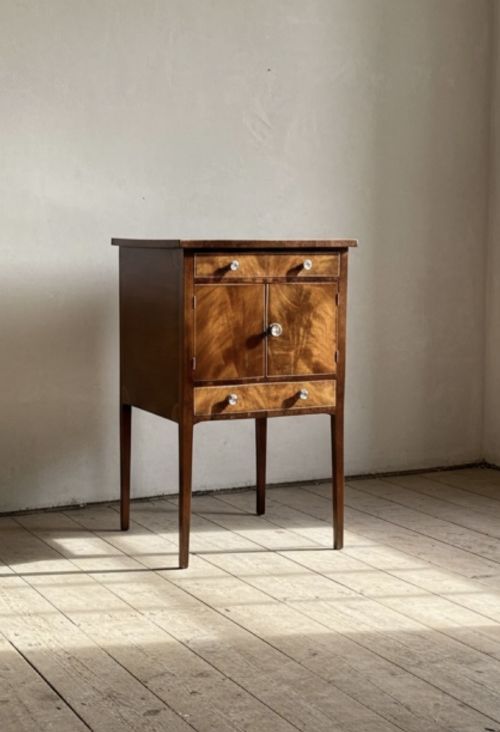
An antique pedestal storage cupboard brings compact, enclosed storage to a room with upright proportions and period timber.
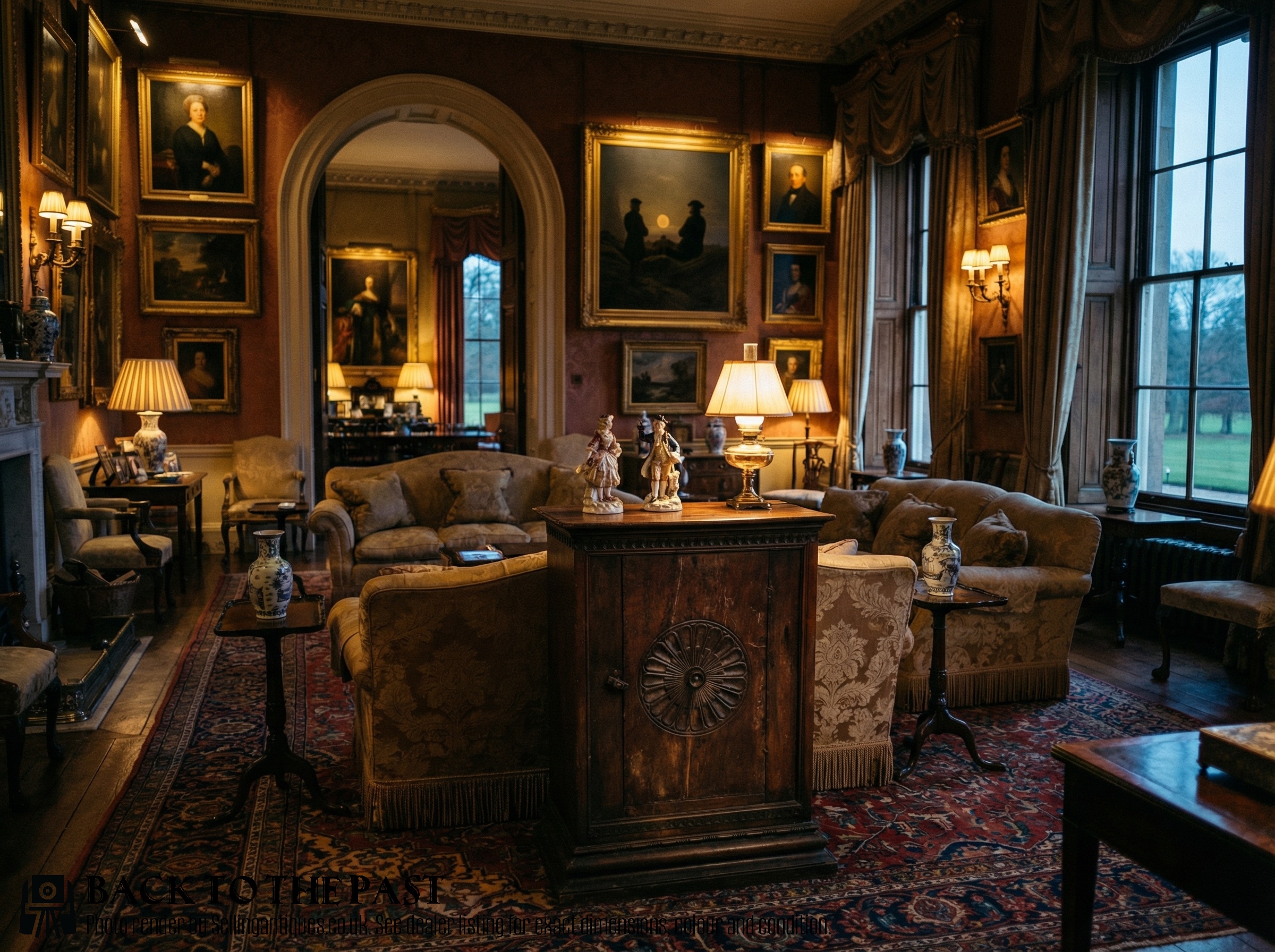
Antique Pedestal Storage Cupboard
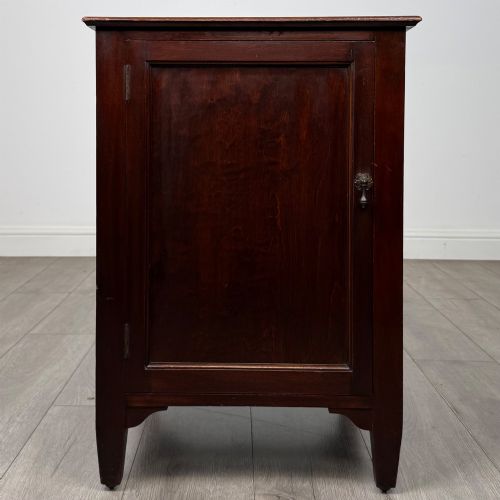
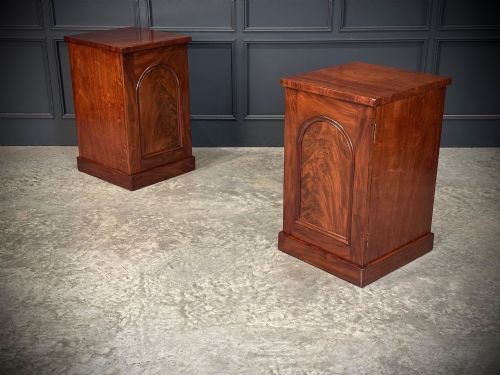
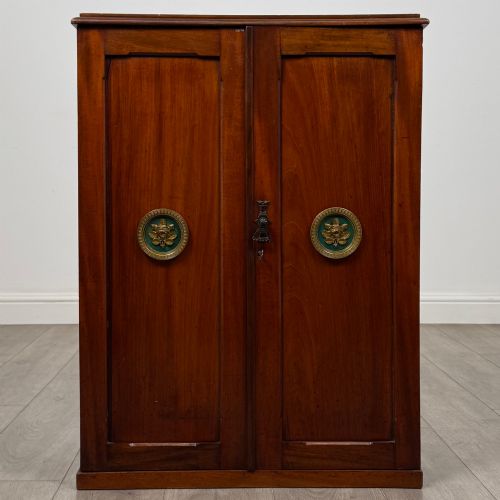
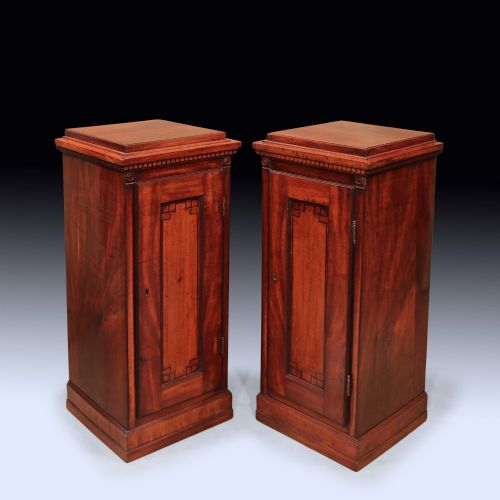
An antique pedestal storage cupboard provides vertical storage space on a compact footprint, making it suitable for bedside use or smaller rooms. The pieces gathered under this heading include Victorian and Edwardian examples alongside earlier Regency and William IV forms.
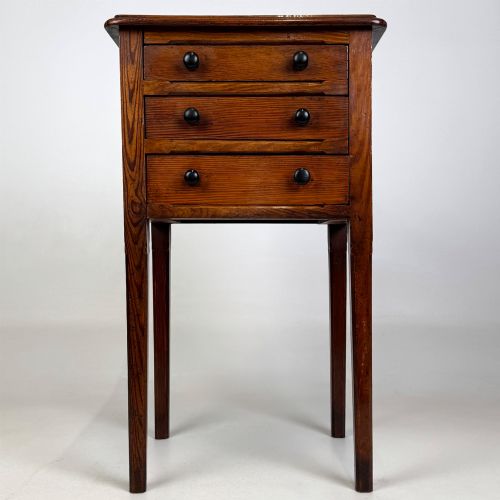
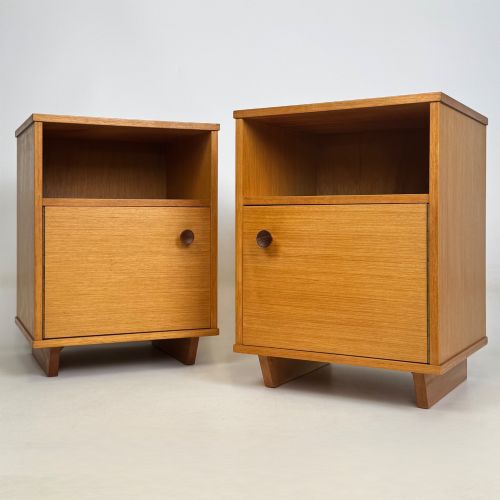
Most entries function as bedside cabinets, side cabinets, or pot cupboards with single doors enclosing fitted interior shelves or space. Buyers frequently encounter single pieces and matched pairs executed in mahogany, walnut, or oak.
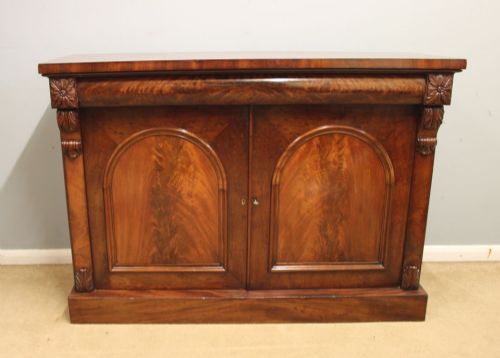
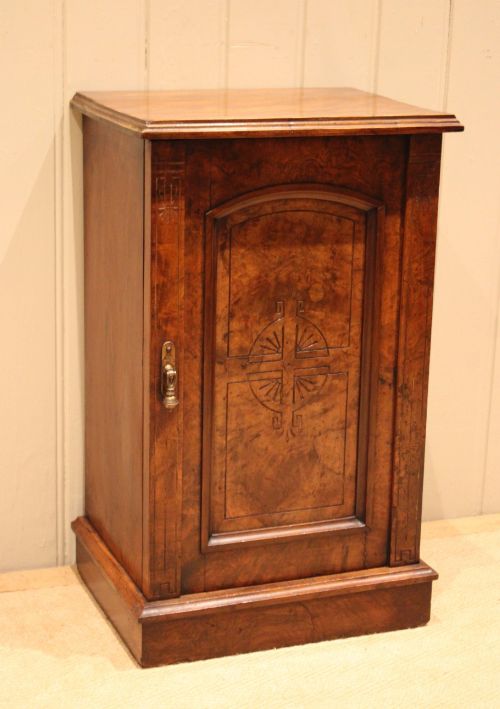
The selection extends from plain utilitarian oak storage to figured burr walnut and flame mahogany examples displaying refined period details. Makers utilised these vertical proportions to maximise storage capacity without dominating the floor space of a chamber.
Materials and construction
Cabinet makers relied primarily on solid hardwoods such as mahogany, oak, and walnut, frequently applying figured veneers like flame mahogany or burr walnut to primary surfaces. Secondary timbers lined the interiors and drawer carcasses while brass fixtures provided functional handles and hinges.
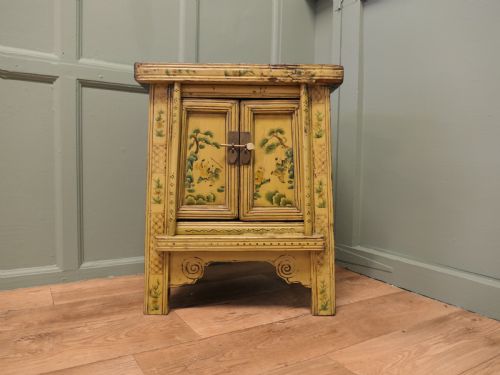
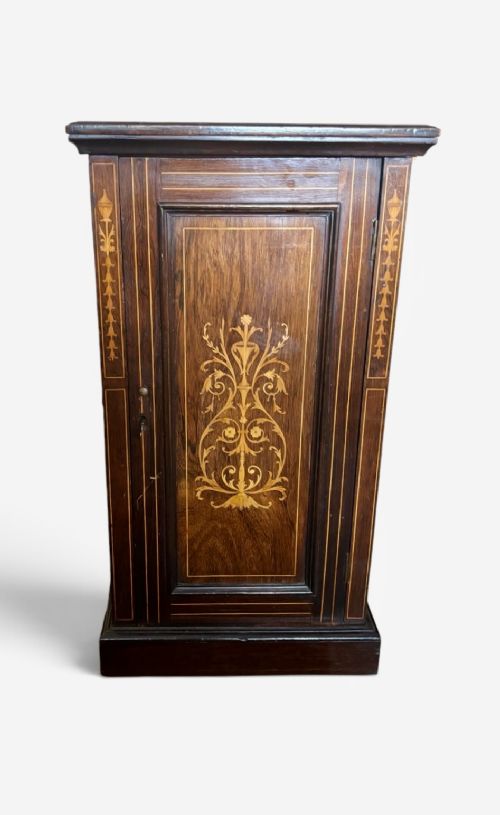
Construction techniques combined traditional dovetailed drawer boxes with frame and panel door assemblies designed to accommodate timber movement over decades of use. Inlaid details incorporated contrasting woods such as satinwood and ebony, while specialised pieces featured hand-painted Chinoiserie decoration or bleached finishes.
Several Victorian examples doubled as discreet pot cupboards, hiding chamber pots behind neatly panelled doors before modern plumbing arrived.
Evaluating the craftsmanship
Quality reveals itself in the selection of timber figures, where book-matched flame mahogany or burr walnut veneers demonstrate careful material planning by the maker. The crispness of carved mouldings and the precision of inlaid stringing separate standard utility pieces from high-status commissions.
Internal joinery and the retention of original brass hardware, locks, and turning indicate the integrity of a piece. Superior examples maintain stability in their plinth bases or bracket feet, showing no undue distortion across the upright pedestal structure.
Denby & Spinks·Harry and Lou Epstein·Simpson Halifax
The Antique Pedestal Storage Cupboard Glossary
- Pedestal cabinet
- A freestanding vertical storage unit typically supported on a plinth base or short legs with a single door enclosing interior shelving.
- Burr walnut
- A highly figured timber veneer harvested from walnut tree growths, prized for its swirling, organic grain patterns.
- Flame mahogany
- A decorative veneer cut from specific sections of mahogany logs that produces a distinctive flickering flame effect.
- Chinoiserie
- European decorative style imitating Chinese artistic traditions, often executed in painted or lacquered surface designs.
- Wellington chest
- A tall, narrow chest of drawers secured by a hinged locking side pilaster, appearing in nineteenth-century forms.
Antique Pedestal Storage Cupboard: Frequently Asked Questions
What is an antique pedestal storage cupboard used for?
These pieces primarily served as bedside cabinets or pot cupboards to keep personal items concealed within a bedroom or dressing room. Their upright form allowed them to fit tightly beside a bed while offering enclosed shelf space.
Today they function effectively as bedside tables, lamp stands, or small side storage units in tight hallway and living spaces.
How do I date an antique pedestal cupboard?
Dating relies on observing the primary timber, construction methods, and stylistic cues present in the mouldings and feet. Regency and William IV pieces often display heavier architectural plinths and rich rosewood or mahogany grains.
Victorian and Edwardian examples introduce lighter satinwood inlays, pitch pine, or specific regional workshop stamps that narrow down their decade of origin.
Are pairs of pedestal cupboards common?
Makers frequently produced matched pairs to flank a bed or sit symmetrically within a formal chamber interior. Finding a matching pair involves comparing the grain alignment, dimensions, and internal configurations.
Single cupboards remain widely available for buyers seeking a standalone accent piece for a corner or alcove.
How do I care for timber veneer surfaces?
Period veneers require protection from direct sunlight and dramatic shifts in room humidity to prevent lifting or splitting. Regular dusting with a dry, soft cloth preserves the polished finish without chemical buildup.
Applying a traditional beeswax polish occasionally helps nourish old mahogany and walnut surfaces while maintaining their natural sheen.