
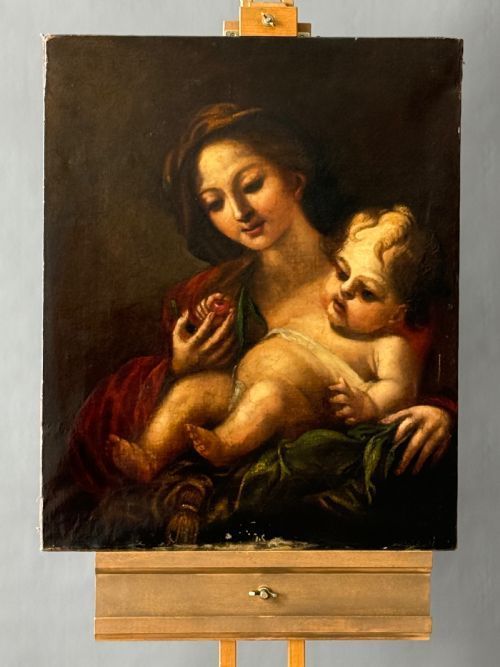
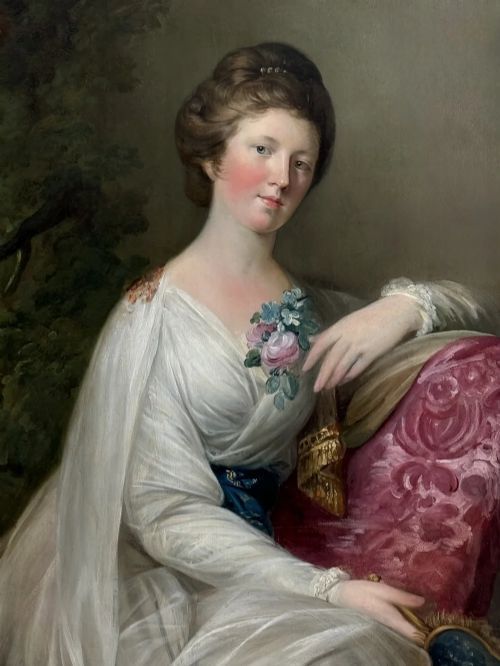
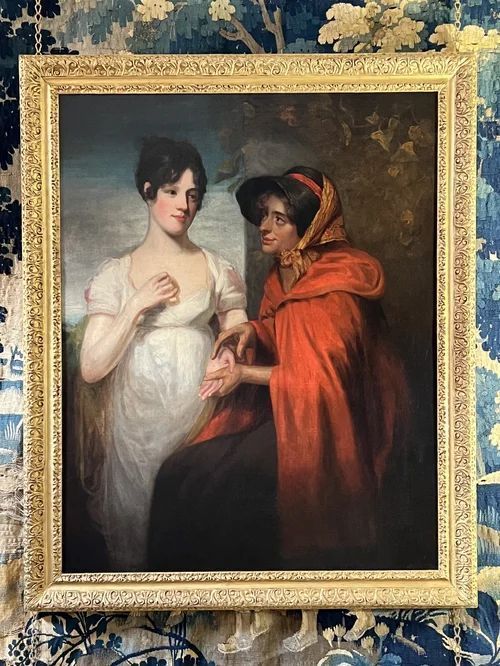
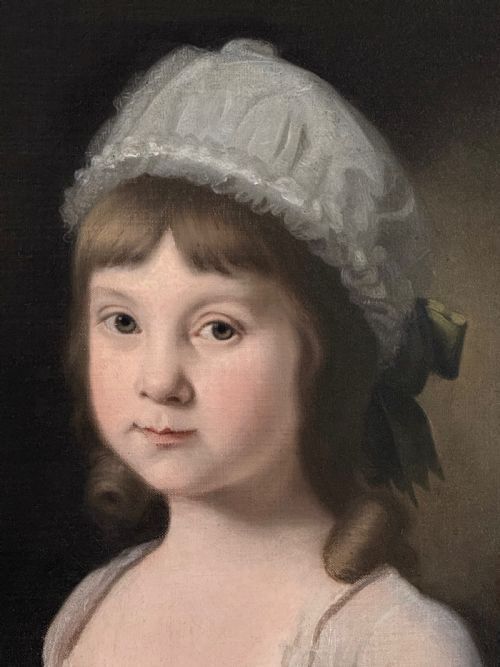
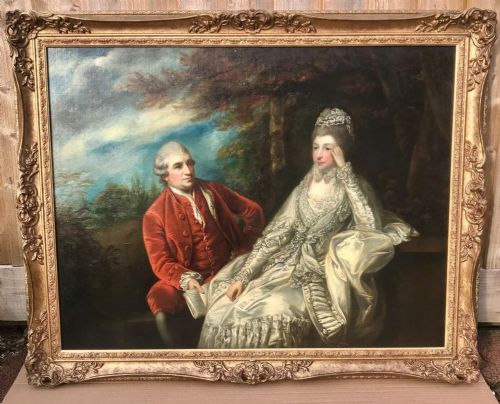
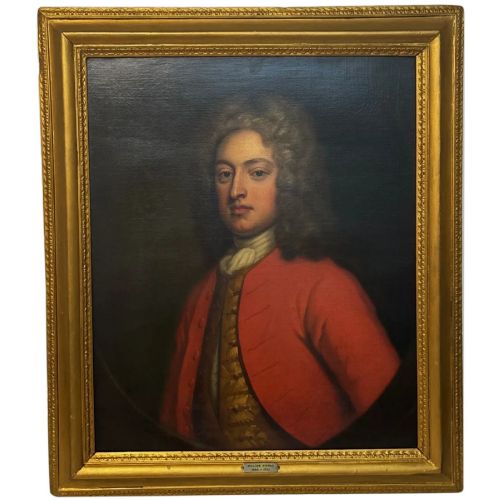
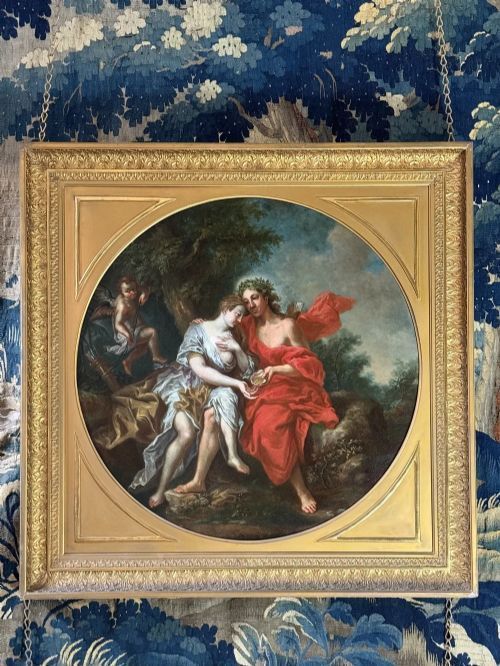
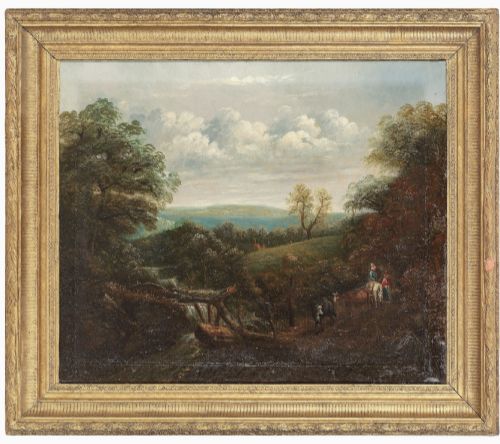
18th Century Oil Artwork
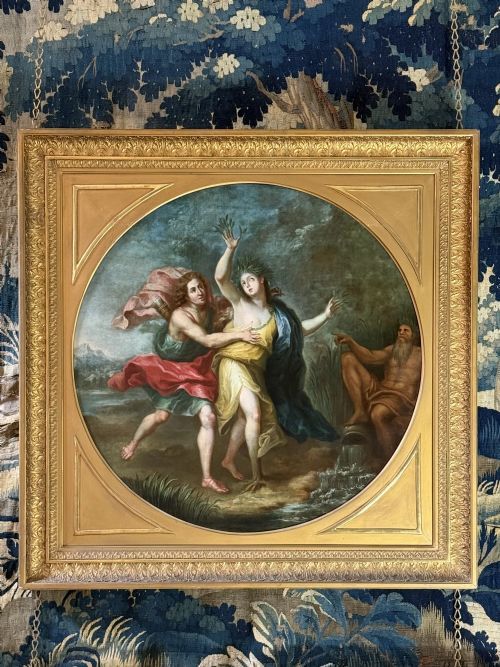
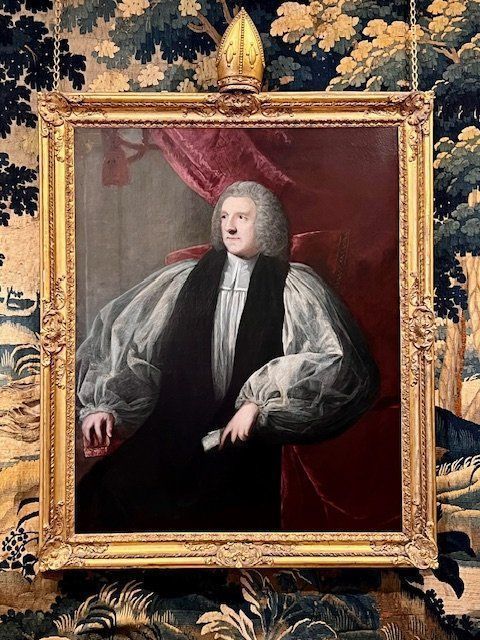
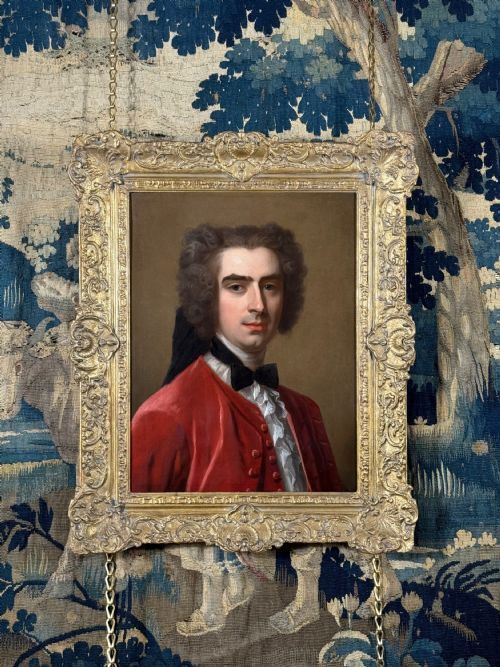
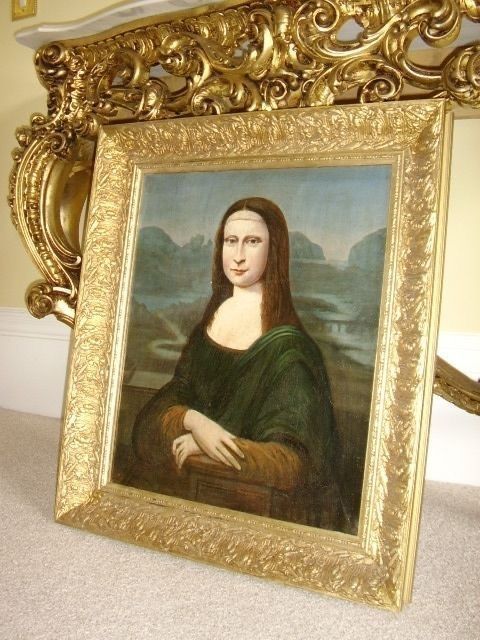
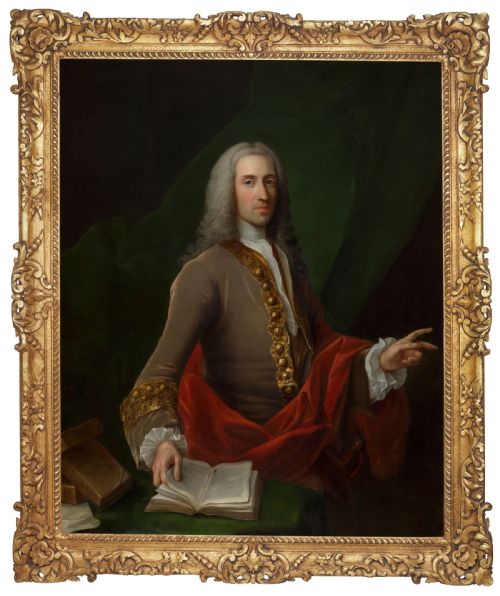
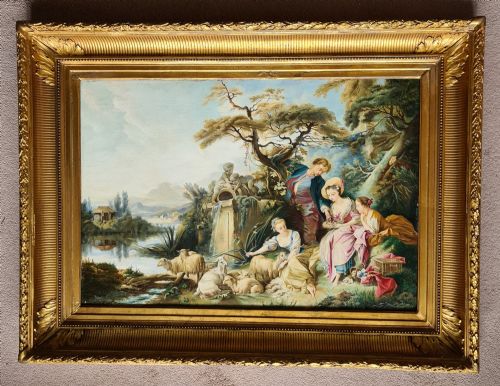
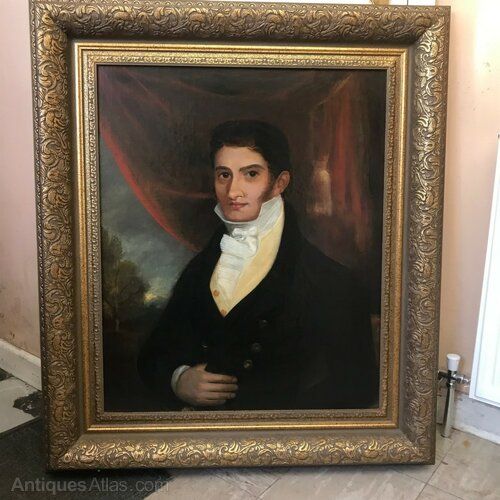
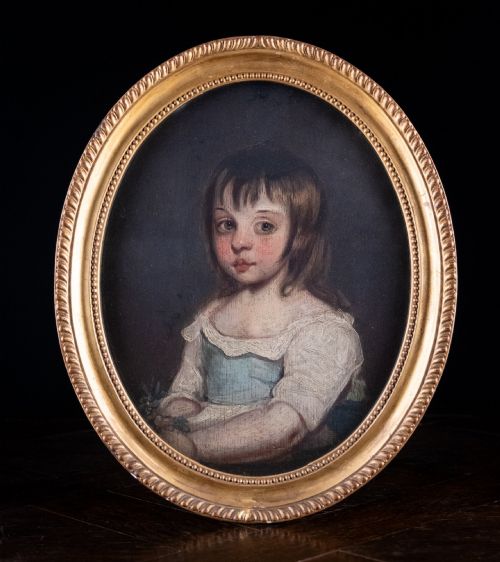
An 18th century oil artwork brings centuries of painted character, portraiture, and classical landscape into a room through rich oil on canvas and wood surfaces.
18th Century Oil Artwork
When you search for an 18th century oil artwork, you encounter historical portraits, classical mythology, genre scenes, and landscapes produced across European schools. These pieces span aristocratic likenesses, regional British and Scottish school works, and continental religious or Grand Tour subjects.
The version you are most likely to meet on this page is the oil on canvas portrait, frequently framed in giltwood or gilt wood. Subjects range from named gentlemen and ladies to anonymous country girls, elderly sitters, and figures from literature or mythology.
How they were made
Artists of the period applied oil paint onto stretched canvas or occasionally wooden boards, building up rich pigments to achieve depth in drapery and flesh tones. Canvases were secured within heavy wooden frames, often finished with giltwood surfaces that complemented the interior aesthetics of the era.
Execution relied on traditional studio practices, with works emerging from named masters, their circles, or broader regional schools across Britain, France, Italy, and Germany.
18th Century Oil Artwork Retail Price Guide 2026
Typical asking prices for 18th century oil artwork among the pieces listed under this phrase on Sellingantiques today, from the lower quarter to the upper quarter. They describe what is for sale here now, not the wider market.
Listings feature works spanning the seventeenth century through to the Edwardian era, with a strong concentration of Georgian portraiture.
What varies in quality
The distinction between standard decorative output and exceptional work rests upon the precision of brushwork and the psychological depth of the subject. Master hands captured individual likenesses and textural nuances in fabrics with far greater conviction than routine studio copies.
Preservation of the original paint surface and the integrity of the canvas support heavily influence the character of a piece. Retaining an authentic period frame also contributes significantly to the overall cohesion of the artwork.
Charles Antoine Coypel·Sir Joshua Reynolds·Jean Baptiste Van Loo·George Willison·John Opie·Jeremiah Davison·Benjamin Barker of Bath·Jacob Philipp Hackert·Charles Jervas
The 18th Century Oil Artwork Glossary
- Oil on Canvas
- A traditional painting medium where oil paint is applied to a woven fabric support stretched over a wooden frame. This combination allows for subtle blending of colours and long-term durability.
- Giltwood
- Wood carved and coated with a thin layer of gold leaf or gilt. It provides ornate, reflective framing for many period paintings.
- Old Master
- A term generally describing a European painter of skill working before about eighteen hundred. These works form a significant cornerstone of historical fine art collections.
- Genre Painting
- Depictions of everyday life and ordinary people engaged in common activities. Such scenes offer a contrast to formal portraiture and historical mythology.
- Grand Tour
- A cultural journey of Europe undertaken by wealthy young men in the eighteenth century. Resulting artworks typically captured continental landscapes and classical ruins.
18th Century Oil Artwork: Frequently Asked Questions
Are these paintings always on canvas?
Most examples utilise oil on canvas as the primary support, reflecting the standard practice of eighteenth-century artists and portraitists.
However, occasional pieces appear painted on wooden boards, demonstrating the varied preparation methods used across different European schools.
How do I identify a school?
Attributions to specific regional schools, such as the British, French, Italian, or German traditions, depend on stylistic conventions, subject matter, and archival records.
Dealer descriptions often reference these stylistic groupings when the specific hand of the artist remains unrecorded.
What is a studio circle piece?
Works attributed to the circle or studio of a master painter denote pieces created by artists working under direct influence or supervision.
These paintings share the technical vocabulary and aesthetic qualities of the primary master while offering historical insight into period workshop practices.
How should I hang an oil painting?
Displaying these works requires stable indoor environments away from direct sunlight and excessive humidity fluctuations to protect the canvas and oil pigments.
Securing the heavy giltwood frames safely to appropriate wall anchors ensures the physical safety of both artwork and mount.