

18th Century Canvas Portraits
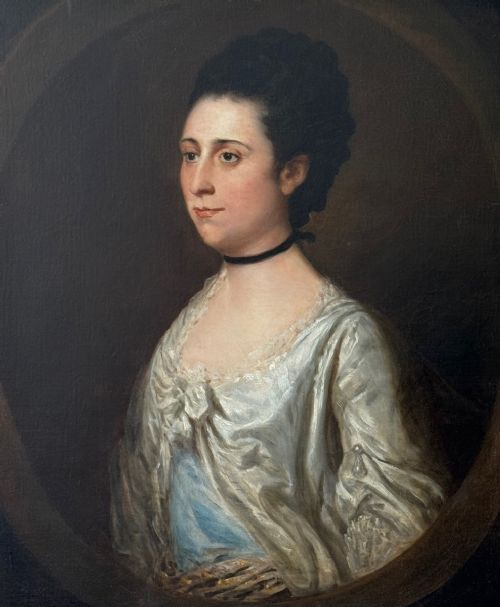
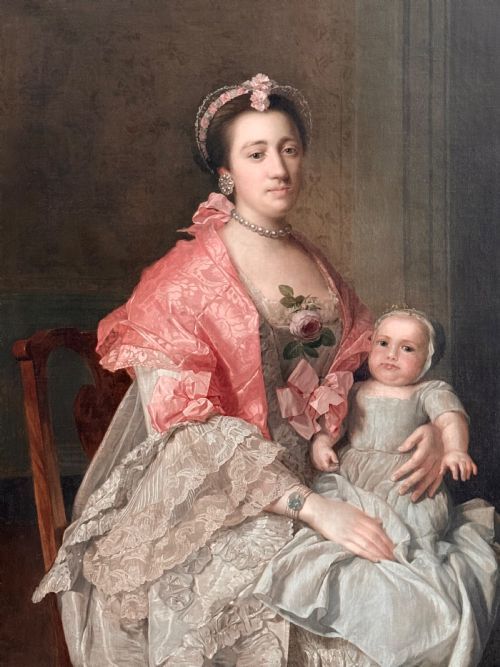
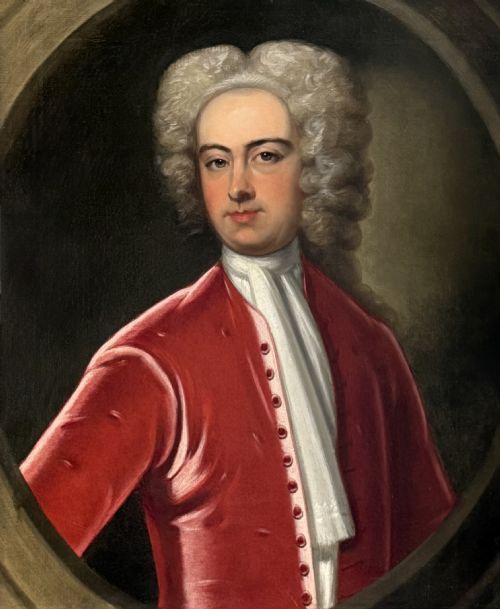
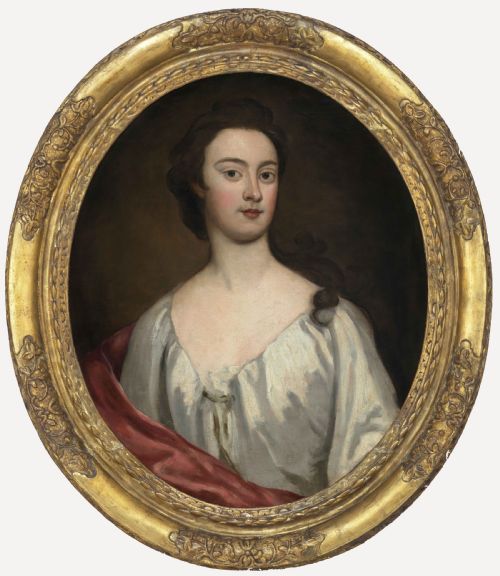
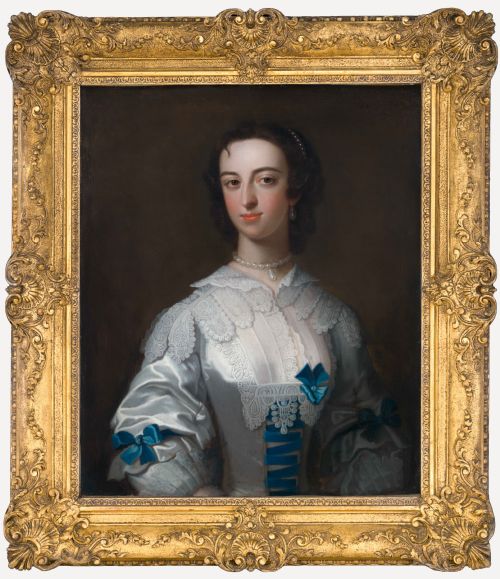
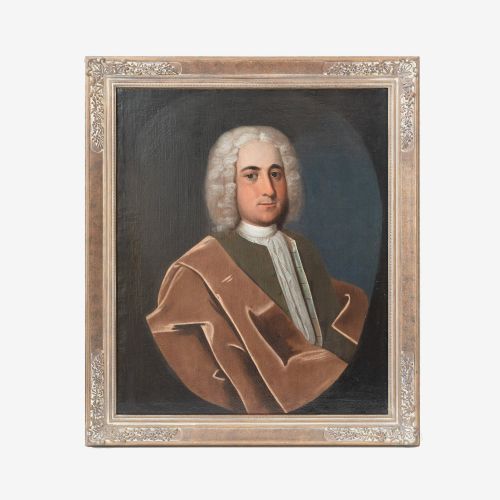
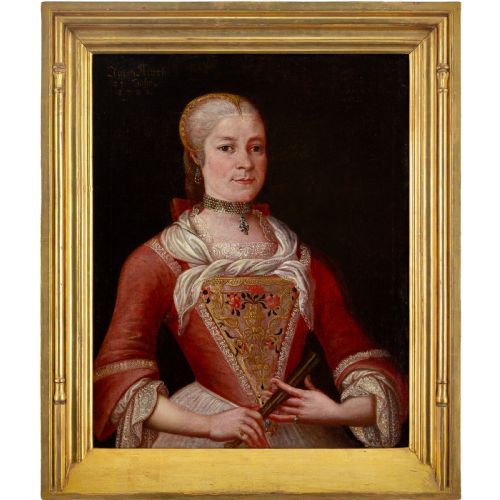
18th century canvas portraits capture historical subjects and society figures in oil paint, offering collectors direct visual links to past eras.
18th Century Canvas Portraits
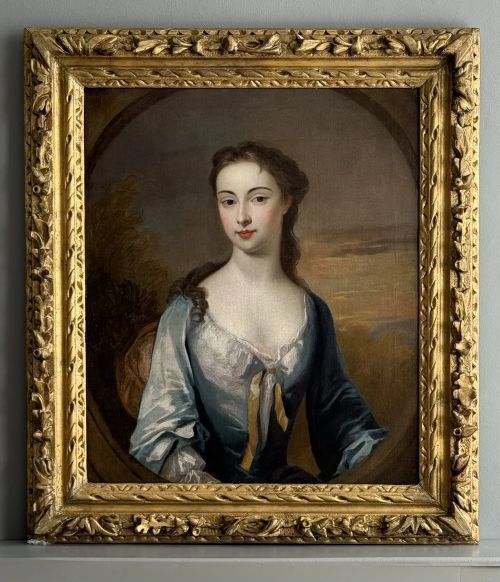
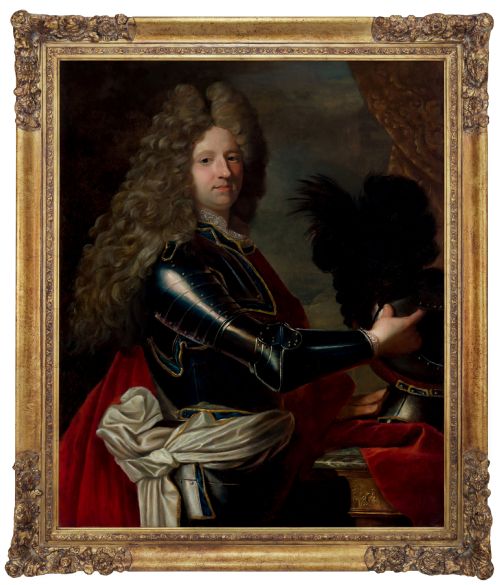
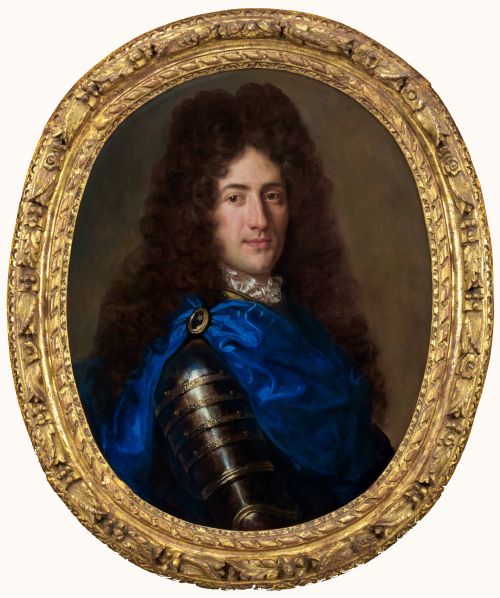
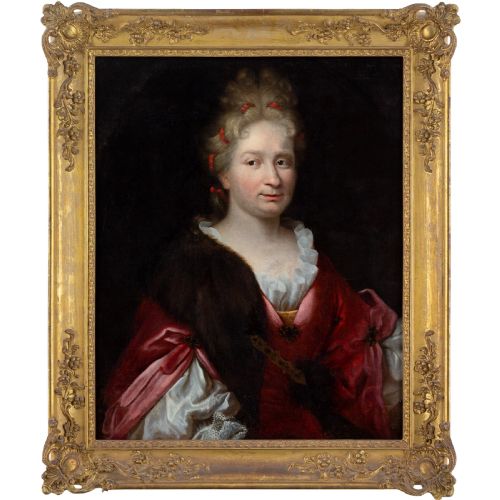
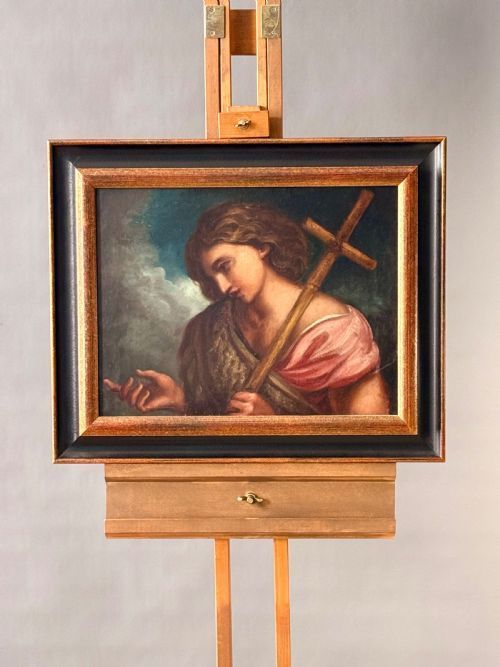
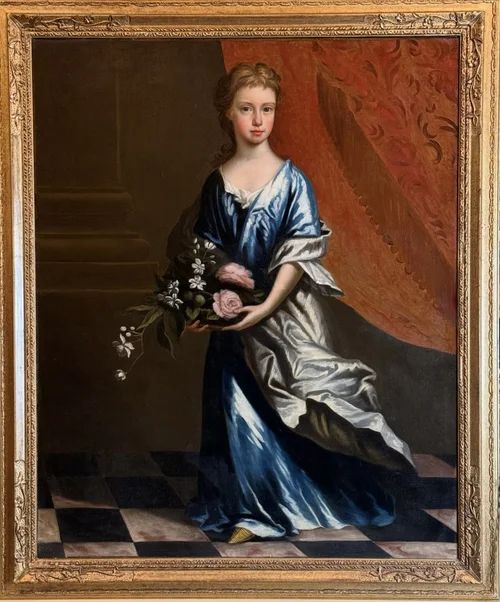
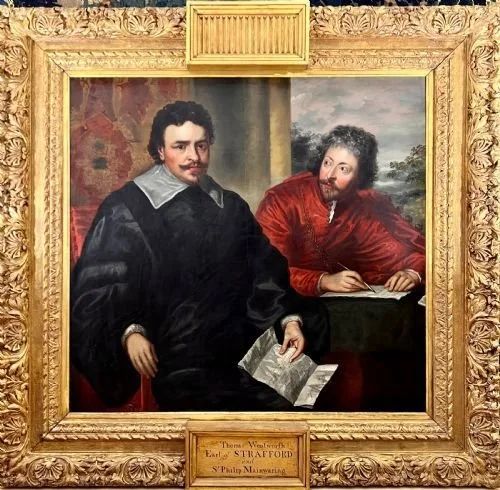
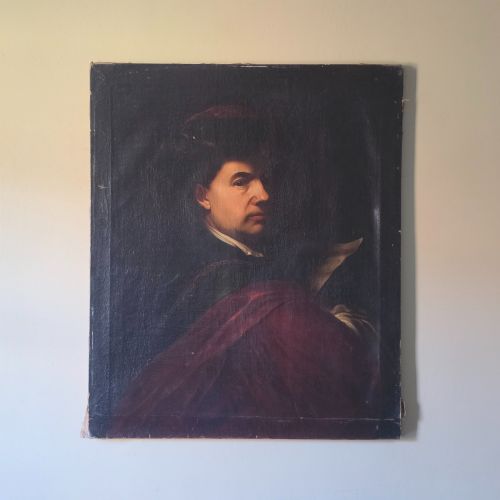
Buyers examining 18th century canvas portraits encounter oil paintings depicting named sitters, anonymous ladies and gentlemen, officers, and classical subjects. These fine art pieces span British, French, and Italian schools, reflecting the portraiture traditions of the Georgian period and the wider 18th century.
The selections on this page range from studio works and circle pieces to creations attributed to named masters. Most pieces utilise oil on canvas as their primary medium, often presented in period frames of giltwood or wood.
Subjects include nobility, military captains, clergy, and country girls, recorded by artists working across Britain and continental Europe. Collectors find both single works and pairs reflecting Baroque, Rococo, and Classical styles.
Materials and Construction
These works rely on oil paint applied to woven canvas supports, a pairing that allowed artists to build rich layers of colour and fine detail. Painters utilised natural pigments bound in oil, creating durable surfaces that have survived across the centuries.
Canvases are stretched over wooden frames and frequently housed within complementary giltwood or wood surrounds. The physical structure combines textile supports with traditional joinery in the accompanying frames.
Several portraits capture sitters posing with everyday accessories, including orange trees and scarlet jackets.
Assessing Quality and Execution
Quality in these portraits rests upon the skill of the brushwork, the accuracy of facial modelling, and the handling of textiles and light. Works by primary masters or established studio circles exhibit greater anatomical precision and psychological depth than provincial or decorative copies.
The condition of the oil paint and canvas surface, along with the originality of the framing materials, influences the integrity of the piece. Superior examples retain their original pigments and tension without heavy overpainting.
Charles Jervas·Sir Joshua Reynolds·Jean-Baptiste Van Loo·George Willison·John Opie·Jeremiah Davison·Michael Dahl·Thomas Murray·Lemuel Francis Abbott·Stickland Lowry·Thomas Beach·Charles-Antoine Coypel·John Wootton·Thomas Hudson·Charles D'Agar·Allan Ramsay·Robert Byng·Sir William Beechey
The 18th Century Canvas Portraits Glossary
- Oil on Canvas
- A painting medium where pigments suspended in drying oils are applied to a stretched woven fabric support. This combination provides flexibility and allows for deep, luminous colour blending.
- Giltwood
- Wood carved and coated with a thin layer of gold leaf or gold paint. It frequently frames fine art and decorative objects from the period.
- Old Master
- A term for a European artist of high skill working before about eighteen hundred. These painters set the standards for academic and portrait traditions.
- Studio of
- A designation indicating a work produced by assistants or pupils working under the direct supervision of a master artist. Such pieces often replicate popular compositions.
- Baroque
- An artistic style characterised by dramatic use of light, rich colour, and ornate detail. It dominated European art and architecture throughout the seventeenth and into the eighteenth century.
18th Century Canvas Portraits: Frequently Asked Questions
What is an 18th century canvas portrait?
These works are paintings created in oil on woven fabric during the seventeen hundreds, capturing likenesses of real individuals or classical figures.
They serve as historical records of fashion, status, and portraiture artistry from the Georgian era.
How do I identify the period of a portrait?
Dating relies on costume details, hairstyles, painting techniques, and the framing materials used alongside the canvas.
Signatures, inscriptions, and documentary provenance also help establish when a work was executed.
What does circle of an artist mean?
This label describes a painter who worked closely in the style of a master, often within the same workshop or artistic community.
These pieces reflect the direct influence and techniques of celebrated painters of the day.
How should I care for an oil painting?
Paintings require stable indoor humidity and protection from direct sunlight to preserve the oil pigments and canvas.
Dusting should be done gently with a soft, dry brush without applying liquid cleaners.