
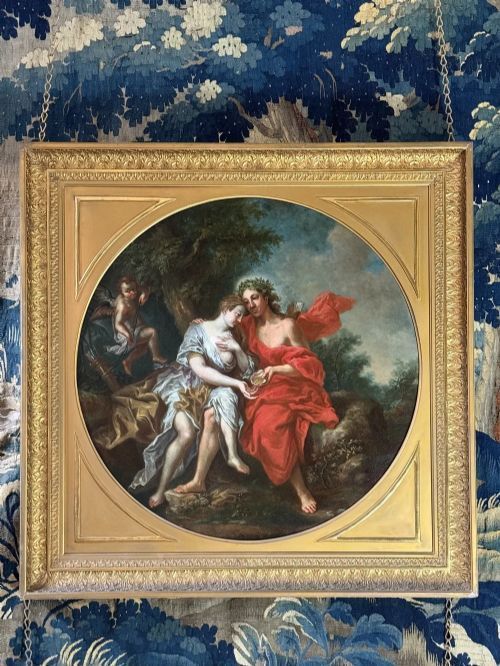
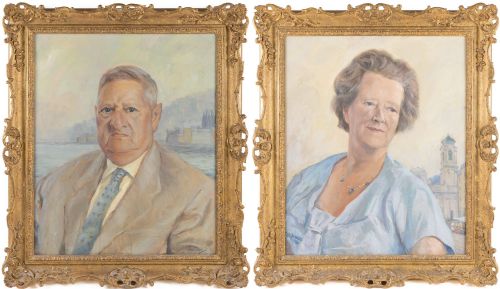
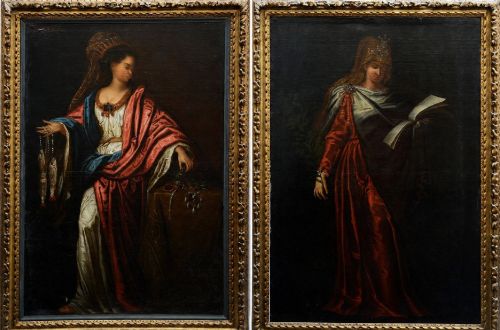
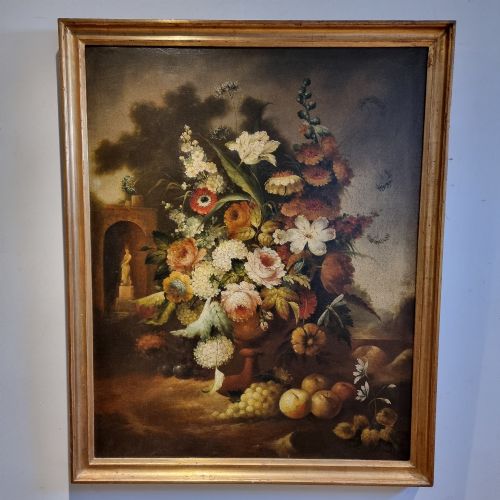
Pair Canvas Art
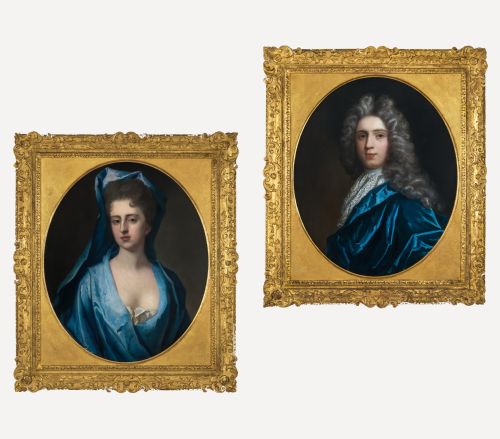
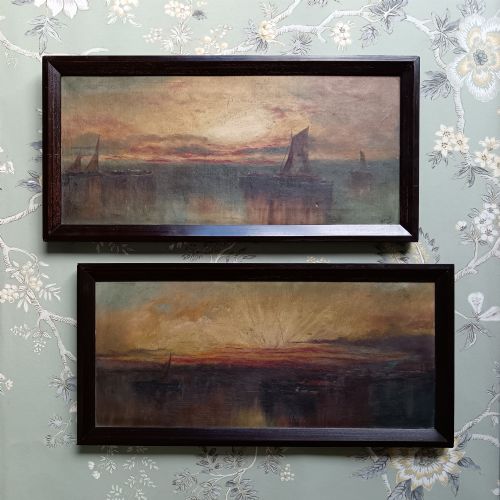
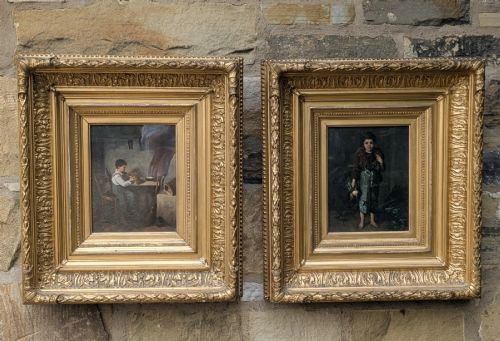
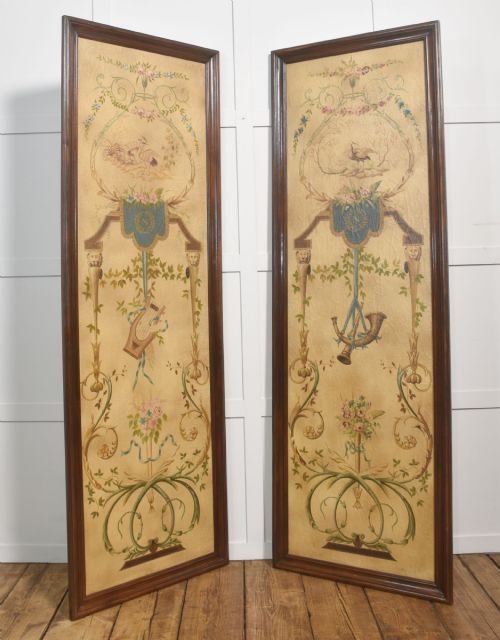
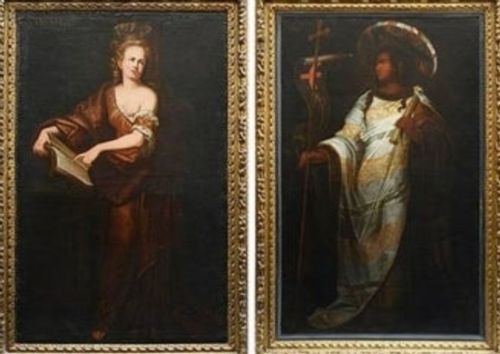
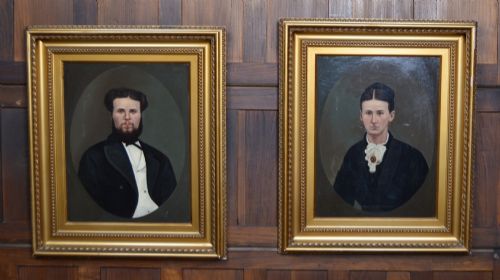
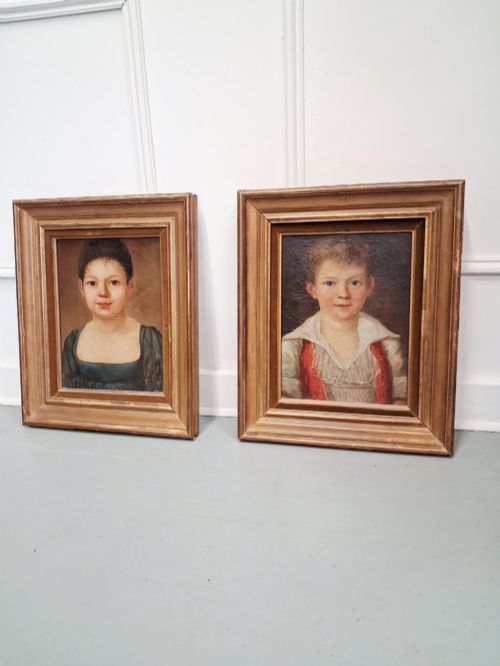
Pair antique canvas art brings together matching oil paintings stretched across fabric grounds, offering a balanced scheme of two complementary works.
Pair Canvas Art
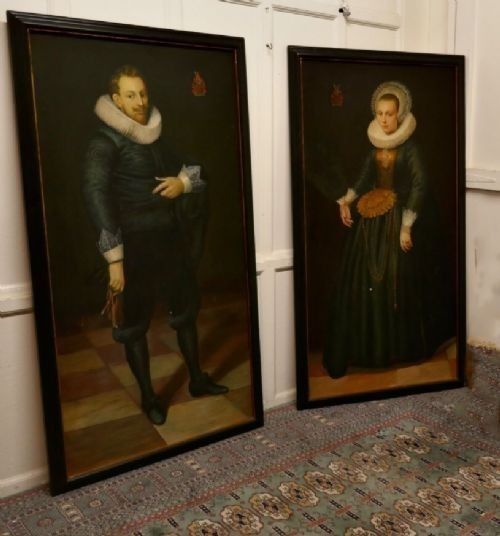
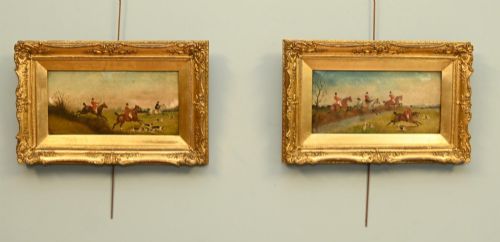
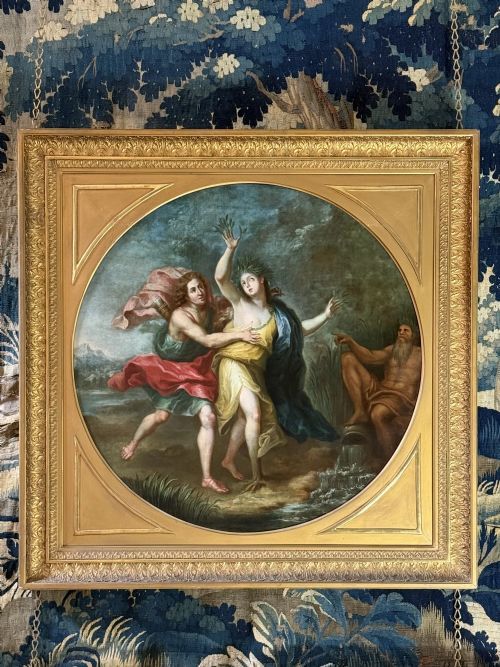
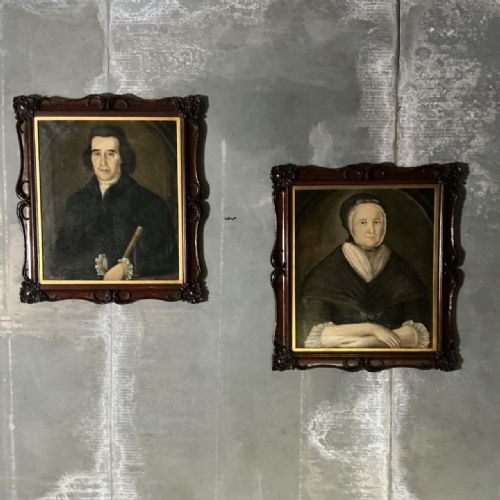
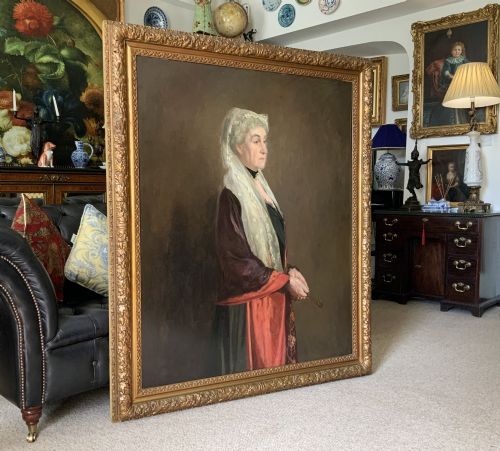
When searching for pair antique canvas art, collectors encounter matching oil paintings created as dual compositions, often depicting portraits, marine scenes, landscapes, and classical subjects. These works span centuries from the seventeenth through the early twentieth century, reflecting the periods of their creation.
The format most frequently met on this page involves nineteenth-century oil paintings on canvas, alongside eighteenth-century works and Edwardian pieces. These matching groups usually share uniform dimensions and frames, designed originally to hang symmetrically on either side of a fireplace, door, or architectural feature.
Materials and Construction Techniques
These pieces are built using oil paint applied to woven canvas stretched over wooden frames, which were often housed in giltwood or gesso surrounds. The artists worked pigments into the canvas grounds to achieve lasting depth and tone.
Subsequent framing utilised carved wood and applied gesso, frequently finished with gilding to complement the traditional interiors for which the artworks were commissioned.
Current listings feature oil on canvas works spanning from the seventeenth century through the Edwardian era, including portraits and landscapes.
Distinctions in Quality
The distinction between tiers of quality rests upon the skill of the brushwork and the anatomical or spatial accuracy demonstrated by the artist. Masterful handling of light, shadow, and expression elevates certain works above standard decorative studio output.
Preservation of the original canvas and the integrity of the paint layer also dictate the standing of a pair, alongside the survival of contemporary or period frames that match the age of the paintings.
Charles Antoine Coypel·Michael Dahl·Thomas Murray·Abraham Hulk I·Gustave De Bréanski
The Pair Canvas Art Glossary
- Canvas
- A heavy woven fabric, typically linen or hemp, used as a support surface for oil paintings.
- Giltwood
- Wood that has been carved and coated with a thin layer of gold leaf or gold paint.
- Gesso
- A plaster-like mixture applied to wooden frames or panels to prepare a smooth surface for gilding and ornamentation.
- Trompe l'oeil
- An artistic technique that uses realistic imagery to create the optical illusion that the depicted objects exist in three dimensions.
- Seascape
- A work of art depicting the sea, ships, or coastal views.
Pair Canvas Art: Frequently Asked Questions
How were matched pairs originally displayed?
Pairs of canvas artworks were traditionally hung symmetrically on opposite sides of a architectural feature, mantelpiece, or doorway in grand rooms.
This arrangement created visual balance and harmony across the interior wall space.
Can these paintings be cleaned safely?
Surface dust can be removed gently with a soft, dry brush, but deeper cleaning requires professional conservation.
Harsh liquids or improper cleaning methods risk damaging the fragile oil paint and canvas layers.
How do I identify the period of the canvas?
Dating relies on examining the weave of the canvas, the stretcher frame construction, and the style of the brushwork.
Signatures, artist records, and the style of the surrounding frame also provide reliable chronological markers.
Why were portraits painted as pairs?
Portraits were frequently commissioned as pairs to commemorate couples, family members, or matching historical and mythological figures.
Creating two complementary canvases allowed patrons to present balanced narratives or lineage within a household.