




Gold Gilt Framed Canvases
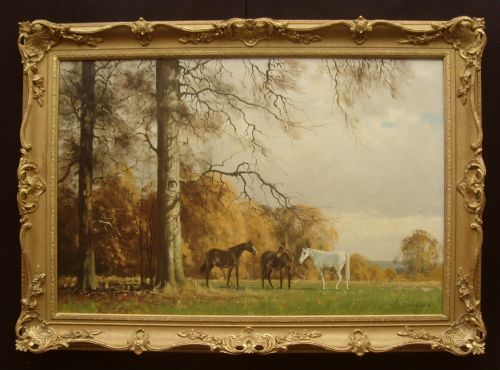
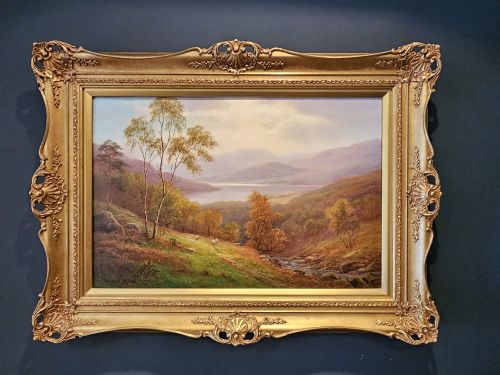
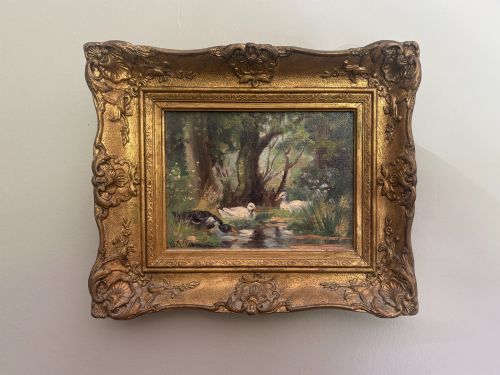
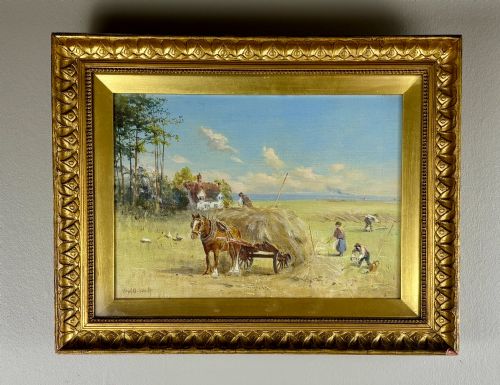
Gold gilt framed canvases bring together oil paintings on canvas and elaborate wooden surrounds finished in gold leaf, offering interiors a distinct historical focal point.
Gold Gilt Framed Canvases
Gold gilt framed canvases encompass oil paintings on canvas housed within decorative wooden surrounds finished with gold leaf or metallic application. When exploring gold gilt framed canvases, buyers typically encounter works spanning from the seventeenth century through to the mid-twentieth century.
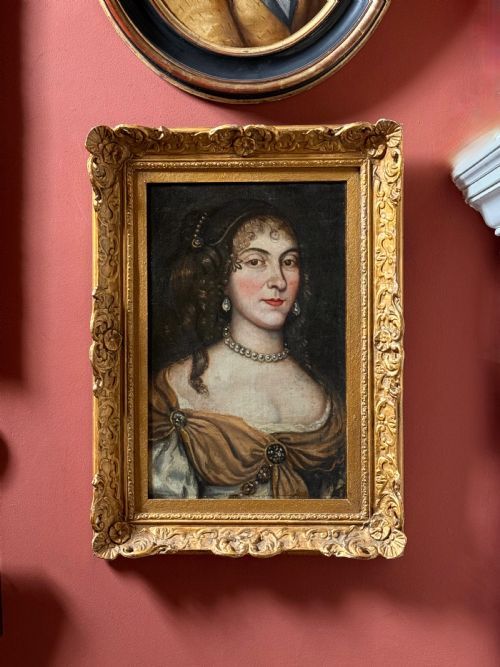
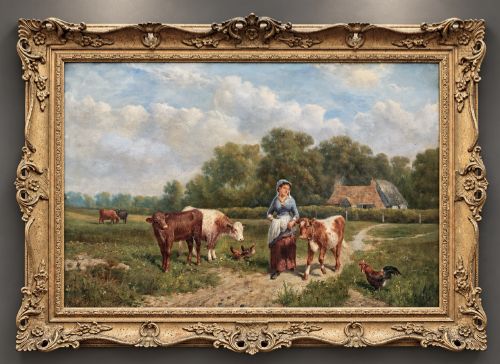
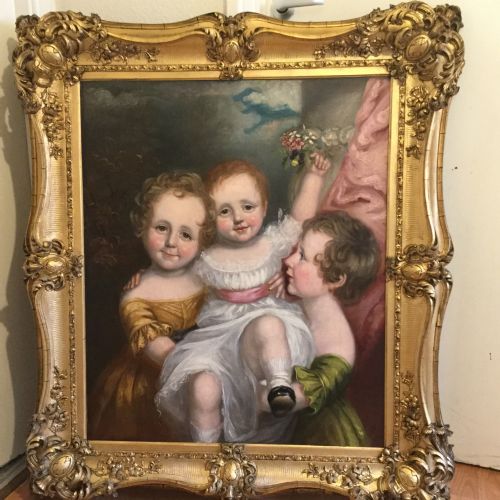
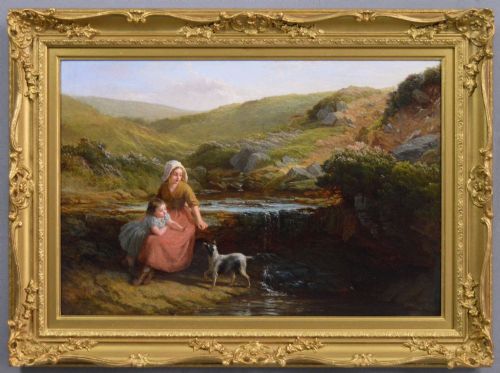
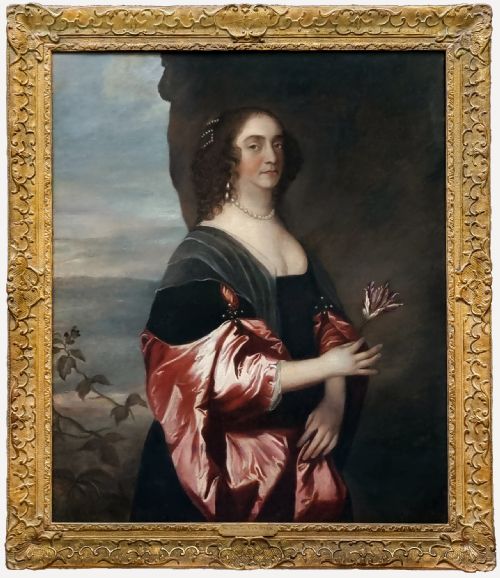
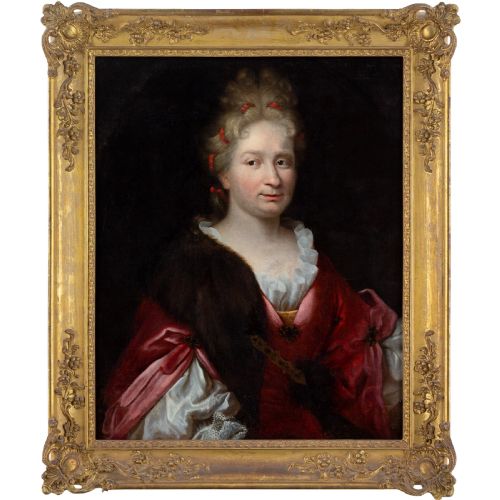
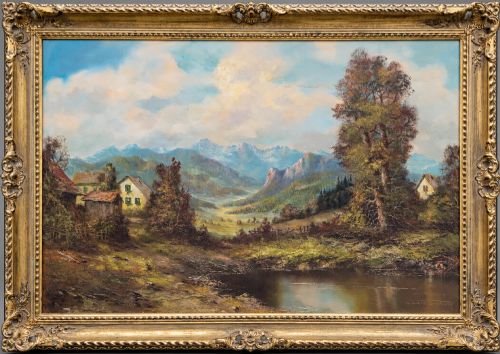
The selection ranges from seventeenth-century English and Flemish school portraits to nineteenth-century landscapes and genre scenes. These pieces frequently showcase artistic styles such as Baroque, French Rococo, Georgian, Regency, and Victorian realism.
Portraits of noblemen, military officers, and elegant women dominate the earlier periods, while later eras introduce landscapes, marine scenes, and still lifes. Each composition relies on the interplay between the painted canvas and its gilded border to create a complete visual object.
Materials and construction methods
Artisans prepared canvas supports by stretching woven fabric over wooden stretcher frames and applying preparatory priming layers before executing the imagery in oil paint. Pigments were mixed with drying oils to achieve deep colour saturation and tonal depth.
The surrounds employ timber foundations, including giltwood and standard wood, which were meticulously carved or moulded before receiving layers of gold leaf or gilt. This application of metallic leaf created a luminous border designed to reflect ambient light and complement the tones of the oil painting within.
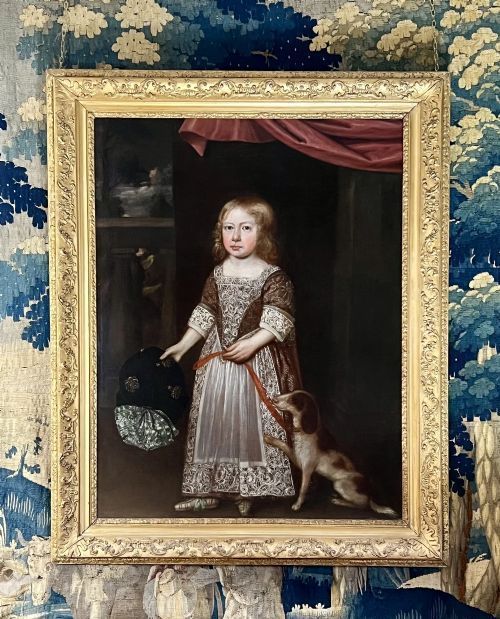
Several portraits preserve the stern gazes of historical figures alongside domestic animals, capturing centuries of human companionship with horses and dogs.
Distinctions in quality and execution
The calibre of these works rests on the draughtsmanship and brushwork evident in the oil painting, alongside the dexterity displayed in carving and gilding the frame. Superior examples demonstrate precise anatomical rendering in portraits or nuanced handling of light in landscapes.
The relationship between the artwork and its surround also dictates standard; top-tier pieces often retain their original period frames, where the scale, style, and patination of the giltwood harmonise completely with the canvas it encloses.
Charles Antoine Coypel·Sir Joshua Reynolds·William Oliver·Jean Baptiste Van Loo·Arthur Wardle
The Gold Gilt Framed Canvases Glossary
- Canvas
- A heavy woven fabric, typically linen or cotton, used as the primary support surface for oil paintings. It provides a durable ground that holds preparatory layers and oil pigments securely.
- Giltwood
- Timber carved and subsequently covered with a thin layer of gold leaf or metallic gilding. This material forms the ornate surrounds characteristic of period framing.
- Oil Paint
- A slow-drying medium composed of pigments suspended in a drying oil, usually linseed. It allows artists to blend tones smoothly and build rich textures.
- Baroque
- An artistic style prevalent in the seventeenth and early eighteenth centuries, characterised by drama, deep shadow, and grand scale. Paintings from this movement often feature dynamic compositions and intense lighting.
- Provenance
- The documented history of ownership surrounding a work of art. Established provenance helps verify the authenticity and historical context of a painting.
Gold Gilt Framed Canvases: Frequently Asked Questions
How should I clean a gilded frame?
Gilded frames require gentle dusting with a soft, dry brush to prevent damage to the delicate gold leaf layer. Avoid using liquid cleaners, moisture, or chemical solvents, which can strip the metallic finish from the wood.
For stubborn dust trapped within carved crevices, a clean, dry artist's brush allows for targeted cleaning without applying pressure to the fragile surface.
Are these canvases mounted on original stretchers?
Many older paintings retain their original wooden stretcher frames, though some have undergone restretching during conservation work over the centuries. Examining the reverse of the canvas often reveals wedge keys and aged wood that indicate the age of the structural support.
Original stretchers add historical integrity to the piece, while later replacements ensure the canvas remains properly tensioned and stable for display.
How do I identify the period of a frame?
Frame styles evolved alongside artistic movements, reflecting the decorative preferences of periods such as the Baroque, Regency, or Victorian eras. Moulding profiles, corner ornamentation, and the construction techniques of the timber foundation point toward specific manufacturing dates.
Comparing the stylistic motifs of the frame with the execution date of the oil painting helps determine whether the surround is original to the artwork.
What lighting suits oil paintings best?
Oil paintings benefit from balanced, indirect illumination that highlights the brushwork without generating excessive heat or fading the pigments. North-facing natural light or specialist low-heat art lighting positioned at a proper angle prevents glare on both the canvas and the gilt frame.
Direct, harsh sunlight should be avoided entirely to preserve the stability of the oil paint and prevent the timber surround from drying out.