



Dark Chiaroscuro Oil Paintings
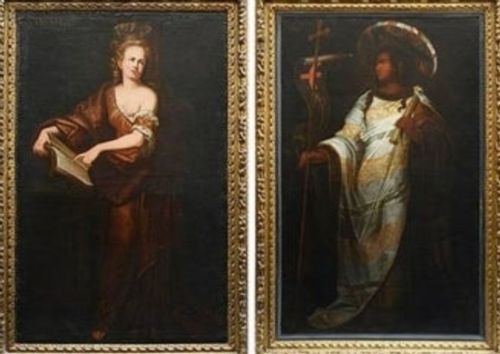
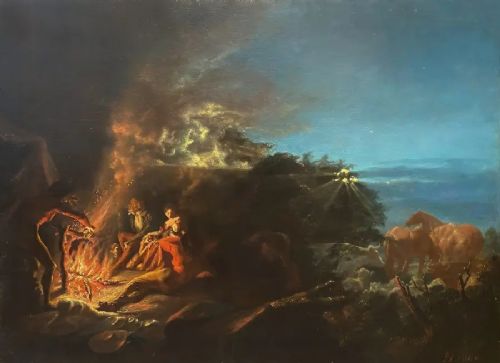
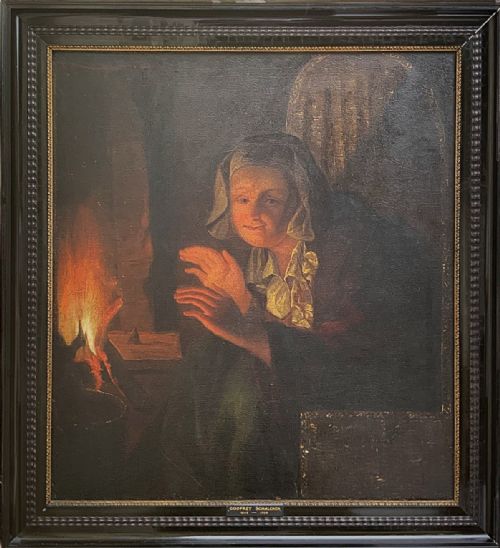
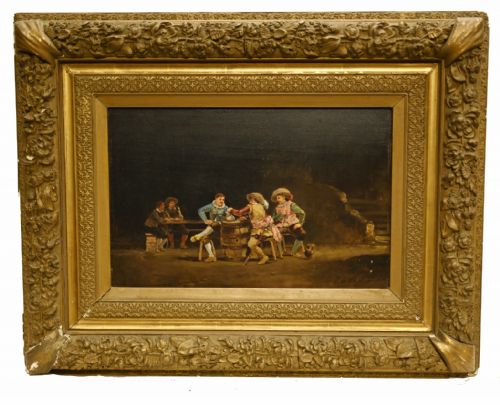
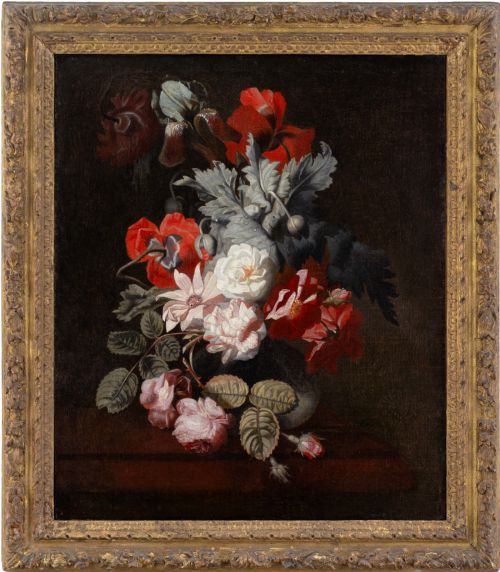
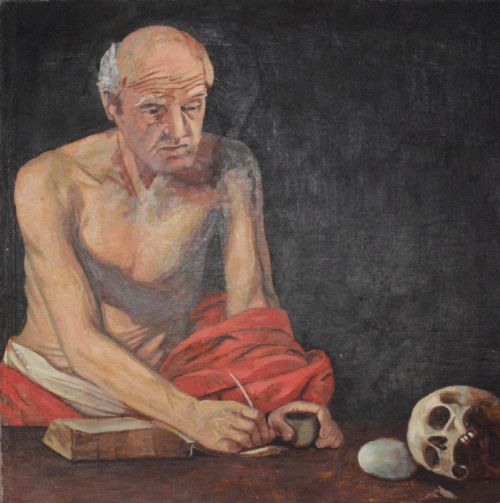
Dark chiaroscuro oil paintings deliver dramatic contrast through deep shadows and focused light, offering centuries of atmospheric presence for your walls.
Dark Chiaroscuro Oil Paintings
Dark chiaroscuro oil paintings focus on the theatrical interplay of deep shadow and targeted illumination, drawing the eye towards central figures or objects. When you search for dark chiaroscuro oil paintings, you encounter works spanning several centuries, capturing subjects from religious narratives to domestic interiors and still life compositions.
The pieces listed here represent diverse origins including Dutch, Spanish, French, Italian, and German schools. You are likely to meet portraits, still lifes, and narrative scenes created across the seventeenth, eighteenth, and nineteenth centuries, alongside later interpretations and studies after earlier masters.
These works often employ heavy framing in gilt wood or giltwood, enhancing the dramatic depth inherent in the canvas. The selection ranges from intimate panel paintings to large canvases depicting biblical figures, musketeers, and quiet rural hearths.
How they were made
The primary materials recorded in these works are oil paint applied to canvas or wood panels. Artists built up rich, dark pigments to establish the deep backgrounds characteristic of the style, using lighter tones locally to create focal points.
Support structures typically consist of stretched canvas or wooden panels, frequently housed within ornate gilt wood or giltwood frames. The application of oil paint allowed artists to achieve smooth gradations between shadow and light.
Among the food items carefully lit in these dark larders, snails and playing cards share space with everyday bread and lemons.
What varies in quality
Quality in these works rests upon the command of tone and the subtlety of the transition from shadow to light. The strongest examples display confident brushwork and anatomical or compositional precision, whether painted by a named hand, a follower, or within a regional school.
The depth of the pigment and the preservation of the painted surface dictate the visual impact of the piece. Works that retain their original tonal balance without excessive intervention offer a more authentic encounter with the period aesthetic.
Albert Bierstadt·Godfried Schalcken·J De Ninville·Simon Pietersz Verelst·Joseph Wright of Derby·Pieter Claesz·Reynard Le Vieux·Rembrandt Harmenszoon van Rijn
The Dark Chiaroscuro Oil Paintings Glossary
- Chiaroscuro
- An artistic technique using strong contrasts between light and dark, usually bold contrasts affecting a whole composition. This approach defines the dramatic atmosphere of these works.
- Oil on canvas
- Pigment mixed with drying oil applied to a woven fabric support stretched across a wooden frame. This combination provided artists with flexibility and durability.
- Dutch School
- A term describing painters working in the Netherlands during the seventeenth century and later traditions inspired by them. These artists frequently explored domestic scenes and still lifes.
- Spanish School
- A designation for artists trained or working within Spanish artistic traditions, often notable for intense realism and stark lighting. Works in this group include religious studies and detailed larders.
Dark Chiaroscuro Oil Paintings: Frequently Asked Questions
What subjects appear in dark chiaroscuro oil paintings?
These works depict a wide variety of subjects including biblical narratives, portraits, tavern scenes, and still lifes of fruit and game. Artists also explored rural hearth scenes and classical figures.
Subjects range from intimate studies of heads to large narrative compositions involving multiple figures in shadowed interiors.
How do I identify the period of an oil painting?
Dating relies on stylistic conventions, costume details, handling of the medium, and the nature of the canvas or panel support. Seventeenth-century works often feature distinct Baroque lighting and Dutch or Italian regional characteristics.
Later pieces from the eighteenth and nineteenth centuries frequently adopt manners of earlier masters or reflect academic training of their specific eras.
Where should I hang a dark chiaroscuro oil painting?
These paintings thrive in spaces with controlled accent lighting where the stark contrast between light and dark can be fully appreciated. Placing them away from direct sunlight protects the oil paint and canvas.
Pairing them with traditional interiors allows the gilt wood framing and deep tones to anchor the room's decor.
What is the difference between an original and an after work?
Original period works are created by the primary artist or workshop of that era, whereas pieces designated as after an artist are later interpretations or copies of famous compositions. Both carry historical interest depending on the skill of the execution.
Studies and follower pieces also provide insight into how later generations engaged with Baroque and Golden Age techniques.