

18th Century Marquetry
18th century marquetry brings together patterned wood veneers and Georgian or continental forms to create decorative surfaces for interiors.
18th Century Marquetry
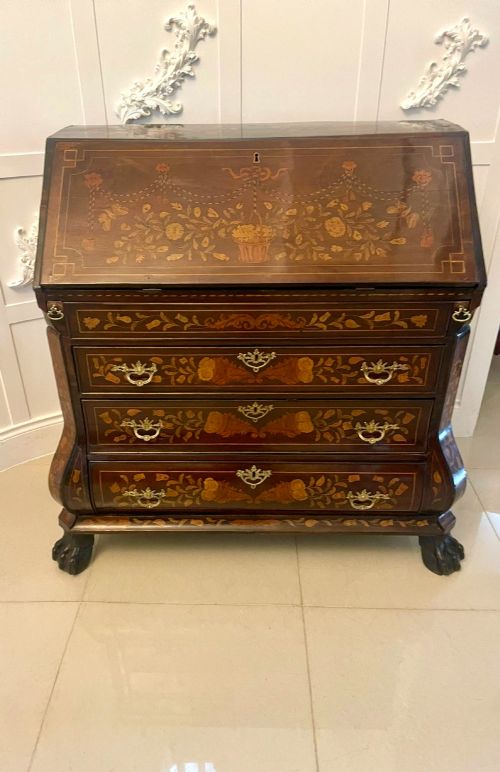
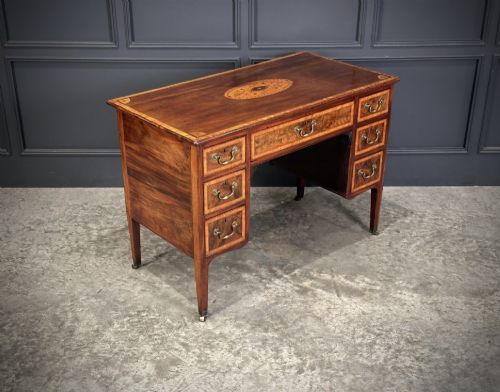
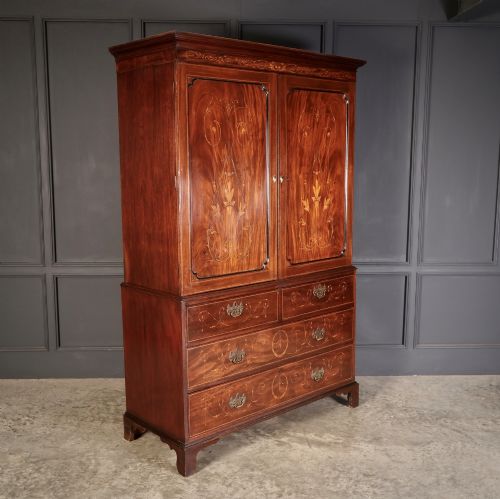
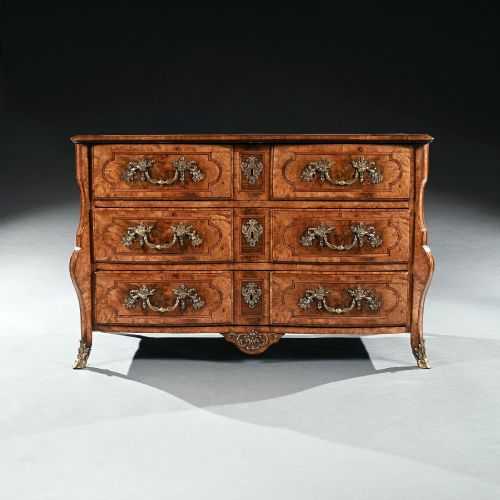
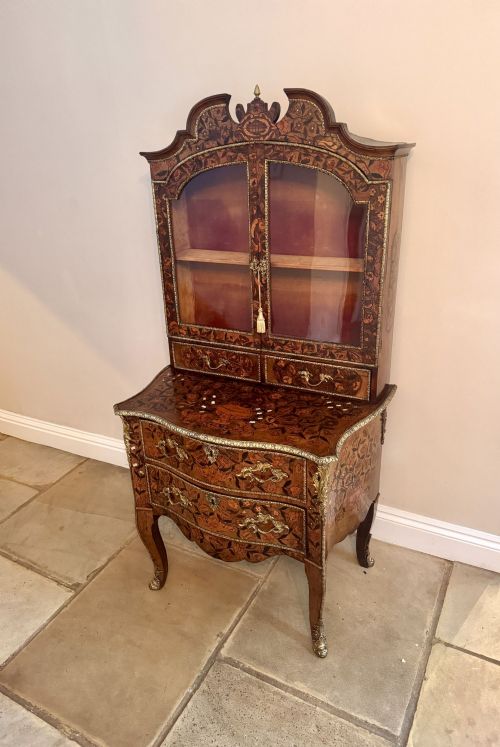
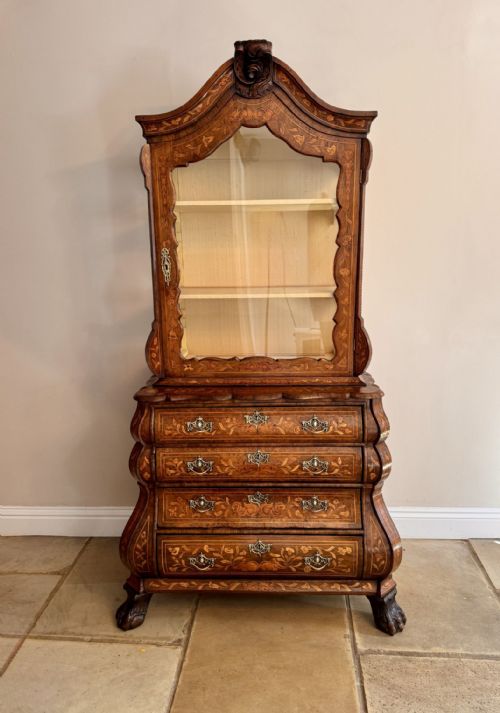
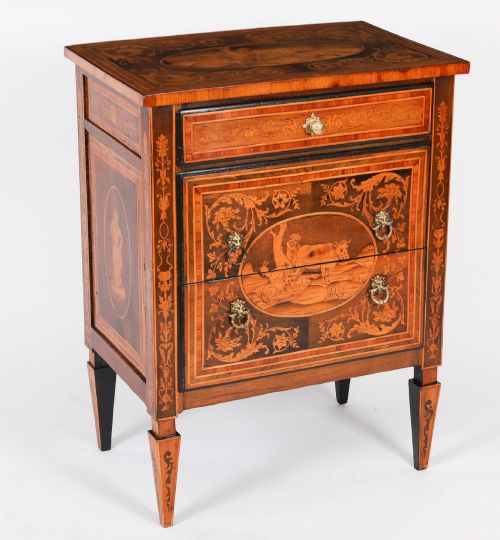
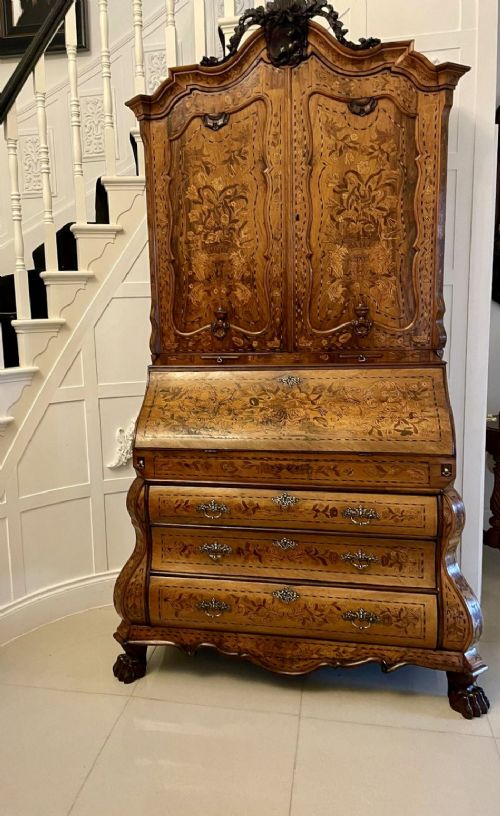
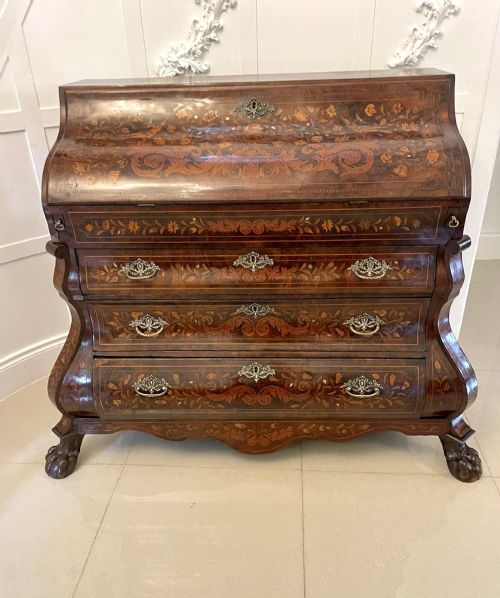
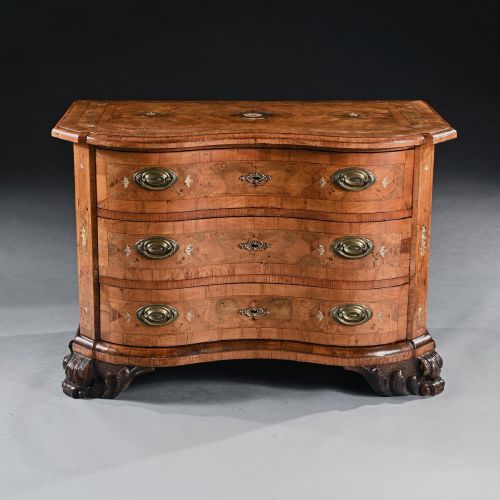
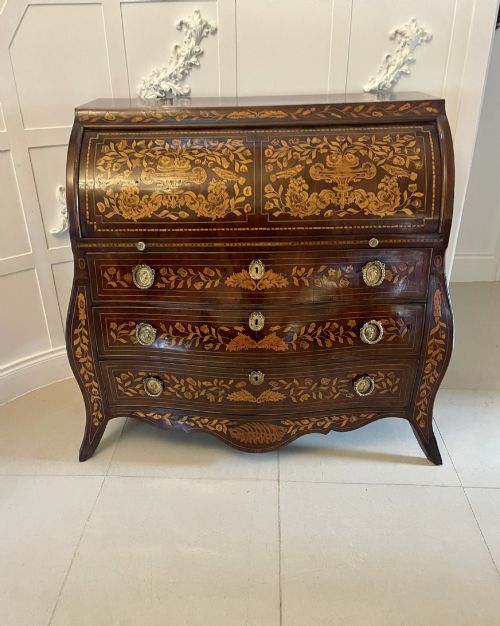
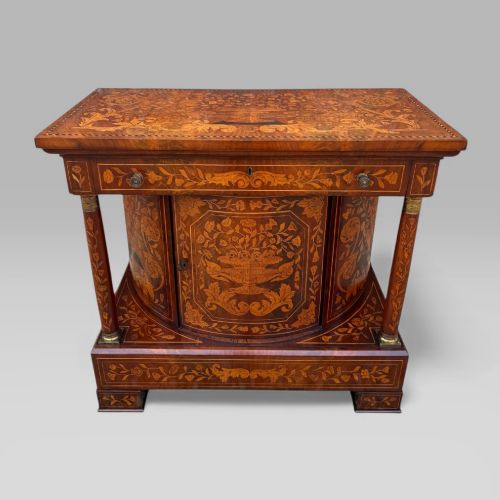
Buyers seeking 18th century marquetry encounter a diverse selection of case furniture, small decorative objects and tables decorated with complex wood veneer patterns. The listings frequently feature Dutch walnut bureaus, cabinets and chests of drawers alongside George III mahogany tables and French commodes.
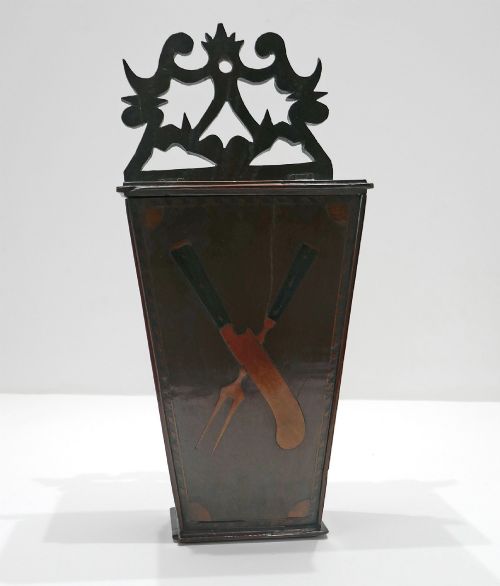
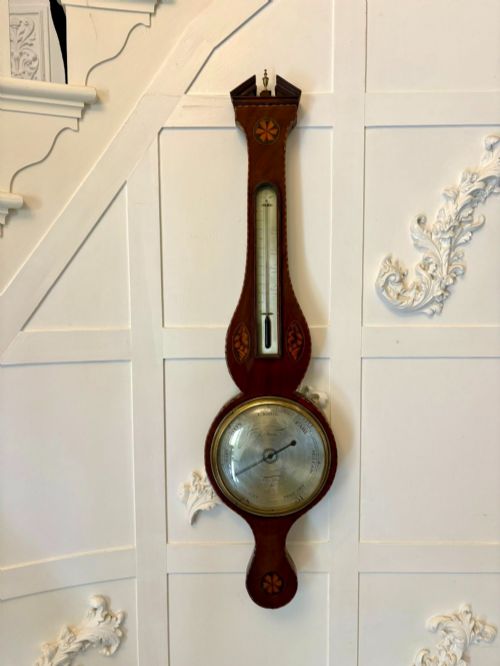
Forms range from large bureau bookcases and display cabinets down to tea caddies, wall mirrors and small side tables. Dutch and German workshops supply many of the floral and pictorial veneer designs found across the selection.
The selection also includes English Georgian items incorporating shell or floral inlays, alongside French commodes attributed to named cabinetmakers utilising kingwood and harewood.
How They Were Made
Cabinetmakers constructed these pieces using solid carcassing timbers such as oak, pine or walnut, which provided a stable foundation for decorative veneers. Woods including mahogany, satinwood, fruitwood and kingwood were sawn into thin sheets and shaped by hand.
Craftsmen cut intricate pictorial or geometric designs into the veneer sheets using a fretsaw, frequently assembling contrasting timber species together to form floral urns, birds and foliage. Pewter, ivory, bone and mother of pearl details were sometimes integrated into the design for added contrast.
The assembled veneer panels were glued to the carcase and finished with hand-rubbed polish or wax to highlight the natural grain and colour variations of the timber.
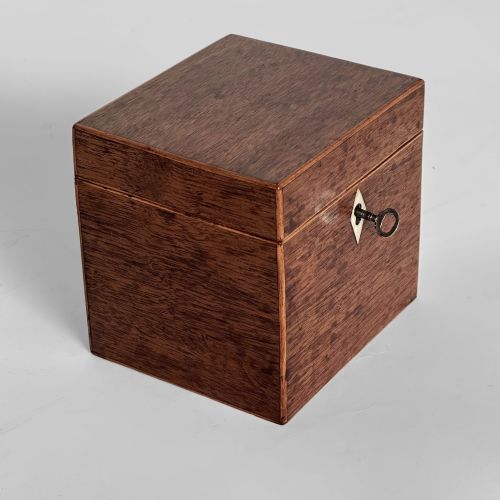
Several tea caddies hide small secret compartments beneath their floral veneer lids for storing valuable tea leaves.
What Varies in Quality
The standard of an 18th century marquetry piece depends heavily on the precision of the veneer cutting and the complexity of the pictorial design. Finer examples display tight joints between individual pieces of wood without excessive use of filler, while simpler items feature repetitive or coarser geometric patterns.
The choice of underlying timbers and secondary woods also dictates the grade of the piece, with Burr walnut, harewood and figured mahogany indicating higher status commissions. Furthermore, the crispness of carved mouldings, the integrity of the original carcase construction and the presence of documented maker attributions elevate certain examples above standard workshop production.
Jacques Bircklé·Charles Louch St Albans·James Moore
The 18th Century Marquetry Glossary
- Marquetry
- The art of applying decorative pieces of veneer to a structural carcase to form pictorial or geometric patterns. This technique differs from parquetry through its use of figurative and organic motifs rather than repeating geometric tiles.
- Burl walnut
- Timber taken from the root growth of a walnut tree, prized for its swirling, highly figured grain patterns. It forms the primary decorative surface on many high-grade bureaux and cabinets.
- Bombe
- A bulging, convex shape characteristic of continental furniture forms from this period. The curved profile demands advanced woodworking skill to fit shaped veneer panels.
- Parquetry
- A geometric mosaic of wood veneers arranged in repeating patterns such as cubes or chequers. It appears frequently alongside floral marquetry on continental commodes.
- Satinwood
- A durable, light-yellow timber native to the tropics and used extensively during the Georgian period for contrasting stringing and banding. Its lustrous surface reflects light effectively.
- Stringing
- Very narrow strips of contrasting wood inlaid into grooves on table tops and drawer fronts. This linear detail frames the main panels of veneer.
18th Century Marquetry: Frequently Asked Questions
What is 18th century marquetry?
Marquetry is a technique where thin slices of coloured wood, ivory, or metal are fitted together to create pictorial or geometric designs on furniture surfaces. Pieces from this era typically include floral arrangements, birds, or architectural scenes.
Craftsmen applied these veneers to carcases made from oak, pine, or walnut, creating decorative surfaces for functional items used in wealthy households.
How do I care for my marquetry furniture?
These pieces require stable indoor humidity and protection from direct sunlight to prevent the thin wood veneers from warping, drying out, or lifting. Regular dusting with a soft, dry cloth maintains the surface.
A light application of traditional wax helps nourish the timber without damaging the historic polish or loosening the glue beneath the veneers.
How can I tell Dutch marquetry from English pieces?
Dutch pieces from this era frequently display dense, multi-coloured floral and bird marquetry covering the entire carcase, often executed in walnut or burr walnut. They also tend to utilise the bombe contour on commodes and bureaus.
English furniture from the same period generally employs marquetry more sparingly as focal panels on mahogany or satinwood surfaces, such as on tea caddies, Pembroke tables, or cabinet doors.
Were these pieces used daily?
Most items served specific domestic functions in upper-class homes, ranging from writing desks and sewing tables to tea caddies and storage cabinets for linen. Bureau bookcases held correspondence and books, while commodes provided storage in bedrooms.
Despite their delicate decorative surfaces, they were built as functional furniture for active rooms rather than purely ornamental objects.
What is the difference between marquetry and parquetry?
Marquetry uses varied wood veneers to create pictorial motifs such as flowers, urns, scrolls, and figures. The designs require intricate hand-cutting of organic shapes.
Parquetry relies strictly on geometric shapes like squares, triangles, and cubes to form repeating, tile-like patterns across table tops and drawer fronts.