

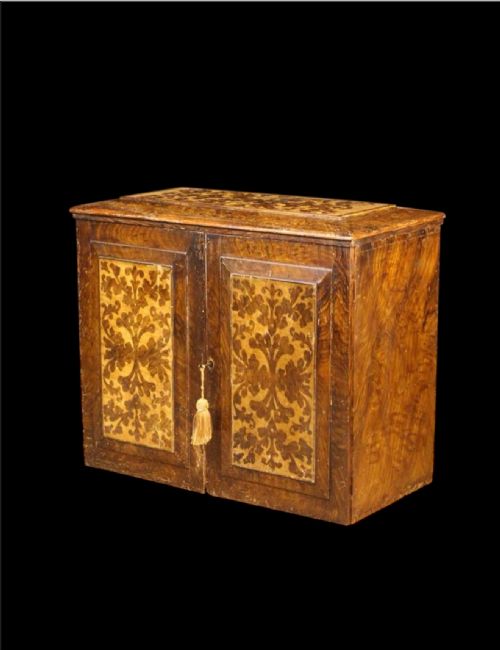


Small Marquetry Cupboard
A small marquetry cupboard is a fitted storage piece bearing elaborate wood inlay, offering compact surface space and distinct historical character.
Small Marquetry Cupboard
A small marquetry cupboard brings decorative pattern and compact storage to domestic spaces. Buyers searching for a small marquetry cupboard encounter diverse forms spanning several centuries.
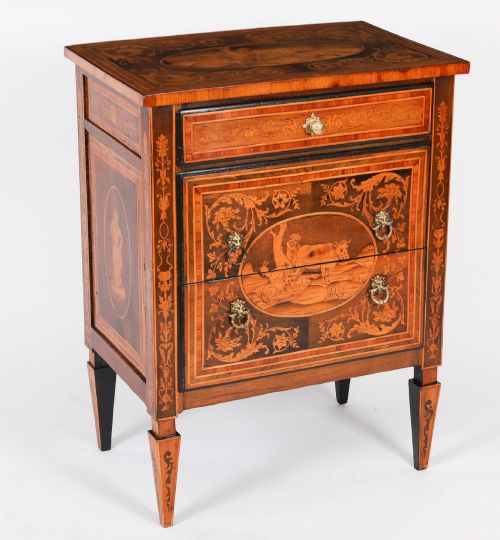
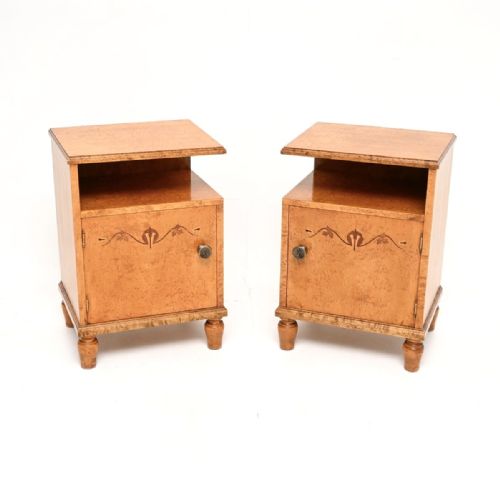
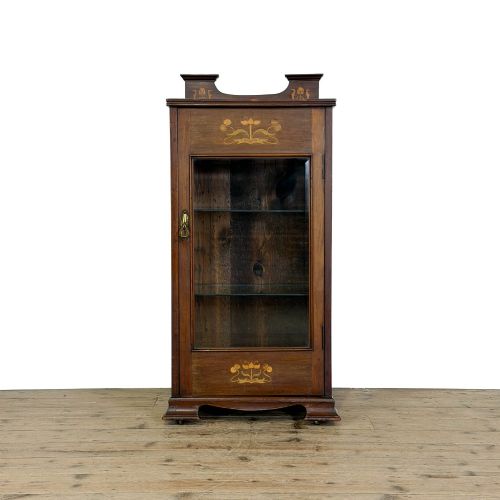
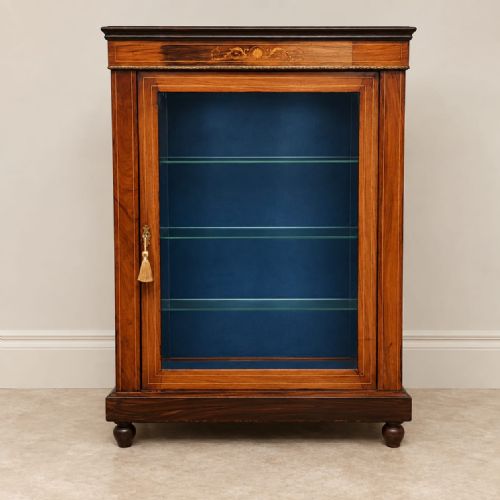
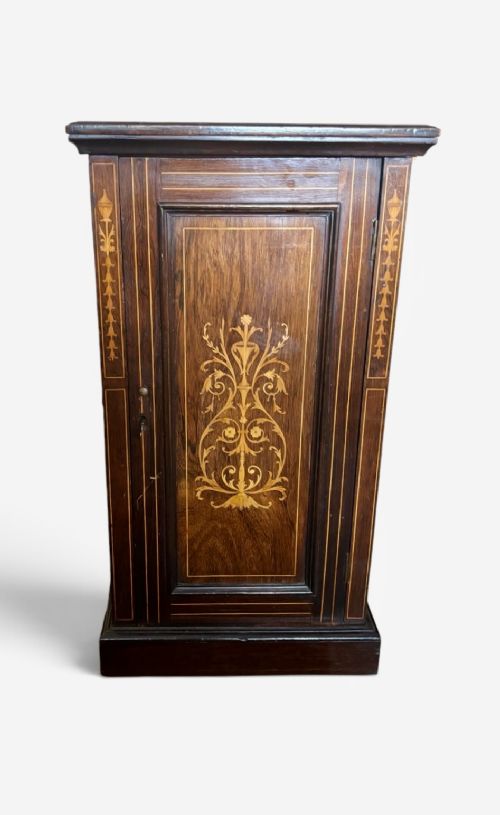
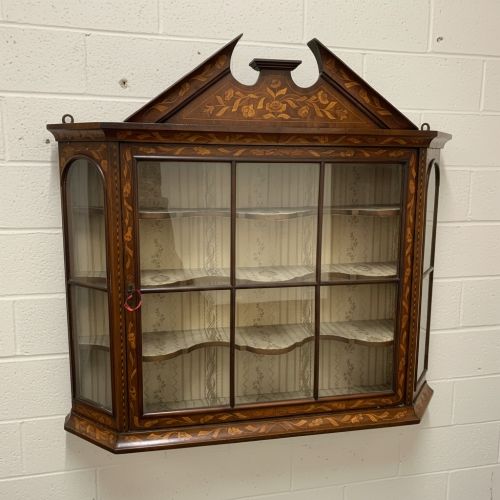
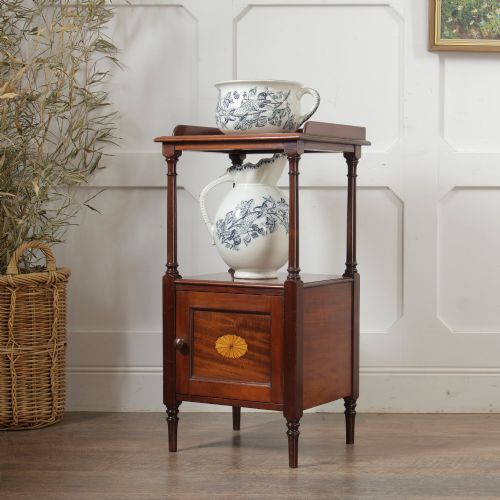
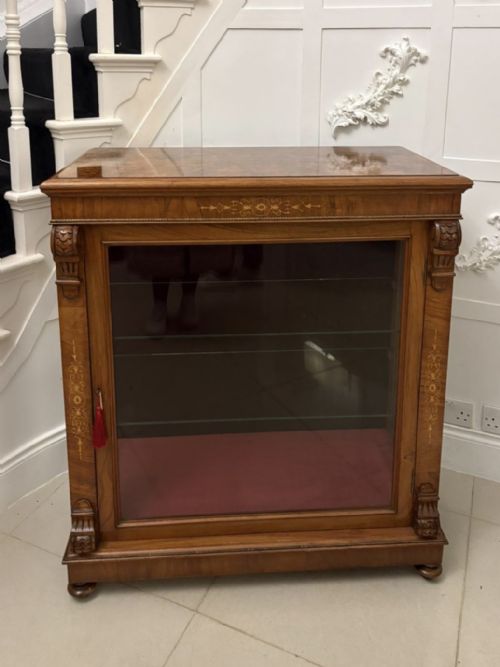
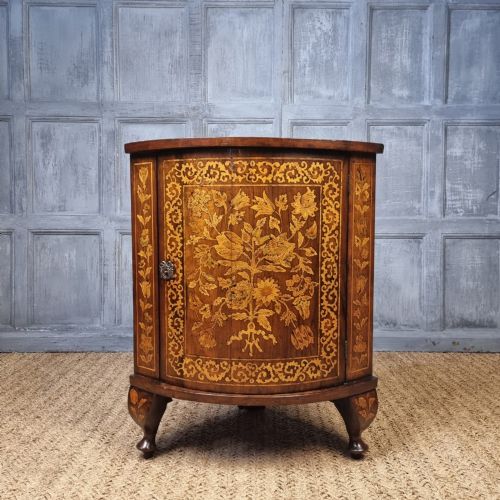
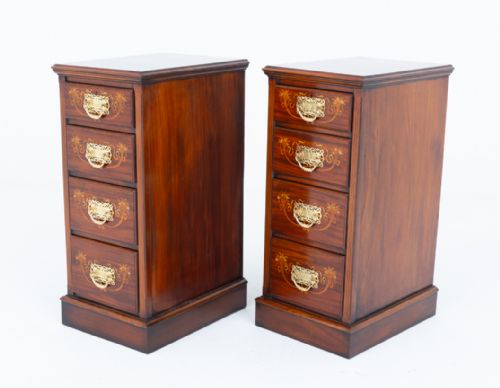
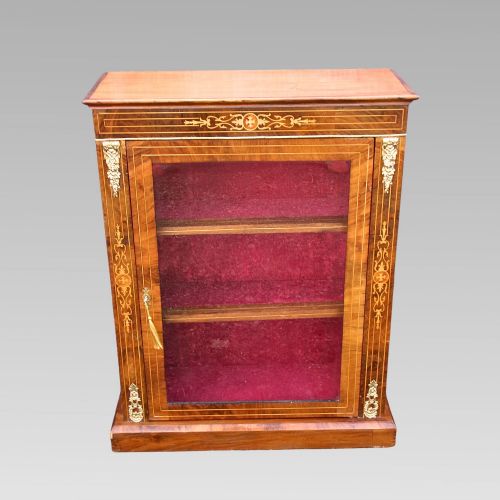
The most common formats on this page include Victorian pier cabinets, corner cupboards, and bedside tables. These pieces originate from periods ranging from the eighteenth century through to the early twentieth century.
Cabinetmakers constructed these items in various styles including Sheraton, Dutch Baroque, and Edwardian. Each variant serves functional storage needs while displaying intricate floral or geometric veneer patterns.
How They Were Made
Craftsmen built these cabinets using foundational timbers such as mahogany, walnut, and oak, applying finer veneers of satinwood, rosewood, and kingwood over the carcase. This technique provided a stable structural base while allowing for decorative surface treatments.
Wood inlay and parquetry formed the primary decorative vocabulary, often supplemented by brass mounts, glass panels, and ormolu details. Artisans cut contrasting timber veneers by hand to create elaborate floral or geometric motifs set flush into the primary surface.
Apprentice pieces allowed young woodworkers to demonstrate their mastery by carving miniature cupboards with working locks.
What Varies in Quality
The precision and complexity of the wood inlay distinguish finer examples from standard production. Artisans who achieved tight junctions between contrasting timbers produced decoration that remains sharp and stable over centuries.
Choice of primary timbers and secondary veneers dictates the overall grade of the piece. Fenced selection of figured walnut, burr veneers, or choice satinwood indicates superior workshop standards during construction.
Maple & Co.·Shapland & Petter·Gordovil Spain
The Small Marquetry Cupboard Glossary
- Marquetry
- Decorative veneer work forming pictures or patterns by assembling small pieces of coloured wood, shell, or ivory. This technique allows cabinetmakers to create elaborate pictorial scenes across cabinet doors and top surfaces.
- Pier Cabinet
- A narrow display cabinet designed to fit against the wall space between windows. These upright pieces frequently feature glass doors and velvet-lined interior shelving for ceramics.
- Parquetry
- Geometric mosaic woodwork used for floors and cabinet surfaces. Craftsmen arrange small wooden blocks into repeating patterns such as cubes or chequers.
- Ormolu
- Gilded bronze mounts applied to furniture edges and corners. This decorative hardware protects vulnerable corners while adding metallic contrast to dark woods.
- Commode
- A low decorative chest of drawers or cupboard originating in France. These pieces often feature marble tops and shaped aprons.
Small Marquetry Cupboard: Frequently Asked Questions
Where do I place a small marquetry cupboard?
These compact cabinets suit hallways, corners, or bedside positions where floor space is limited. Their detailed surfaces reward close viewing in well-lit rooms.
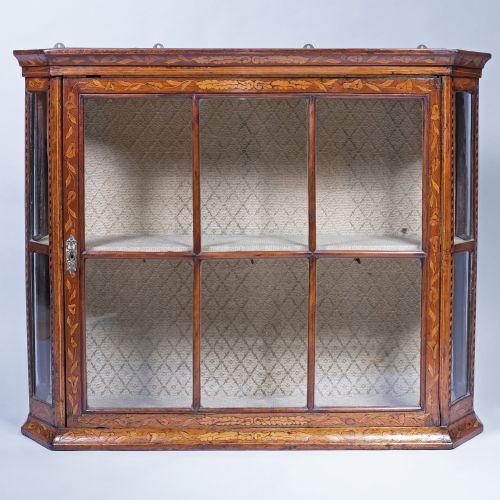
Wall-hung variants require sturdy fixings to support heavier timber frames and glass doors safely.
How do I care for antique veneer?
Keep wooden cabinets away from direct sunlight and sudden radiator heat to prevent timber shrinkage and veneer lifting. Regular dusting with a dry, soft cloth preserves the polished finish.
Avoid liquid polishes containing silicones that can penetrate aged finishes and loosen glue joints.
What is the difference between a pot cupboard and a bedside table?
Pot cupboards traditionally enclosed a chamber pot behind a single door, offering concealed interior storage. Bedside tables often feature open shelves or multiple small drawers.
Both serve similar functional roles in contemporary bedrooms alongside larger beds.
How do I identify Dutch marquetry?
Dutch examples typically display dense, exuberant floral and urn motifs executed in multiple contrasting timbers. The inlay often covers almost every available exterior surface of the cabinet.
Earlier pieces feature heavy walnut carcases with distinct bombé or straight profiles.