
18th Century Folding Table
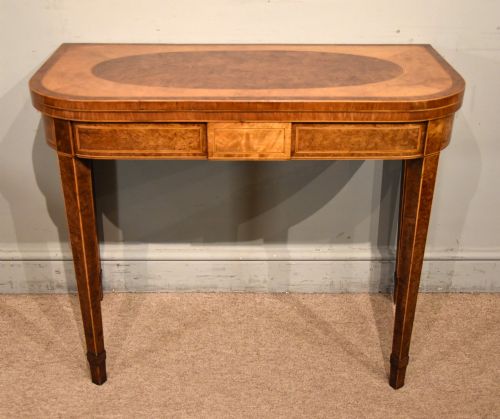
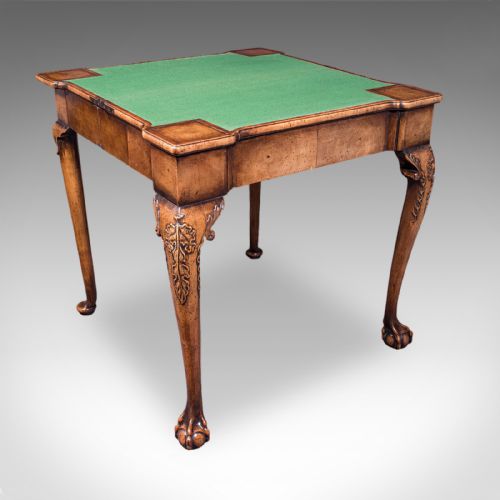
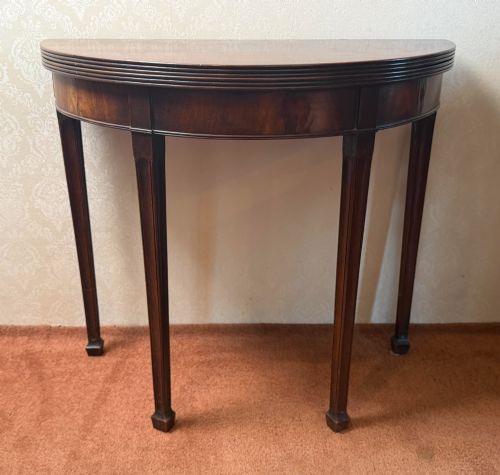
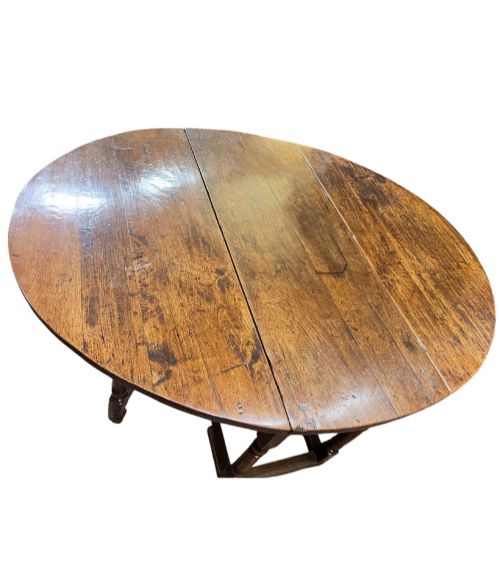
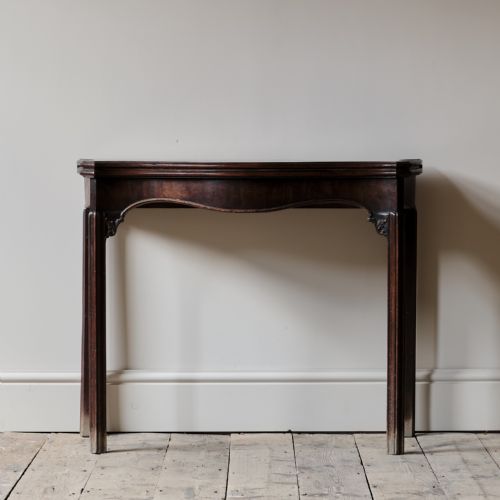
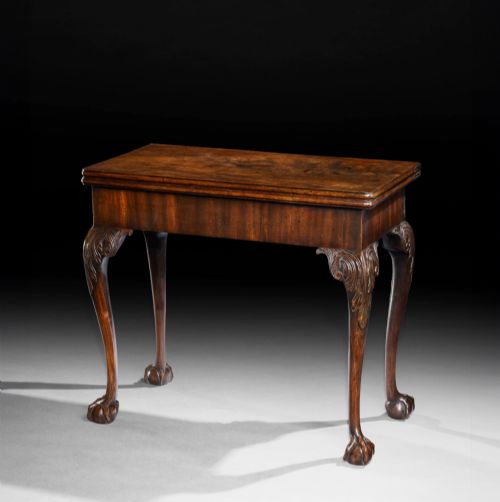
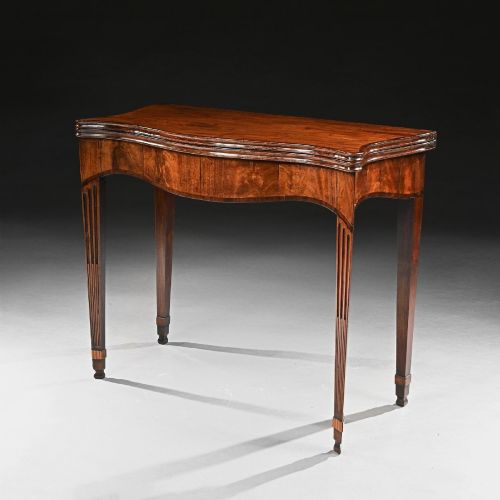
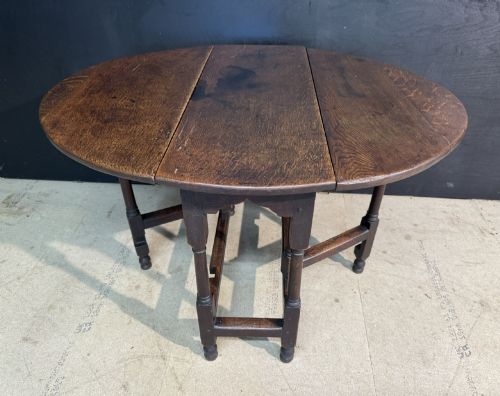
These pieces give you an 18th century folding table that opens to reveal card surfaces or dining leaves when guests arrive.
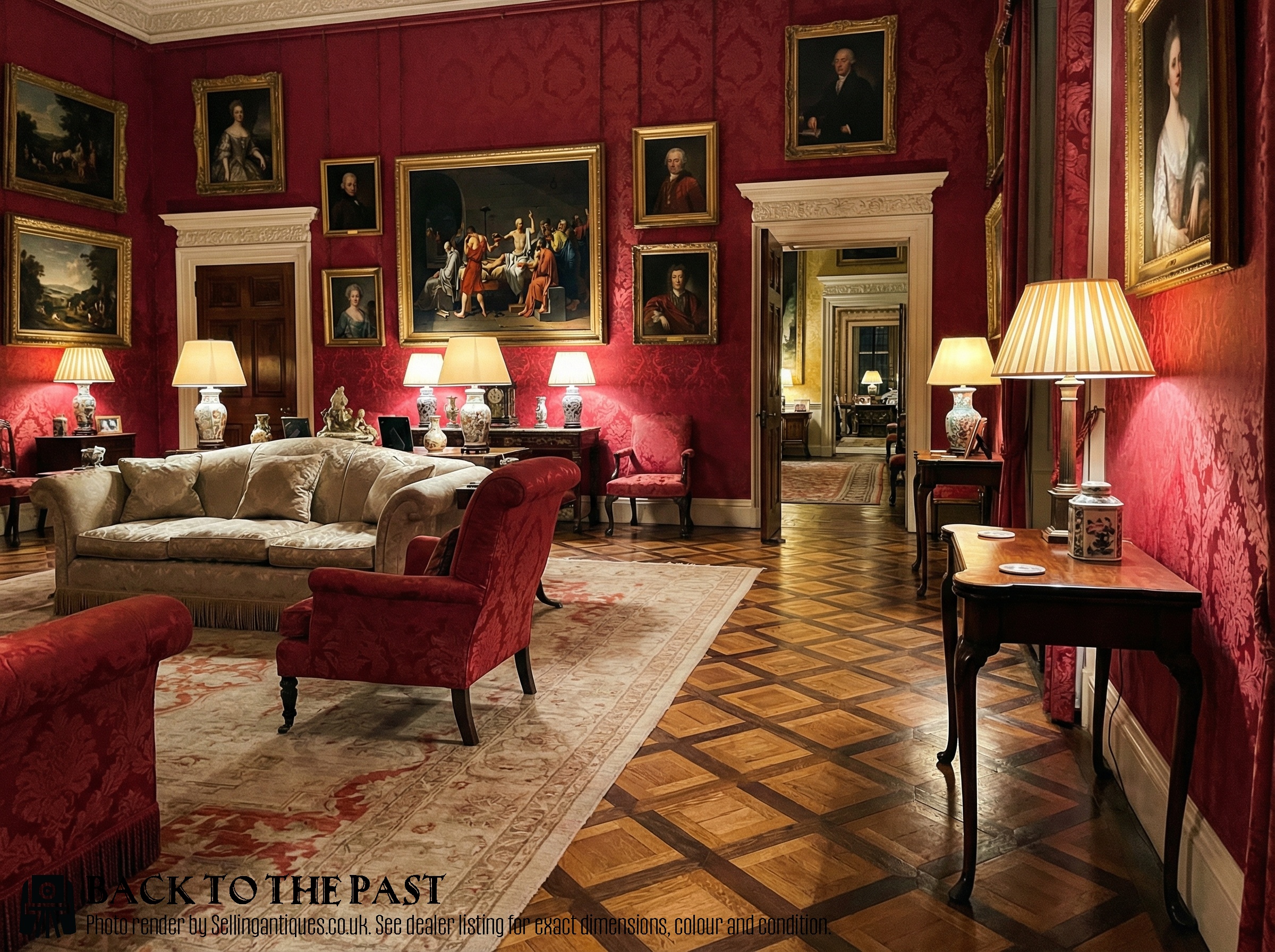
18th Century Folding Table
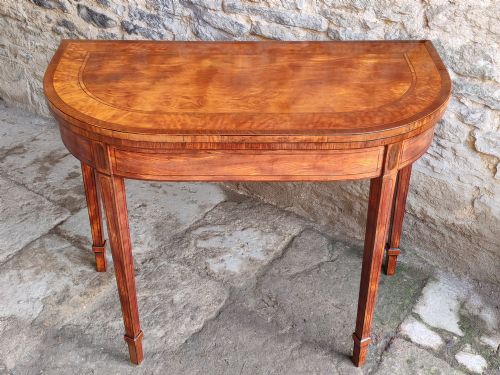
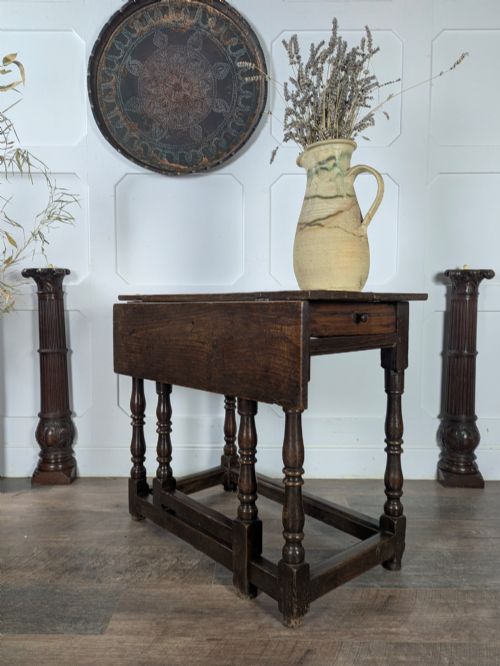
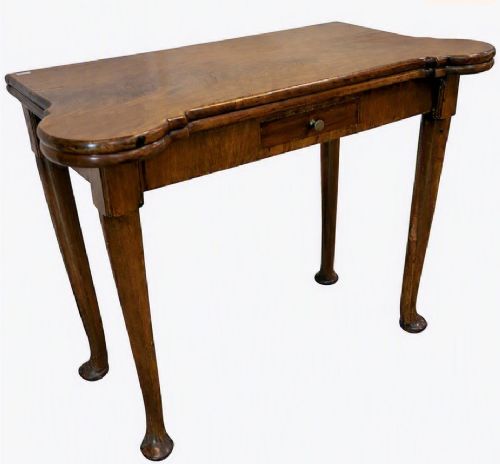
When you search for an 18th century folding table, you encounter diverse forms designed for games, tea and dining. The selection includes card tables, tea tables and gateleg tables originating from the Georgian era and earlier periods.
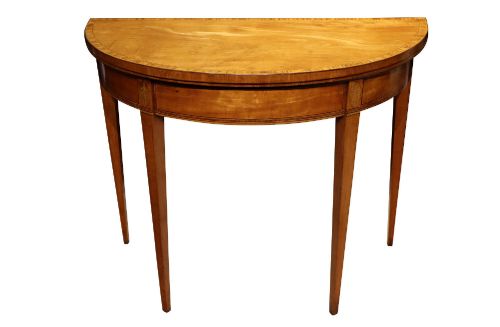
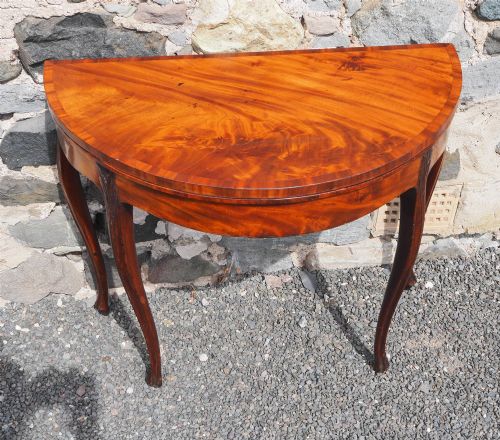
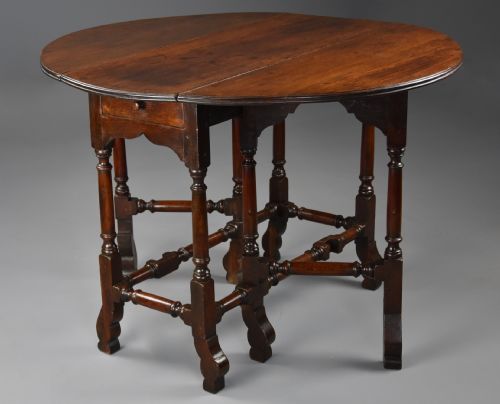
You meet walnut gateleg tables standing on six legs alongside mahogany demi lune card tables and satinwood games tables. These items span styles from Queen Anne and Chippendale to Hepplewhite and Sheraton.
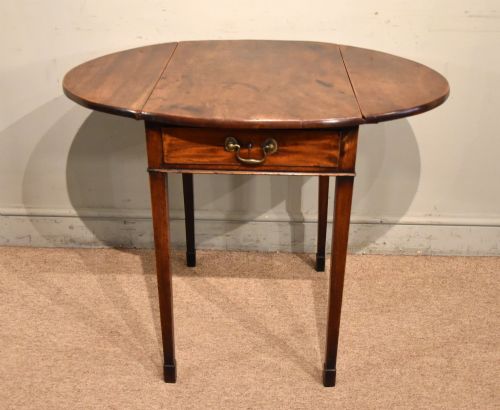
The assortment ranges from solid oak drop leaf dining tables to concertina action card tables veneered in burr yew wood. Many examples adapt to smaller spaces through folding leaves or pivoting tops.
How they were made
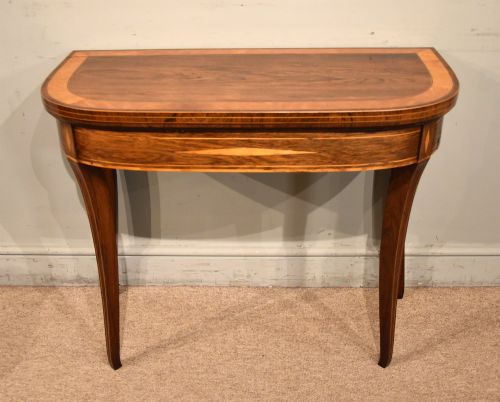
Cabinet makers constructed these tables using dense timbers such as mahogany, oak, walnut and satinwood, often embellishing the surfaces with crossbanding in kingwood or amboyna. Artisans applied clever folding mechanisms, including concertina actions and pivoting gatelegs, to support the extra leaf when open.
The construction relies on precision joinery to ensure the folding tops align evenly when closed. Craftsmen selected figured veneers like flame mahogany and burr yew wood to create decorative geometric patterns across the top panels.
Listings feature woods including mahogany, oak, walnut, satinwood, rosewood, teak and amboyna.
What varies in quality
The standard of an 18th century folding table depends upon the selection of timber and the crispness of the carved details on the legs and aprons. Superior pieces exhibit well-figured mahogany or satinwood with harmonious grain patterns across the folding leaves.
Engineering precision in the hinging and concertina action separates standard examples from finer workshops. Original patination and depth of colour on the timber surfaces also determine the standing of each piece.
Giles Grendey
The 18th Century Folding Table Glossary
- Demi lune
- Half moon shape. This term describes tables with a semicircular top that often stand flush against a wall.
- Gateleg table
- A table with hinged legs that swing out to support drop leaves. The swinging legs resemble a gate opening.
- Concertina action
- An expanding frame. This mechanism allows the table frame to stretch outwards when the top unfolds, maintaining support on all four corners.
- Crossbanding
- A narrow strip of veneer. Artisans laid this border veneer across the grain of the main panel to create a framed effect.
- Patina
- The surface sheen. Years of polishing and use produce this soft lustre on antique timber.
18th Century Folding Table: Frequently Asked Questions
How did people use an 18th century folding table?
These tables served multiple functions in domestic rooms throughout the day. Owners opened them in the evening for card games or tea parties and closed them against the wall when more floor space was required.
Gateleg and drop leaf versions also functioned as dining tables or side surfaces in smaller parlours. The folding mechanism allowed households to adapt their furniture layout quickly.
How do I tell a card table from a tea table?
Card tables often feature lined interiors of baize or leather designed for playing games. They frequently include small wooden wells or corners inside the folding top to hold counters and coins.
Tea tables usually present a smooth polished timber surface across the folding leaf. Some tea tables feature dished corners designed to hold porcelain cups securely.
What is a concertina action?
A concertina action is a folding frame that expands outwards when the top is opened. This design ensures the table legs move with the corners to support the heavy folding leaf.
When closed, the frame compresses back into a neat console or table base. This feature appears on finer quality Georgian card tables.
How do I care for a polished wood surface?
Antique timber surfaces require simple dusting with a dry lint-free cloth. Avoid placing items with high moisture content directly onto the polish to prevent ring marks.
Applying natural wax occasionally helps nourish the wood and maintain the patina. Keep these tables away from direct heat sources and strong sunlight.