







Shaped Top Card Table
A shaped top card table is a versatile folding piece designed for parlour games and tea, prized for its fluid outline and polished timber.
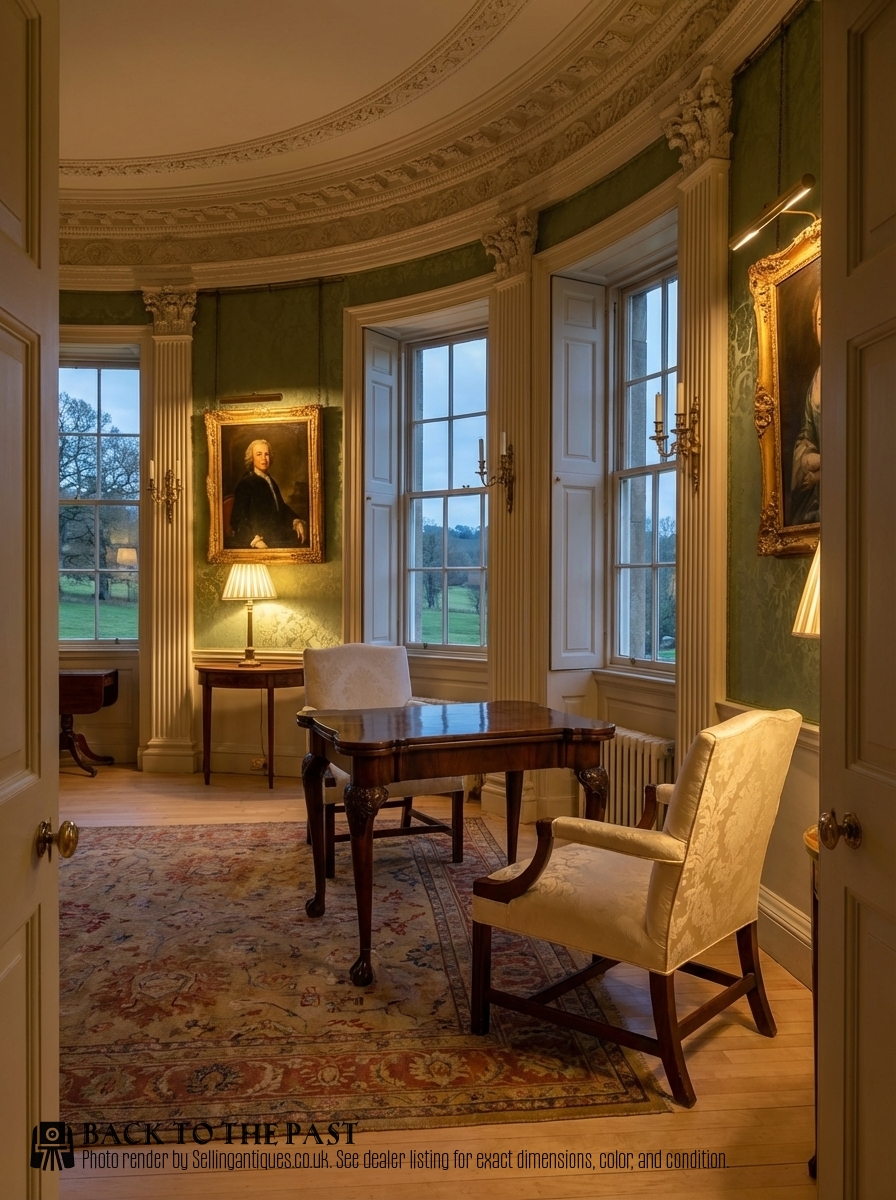
Shaped Top Card Table
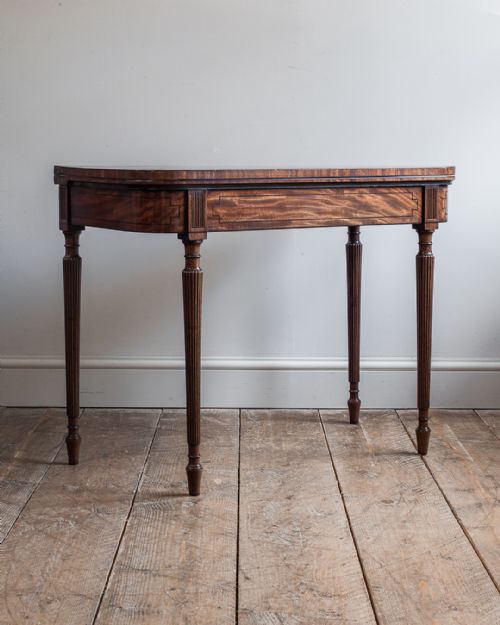
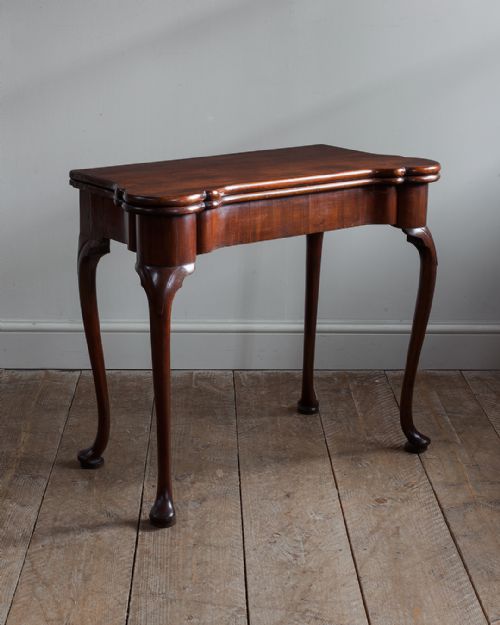
A shaped top card table offers a hinged surface that opens to reveal a playing space, often lined with baize. When you search for a shaped top card table, you encounter forms ranging from George II and Georgian periods through Regency and Victorian eras.
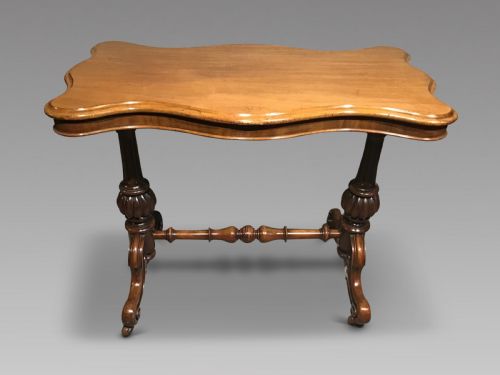
The silhouettes vary from D-shaped and demi-lune profiles to serpentine outlines. These tables double as side or tea tables when folded against a wall, making them practical items in period rooms.
Examples span several decades of British craftsmanship, including George IV and Queen Anne style walnut pieces alongside mahogany and rosewood variants. Most feature folding mechanisms designed to support the open leaf safely during play.
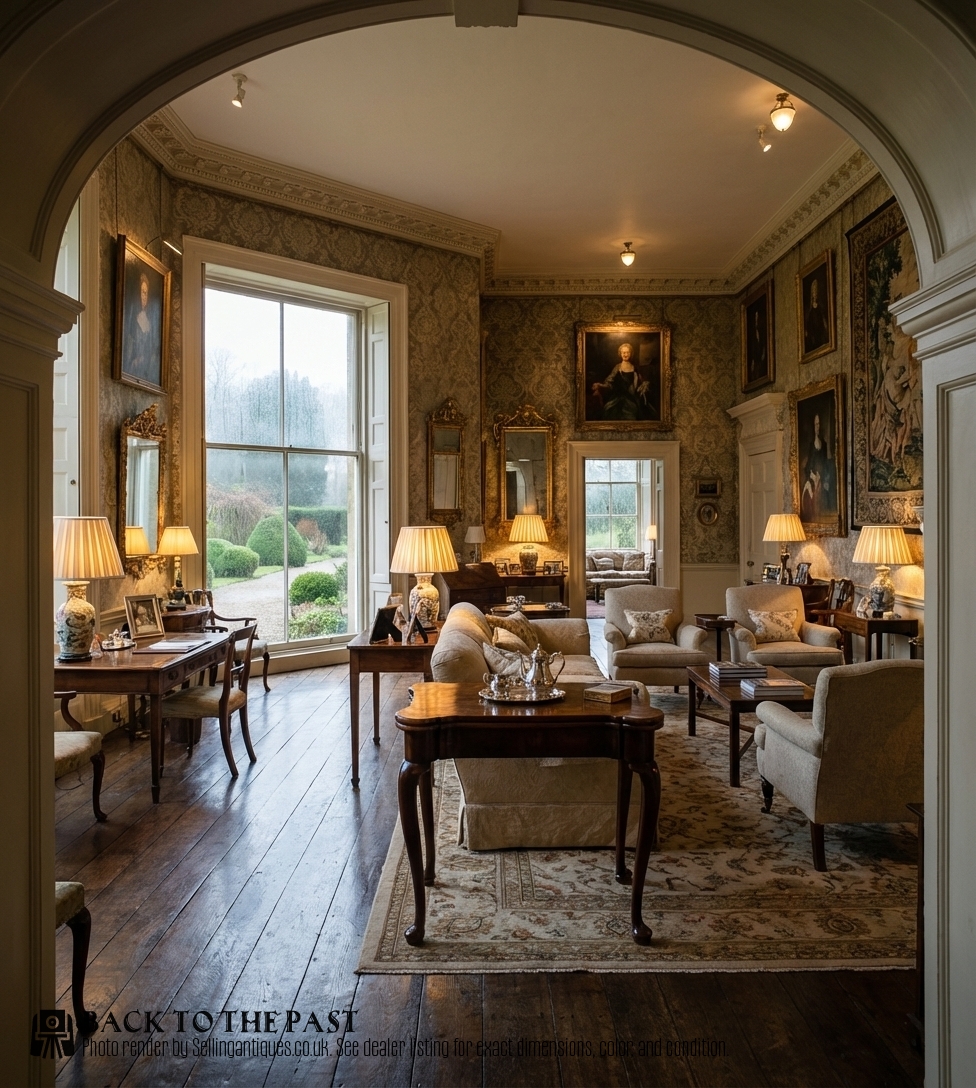
How they were made
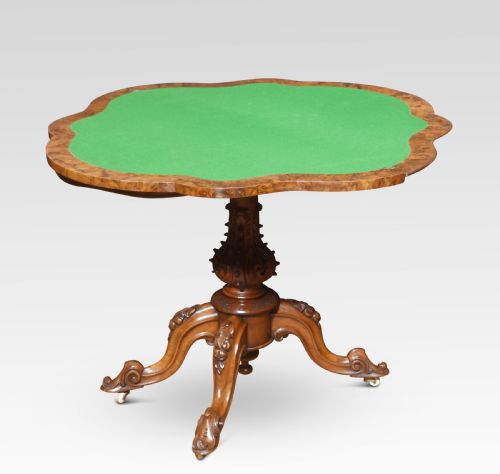
Carpenters constructed these tables using solid hardwoods such as mahogany and walnut, frequently applying wood veneer over secondary timbers. Burr walnut and satinwood inlay appear on select examples to provide decorative contrast on the tops and friezes.
Brass fittings and hinges secured the folding leaves and internal pivot actions. Surfaces were finished with polish to highlight the grain patterns of the timber.
Shaped Top Card Table Retail Price Guide 2026
Typical asking prices for shaped top card table among the pieces listed under this phrase on Sellingantiques today, from the lower quarter to the upper quarter. They describe what is for sale here now, not the wider market.
A card table with a serpentine edge ensures nobody gets poked by a sharp corner during an intense evening of whist.
What varies in quality
The selection of timber grain dictates the visual appeal, with burr walnut and figured mahogany setting a higher standard than plain secondary woods. Precision in the joinery of the D-shaped or serpentine edge defines the better workshops.
Sophisticated inlay work, such as satinwood banding, separates standard production items from more ambitious cabinet work. The integrity of the folding mechanism and the neat fit of the hinged top when closed also indicate superior construction.
William Trotter of Edinburgh
The Shaped Top Card Table Glossary
- Baize
- A woolen felt fabric used to line the playing surface of card tables. It provides a soft texture for dealing cards and dampening sound.
- Demi-lune
- A half-moon shape characteristic of tables designed to sit flush against a wall when folded. This profile appears frequently on tables with inlaid borders.
- Serpentine
- A curved line that undulates gently inwards and outwards, commonly seen along the front edge of advanced card tables. It requires skilled carpentry to shape the solid timber or veneer accurately.
- Fold over
- A hinged table top construction where the upper leaf rotates or lifts to double the surface area when opened. This mechanism allows a compact console to become a square or rectangular table.
- Veneer
- A thin layer of decorative wood applied to a base timber to create patterned surfaces. Burr walnut and mahogany veneers are typical of this technique.
Shaped Top Card Table: Frequently Asked Questions
What is a shaped top card table used for?
These tables served as dual-purpose furniture in historic homes, functioning as console or side tables against a wall when closed. Opening the hinged top provided a stable surface for card games, social gatherings, or taking tea.
Interior spaces benefited from their ability to expand only when needed, saving room during daily domestic routines while offering hospitality when guests arrived.
How do I identify the period of a table?
Dating relies on observing timber choices, leg profiles, and structural silhouettes. Georgian and George II pieces often display straightforward mahogany construction, whereas Regency examples introduce distinctive D-shapes and inlay.
Victorian pieces frequently incorporate burr walnut, rosewood, or pedestal bases. Examining the underside and hinge construction also helps establish the era of manufacture.
Are all shaped top tables lined with baize?
Many card tables feature green or neutral baize interiors to cushion counters and cards during play. Some variations functioned primarily as tea tables and retained bare polished wood surfaces without textile inserts.
Tables described specifically for games generally retain traces or replacements of the original fabric lining inside the folding leaf.
How do I care for a wood veneer top?
Protect the polished surfaces from direct sunlight, excess moisture, and extreme temperature shifts that can cause timber to warp or veneer to lift. Dusting with a soft, dry cloth preserves the finish without abrasive cleaners.
Waxing occasionally maintains the sheen on mahogany and walnut without building up heavy residues on the antique timber.