

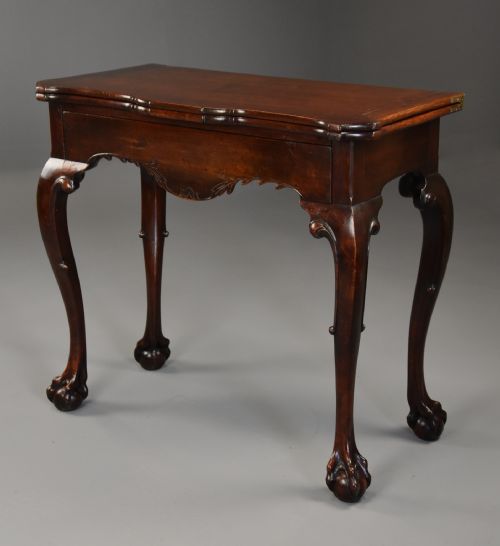


Claw Foot Card Table
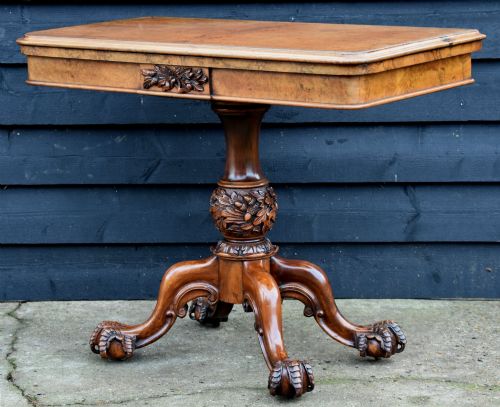
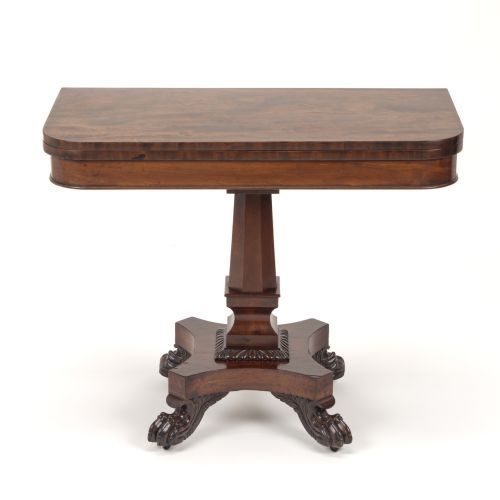
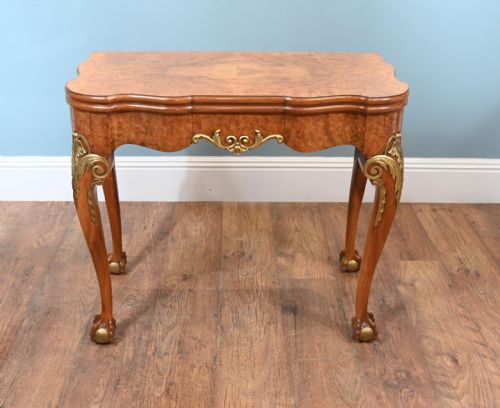
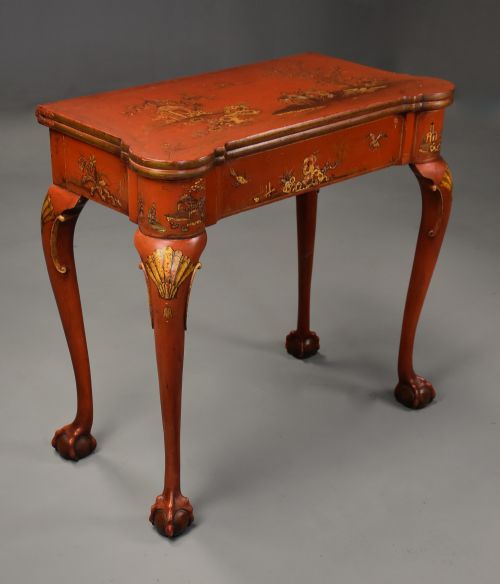
These claw foot card table examples are clever folding furniture pieces designed for indoor gaming, combining polished timbers with sturdy supports.

Identifying a claw foot card table
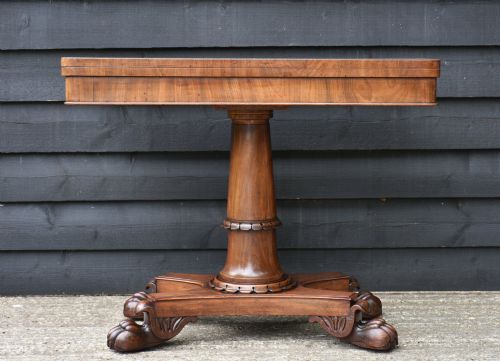
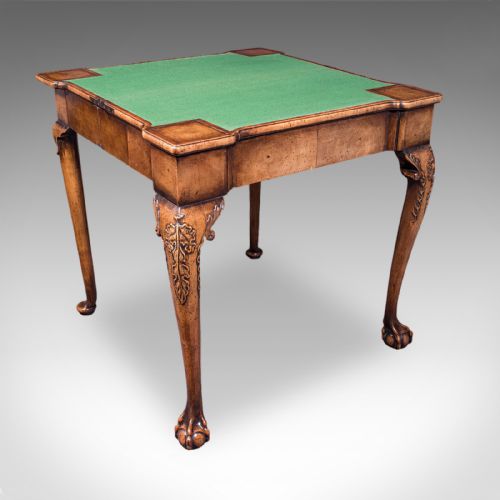
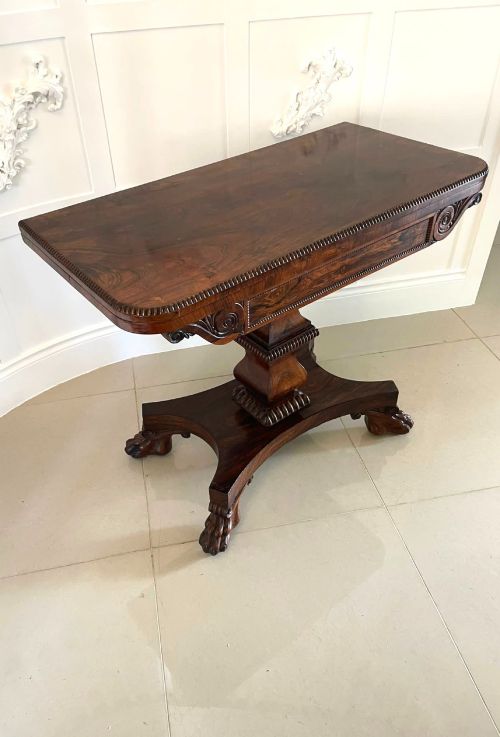
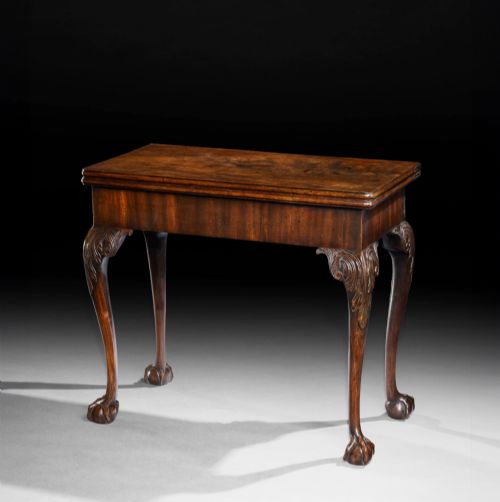
A claw foot card table serves as a functional folding surface for parlour games and card playing within the home. The selection spans distinct historical eras, including the Georgian and Regency periods, alongside an Edwardian example and a twentieth-century Queen Anne style piece.
Forms on this page cover both designated card tables and games tables, often incorporating clever folding mechanisms to save space when not in play. Materials range from traditional mahogany and rosewood to kingwood, burr walnut, and ebonised wood, complemented by brass and ormolu details.
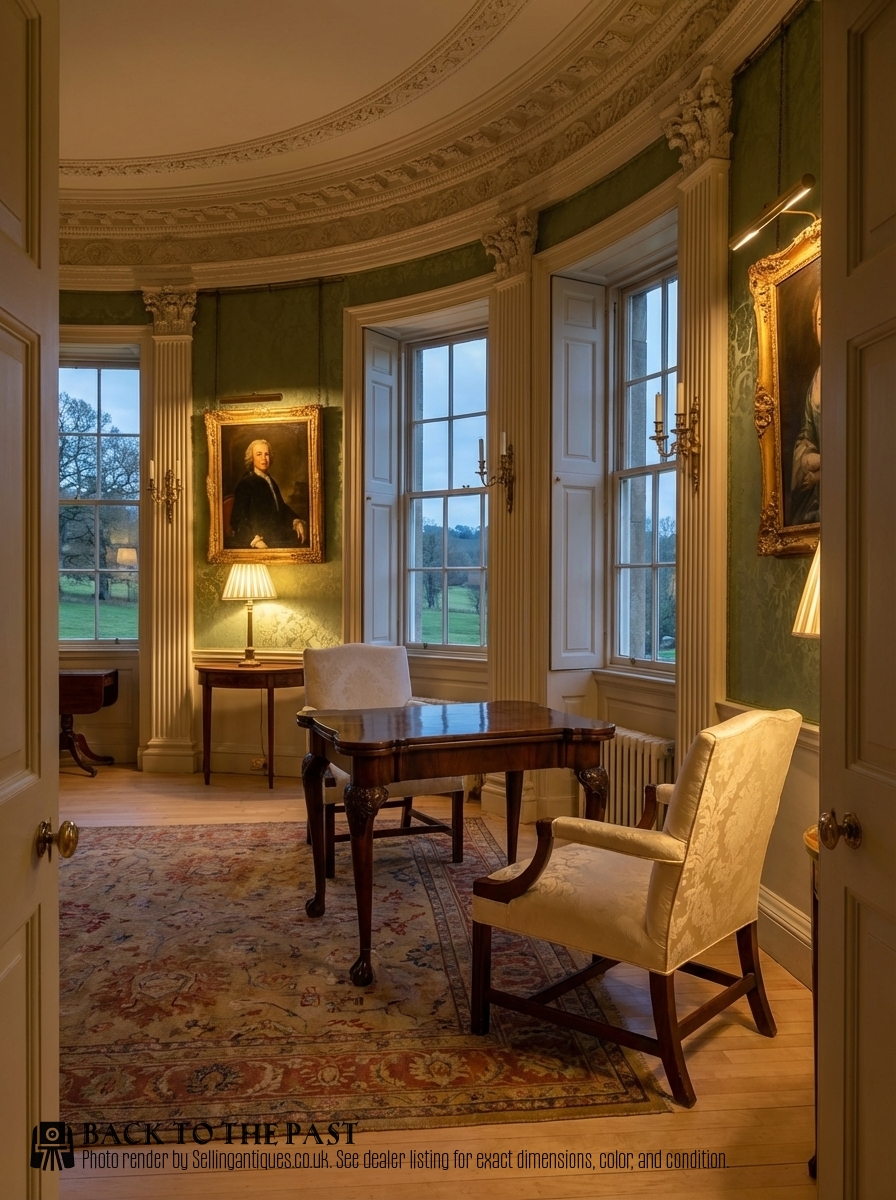
Construction and materials
Cabinetmakers utilised dense timbers such as mahogany, rosewood, and burr walnut, frequently pairing them with kingwood veneers to achieve rich surface patterns. These woods were shaped and joined to create stable folding tops suitable for regular use.
Metal elements including brass and ormolu provide structural reinforcement and decorative contrast against the dark polished woods. Skilled artisans carved the characteristic claw feet directly into the timber supports to anchor each table firmly.
Retail Price Guide 2026
Typical UK retail prices for claw foot card table, calculated from the Sellingantiques database of over a million retail prices indexed since 2003. This retail price guide relies exclusively on Sellingantiques data; no external sources or auction records are used, so the figures do not describe the wider market.
Claw feet were carved so fiercely they look ready to grip the parlour rug and dash across the room.
Distinctions in quality
The sophistication of the timber selection largely dictates the standing of an individual table, with figured burr walnut and kingwood veneers commanding distinct visual presence. The crispness of the carved claw feet and the integration of ormolu or brass mountings also separate standard execution from superior craftsmanship.
The engineering of the folding mechanism reveals the maker's underlying skill, ensuring the top rests level and secure whether opened for play or closed against a wall. Consistency in the polish and the preservation of the original wood grain further define the finer examples on offer.
Epstein and Co
The Claw Foot Card Table Glossary
- Card table
- A specialist table designed with a folding top to accommodate card games and social evening pastimes.
- Kingwood
- A dense, exotic timber featuring contrasting dark and golden brown grain patterns, popular for fine veneering.
- Ormolu
- Gilded bronze or brass applied as decorative mounts and accents on elite furniture pieces.
- Burr walnut
- Timber taken from the root growths of walnut trees, prized for its swirling and highly decorative grain patterns.
Frequently Asked Questions
What is a claw foot card table used for?
These pieces functioned primarily as social hubs for evening card games and parlour entertainment within domestic rooms. Their folding tops allowed households to expand surface space only when guests gathered to play.
When closed, the tables often doubled as side or console furniture against a wall. This dual purpose made them versatile additions to period interiors.
How do you date a card table?
Dating relies heavily on identifying the prevailing style, such as Regency or Queen Anne, alongside the choice of primary timbers like mahogany or rosewood. Cabinetmaking techniques and hardware choices also offer clear clues to the decade of production.
Comparing the specific turning of the legs and the detailing of the carved feet against known historical periods helps narrow down the origin.
Are these tables sturdy when opened?
The structural integrity depends on the clever internal pivoting or swing-leg mechanisms concealed beneath the folding top. Well-designed frames distribute the weight evenly across the four supports.
Original brass hinges and sturdy timber rails ensure the playing surface remains level during use. Maintenance of these joints is essential for continued stability.
How do I care for a mahogany or walnut table?
Polished timber surfaces require protection from direct sunlight and excessive moisture to prevent warping or fading of the veneer. Regular dusting with a soft, dry cloth preserves the natural lustre of the wood.
Applying traditional wax polish occasionally feeds the grain without building up heavy chemical residues. Avoiding extreme temperature shifts protects both the joinery and the metal mounts.